Maximus Gladius
Well-Known Member
- First Name
- Kevin
- Joined
- Jan 30, 2021
- Threads
- 74
- Messages
- 2,901
- Reaction score
- 3,692
- Location
- Calgary, AB, Canada
- Vehicle(s)
- 2021 JTR, 2023 JTR
- Thread starter
- #1
(21 JTR, 96k kms TL, second engine has just over 60k kms)
So, I’ve had a long standing belief that if I couldn’t “feel” air blowing out the oil fill cap while engine running, my rings were seated perfectly and didn’t have blowby and thereby, didn’t need an oil catch can. WRONG!
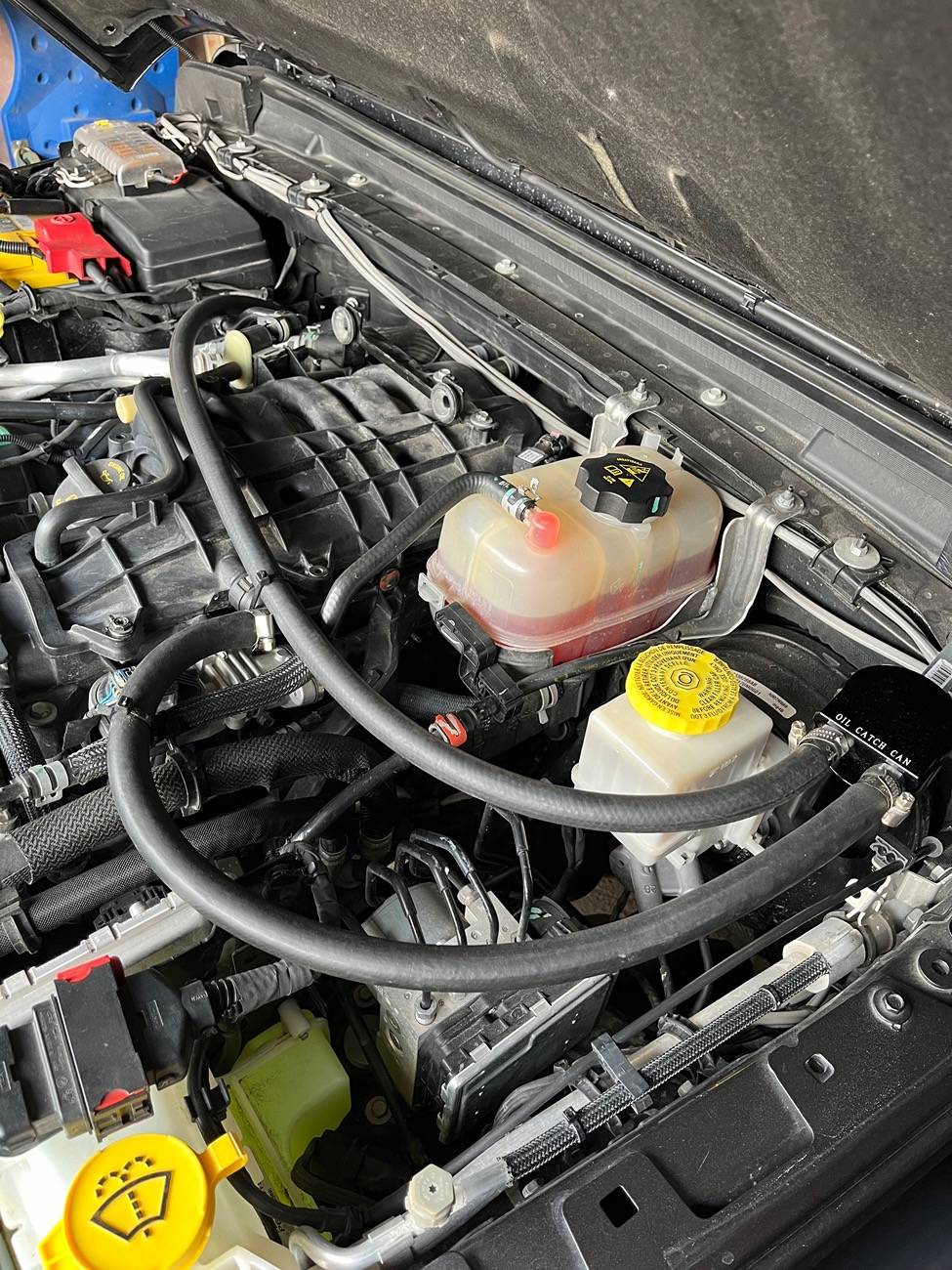
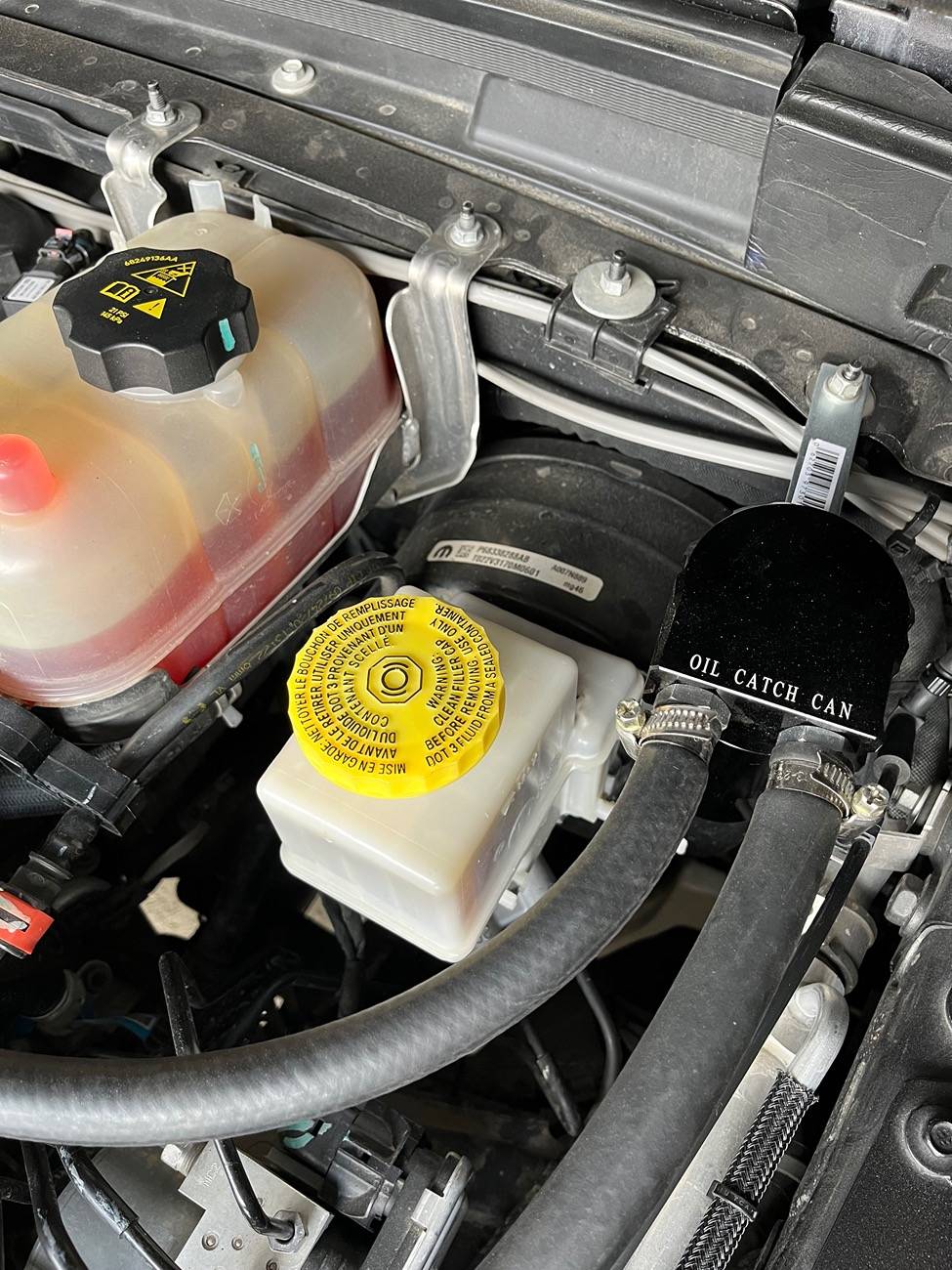
I installed one just for fun a couple weeks back (1500 kms) because I ordered one over a year ago and it was just sitting in the garage and I just never thought I needed to install it.
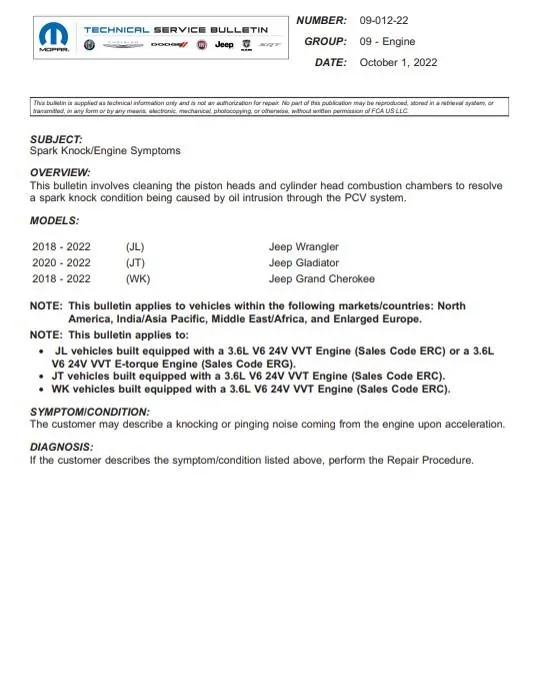
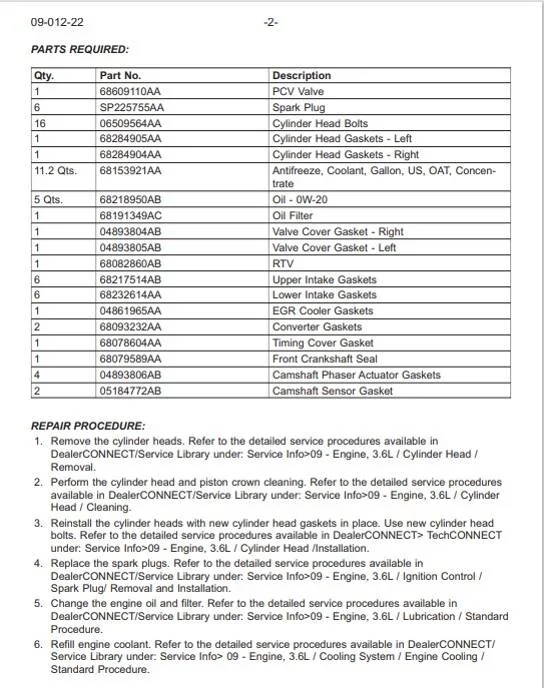
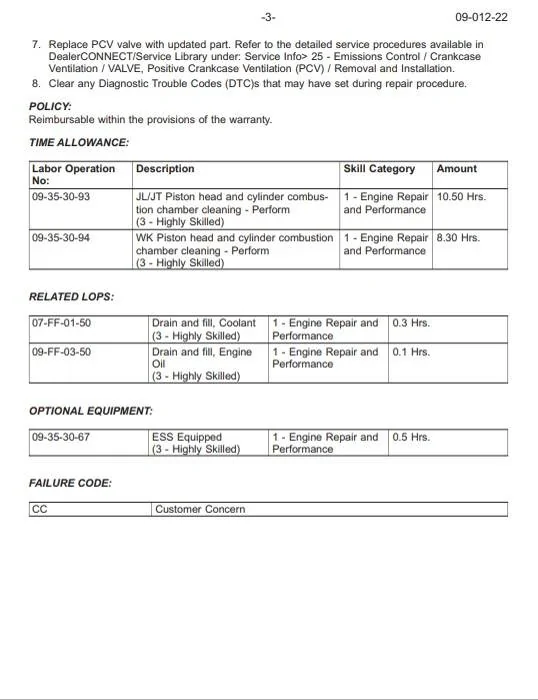
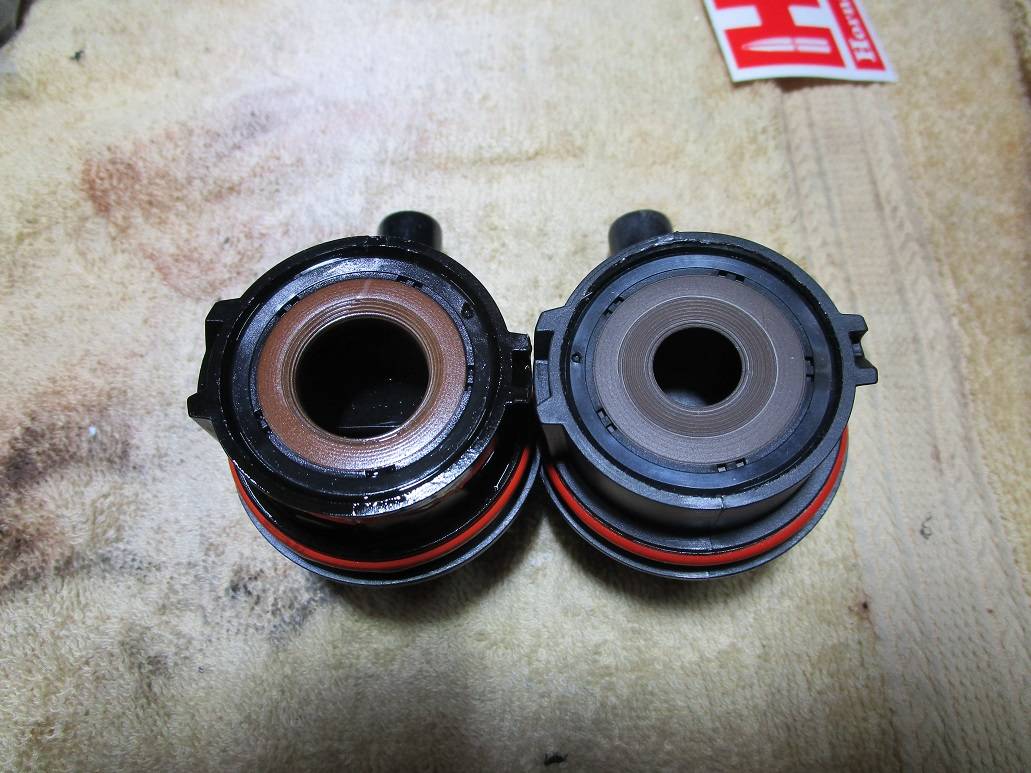
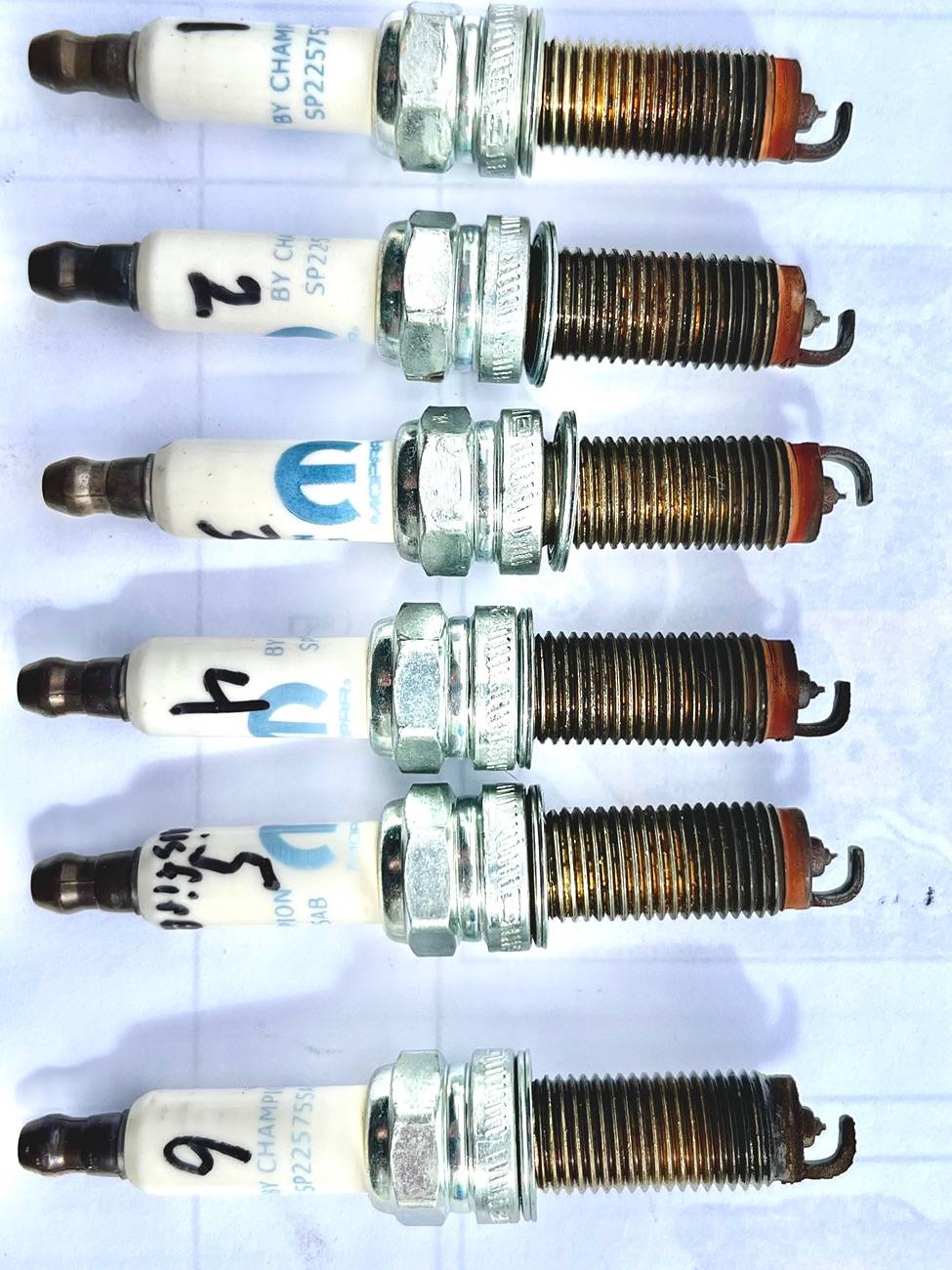
So about a month ago, I changed out my plugs at only 60k kms and they all showed oil burn on them. #5 plug was faulty and caused a misfire. They smelled like oil and #6 was wet oily. This is where things get technical because I can “see” and feel the operation of the positive and negative pressure from the PCV (passenger side rear engine location and MUA (make up fresh air) on the driver’s side rear engine location)
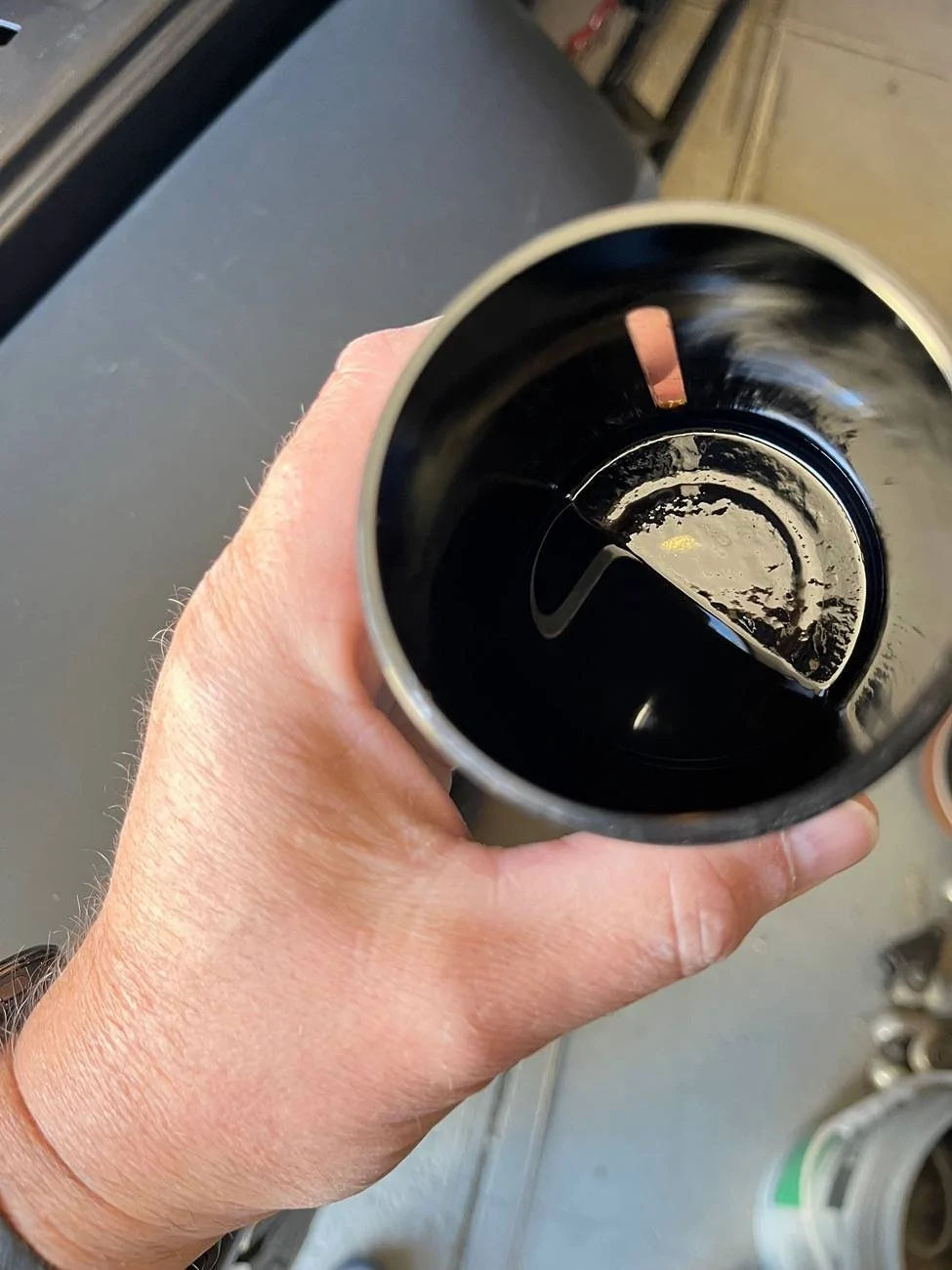
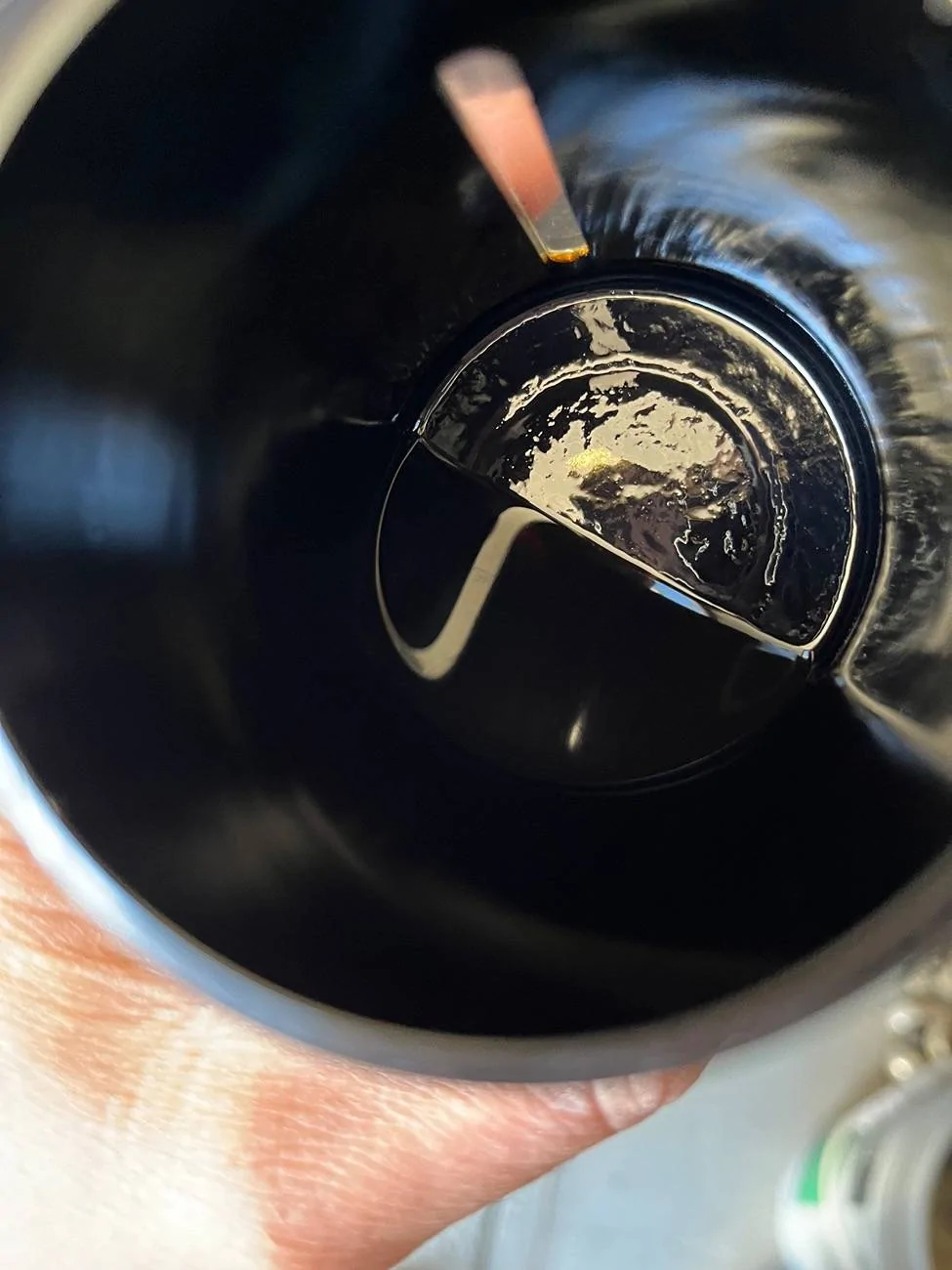
This is where I’m super confused. To be quick, catch can has oil in it.
1. I can feel no air blowing out my oil fill cap when engine is running.
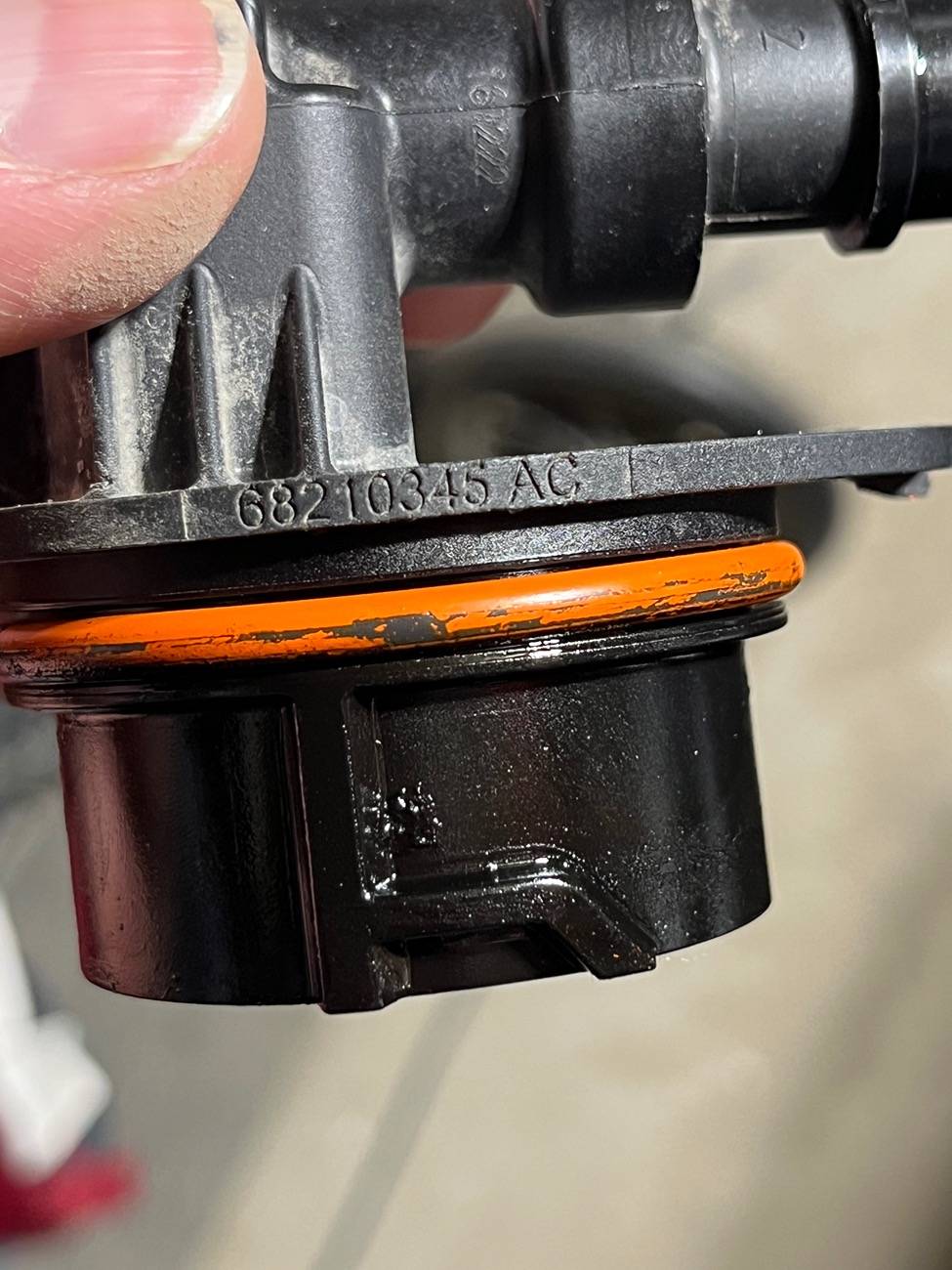
2. PCV is replaced when I replaced all my plugs. There is a strong suction of air being drawn through the PCV via the draw from intake manifold after the throttle body. If the hose is pulled there, the suction is massive and the engine doesn’t want to run.
3. The MUA tube that’s located right after the air box and enters the intake air tube has very little suction that’s providing fresh air to the engine on the drivers side rear engine.
So this is where I’m confused and I’m trying to figure out all the different amounts of air flow between the no air blowing or sucking at the oil fill cap, the huge amount of air circulating at the PCV, upper intake manifold and crank case and near zero air being sucked in at the MUA tube.
So to be clear, I have never sat in a classroom to learn mechanics stuff. I’ve only done my own wrenching which has been more than normal for most “non classroom learned” folks.
My thinking also when I’ve done my oil changes and find the level down 1/4-1/2 litre is that this oil has made it through the rings and I’ve burned it off. Now, I see consumption through the PCV as I look at the oil in the catch can.
The wet oily #6 plug now makes sense in that as the droplets of oil are entering the intake manifold, the rush of intake air through the manifold is just forcing that oil to #6. The other plugs that just show oil burn but not wet is maybe those droplets go to the other cylinders at idle ?? Perhaps.
Anyway, I’m glad I installed the can. I want my plugs to burn cleaner and the can shows me I just might accomplish this.

So, I’ve had a long standing belief that if I couldn’t “feel” air blowing out the oil fill cap while engine running, my rings were seated perfectly and didn’t have blowby and thereby, didn’t need an oil catch can. WRONG!
I installed one just for fun a couple weeks back (1500 kms) because I ordered one over a year ago and it was just sitting in the garage and I just never thought I needed to install it.
So about a month ago, I changed out my plugs at only 60k kms and they all showed oil burn on them. #5 plug was faulty and caused a misfire. They smelled like oil and #6 was wet oily. This is where things get technical because I can “see” and feel the operation of the positive and negative pressure from the PCV (passenger side rear engine location and MUA (make up fresh air) on the driver’s side rear engine location)
This is where I’m super confused. To be quick, catch can has oil in it.
1. I can feel no air blowing out my oil fill cap when engine is running.
2. PCV is replaced when I replaced all my plugs. There is a strong suction of air being drawn through the PCV via the draw from intake manifold after the throttle body. If the hose is pulled there, the suction is massive and the engine doesn’t want to run.
3. The MUA tube that’s located right after the air box and enters the intake air tube has very little suction that’s providing fresh air to the engine on the drivers side rear engine.
So this is where I’m confused and I’m trying to figure out all the different amounts of air flow between the no air blowing or sucking at the oil fill cap, the huge amount of air circulating at the PCV, upper intake manifold and crank case and near zero air being sucked in at the MUA tube.
So to be clear, I have never sat in a classroom to learn mechanics stuff. I’ve only done my own wrenching which has been more than normal for most “non classroom learned” folks.
My thinking also when I’ve done my oil changes and find the level down 1/4-1/2 litre is that this oil has made it through the rings and I’ve burned it off. Now, I see consumption through the PCV as I look at the oil in the catch can.
The wet oily #6 plug now makes sense in that as the droplets of oil are entering the intake manifold, the rush of intake air through the manifold is just forcing that oil to #6. The other plugs that just show oil burn but not wet is maybe those droplets go to the other cylinders at idle ?? Perhaps.
Anyway, I’m glad I installed the can. I want my plugs to burn cleaner and the can shows me I just might accomplish this.
Sponsored