
Rummie
Well-Known Member
- First Name
- Troy
- Joined
- May 25, 2019
- Threads
- 80
- Messages
- 668
- Reaction score
- 1,407
- Location
- Siesta Key, Florida
- Website
- www.siestakeyrum.com
- Vehicle(s)
- '20 JTR, '24 Model X Plaid
- Build Thread
- Link
- Occupation
- Rum
- Vehicle Showcase
- 3
- Thread starter
- #1
I recently put in a 100ah lithium battery system with a 40 amp dcdc charger. My two main draws are the fridge and Starlink (with occasional use of the ice maker as well). The Starlink uses a lot of ac power. It can be converted to dc power for a significant savings in draw as well as savings from not having the dc to ac conversion.
Here are some pics. Credit to this guy for the info on how to do it: https://www.starlinkhardware.com/tutorial-12v-dc-power-supply-for-starlink-rv/
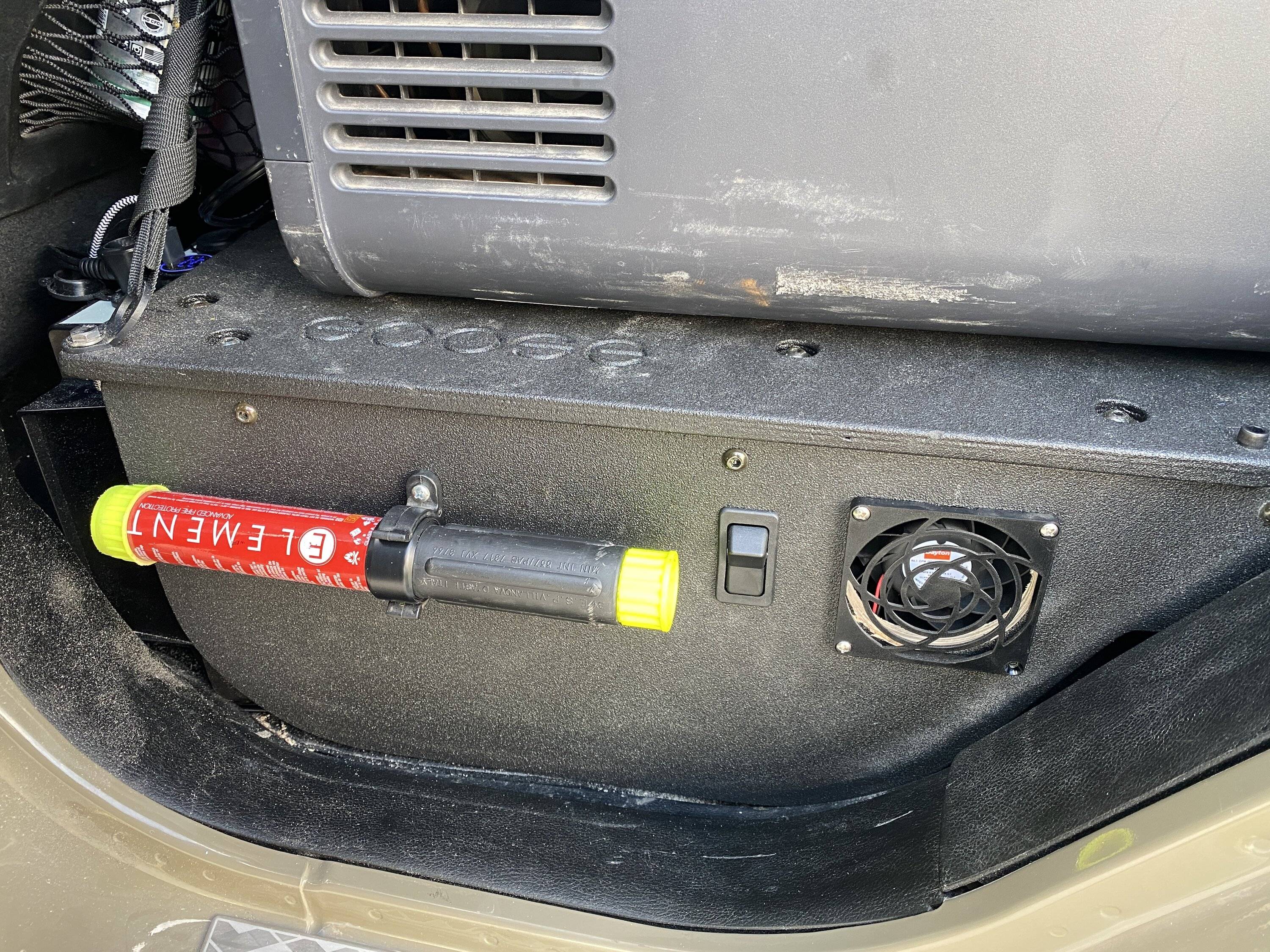
First, we added a fan to the side of our platform to evacuate hot air created by the dcdc and the 12v to 48v convertor when needed.

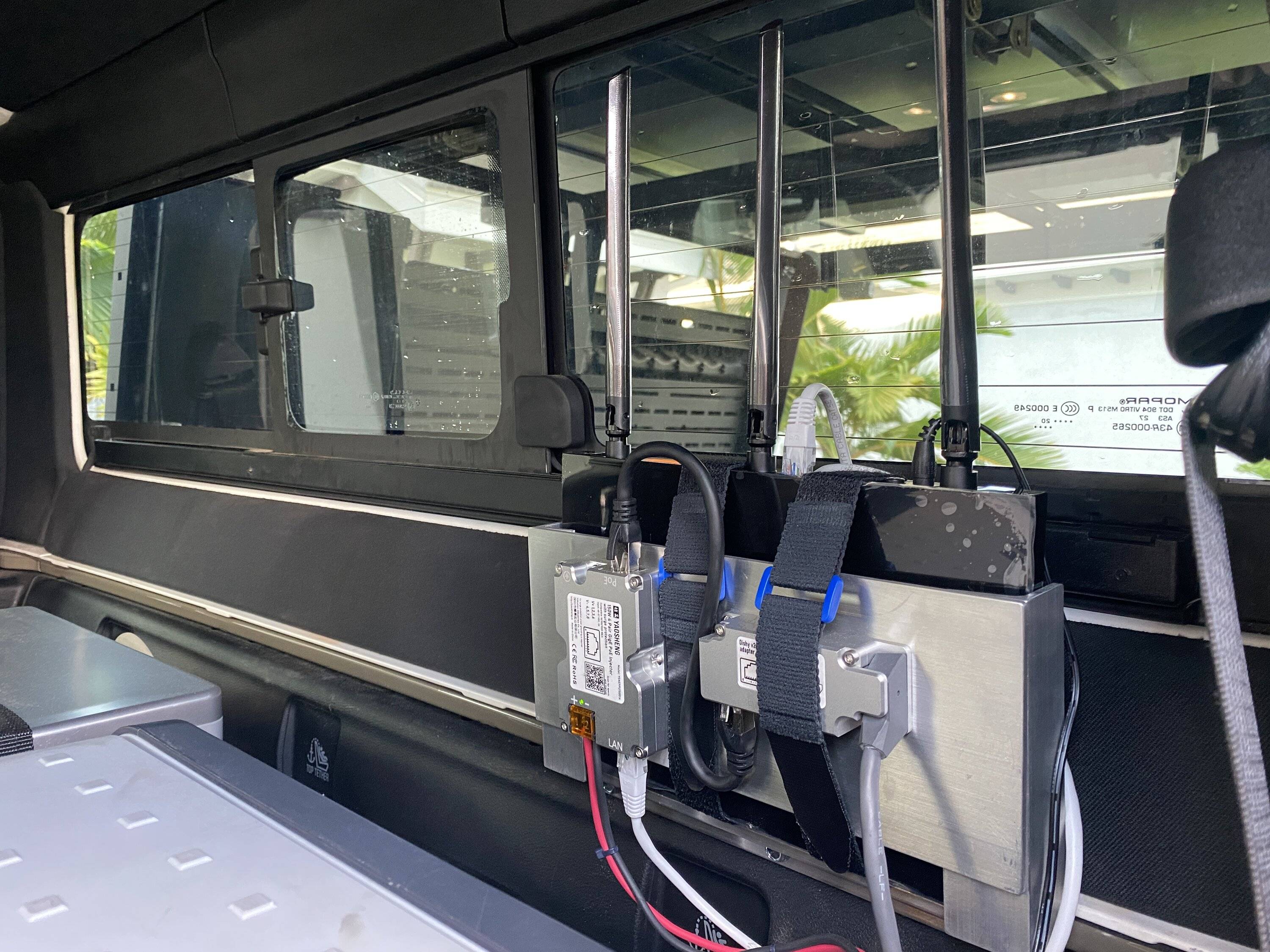
The cable adapter and poe injector with the router. The 12v to 48v convertor lives under the platform.
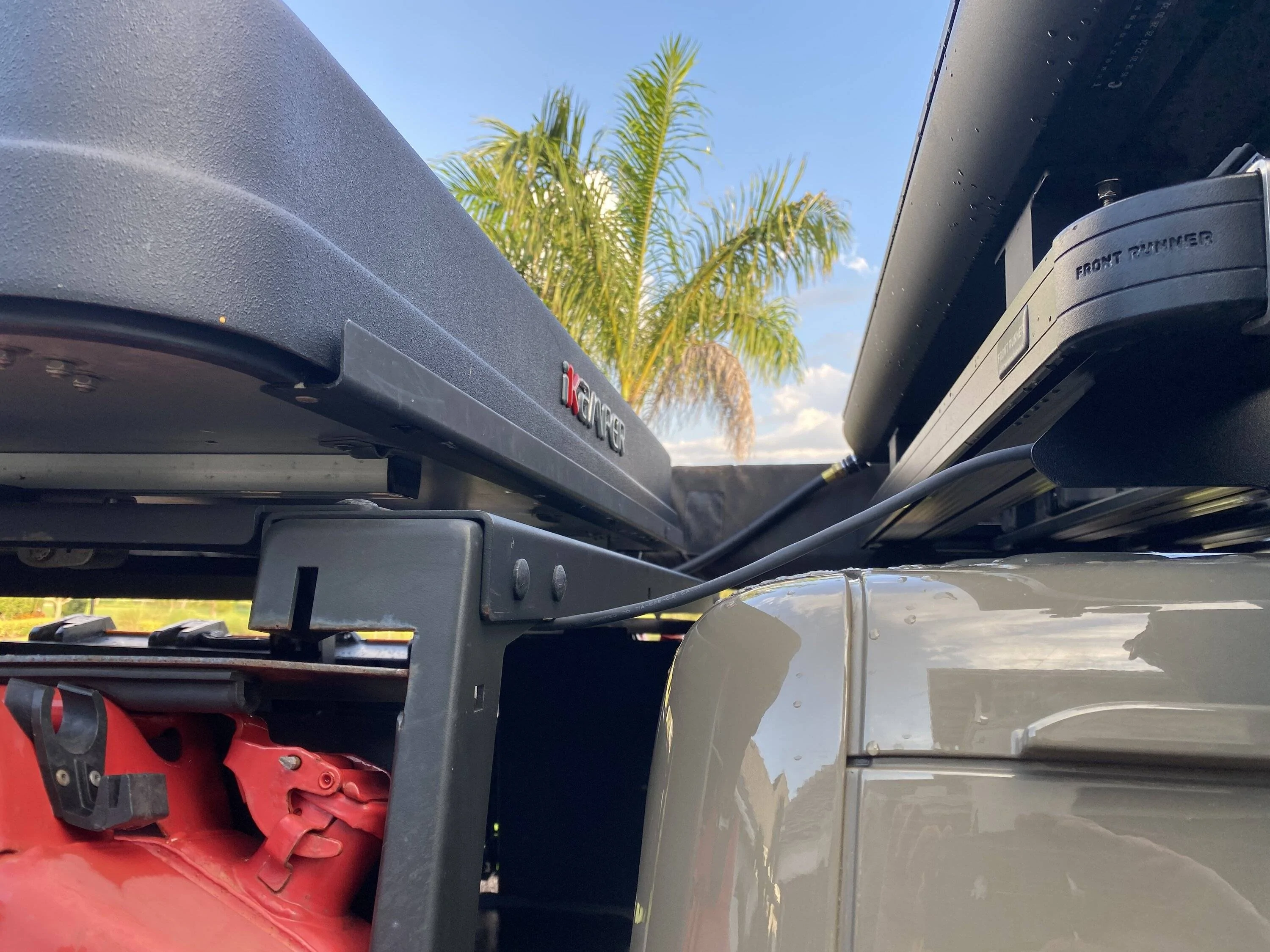
We drilled a hole in the floor and led the Starlink cable along the bed rack but had to run it over to the roof rack at one point.
We drilled two holes in the box to allow the Starlink cable to enter and exit. The excess cable is stored in the box in case we need to move the Starlink away from the Jeep to get connectivity.
The Starlink dish lives in the box when traveling. I attach it to the mount on the roof rack if we are not obstructed. It has a stand and a pretty long cable to move it to a better area if needed.
Just tested it and all seems to be working well! Less power usage and easier setup. Win win!
Here are some pics. Credit to this guy for the info on how to do it: https://www.starlinkhardware.com/tutorial-12v-dc-power-supply-for-starlink-rv/
First, we added a fan to the side of our platform to evacuate hot air created by the dcdc and the 12v to 48v convertor when needed.
The cable adapter and poe injector with the router. The 12v to 48v convertor lives under the platform.
We drilled a hole in the floor and led the Starlink cable along the bed rack but had to run it over to the roof rack at one point.
We drilled two holes in the box to allow the Starlink cable to enter and exit. The excess cable is stored in the box in case we need to move the Starlink away from the Jeep to get connectivity.
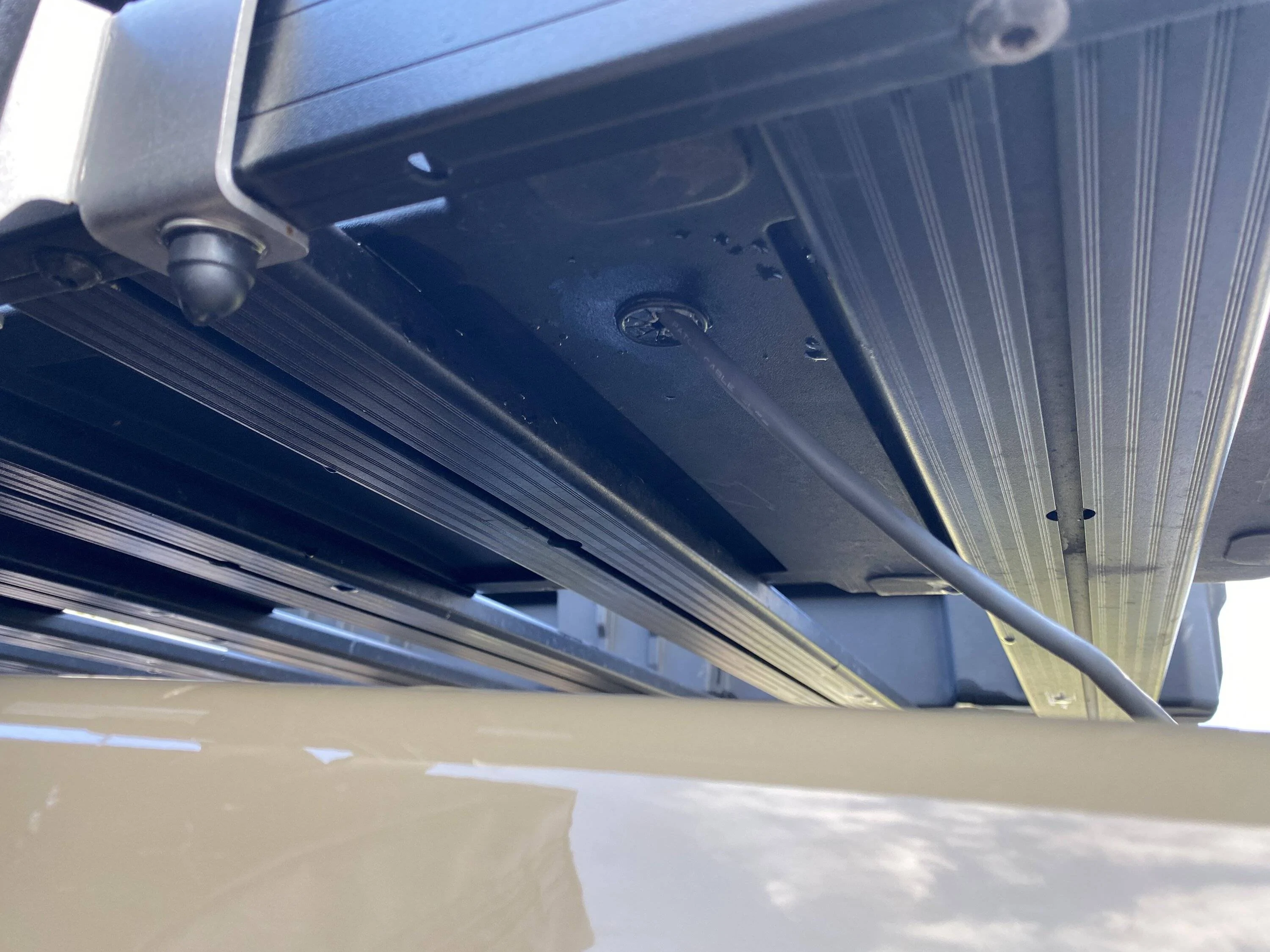
The Starlink dish lives in the box when traveling. I attach it to the mount on the roof rack if we are not obstructed. It has a stand and a pretty long cable to move it to a better area if needed.
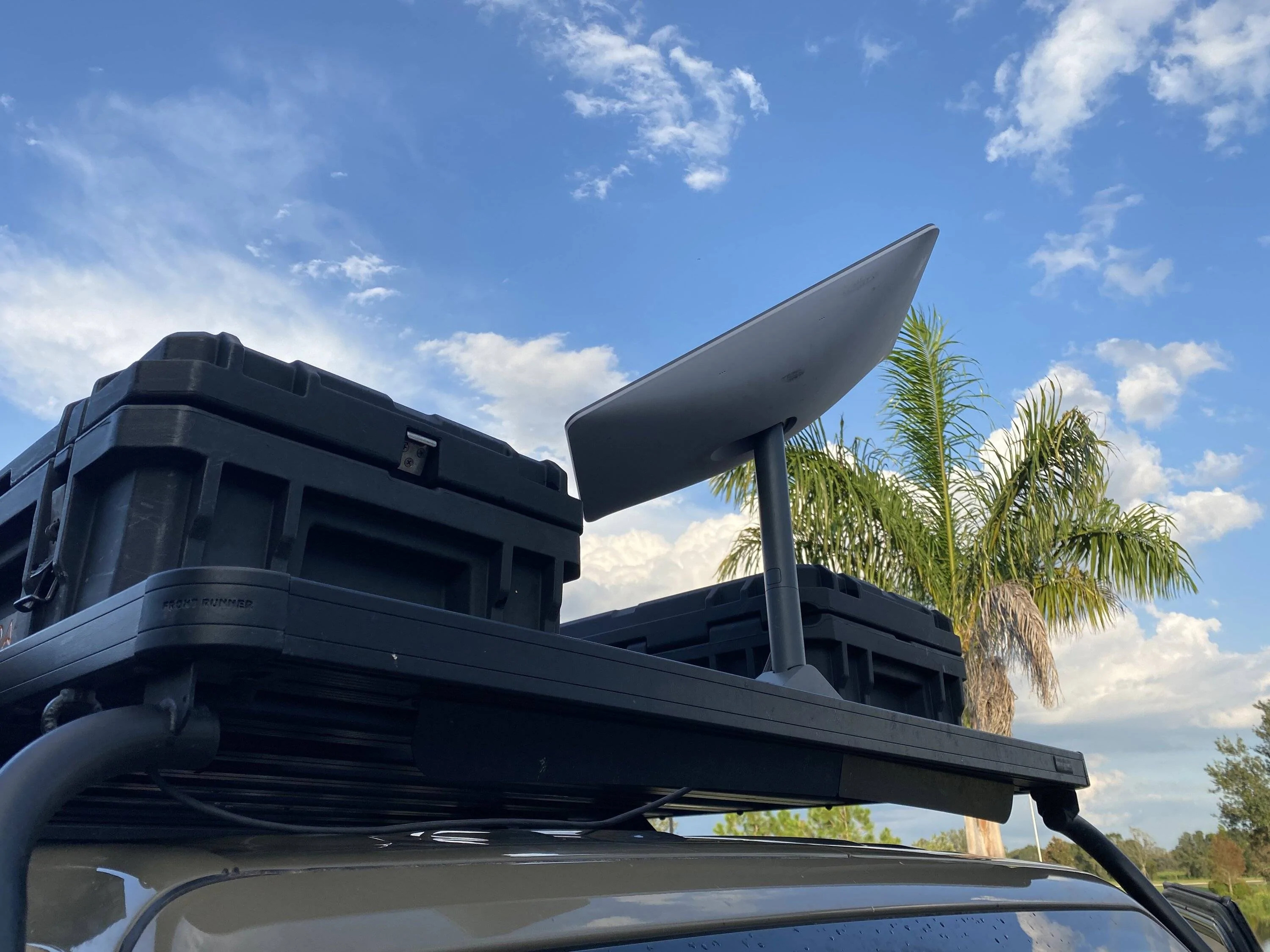
Just tested it and all seems to be working well! Less power usage and easier setup. Win win!
Sponsored
Last edited: