Sponsored

Timing advance at idle

Brahmajoe

Well-Known Member
First Name
Joe
Joined
Feb 2, 2022
Threads
118
Messages
557
Reaction score
137
Location
Connecticut
Vehicle(s)
2022 Jeep Gladiator Sport S
Occupation
Law
Is timing supposed to fluctuate at idle it’s mainly between 4.0 and 7.0 but my JScan said between 1.0 and 9.0

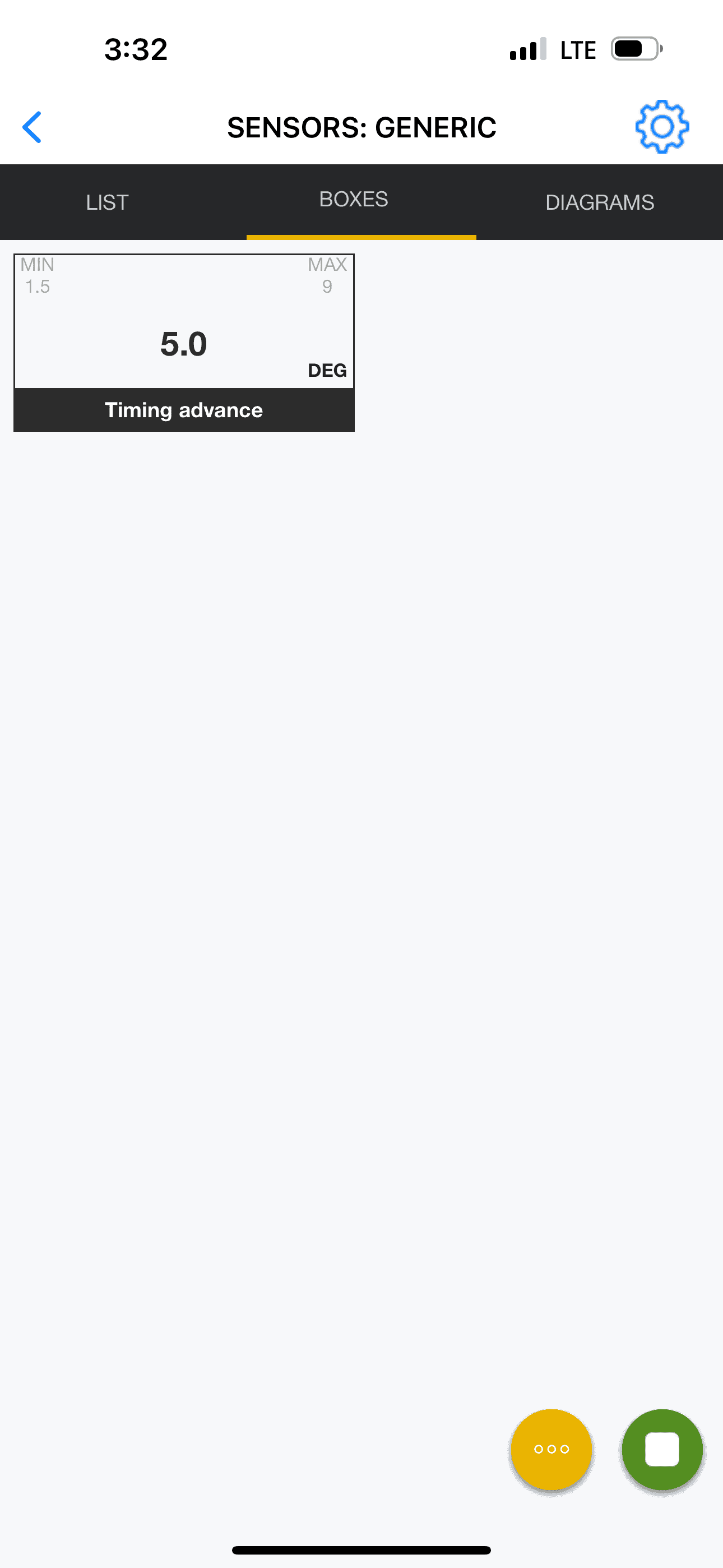
Jeep Gladiator Timing advance at idle IMG_3322
Sponsored


SargeDiesel

Well-Known Member
First Name
michael
Joined
Aug 22, 2021
Threads
25
Messages
1,887
Reaction score
1,449
Location
35173
Vehicle(s)
Jeep Gladiator Rubicon Diesel
Occupation
Retired Military
I would think that it does fluctuate. Probably in accordance with the RPM... based on the engine temp. At initial startup, the RPM high and then slowly tapers down as the engine warms up, I would think this is accomplished by increasing the timing ???
 

ShadowsPapa

Well-Known Member
First Name
Bill
Joined
Oct 12, 2019
Threads
247
Messages
40,442
Reaction score
53,860
Location
Runnells, Iowa
Vehicle(s)
'25 JTMX, '23 JLU 4xe, '82 SX4, '73 Javelin
Occupation
Retired auto mechanic, frmr gov't ntwrk security admin
Vehicle Showcase
3
Is timing supposed to fluctuate at idle it’s mainly between 4.0 and 7.0 but my JScan said between 1.0 and 9.0

IMG_3322.png
Short answer - sure, definitely.

I would think that it does fluctuate. Probably in accordance with the RPM... based on the engine temp. At initial startup, the RPM high and then slowly tapers down as the engine warms up, I would think this is accomplished by increasing the timing ???
The idle RPM changes - drops from a cold start but it's not because of timing, the idle speed changes based on the throttle position and fuel injected controlled by PCM - timing changes based on needs to completely burn the varying mixture.
I've seen mine as much as almost 2 degrees ATDC. Slower running engines require "later" or "slower" timing because there's more time to burn the mixture. So it can be ignited later and there's plenty of time to burn it.
More RPM, you need advanced timing to light the mix sooner to get it burned in a reduced amount of time due to the higher RPM.
Ideally, general rule of thumb is you ignite the mixture to ensure the highest combustion pressures between 14 and 16 degrees after TDC for maximum push on the crankshaft.
This will vary with stroke, rod length and so on, but that was the general rule of thumb for decades.
 

SargeDiesel

Well-Known Member
First Name
michael
Joined
Aug 22, 2021
Threads
25
Messages
1,887
Reaction score
1,449
Location
35173
Vehicle(s)
Jeep Gladiator Rubicon Diesel
Occupation
Retired Military
Short answer - sure, definitely.


The idle RPM changes - drops from a cold start but it's not because of timing, the idle speed changes based on the throttle position and fuel injected controlled by PCM - timing changes based on needs to completely burn the varying mixture.
I've seen mine as much as almost 2 degrees ATDC. Slower running engines require "later" or "slower" timing because there's more time to burn the mixture. So it can be ignited later and there's plenty of time to burn it.
More RPM, you need advanced timing to light the mix sooner to get it burned in a reduced amount of time due to the higher RPM.
Ideally, general rule of thumb is you ignite the mixture to ensure the highest combustion pressures between 14 and 16 degrees after TDC for maximum push on the crankshaft.
This will vary with stroke, rod length and so on, but that was the general rule of thumb for decades.
Thanks Papa

Looks like I was on the right track... atleast as far as higher RPM vs advanced timing... seems one is the result of the other, just two different systems controling it separately.

I appreciate the detailed response/information.
Sponsored


Top