Sponsored

Value Train repair kit?

OP
OP

Steel24

Well-Known Member
First Name
Bryan
Joined
Jun 14, 2020
Threads
13
Messages
70
Reaction score
43
Location
Madison, WI
Vehicle(s)
JT Gladiator, TJ Rubicon, Jeep SRT
Occupation
Firefighter
Interesting. This occasional big-lobe failure remains curios. Please post photos of the damage. It sounds like you are handy if you're going to repair it yourself. If you feel like providing additional data, I'd be interested in knowing:

How much drive-time does your engine spend above 2800 and 3000rpm?
Is your Jeep stock tire'd and stock weight?
What has been your oil change interval?
Any external reason you believe the lobe interface may have been subjected to a lack of lubrication?
Do you see any signs of oil breakdown, like sludge or staining?
I would say that my RPMs stay below 3000 for the majority of the time. I’ve been to Moab, Colorado, Kentucky off-roading but I’m by no means a “hardcore” off-roader. I don’t really haul anything constantly. A boat every now and then but not much.
I am running 35’s (11.50)
Weight is close to stock. I have a winch on the front and a full size (35) spare tire on the back. Nothing crazy for weight.
I change my own oil more frequent than the computer tells me.
As far as lubrication…. Everything else looked to be in great shape other than that one rocker and lobe on the camshaft.
Seeing as though all the other parts looked to be in good shape leads me to believe that lubrication was adequate for all the other parts but that one failed rocker. I would say it’s a flaw in the parts. No signs of sludge or breakdown.
Sponsored

 

ShadowsPapa

Well-Known Member
First Name
Bill
Joined
Oct 12, 2019
Threads
247
Messages
40,445
Reaction score
53,880
Location
Runnells, Iowa
Vehicle(s)
'25 JTMX, '23 JLU 4xe, '82 SX4, '73 Javelin
Occupation
Retired auto mechanic, frmr gov't ntwrk security admin
Vehicle Showcase
3
I would say that my RPMs stay below 3000 for the majority of the time. I’ve been to Moab, Colorado, Kentucky off-roading but I’m by no means a “hardcore” off-roader. I don’t really haul anything constantly. A boat every now and then but not much.
I am running 35’s (11.50)
Weight is close to stock. I have a winch on the front and a full size (35) spare tire on the back. Nothing crazy for weight.
I change my own oil more frequent than the computer tells me.
As far as lubrication…. Everything else looked to be in great shape other than that one rocker and lobe on the camshaft.
Seeing as though all the other parts looked to be in good shape leads me to believe that lubrication was adequate for all the other parts but that one failed rocker. I would say it’s a flaw in the parts. No signs of sludge or breakdown.
If you had any sludge I'd be totally shocked, even alarmed! Especially seeing it on the top end. Just not going to happen unless you abuse that thing or never change oil or use crap oil and get it hot a lot.

What you have seen is very typical of a 2020 era JT 3.6 cam failure. I've seen many photos and not a one of them shows any signs of there being a problem with oil having been hot or sludging - and why should there be on the top end of a pretty new engine with not many miles on it.

Because of how these oil - you'd be hard pressed to see "evidence" of lack of oiling unless it was extreme lack. Oil is sprayed at both cams from the exhaust lash adjusters (through the holes in the exhaust followers) and oil is flung from the spinning parts, making it a rain shower of oil when running at any speed, so to find a "Dry" part would be amazing. Lack of lube is not impossible, but if that were the case, then replacement cams would also fail, time after time, because they don't replace the exhaust side of things and that's where the lube comes from. So if you saw a person going through, for example, 3 cams and/or followers in 60,000 miles, then I'd totally suspect a lack of lube and I'd be replacing the exhaust side lash adjusters and checking all oil passages for any restrictions.
But if a cam replacement resolves the issue and you don't have subsequent failures of the same parts - it's not a lack of lube issue.

And if it was "your fault" - poor oil, lack of changes, abuse - why the exact same side, same cam situation as almost all of the other 2020 failures?

I'd agree - parts failure. Not you, not your maintenance.

I've tracked this situation since 2019 and see patterns. I also see lack of certain patterns.
 
OP
OP

Steel24

Well-Known Member
First Name
Bryan
Joined
Jun 14, 2020
Threads
13
Messages
70
Reaction score
43
Location
Madison, WI
Vehicle(s)
JT Gladiator, TJ Rubicon, Jeep SRT
Occupation
Firefighter
If you had any sludge I'd be totally shocked, even alarmed! Especially seeing it on the top end. Just not going to happen unless you abuse that thing or never change oil or use crap oil and get it hot a lot.

What you have seen is very typical of a 2020 era JT 3.6 cam failure. I've seen many photos and not a one of them shows any signs of there being a problem with oil having been hot or sludging - and why should there be on the top end of a pretty new engine with not many miles on it.

Because of how these oil - you'd be hard pressed to see "evidence" of lack of oiling unless it was extreme lack. Oil is sprayed at both cams from the exhaust lash adjusters (through the holes in the exhaust followers) and oil is flung from the spinning parts, making it a rain shower of oil when running at any speed, so to find a "Dry" part would be amazing. Lack of lube is not impossible, but if that were the case, then replacement cams would also fail, time after time, because they don't replace the exhaust side of things and that's where the lube comes from. So if you saw a person going through, for example, 3 cams and/or followers in 60,000 miles, then I'd totally suspect a lack of lube and I'd be replacing the exhaust side lash adjusters and checking all oil passages for any restrictions.
But if a cam replacement resolves the issue and you don't have subsequent failures of the same parts - it's not a lack of lube issue.

And if it was "your fault" - poor oil, lack of changes, abuse - why the exact same side, same cam situation as almost all of the other 2020 failures?

I'd agree - parts failure. Not you, not your maintenance.

I've tracked this situation since 2019 and see patterns. I also see lack of certain patterns.
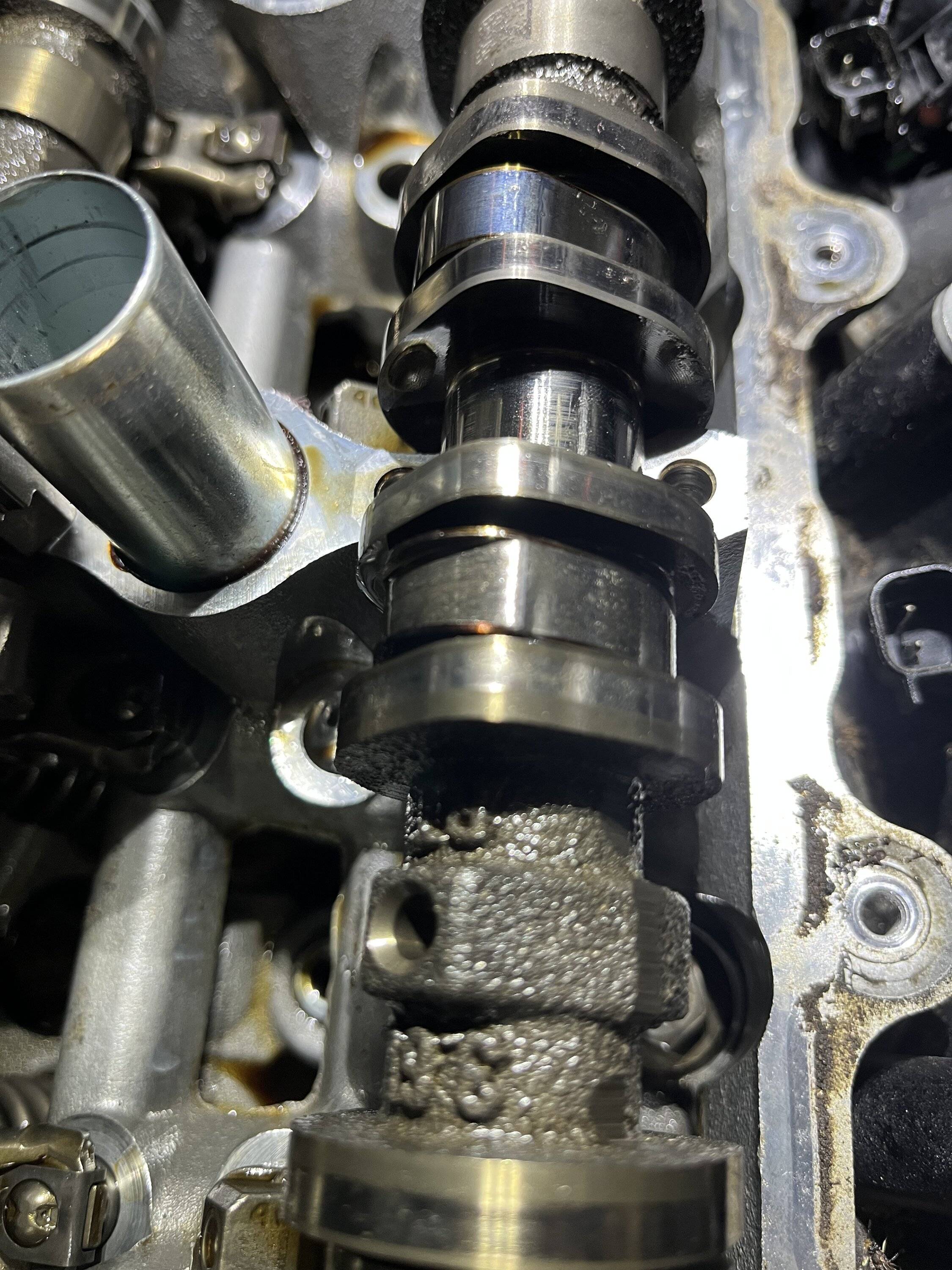
Jeep Gladiator Value Train repair kit? IMG_3239


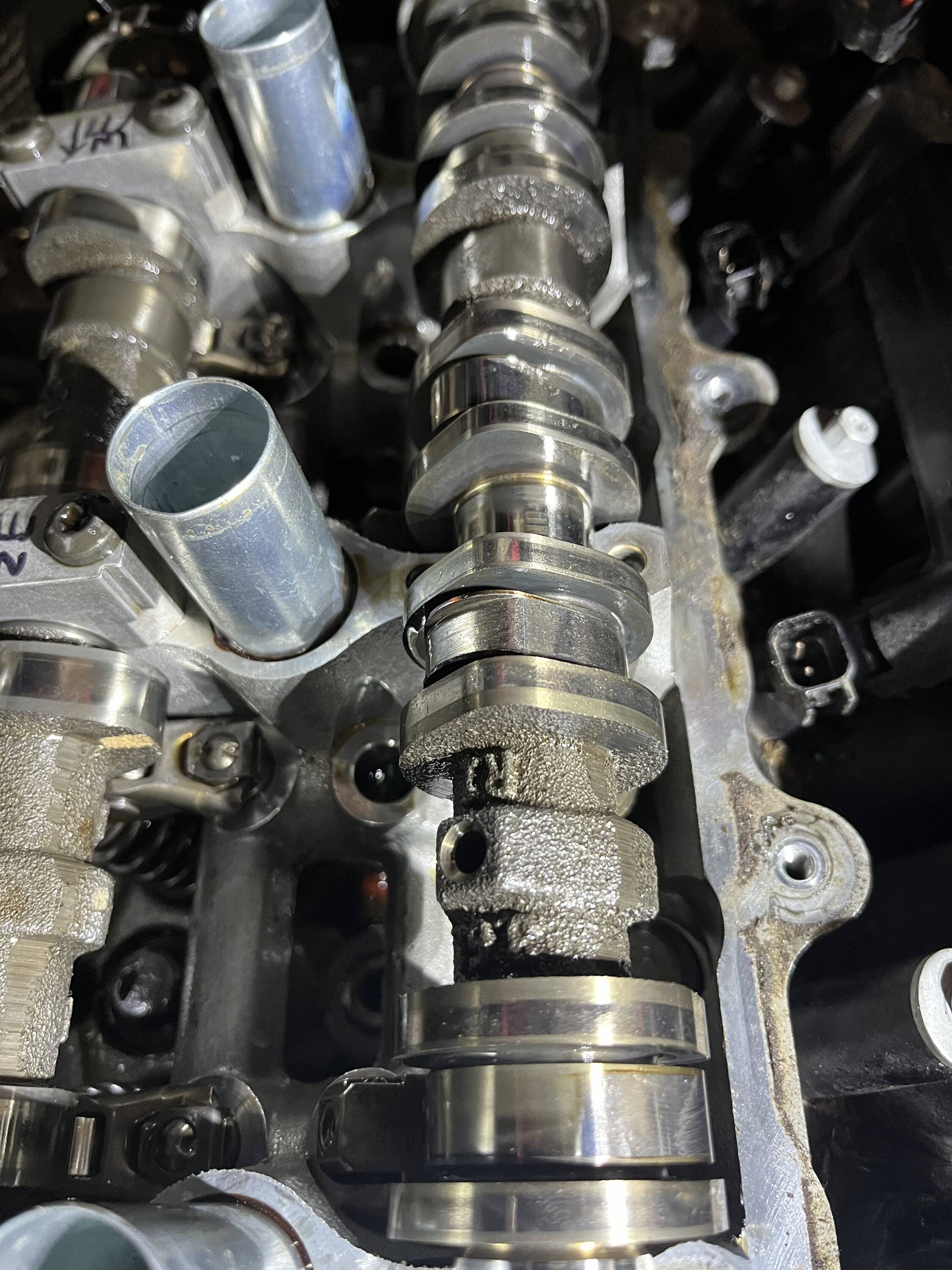
Jeep Gladiator Value Train repair kit? IMG_3236


Jeep Gladiator Value Train repair kit? IMG_3235
 

ShadowsPapa

Well-Known Member
First Name
Bill
Joined
Oct 12, 2019
Threads
247
Messages
40,445
Reaction score
53,880
Location
Runnells, Iowa
Vehicle(s)
'25 JTMX, '23 JLU 4xe, '82 SX4, '73 Javelin
Occupation
Retired auto mechanic, frmr gov't ntwrk security admin
Vehicle Showcase
3
I'd run a plastic or soft wire probe just into the holes on the squirter area of the exhaust rockers to make sure there's nothing blocking the spray from that one. It may be just the angle of the picture but something bugs me about the hole in that one compared to the others. Probably just the light and angle.
Otherwise, it looks a lot like the others - one grossly worn down, same appearance as the others I've seen.
 

Charles 236

Well-Known Member
First Name
Charles
Joined
Feb 13, 2022
Threads
0
Messages
608
Reaction score
1,229
Location
Greenville, SC
Vehicle(s)
Jeep Gladiator Overland
Occupation
Jeep technician
It is not covered by warranty, but I like to replace the exhaust lash adjuster(s) and exhaust to rocker arm(s) that correspond to worn intake lobes on Pentastar upgrade engines that have suffered from intake cam failure when I replace an intake cam and rockers. This is because the oil spray is from the exhaust rocker arm to both exhaust and intake cams, and it is just a little extra work to help ensure oil to the affected cam lobe(s). I also make it a point to make sure that the oil galley plugs in the front of the head are not loose, since oil pressure is affected by loose plugs. I have also seen the plugs missing from the head, causing driveability issues.
 

Sponsored

OP
OP

Steel24

Well-Known Member
First Name
Bryan
Joined
Jun 14, 2020
Threads
13
Messages
70
Reaction score
43
Location
Madison, WI
Vehicle(s)
JT Gladiator, TJ Rubicon, Jeep SRT
Occupation
Firefighter
I'd run a plastic or soft wire probe just into the holes on the squirter area of the exhaust rockers to make sure there's nothing blocking the spray from that one. It may be just the angle of the picture but something bugs me about the hole in that one compared to the others. Probably just the light and angle.
Otherwise, it looks a lot like the others - one grossly worn down, same appearance as the others I've seen.
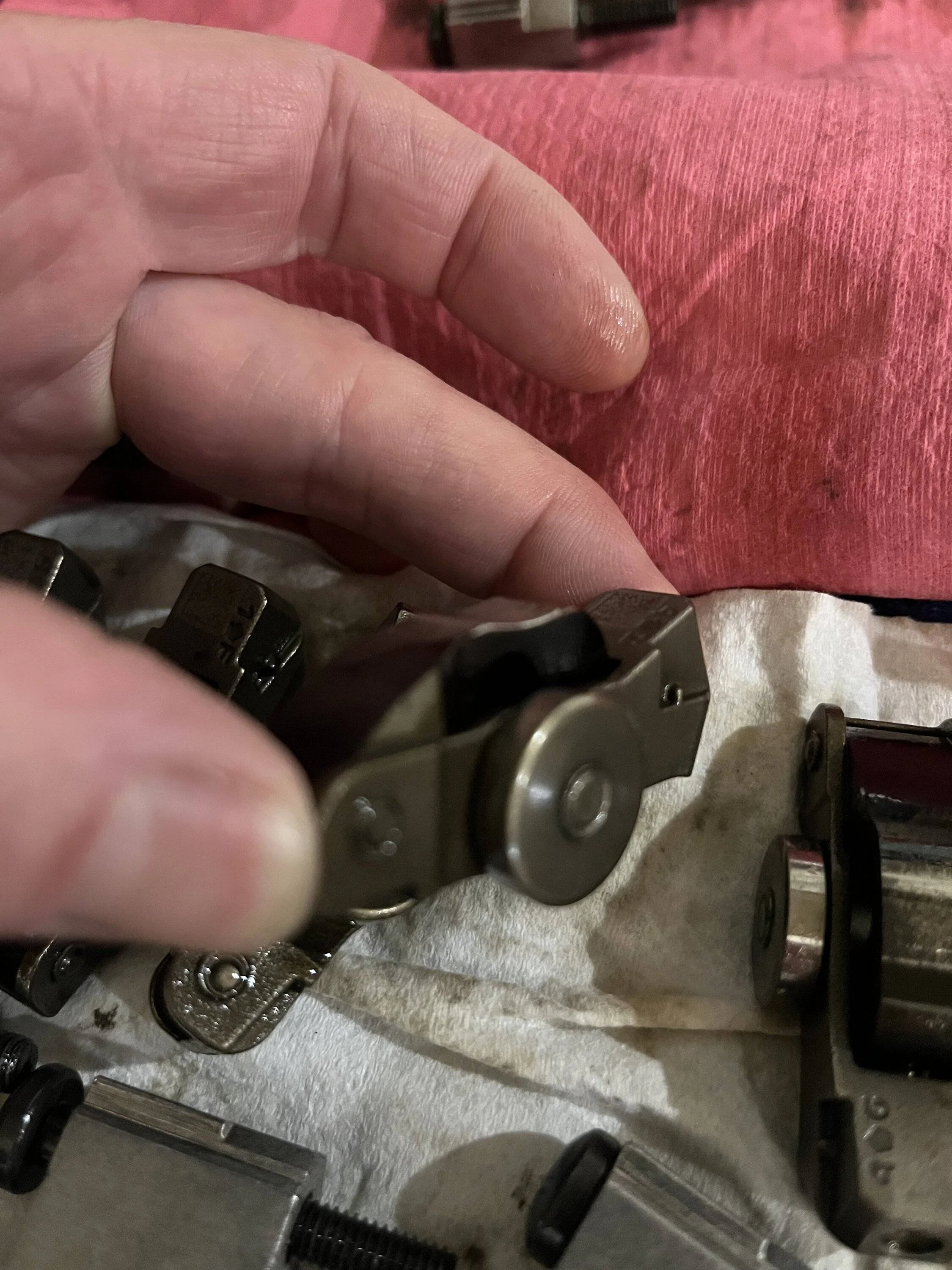
Jeep Gladiator Value Train repair kit? IMG_3242


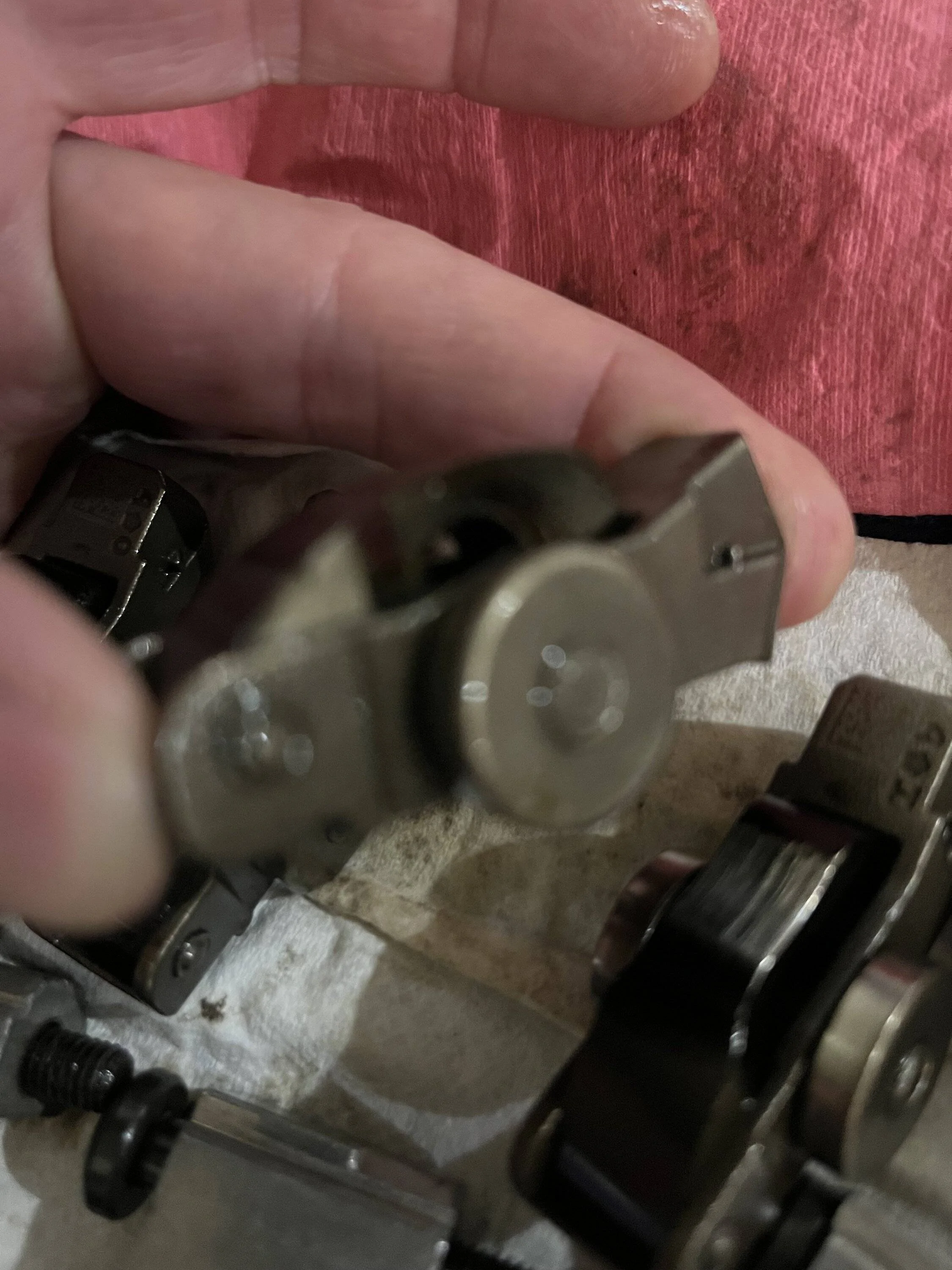
Jeep Gladiator Value Train repair kit? IMG_3243
 

TheRealStreetcommander

Well-Known Member
Joined
Apr 13, 2023
Threads
4
Messages
211
Reaction score
383
Location
East Coast
Vehicle(s)
Gladiator
Occupation
None of your business.
Way to go for posting the photos. That's outrageous. I have to agree that unless that EX side oil squirter is clogged, that is 100% a material failure resulting from a manufacturing defect.

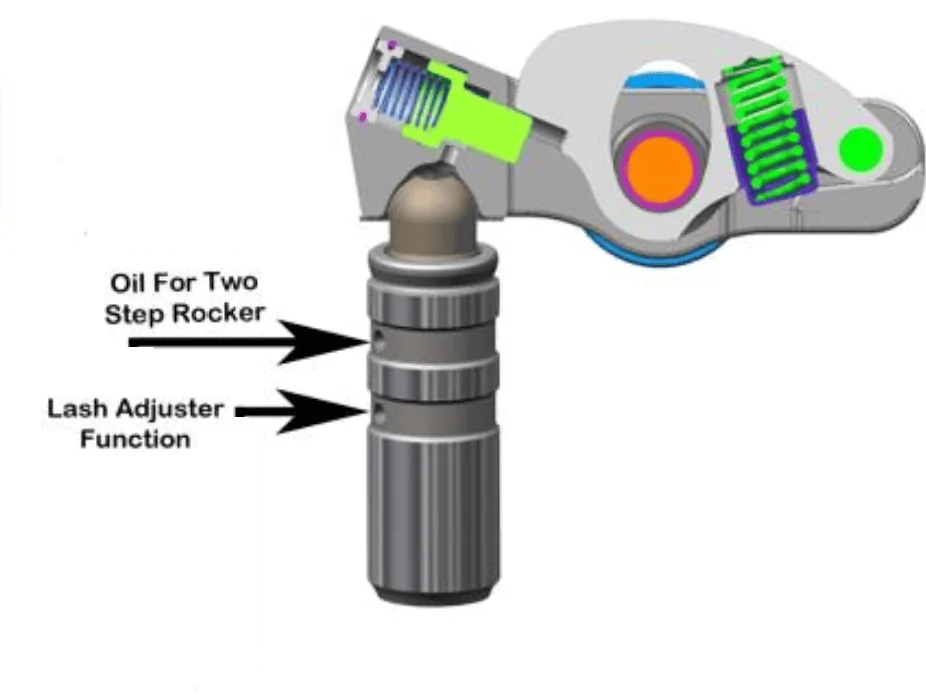
Is the rocker interface always in contact with the big lobe, and it simply does not become static until the high-lift solenoid engages, or does it retract/compress when no oil pressure is applied to the big lobe oil circuit?
 

ShadowsPapa

Well-Known Member
First Name
Bill
Joined
Oct 12, 2019
Threads
247
Messages
40,445
Reaction score
53,880
Location
Runnells, Iowa
Vehicle(s)
'25 JTMX, '23 JLU 4xe, '82 SX4, '73 Javelin
Occupation
Retired auto mechanic, frmr gov't ntwrk security admin
Vehicle Showcase
3
It is not covered by warranty, but I like to replace the exhaust lash adjuster(s) and exhaust to rocker arm(s) that correspond to worn intake lobes on Pentastar upgrade engines that have suffered from intake cam failure when I replace an intake cam and rockers. This is because the oil spray is from the exhaust rocker arm to both exhaust and intake cams, and it is just a little extra work to help ensure oil to the affected cam lobe(s). I also make it a point to make sure that the oil galley plugs in the front of the head are not loose, since oil pressure is affected by loose plugs. I have also seen the plugs missing from the head, causing driveability issues.
That's even better.
And if there's a loose plug, you lose volume of the oil to that circuit as it's leaking out elsewhere, plus the loss of pressure which causes the oil to shoot across to the intake side from the exhaust lash adjusters.

Is the rocker interface always in contact with the big lobe, and it simply does not become static until the high-lift solenoid engages, or does it retract/compress when no oil pressure is applied to the big lobe oil circuit?
The high lift portion "rides" the center cam lobe under only spring pressure. There's a spring inside the intake follower. This way when the oil pressure is released on the pin and it's allowed to move, it has already been following the high lift lobe and once it's on the base circle with the pin released, it can lock into place.
Oil pressure holds the pin pushed back against its spring, pressure released, pin can move out. The high lift arm of the rocker/follower follows the high lift cam lobe but just floating with no real pressure other than the spring pushing it out. There's a bushing around that orange area.
This is shown in high lift mode - pin released so it can lock the rocker up against the high lift cam lobe.

Obviously our resident 3.6 expert @Charles 236 can correct me if I'm off on this.....

Jeep Gladiator Value Train repair kit? 1697310461518
 
OP
OP

Steel24

Well-Known Member
First Name
Bryan
Joined
Jun 14, 2020
Threads
13
Messages
70
Reaction score
43
Location
Madison, WI
Vehicle(s)
JT Gladiator, TJ Rubicon, Jeep SRT
Occupation
Firefighter
Way to go for posting the photos. That's outrageous. I have to agree that unless that EX side oil squirter is clogged, that is 100% a material failure resulting from a manufacturing defect.

Is the rocker interface always in contact with the big lobe, and it simply does not become static until the high-lift solenoid engages, or does it retract/compress when no oil pressure is applied to the big lobe oil circuit?
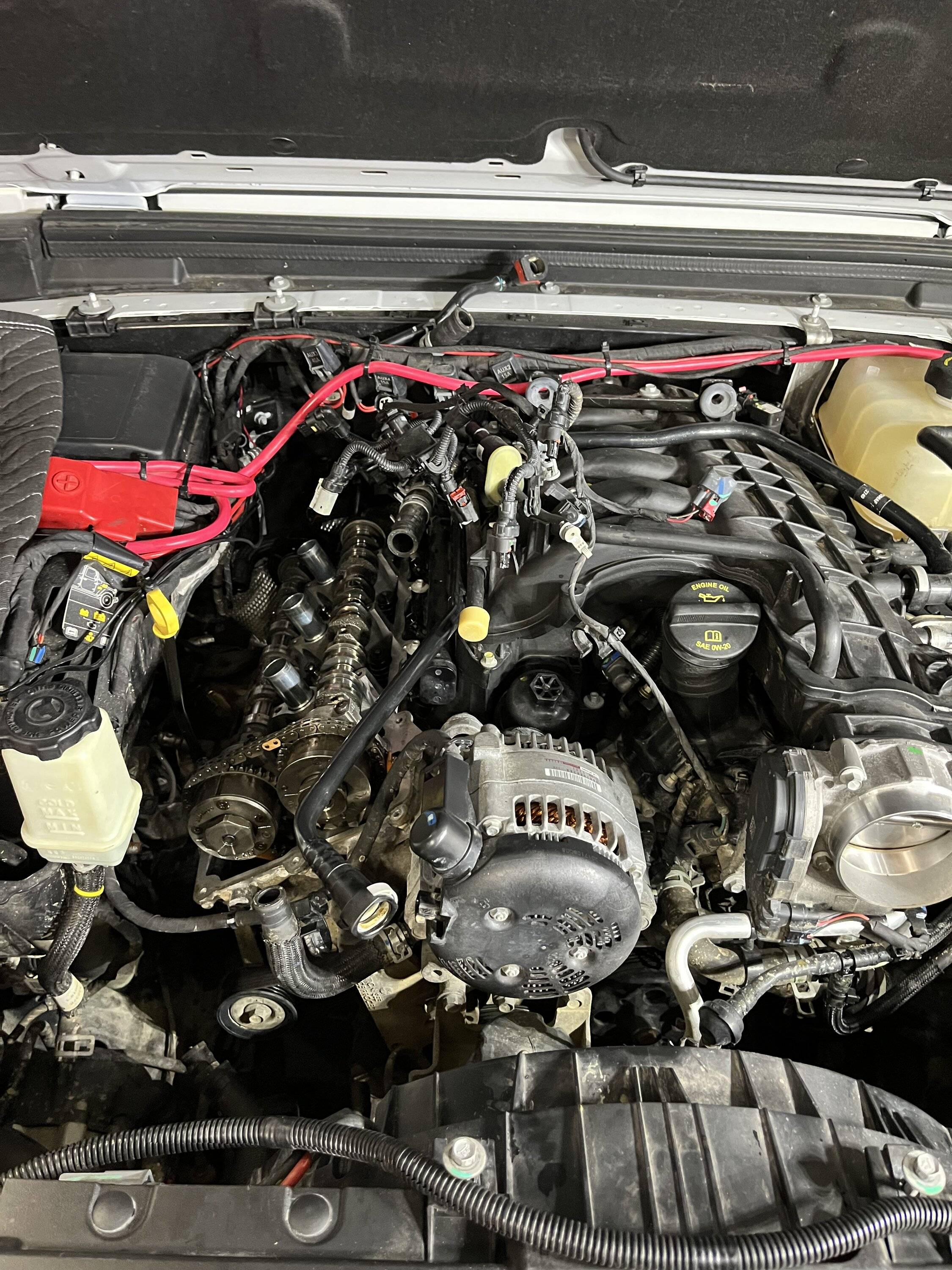
Got the jeep all put back together this morning.
On start up, at first I could hear a pretty good knock. After letting the motor settle in and the oil pressurize the noise subsided and she’s running nice and smooth right now. I drove the jeep for a little bit and just finished an oil change.
That was quite a project.
I’m still puzzled how two jeep dealership mechanics diagnosed my motor as a “lower end knock” and that I needed to replace my motor.
I have no doubt I’ll probably have to do this job again down the road, but I hope it’s not for a long long time.
FCA is a pointless idea and a waste of everyone’s time and effort. They don’t care one bit about the customer.
 

Jagstar

New Member
First Name
Travis
Joined
Aug 28, 2024
Threads
0
Messages
1
Reaction score
0
Location
Folkston, GA
Vehicle(s)
2020 Jeep Gladiator Sport
Occupation
IT Mgr
Is it necessary to remove the TIPM to get the Right (Passenger Side) Valve Cover off?
 

Charles 236

Well-Known Member
First Name
Charles
Joined
Feb 13, 2022
Threads
0
Messages
608
Reaction score
1,229
Location
Greenville, SC
Vehicle(s)
Jeep Gladiator Overland
Occupation
Jeep technician
It is probably possible to get the right side valve cover off without pulling the battery box and TIPM, but it is very tight with it in place. I pulled a few right side valve covers off of 3.6s in JK Wranglers in years past without pulling the battery box and TIPM, but once I decided to pull the box and TIPM out, I have never thought of doing it any other way. Getting the valve cover out is far easier than getting it back in past the box and TIPM without damage to the valve cover gasket. My apprentice tried on a Gladiator and the result was a leak. Now he knows why I removed the battery box and TIPM.
Sponsored


Top