PyrPatriot
Well-Known Member
- Joined
- Oct 27, 2019
- Threads
- 193
- Messages
- 2,668
- Reaction score
- 1,875
- Location
- Kentucky, USA
- Vehicle(s)
- JT Sport S Max Tow; Honda Element
- Thread starter
- #1
Often times I see folks (not here, elsewhere) not considering a lot of factors that affect recovery. From whether winching is better over yanking someone out, to loads and duration. Here is a good article (discussed after the winches)
https://outdoorx4.com/stories/stuck-assessment-recovery-plan/
Some basics:
Winches have a posted rating. That rating is usually with almost all of the winch line out. Your "100 foot" line is closer to 85 ft in reality, because some line has to be wrapped around the drum (usually indicated by red coloring - do not extend out past this indicator, it could pull the rope from the drum entirely). RoundForge has a good database on winches and to help you decide what you need. https://www.roundforge.com/winch-database/
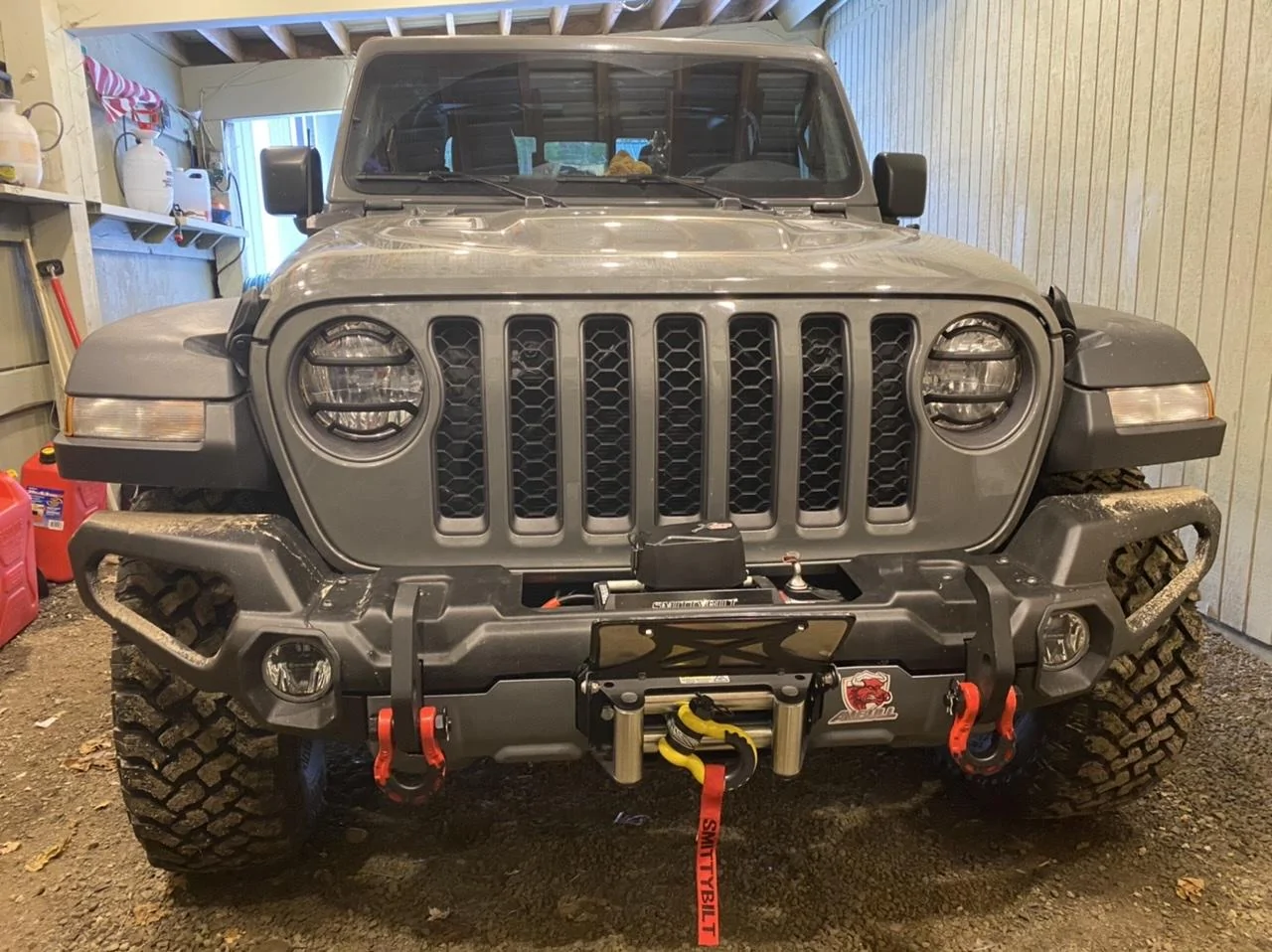
For my Smittybilt X20 10k winch, yes it can theoretically pull 10k pounds, but in reality it should be limited to a vehicle with a GVWR of 6667lbs, because that is the pull power of the top layer of line on the drum. I won't be able to get 10,000lbs until I spool all the way out, and the corresponding pull power decreases with every layer spooled back onto the drum.
Winches also have run-times. You shouldn't just continuously winch in. There is a certain amount of run time and cool-down time needed, similar to air compressors. Or so I have been told, never seen a winch fail for being winched in for too long, but I read about the advantages of having a faster line speed for this reason.
When a vehicle is stuck, there is more force than just the weight of the vehicle. What it is stuck in, how deep, and at what angle can all significantly add weight to the pull. You're only pulling a 6000lb JT when it's on flat, level pavement.
https://outdoorx4.com/stories/stuck-assessment-recovery-plan/
First, add a safety margin. Yes, most engineering things have a "1.5x safety" built into them, but I woulnd't plan on that too much.
Slope Resistance

Some good scenarios in the article. I like the firs tone
I had to pull out a stuck 4Runner. I was the 3rd vehicle to attempt the recovery. The 2011 4Runner has a GVWR of 6300lbs at most. This vehicle had extra armor, larger tires, gear, etc. We'll say it was at GVWR. The Yota had dug himself in to the top of the axles in thick clay mud on a 7-10% downhill slope.
The first vehicle to attempt recovery was a CJ with a 9k winch anchored to another vehicle, it wasn't moving.
The next was a JKU on 37s with a Warn 12k winch, well the winch broke (not the line, the winch).
So I'm up. I actually had to walk back a bit aways as the group didn't think my JT on 35s, with no lockers and no lift, could handle the trail section, so I left my rig behind.
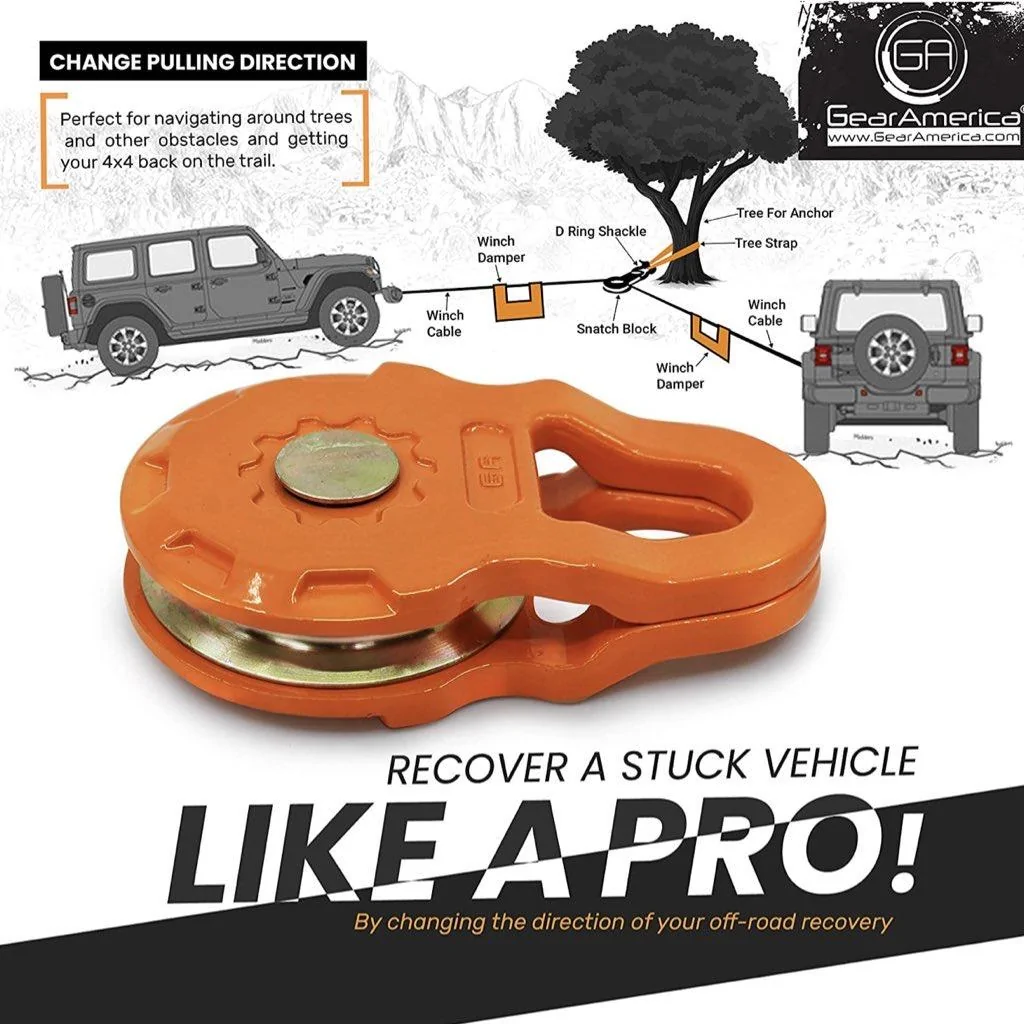
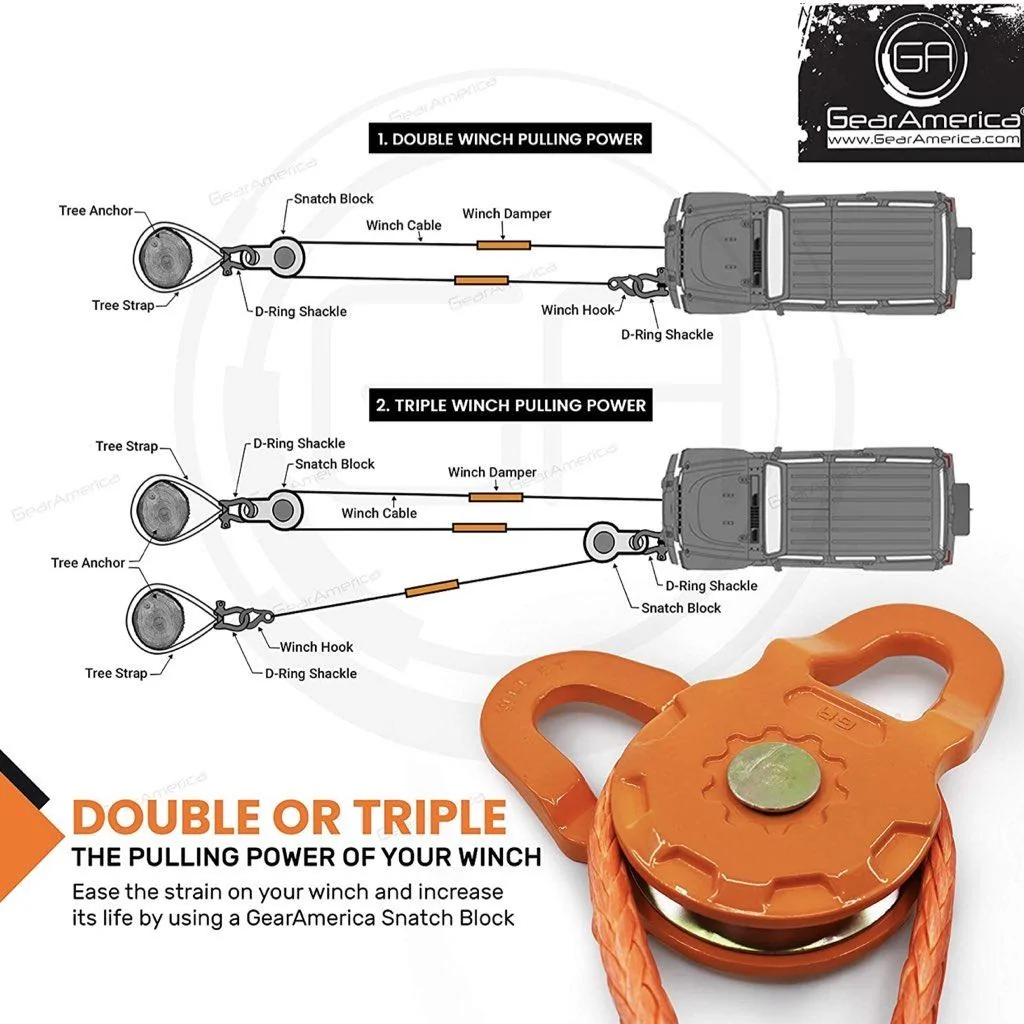
I had to park at an angle to avoid slipping downwards, winched out almost all the way, use a snatchblock, and even when winching in I could tell there was a lot of strain, my rig (weighed at 5970lbs) was actually being pulled down a little, had to keep it in reverse to keep from sliding forward - no, nothing for me to anchor to.
The point is that this was a hard pull. It didn't take long, but it certainly wasn't the same as winching someone stuck in a couple inches of mud.
https://outdoorx4.com/stories/stuck-assessment-recovery-plan/
Some basics:
Winches have a posted rating. That rating is usually with almost all of the winch line out. Your "100 foot" line is closer to 85 ft in reality, because some line has to be wrapped around the drum (usually indicated by red coloring - do not extend out past this indicator, it could pull the rope from the drum entirely). RoundForge has a good database on winches and to help you decide what you need. https://www.roundforge.com/winch-database/
For my Smittybilt X20 10k winch, yes it can theoretically pull 10k pounds, but in reality it should be limited to a vehicle with a GVWR of 6667lbs, because that is the pull power of the top layer of line on the drum. I won't be able to get 10,000lbs until I spool all the way out, and the corresponding pull power decreases with every layer spooled back onto the drum.
Winches also have run-times. You shouldn't just continuously winch in. There is a certain amount of run time and cool-down time needed, similar to air compressors. Or so I have been told, never seen a winch fail for being winched in for too long, but I read about the advantages of having a faster line speed for this reason.
When a vehicle is stuck, there is more force than just the weight of the vehicle. What it is stuck in, how deep, and at what angle can all significantly add weight to the pull. You're only pulling a 6000lb JT when it's on flat, level pavement.
https://outdoorx4.com/stories/stuck-assessment-recovery-plan/
First, add a safety margin. Yes, most engineering things have a "1.5x safety" built into them, but I woulnd't plan on that too much.
Add a Safety Margin. Because there are so many variables inherent to any one type of terrain or recovery situation, consider adding a safety margin to your total resistance calculation. A safety margin of 25% is used in the scenarios outlined in this article.
Slope Resistance
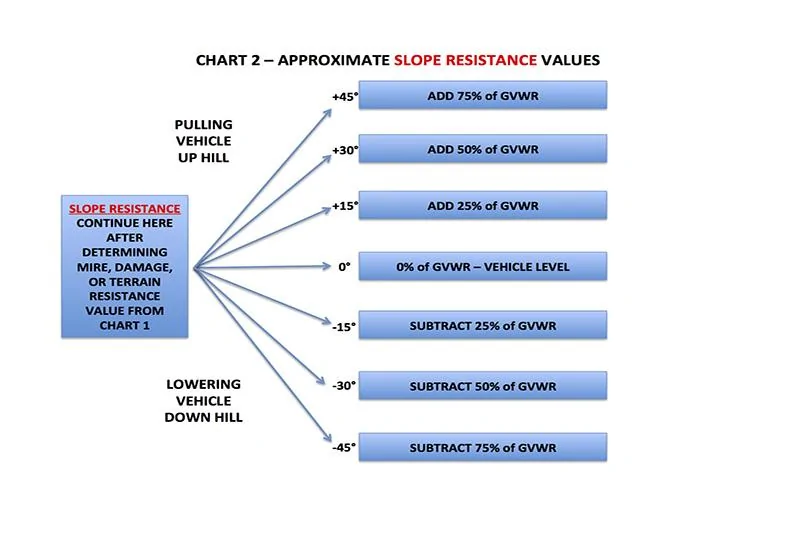
Some good scenarios in the article. I like the firs tone
I will disagree with the mire resistance. For me having to pull something resisting as much as thick mud, I'd say from the feel of pulling other vehicles through mud a couple times, it adds 50% if not more to the weight of the vehicle.General Information for Scenarios One
- You are traveling solo, so self-recovery is needed.
- The Gross Vehicle Weight Rating (GVWR) of the stuck vehicle is 5,000-pounds (like a Jeep TJ).
- The stuck vehicle has a 9,000-pound rated winch.
- The vehicle is stuck up to its wheel hubs in mud, and its wheels are not damaged; it can roll.
- The vehicle is on a 15° slope.
- The initial recovery plan to lower tire pressure and use traction boards has failed to get the vehicle unstuck.
- The secondary recovery plan is to use a winch. Deciding to use a winch, you need to calculate your total recovery load.
- The winch connection is made using a tree as an anchor.
- Find the Mire Resistance. The stuck vehicle is wheel depth mired in mud (stuck up to your axle hubs), so add 100 % of the vehicle’s GVWR = 5,000-pounds.
(Since the vehicle is mired in the mud, you disregard Damage Resistance and Terrain Resistance Values; use the Mire Resistance value ONLY.)
- Find Slope Resistance. The stuck vehicle is on a 15° slope, so the added slope resistance is 25% of the GVWR = 1,250-pounds. Calculation: .25 x 5,000 = 1,250-pounds
- Safety Margin. Add 25% of stuck vehicle’s GVWR to your total resistance calculations. Calculation: .25 x 5,000 = 1,250-pounds
- TOTAL Estimated Resistance. 5,000 Mire Resistance + 1,250 Slope Resistance + 1,250 Safety Margin = 7,500 total pounds of approximated resistance
I had to pull out a stuck 4Runner. I was the 3rd vehicle to attempt the recovery. The 2011 4Runner has a GVWR of 6300lbs at most. This vehicle had extra armor, larger tires, gear, etc. We'll say it was at GVWR. The Yota had dug himself in to the top of the axles in thick clay mud on a 7-10% downhill slope.
The first vehicle to attempt recovery was a CJ with a 9k winch anchored to another vehicle, it wasn't moving.
The next was a JKU on 37s with a Warn 12k winch, well the winch broke (not the line, the winch).
So I'm up. I actually had to walk back a bit aways as the group didn't think my JT on 35s, with no lockers and no lift, could handle the trail section, so I left my rig behind.
I had to park at an angle to avoid slipping downwards, winched out almost all the way, use a snatchblock, and even when winching in I could tell there was a lot of strain, my rig (weighed at 5970lbs) was actually being pulled down a little, had to keep it in reverse to keep from sliding forward - no, nothing for me to anchor to.
The point is that this was a hard pull. It didn't take long, but it certainly wasn't the same as winching someone stuck in a couple inches of mud.
Sponsored
Last edited: