
Sponsored
Maximus Gladius
Well-Known Member
- First Name
- Kevin
- Joined
- Jan 30, 2021
- Threads
- 75
- Messages
- 2,913
- Reaction score
- 3,719
- Location
- Calgary, AB, Canada
- Vehicle(s)
- 2021 JTR, 2023 JTR
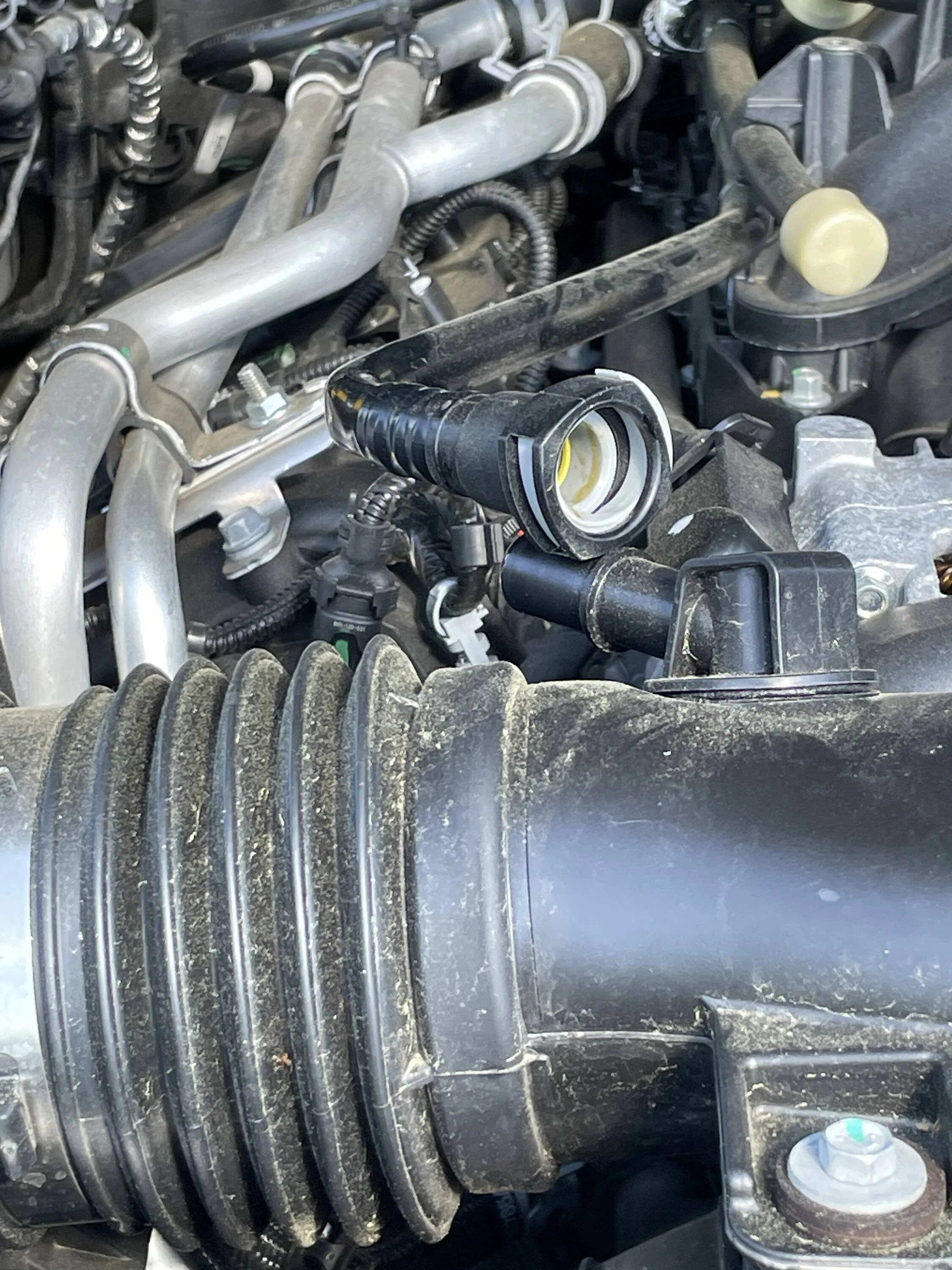
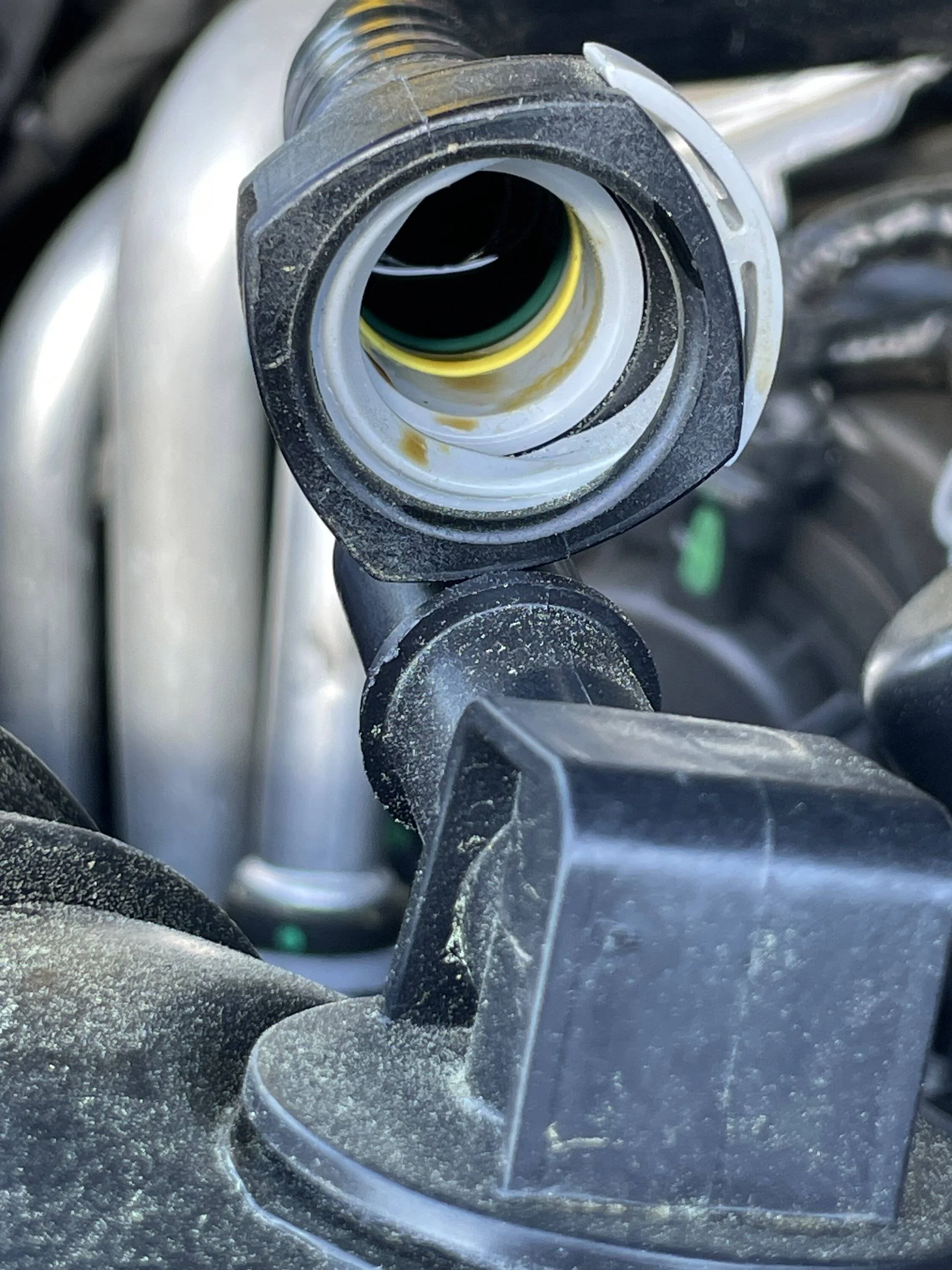
Normal. With the engine running, pull the oil fill cap off. Do you have air blowing out or not? If so, this is called “blowby”.
The oil you see shows your PCV is working. Intake air that bypasses the rings goes into the crankcase. All the moving parts in an engine causes oil mist to mix with the air and is vented out the PCV and back to the intake to reburn.
This micro oil/air mixture travels up the intake tube and will coat the MAF (mass air flow) sensor which is located just before the throttle body at the bend facing forward. At every oil change, twist out the MAF sensor and spray it off with MAF sensor cleaner (use no other cleaner), don’t use brake clean, don’t use your finger or a rag, just spray it off and twist it back in. Your done.
The oil you see shows your PCV is working. Intake air that bypasses the rings goes into the crankcase. All the moving parts in an engine causes oil mist to mix with the air and is vented out the PCV and back to the intake to reburn.
This micro oil/air mixture travels up the intake tube and will coat the MAF (mass air flow) sensor which is located just before the throttle body at the bend facing forward. At every oil change, twist out the MAF sensor and spray it off with MAF sensor cleaner (use no other cleaner), don’t use brake clean, don’t use your finger or a rag, just spray it off and twist it back in. Your done.

ShadowsPapa
Well-Known Member
- First Name
- Bill
- Joined
- Oct 12, 2019
- Threads
- 247
- Messages
- 40,503
- Reaction score
- 54,023
- Location
- Runnells, Iowa
- Vehicle(s)
- '25 JTMX, '23 JLU 4xe, '82 SX4, '73 Javelin
- Occupation
- Retired auto mechanic, frmr gov't ntwrk security admin
- Vehicle Showcase
- 3
Maybe I'm not understanding what you mean by "shows the PCV is working"The oil you see shows your PCV is working.
Air flows INTO that tube from the air filter box, into the crankcase.
Air enters air box, is filtered, and goes to the throttle body. A small amount goes into that tube and into the crankcase to make up for the air being removed by the PCV.
If anything it shows that the PCV valve moved to a closed position either due to extreme vacuum conditions or WOT causing there to be little to no air movement from the large intake tube into that makeup tube to the crankcase. If you hit extremely high vacuum conditions the PCV will close down some, meaning there's little air flowing into that tube. If you are at WOT, it can be a similar condition.
Yes, it's normal, but it's not an indication of a PCV working unless you mean it acting like a valve and either going wide open or closed.
Under certain conditions you may have no air flow, or a reverse air flow, leading to tiny amounts of oil getting to that connector. In that case, it's normal.
All engines have blowby.......... if you have it coming out the oil fill, it's excessive blowby, or you have a faulty PCV system. Even if you don't have air coming out of the oil fill tube - you have blowby - just not enough to overwhelm the PCV.
Maximus Gladius
Well-Known Member
- First Name
- Kevin
- Joined
- Jan 30, 2021
- Threads
- 75
- Messages
- 2,913
- Reaction score
- 3,719
- Location
- Calgary, AB, Canada
- Vehicle(s)
- 2021 JTR, 2023 JTR
Sometimes your brilliance and life time awards and achievements and medals and certificates in all things auto mechanics/mechanical etc doesn’t allow you to try and understand some of us who are “not wrong” but simple in explaining as best as we do. Your intelligence, though far above most is also, not wrong but so advanced that us simple minded folk can’t say anything right or our words are too simple, you can’t figure out what’s being said.Maybe I'm not understanding what you mean by "shows the PCV is working"
Air flows INTO that tube from the air filter box, into the crankcase.
Air enters air box, is filtered, and goes to the throttle body. A small amount goes into that tube and into the crankcase to make up for the air being removed by the PCV.
If anything it shows that the PCV valve moved to a closed position either due to extreme vacuum conditions or WOT causing there to be little to no air movement from the large intake tube into that makeup tube to the crankcase. If you hit extremely high vacuum conditions the PCV will close down some, meaning there's little air flowing into that tube. If you are at WOT, it can be a similar condition.
Yes, it's normal, but it's not an indication of a PCV working unless you mean it acting like a valve and either going wide open or closed.
Under certain conditions you may have no air flow, or a reverse air flow, leading to tiny amounts of oil getting to that connector. In that case, it's normal.
All engines have blowby.......... if you have it coming out the oil fill, it's excessive blowby, or you have a faulty PCV system. Even if you don't have air coming out of the oil fill tube - you have blowby - just not enough to overwhelm the PCV.
You need to try very hard to stop stepping on “simple” explanations that aren’t wrong. Most of us, me included are not text book, class room advanced in all things mechanical, like you however, you still have a very important place in our world, just not always so far up in the clouds that you have to appear intimidating, brilliant and advanced at the expense of making others feel stupid.
Maximus Gladius
Well-Known Member
- First Name
- Kevin
- Joined
- Jan 30, 2021
- Threads
- 75
- Messages
- 2,913
- Reaction score
- 3,719
- Location
- Calgary, AB, Canada
- Vehicle(s)
- 2021 JTR, 2023 JTR
The best I can explain about the PCV is working is by the evidence of oil appearing where the OP shows it. My very limited understanding of the exact mechanical physics tells me that if the PCV was all plugged up and not allowing the pressure build up in the crankcase to come through the valve, the pressure would work its way out some other vulnerable point which typically would be a seal and then you’d see a different photo from the OP showing an oil leak on the external side of a seal. I am 100% speculating this and I also know I’m 100% correct. Am I close to being right here or am I out in left field?
Sponsored

Lunentucker
Well-Known Member
It's normal.
Some of us use a catch can to trap it from getting back into the intake.
There was also a kinda weird TSB with a PCV valve that costs3X as much as the original, but the parts lookups still show the original part number. The TSB seems to be the only place it shows up.
View attachment MC-10227734-9999.pdf
Some of us use a catch can to trap it from getting back into the intake.
There was also a kinda weird TSB with a PCV valve that costs3X as much as the original, but the parts lookups still show the original part number. The TSB seems to be the only place it shows up.
View attachment MC-10227734-9999.pdf
OP
OP
evoarie
Member
- Thread starter
- #7
Thanks for the responses. This being the make up air hose, I thought it strange to see oil at that location.
Do catch cans take the make up air hose into account? I would not think they reroute the make up air hose as well.
Who makes a well made, proven catch can specific for our jeeps?
I had thought at one point that maybe these cans were inducing more by flow product. But after seeing oil at this location, it now is on my radar and requires a solution. It’s concerning when considering long term ownership.
Thanks again Gent.
It does not look like that bulletin applies to me. But I see you pcv part numbers.
2023 JTR, 7,000 mi, Factory fill has been removed, still on first oil change.
Do catch cans take the make up air hose into account? I would not think they reroute the make up air hose as well.
Who makes a well made, proven catch can specific for our jeeps?
I had thought at one point that maybe these cans were inducing more by flow product. But after seeing oil at this location, it now is on my radar and requires a solution. It’s concerning when considering long term ownership.
Thanks again Gent.
It does not look like that bulletin applies to me. But I see you pcv part numbers.
2023 JTR, 7,000 mi, Factory fill has been removed, still on first oil change.

jmr
Well-Known Member
- First Name
- Jim
- Joined
- May 25, 2024
- Threads
- 9
- Messages
- 213
- Reaction score
- 419
- Location
- Wentzville, MO
- Vehicle(s)
- '24 JL Unlimited Rubicon, '25 JT Mojave
- Occupation
- Software Developer
That's a air intake temp sensor in the intake tube. These don't use mass air flow sensors.
Maximus Gladius
Well-Known Member
- First Name
- Kevin
- Joined
- Jan 30, 2021
- Threads
- 75
- Messages
- 2,913
- Reaction score
- 3,719
- Location
- Calgary, AB, Canada
- Vehicle(s)
- 2021 JTR, 2023 JTR
Good to know! Thanks for clarifyingThat's a air intake temp sensor in the intake tube. These don't use mass air flow sensors.
Maximus Gladius
Well-Known Member
- First Name
- Kevin
- Joined
- Jan 30, 2021
- Threads
- 75
- Messages
- 2,913
- Reaction score
- 3,719
- Location
- Calgary, AB, Canada
- Vehicle(s)
- 2021 JTR, 2023 JTR
I’ve seen this video and I think this guy presents the issue and explanation very well.Who makes a well made, proven catch can specific for our jeeps?
I had thought at one point that maybe these cans were inducing more by flow product. But after seeing oil at this location, it now is on my radar and requires a solution. It’s concerning when considering long term ownership.
My understanding of a “catch can” though very “elementary” but good enough to get me through, is that the catch can isn’t inducing or creating “more by flow product” but capturing the micro oil in the air from the crankcase coming through the PCV, passing through the catch can, micro droplets of the oil are captured, collected by the steel wool or medium inside the can and the air is filtered there and the cleaner air then passes then on through the intake tube and the rest is history.
If your concern is that this oil is making its way to the valves (intake and exhaust) and carboning up and baking on there which creates a hardened mess of the valves….its not. Your injectors are spraying gas onto the valves which keeps them clean.
The oil can however make a mess of deposits on your spark plugs and a comment made by my shop Forman recently looking at my #5 plug all mucked up that caused a misfire at 60k kms, to say “this plug looks normal and this is what we see when pulling plugs from these engines” and the talk also included blowby and having non is better than a massive flow of air jetting out the oil fill cap when the engine is on….this is why I asked you if you tried that experiment with engine on and oil cap off, do you have air blowing out that hole or not… air blowing out the hole means rings are not seated properly (you don’t want but you do want your PCV to be “WORKING, or “doing its job” as it should so that crankcase pressure doesn’t blow out seals like the rear main seal and possibly others) …and no evidence of air (what you do want) felt at that hole means rings are seated very well. Now I know this explanation of mine can confuse the elite here but when I say “I don’t have Blowby”, I can hold a feather over the oil fill hole with the engine running and the feather shows no sign of air blowing out that hole.
However, technically @ShadowsPapa is correct when he says “we all have Blowby” and he would be right to have learned that even though you can’t “feel air” blowing out that hole, there is micro amounts of air (that can’t be felt) that is still seeping out that oil fill hole or also passing through the PCV that’s “WORKING” or doing it’s job as intended, but in my case the micro amount of Blowby I have still shows some oil seepage at that joint you show in your photo and if I also look into my intake tube, there is evidence of some oil seepage in there where the PCV air joins the air intake tube and then look further up the tube to the throttle body and my throttle body is clean. I don’t think I would capture much in a can.
Now then, I know I’ve said a lot but your concern is legitimate and it involves knowing what’s going on in order to make an informed decision to run a catch can.
Sponsored
Maximus Gladius
Well-Known Member
- First Name
- Kevin
- Joined
- Jan 30, 2021
- Threads
- 75
- Messages
- 2,913
- Reaction score
- 3,719
- Location
- Calgary, AB, Canada
- Vehicle(s)
- 2021 JTR, 2023 JTR
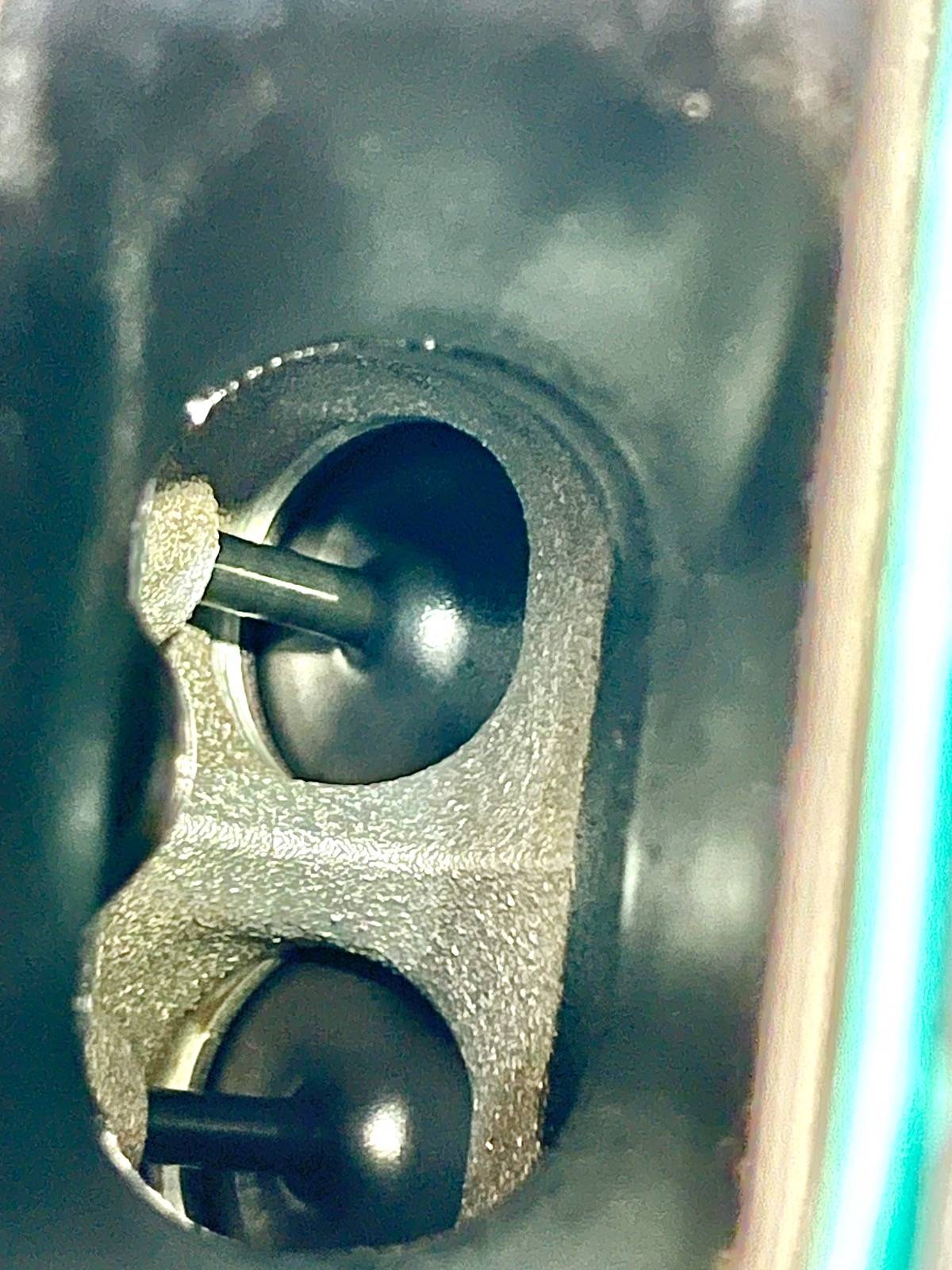
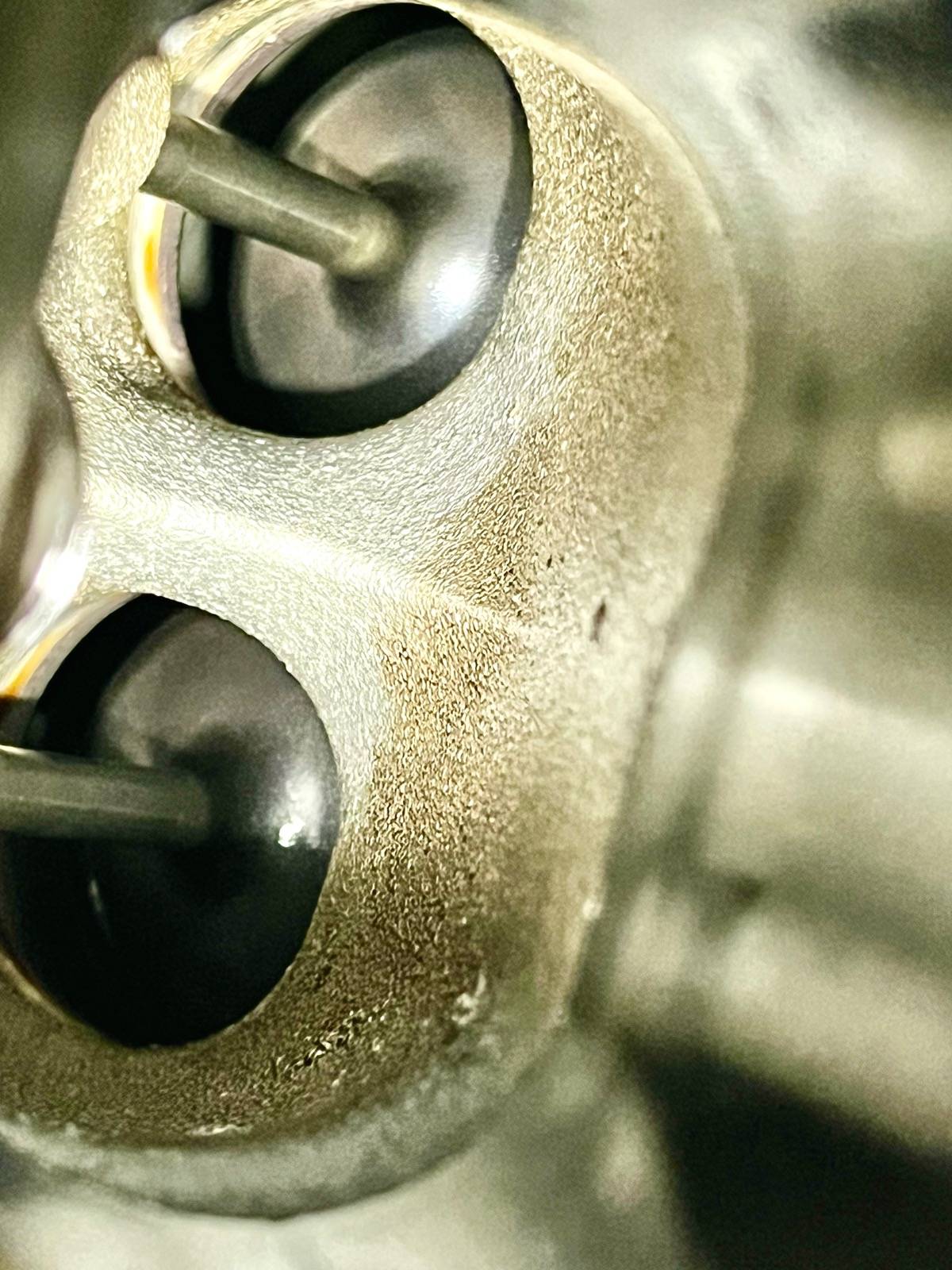
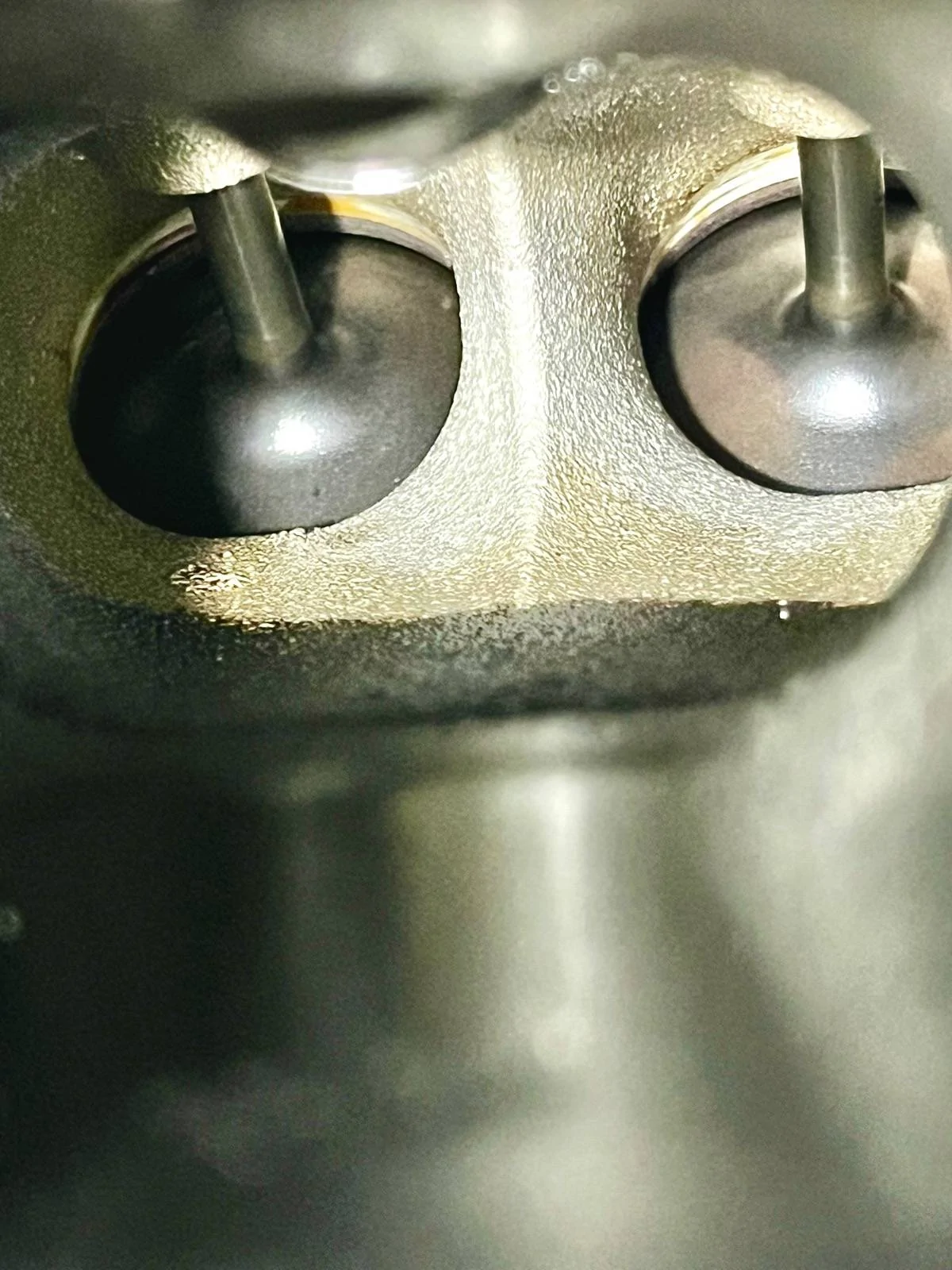
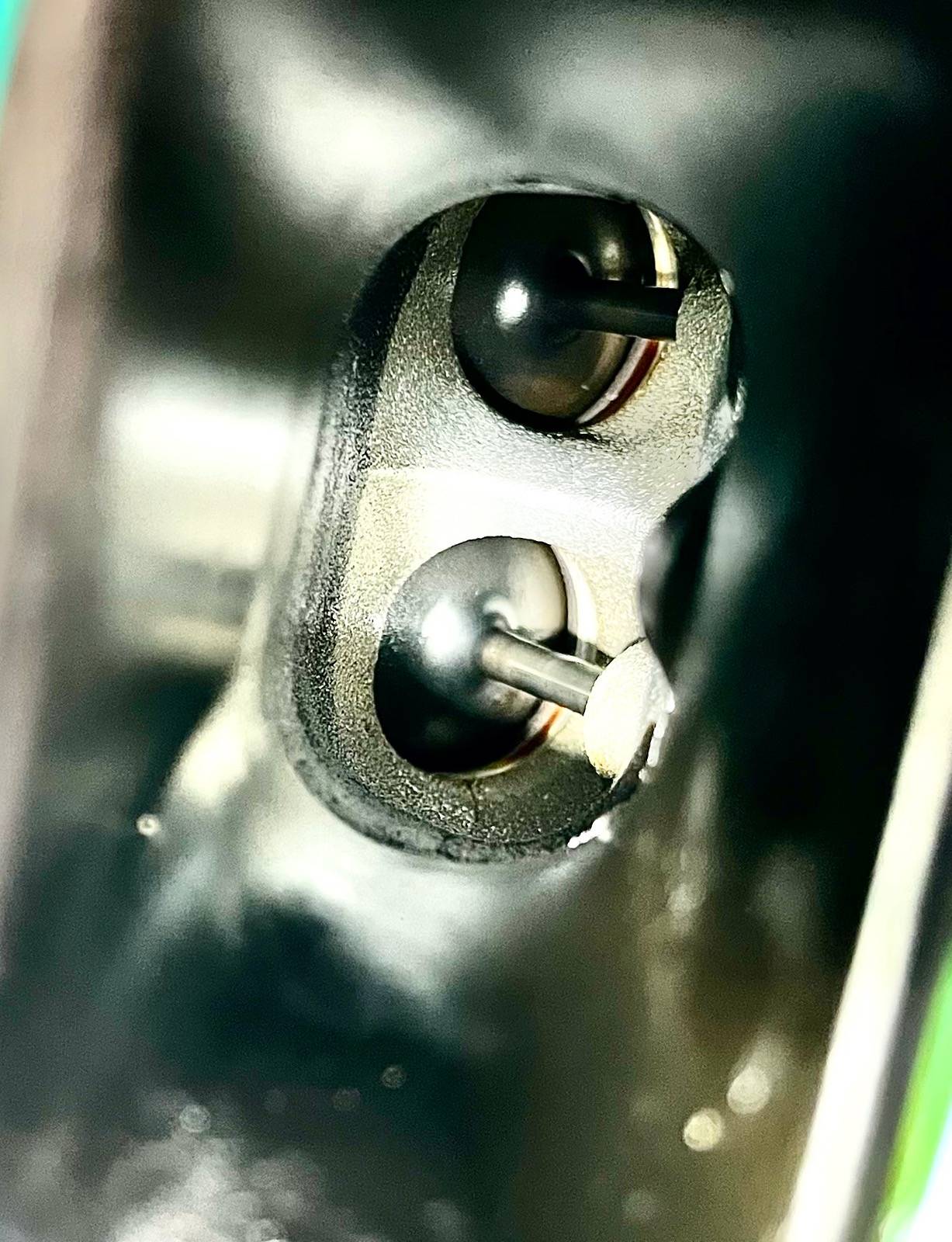
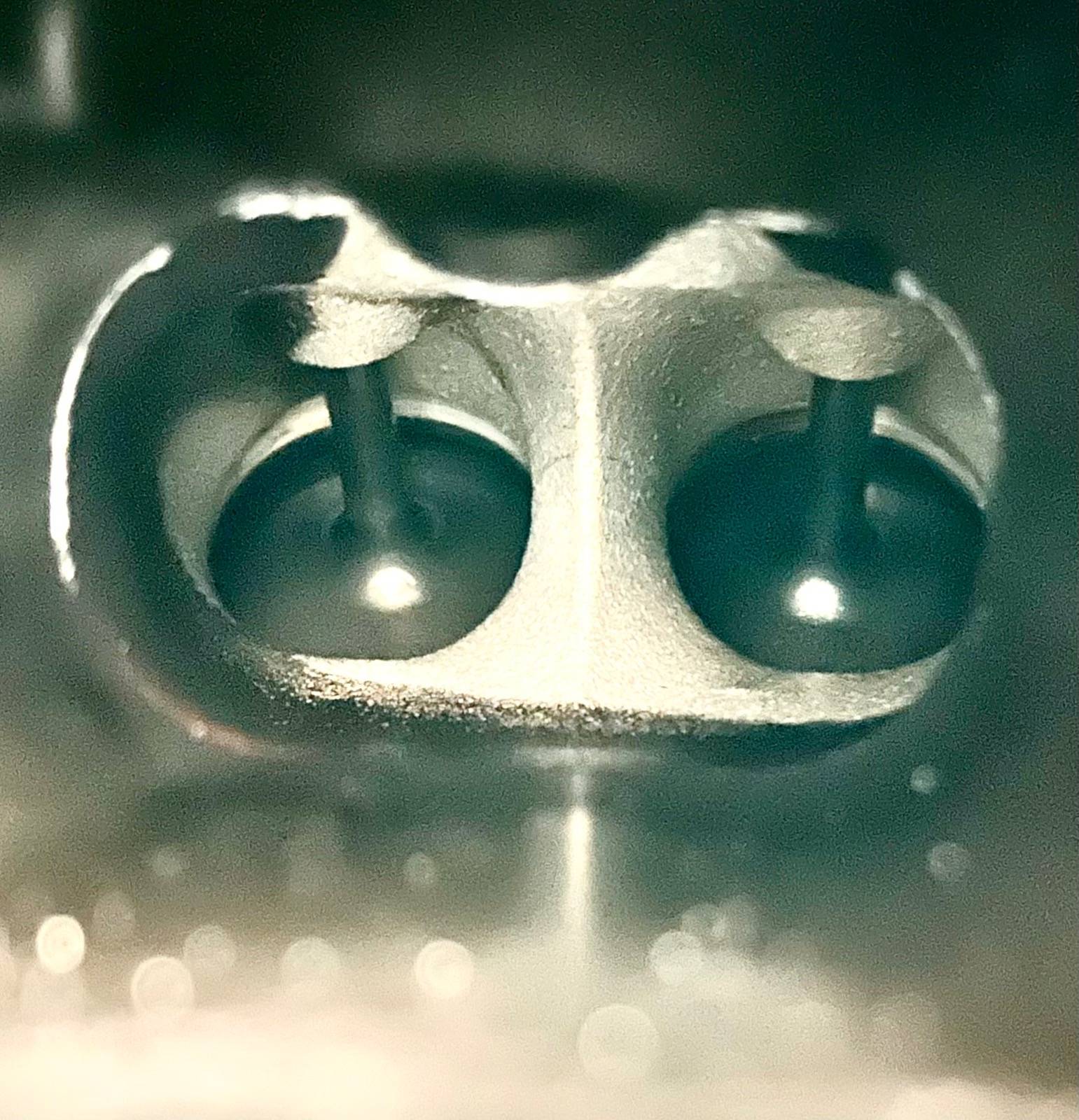
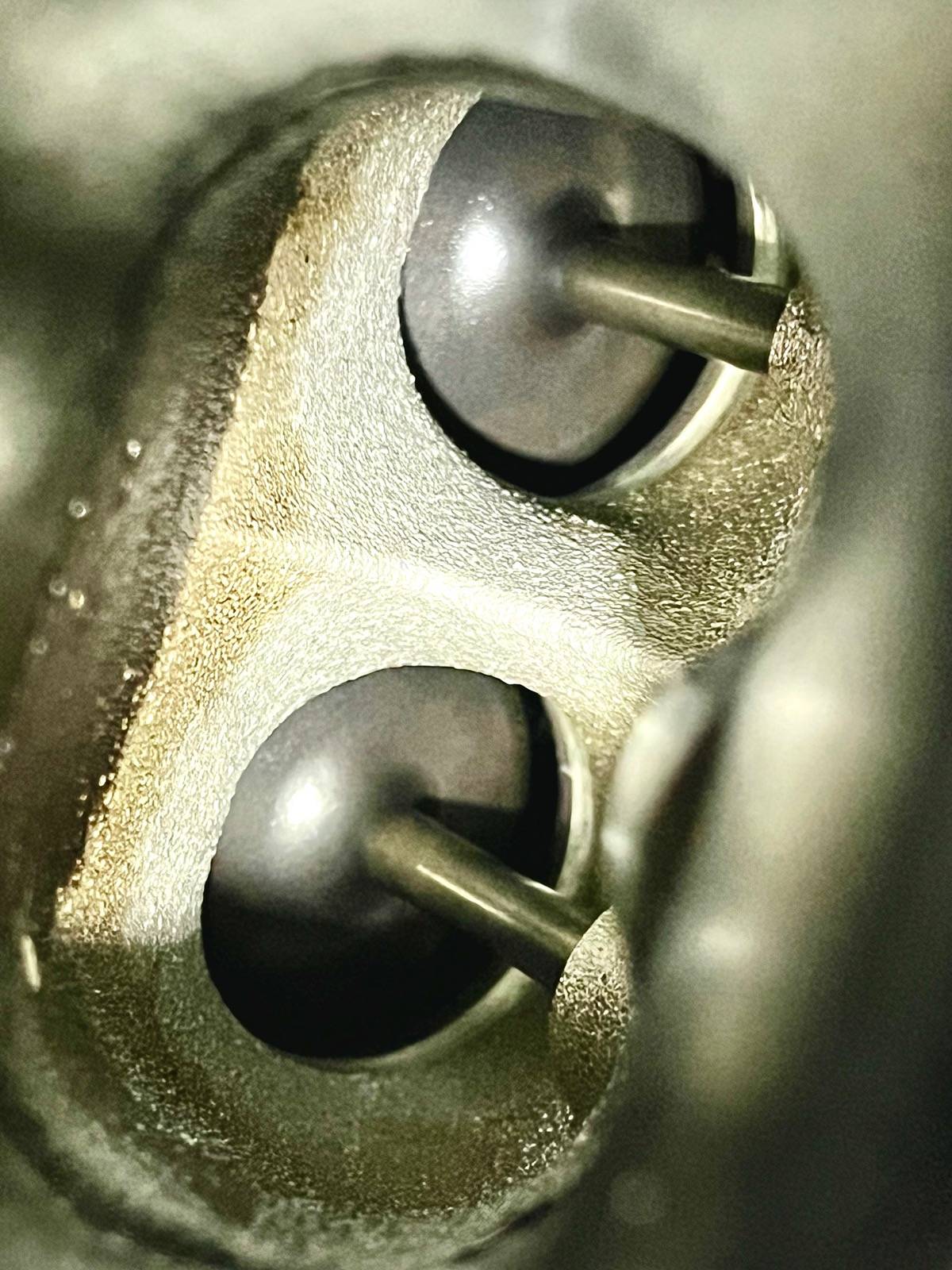
This is what our valves look like. Just this last week, I replaced all my iridium spark plugs at 60k kms which involved taking off the upper intake manifold and taking a photo of all the valves. This shows you how clean all our valves are.


Maximus Gladius
Well-Known Member
- First Name
- Kevin
- Joined
- Jan 30, 2021
- Threads
- 75
- Messages
- 2,913
- Reaction score
- 3,719
- Location
- Calgary, AB, Canada
- Vehicle(s)
- 2021 JTR, 2023 JTR
Now, you might look at these photos and say, “but I see oil residue in the valve ports or around the walls of the valve areas” and you’d be right.
I had the most unfortunate circumstance of receiving my second engine overfilled with 12L of oil mistakenly put in by the engine installing tech and I ran that engine hard for the first 1567kms before I changed the oil myself and discovered this horror. And the PCV was doing its job by sending a massive amount of oil into my intake, filling up the throttle body, filling up the intake manifold and down the runners to the cylinders. Truck went back in to get this mess cleaned up and I think the photos show just how well the cleanup was.
I like things clean and working right. The intake was still a mess and with it off, I sprayed a good bunch of brake cleaner in there and shook it up a few times and dumped out a ton of crap that only disappointed me again. But with it all cleaned according to me and new plugs and a new PCV, we shall see what it looks like in a couple years from now.
I had the most unfortunate circumstance of receiving my second engine overfilled with 12L of oil mistakenly put in by the engine installing tech and I ran that engine hard for the first 1567kms before I changed the oil myself and discovered this horror. And the PCV was doing its job by sending a massive amount of oil into my intake, filling up the throttle body, filling up the intake manifold and down the runners to the cylinders. Truck went back in to get this mess cleaned up and I think the photos show just how well the cleanup was.
I like things clean and working right. The intake was still a mess and with it off, I sprayed a good bunch of brake cleaner in there and shook it up a few times and dumped out a ton of crap that only disappointed me again. But with it all cleaned according to me and new plugs and a new PCV, we shall see what it looks like in a couple years from now.

willys 41
Well-Known Member
- First Name
- Larry Olund
- Joined
- Oct 12, 2022
- Threads
- 1
- Messages
- 446
- Reaction score
- 442
- Location
- Pleasanton Ca.
- Vehicle(s)
- 2020 Jeep Willys
- Occupation
- Machinist / Auto Technician
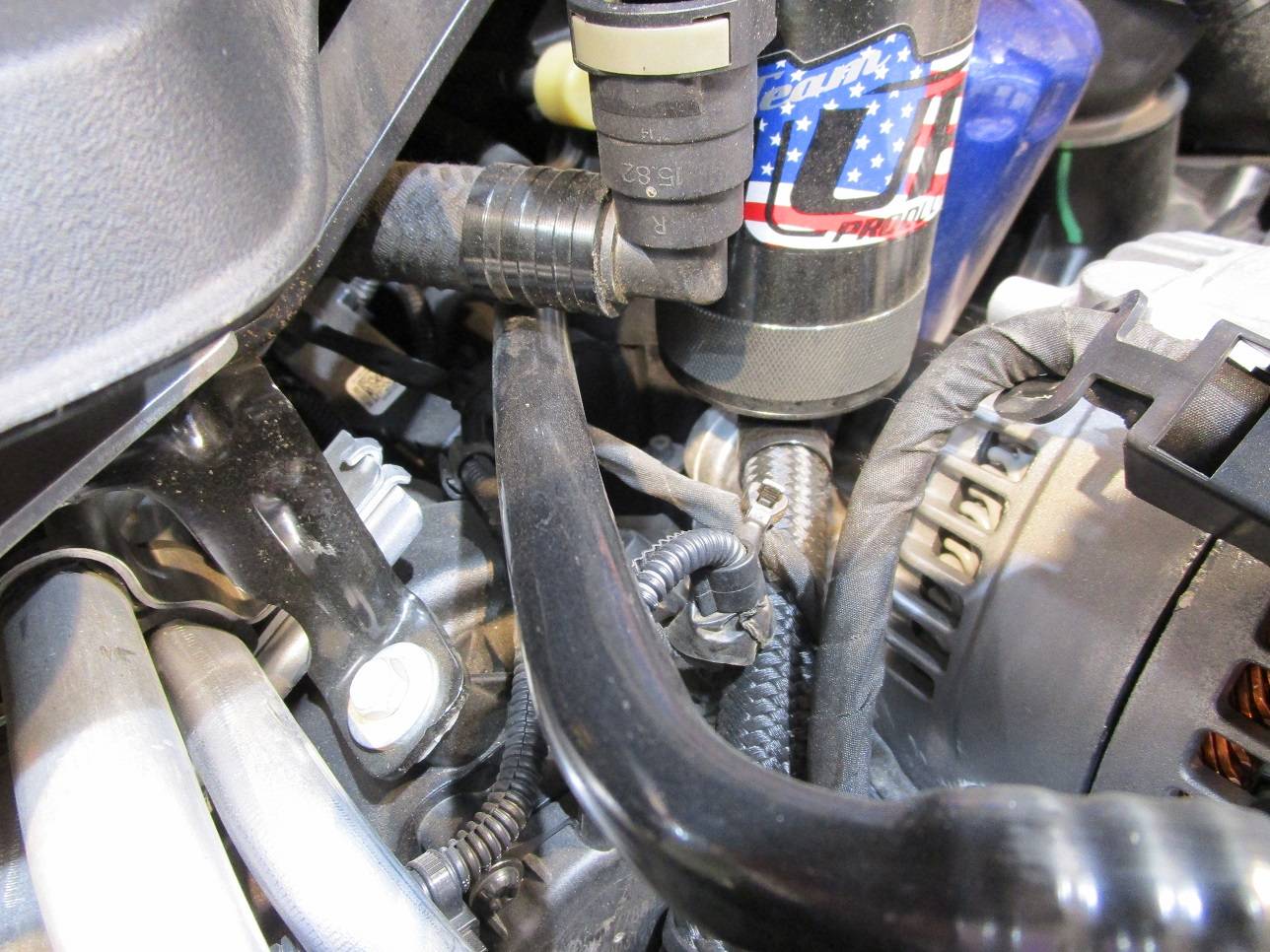
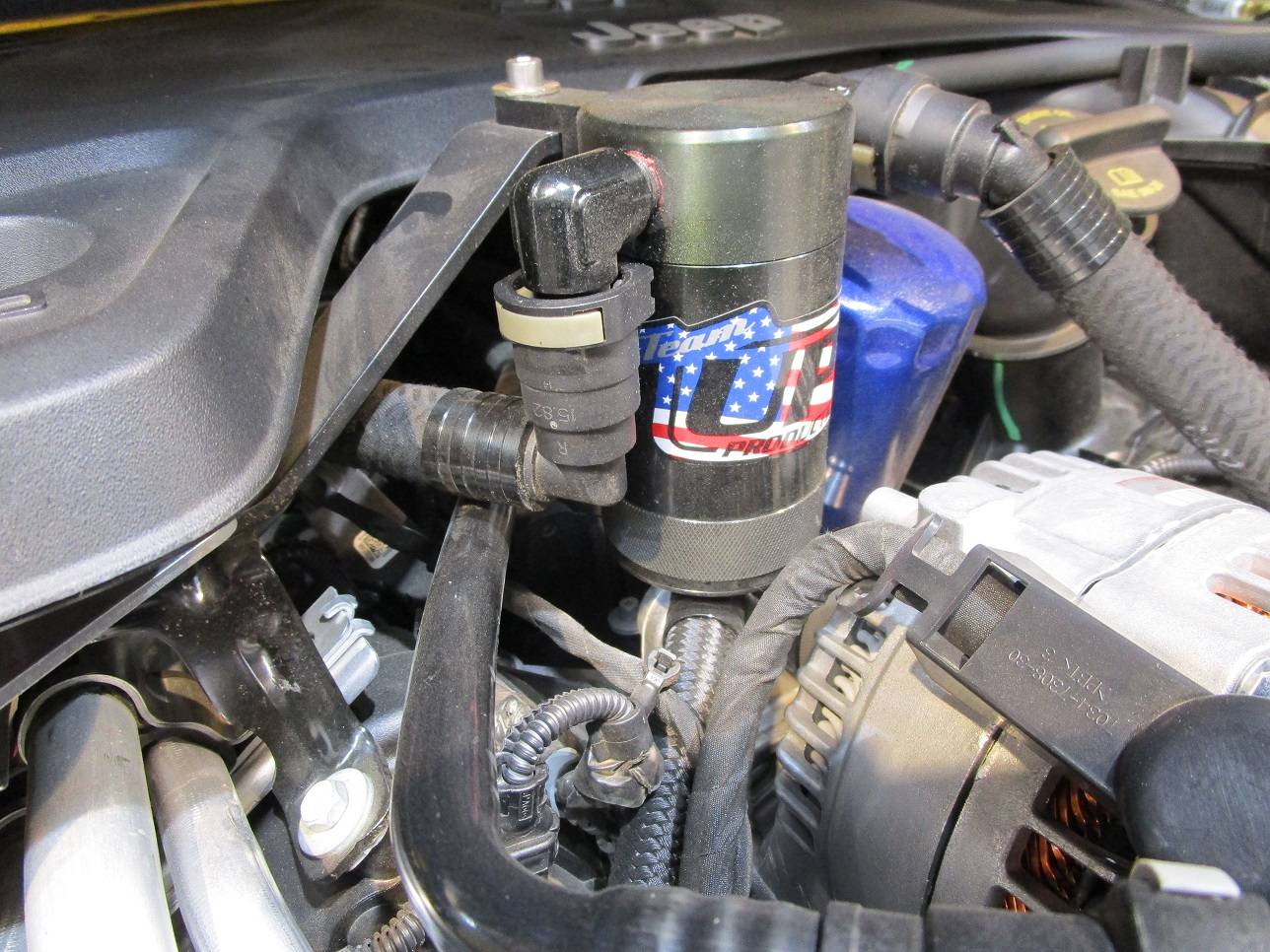
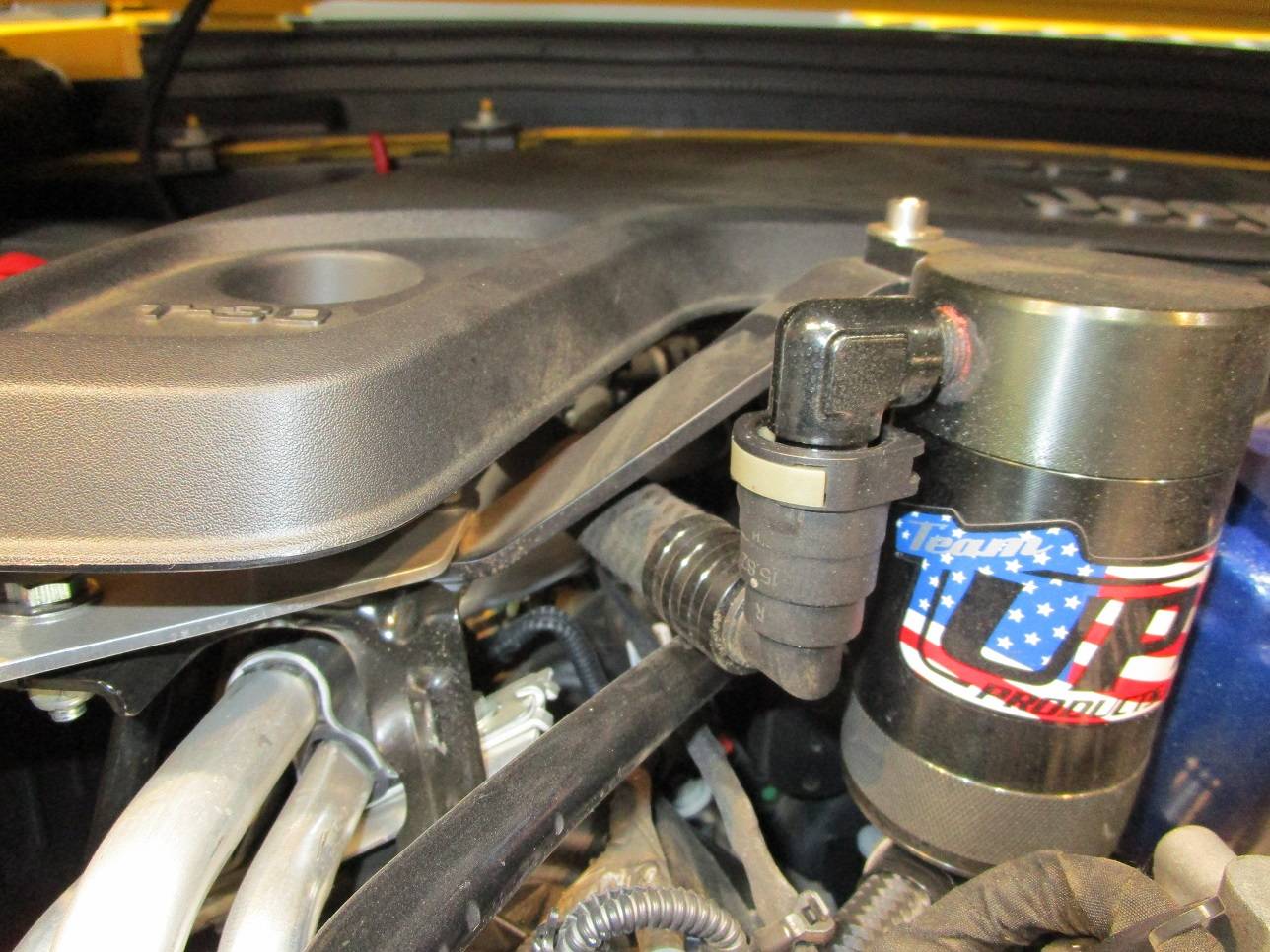
I installed a UPR catch can and was amazed at the amount of dirty oil it collected.Thanks for the responses. This being the make up air hose, I thought it strange to see oil at that location.
Do catch cans take the make up air hose into account? I would not think they reroute the make up air hose as well.
Who makes a well made, proven catch can specific for our jeeps?
I had thought at one point that maybe these cans were inducing more by flow product. But after seeing oil at this location, it now is on my radar and requires a solution. It’s concerning when considering long term ownership.
Thanks again Gent.
It does not look like that bulletin applies to me. But I see you pcv part numbers.
2023 JTR, 7,000 mi, Factory fill has been removed, still on first oil change.
It keep the dirty oil / water out of the intake air witch can degrade the octane levels in the fuel.
It totally eliminated the spark knock / pining I was having.
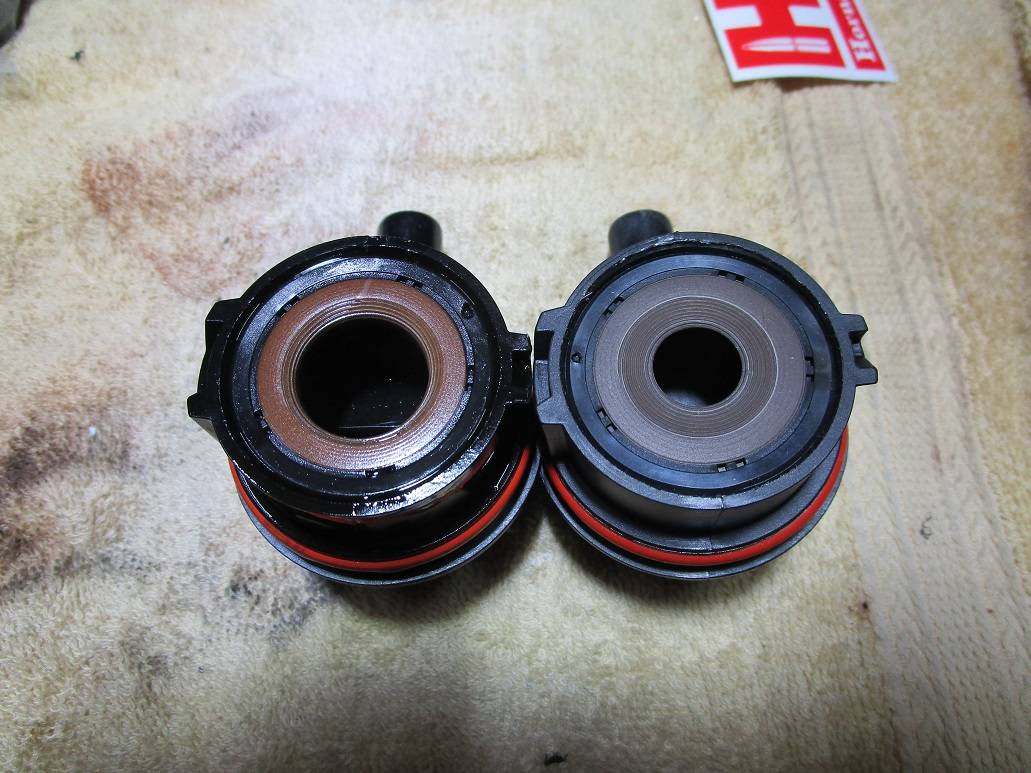
I also installed the updated PCV valve put it made NO difference on the amount of oil the can collected. It is NOT a fix.
Caution. You must empty the can often to avoid oil being sucked in to the engine.
I drain mine every 1000 miles.
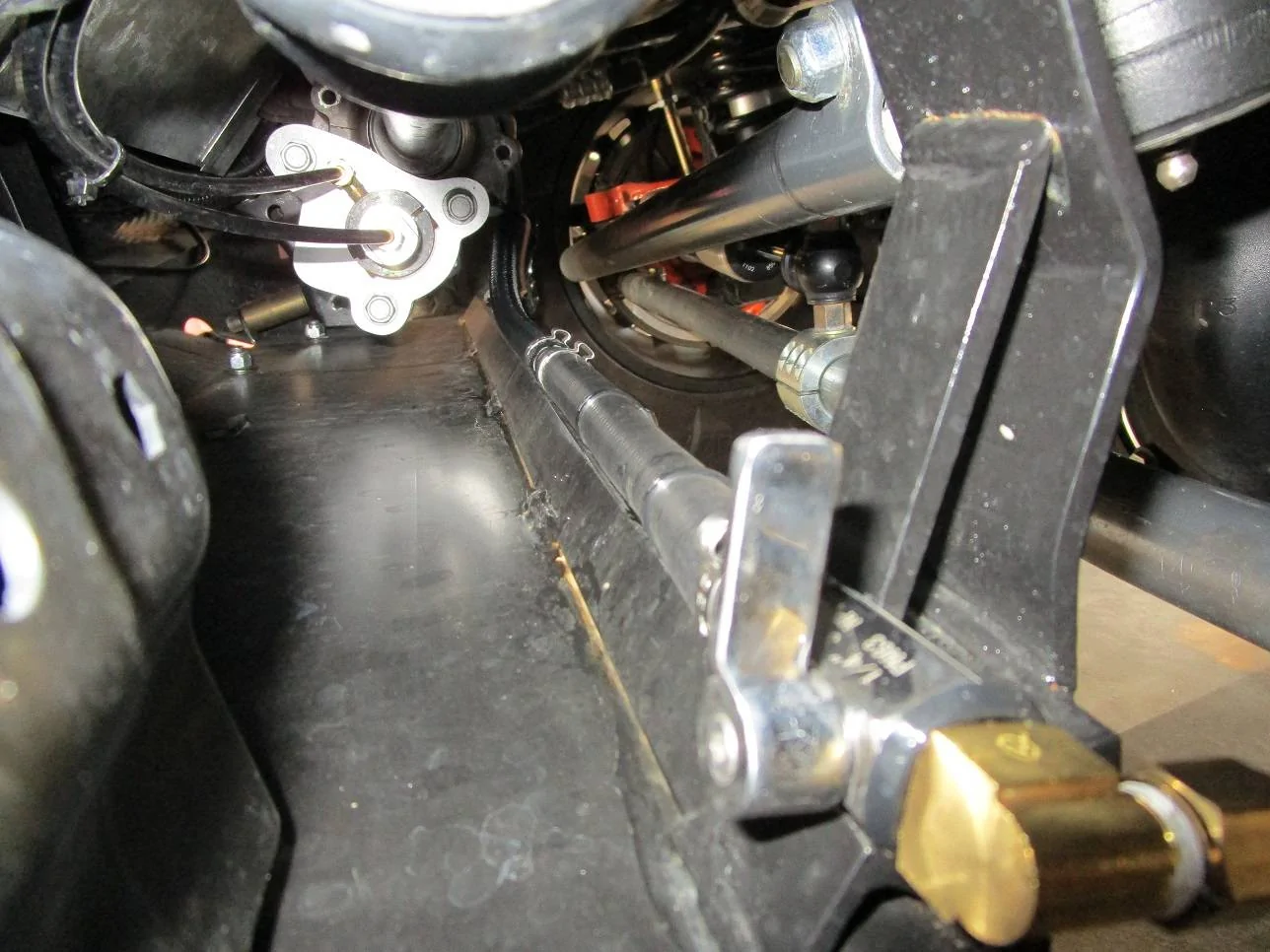
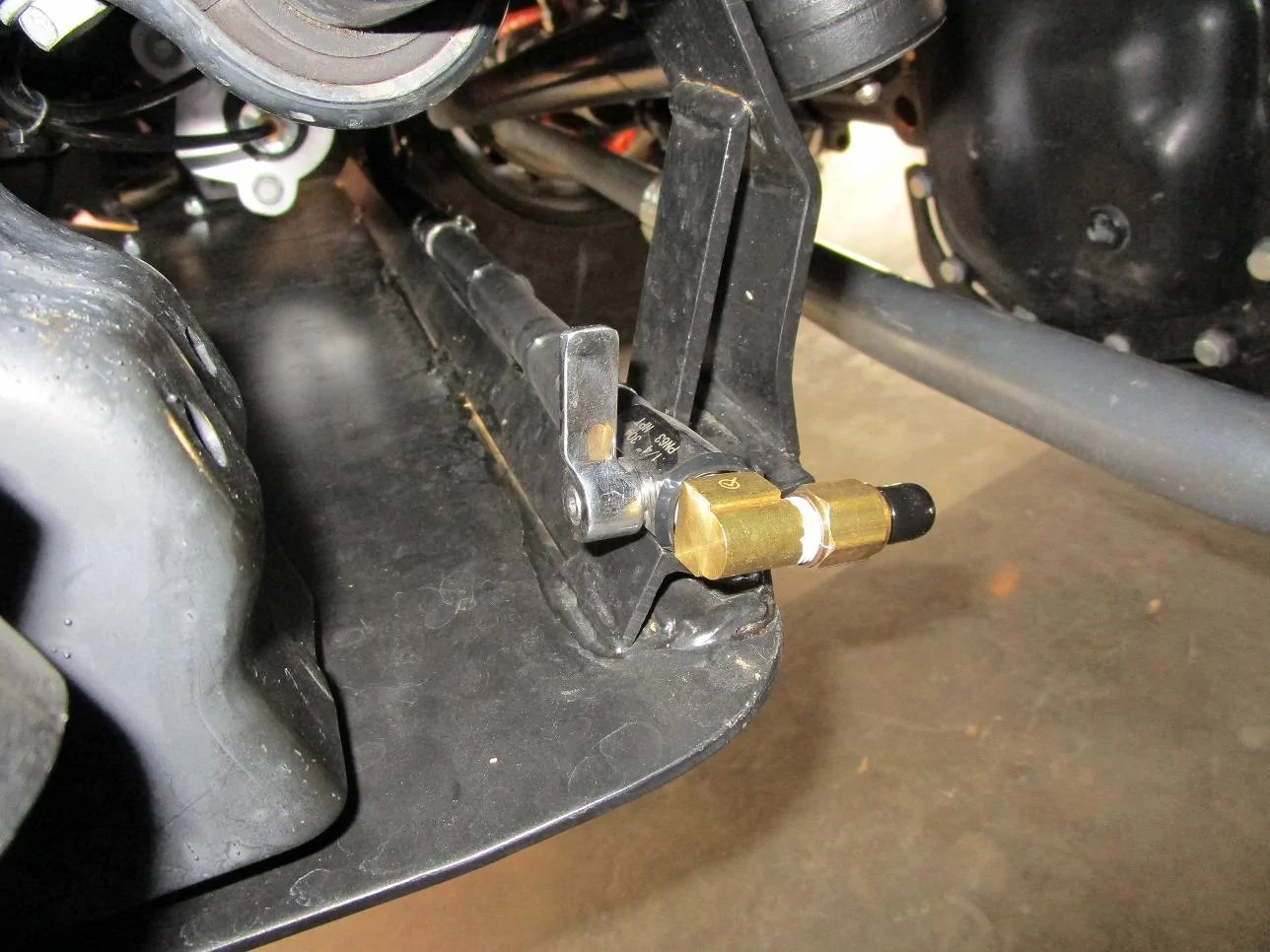
What I did was add a 4ft. 1/2in drain hose with a ball valve at the end of the hose to the bottom of the can doubling its capacity and making it easy to drain. I have no oil in the can its all in the drain hose.
I remounted the can up higher to accommodate the drain hoes.
Maximus Gladius
Well-Known Member
- First Name
- Kevin
- Joined
- Jan 30, 2021
- Threads
- 75
- Messages
- 2,913
- Reaction score
- 3,719
- Location
- Calgary, AB, Canada
- Vehicle(s)
- 2021 JTR, 2023 JTR
Super cleaver setup you ran. Nice and clean.I installed a UPR catch can and was amazed at the amount of dirty oil it collected.
It keep the dirty oil / water out of the intake air witch can degrade the octane levels in the fuel.
It totally eliminated the spark knock / pining I was having.
I also installed the updated PCV valve put it made NO difference on the amount of oil the can collected. It is NOT a fix.
Caution. You must empty the can often to avoid oil being sucked in to the engine.
I drain mine every 1000 miles.
What I did was add a 4ft. 1/2in drain hose with a ball valve at the end of the hose to the bottom of the can doubling its capacity and making it easy to drain. I have no oil in the can its all in the drain hose.
I remounted the can up higher to accommodate the drain hoes.


willys 41
Well-Known Member
- First Name
- Larry Olund
- Joined
- Oct 12, 2022
- Threads
- 1
- Messages
- 446
- Reaction score
- 442
- Location
- Pleasanton Ca.
- Vehicle(s)
- 2020 Jeep Willys
- Occupation
- Machinist / Auto Technician
Thanks.Super cleaver setup you ran. Nice and clean.
My original plan was to install a another can with a site glass and drain on the frame but I could not find a good place to mount it.
Sponsored


