DC3
Well-Known Member
- First Name
- Carl
- Joined
- Jul 14, 2020
- Threads
- 47
- Messages
- 367
- Reaction score
- 938
- Location
- Willmar, MN
- Website
- dilabs.cc
- Vehicle(s)
- '21 JT GDE Ecodiesel, 22 Polestar 2
- Occupation
- engineer
- Thread starter
- #1
I posted some of this in my P00AF thread but wanted to create a dedicated post to share my EcoDiesel experience. I couldn’t find any documented cases of a Gen3 EcoDiesel replacement, so hopefully this helps others. I truncated the details and story to keep it simple but I am happy to answer questions. The key takeaway for me is that if you have EcoDiesel issues, schedule the appointments and get it on record. I have a tendency to perform repairs myself because of past dealership incompetence experiences but that could be a costly mistake in a situation like this.
Background
I bought my 2021 EcoDiesel Gladiator new in October 2022. I came from a 2020 supercharged 3.6 Gladiator and was immediately impressed with the power delivery of the EcoDiesel.
I run 37s and tow a small trailer across the country (Minnesota to the East Coast). To ensure long-term reliability, I installed a bypass oil filter and cooler and change the oil about every 5k miles.
Early Issues
Within the first few thousand miles, I noticed mild coolant consumption. It wasn’t alarming, but definitely more than expected. Around 10k miles I also started getting P00AF codes when towing — that’s when I began my cross-country trips.
I took it to a dealer for both issues. They couldn’t replicate the P00AF and found no coolant leaks after testing.
The coolant loss and P00AF continued for about 36k miles until the high-pressure EGR cooler was replaced. Even after removal, the dealer tech said it wasn’t clear if it had been leaking. About 1,000 miles later, I had a severe overheat and found the coolant expansion tank empty.
After that, overheating became a pattern when towing. Coolant would reach around 235°F, then spike to redline. Oil temps were typically 245–250°F during these events, but sometimes lower. It always happened after long, loaded runs with 25+ psi boost.
Troubleshooting
I ruled out the thermostat and found air in the coolant system. A block test showed combustion gases in the coolant — though inconsistently. It would always fail during a stationary regen.
I scheduled dealer visits and provided all my diagnostic data. The first dealer found no leaks but claimed the hoses needed replacing due to dried coolant stains under the tank. They said they had “one of the best techs in the country” and dismissed my findings.
A second dealer also found no leaks and let the Jeep sit for a month, doing only a pressure test.
Failure on the Road
During a trip to Tennessee in August, both overheating and P00AF codes worsened. Halfway back, near Chicago, I lost all boost and had several low-boost codes but nothing electrical.
I cleaned the MAP sensor — no luck. Tried to find a replacement, but none available. A dealer in southern Wisconsin blamed my AFE air filter and charge pipes, saying they were “soft.” Since both were aftermarket, they wouldn’t help.
After six hours of troubleshooting, I drove the remaining 450 miles home without boost, towing the trailer at 40–45 mph. Painful.
The Diagnosis
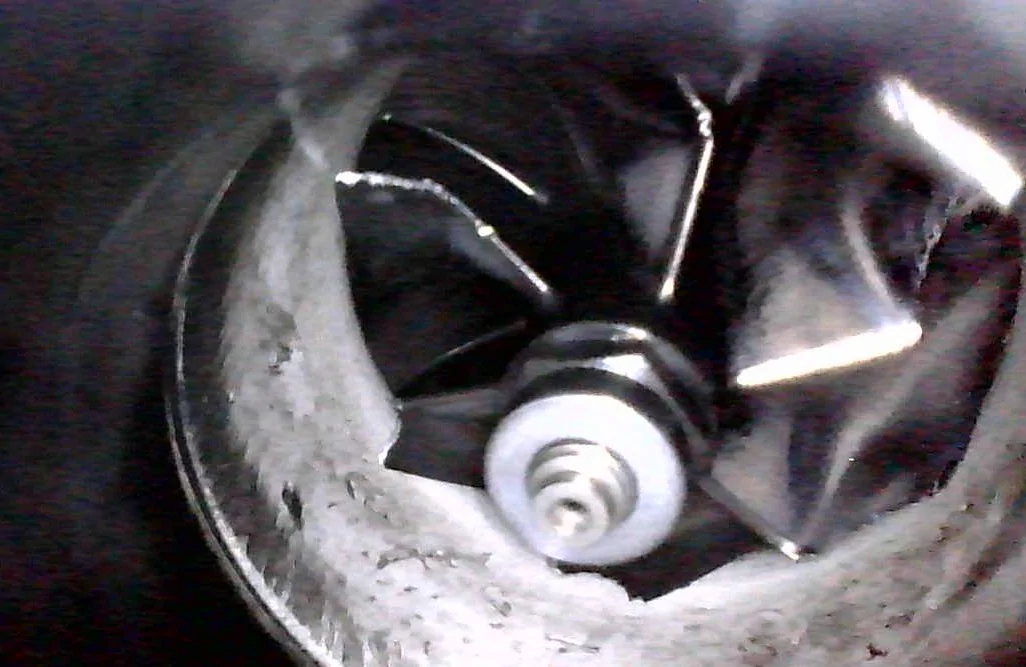
Once home, I scoped the turbo intake and confirmed turbo failure. I booked another dealer visit and provided my full 50k-mile diagnostic history.
They found low compression — one or two cylinders around 290 psi, but the write-up showed 260 or less across all. With the blown turbo, low compression, and coolant in the cylinders, they ordered a replacement engine under warranty.
The engine arrived in about a week, and installation took two and a half weeks. Total downtime: seven weeks. They did provide a loaner.
The Outcome
I expected a head gasket replacement, but given the complexity, a full engine swap made sense. I was honestly surprised it was covered under warranty considering my mods (charge pipes, air filter, bypass oil filter, etc.).
It probably helped that I had detailed records of every mod, oil change, wiTECH 2.0 data logs, block tests, and dealer visits.
Warranty and Cost
Oil change documentation turned out to be critical. Even DIY changes required proof — I had to dig up credit card records.
In the end, they charged $5,500 to account for the added labor from my aftermarket parts. Pricey, but better than footing the full cost.
Mods That Complicated the Job
All told, I estimate about eight hours of extra work because of my mods, but I knew the system inside out.
Crappy photo of the turbo

Background
I bought my 2021 EcoDiesel Gladiator new in October 2022. I came from a 2020 supercharged 3.6 Gladiator and was immediately impressed with the power delivery of the EcoDiesel.
I run 37s and tow a small trailer across the country (Minnesota to the East Coast). To ensure long-term reliability, I installed a bypass oil filter and cooler and change the oil about every 5k miles.
Early Issues
Within the first few thousand miles, I noticed mild coolant consumption. It wasn’t alarming, but definitely more than expected. Around 10k miles I also started getting P00AF codes when towing — that’s when I began my cross-country trips.
I took it to a dealer for both issues. They couldn’t replicate the P00AF and found no coolant leaks after testing.
The coolant loss and P00AF continued for about 36k miles until the high-pressure EGR cooler was replaced. Even after removal, the dealer tech said it wasn’t clear if it had been leaking. About 1,000 miles later, I had a severe overheat and found the coolant expansion tank empty.
After that, overheating became a pattern when towing. Coolant would reach around 235°F, then spike to redline. Oil temps were typically 245–250°F during these events, but sometimes lower. It always happened after long, loaded runs with 25+ psi boost.
Troubleshooting
I ruled out the thermostat and found air in the coolant system. A block test showed combustion gases in the coolant — though inconsistently. It would always fail during a stationary regen.
I scheduled dealer visits and provided all my diagnostic data. The first dealer found no leaks but claimed the hoses needed replacing due to dried coolant stains under the tank. They said they had “one of the best techs in the country” and dismissed my findings.
A second dealer also found no leaks and let the Jeep sit for a month, doing only a pressure test.
Failure on the Road
During a trip to Tennessee in August, both overheating and P00AF codes worsened. Halfway back, near Chicago, I lost all boost and had several low-boost codes but nothing electrical.
I cleaned the MAP sensor — no luck. Tried to find a replacement, but none available. A dealer in southern Wisconsin blamed my AFE air filter and charge pipes, saying they were “soft.” Since both were aftermarket, they wouldn’t help.
After six hours of troubleshooting, I drove the remaining 450 miles home without boost, towing the trailer at 40–45 mph. Painful.
The Diagnosis
Once home, I scoped the turbo intake and confirmed turbo failure. I booked another dealer visit and provided my full 50k-mile diagnostic history.
They found low compression — one or two cylinders around 290 psi, but the write-up showed 260 or less across all. With the blown turbo, low compression, and coolant in the cylinders, they ordered a replacement engine under warranty.
The engine arrived in about a week, and installation took two and a half weeks. Total downtime: seven weeks. They did provide a loaner.
The Outcome
I expected a head gasket replacement, but given the complexity, a full engine swap made sense. I was honestly surprised it was covered under warranty considering my mods (charge pipes, air filter, bypass oil filter, etc.).
It probably helped that I had detailed records of every mod, oil change, wiTECH 2.0 data logs, block tests, and dealer visits.
Warranty and Cost
Oil change documentation turned out to be critical. Even DIY changes required proof — I had to dig up credit card records.
In the end, they charged $5,500 to account for the added labor from my aftermarket parts. Pricey, but better than footing the full cost.
Mods That Complicated the Job
Oil Bypass System
- Tapped from oil pressure sender
- Routed through heat exchanger
- Returned to sump via bulkhead fitting
- Fan wiring for heat exchanger
AccuAir Suspension
- Wiring to sensors and compressors
- Quick-connects and labeled wiring for easy disconnection
Solar Panel
- Wiring from topper to battery
- Multiple power branches from battery to bed
Front Winch and Digital Mirror
- Mirror wiring runs to a rear bed camera
- Topper prevented vertical cab lift
BulletProof EGR Cooler
- I asked them to swap my BP EGR cooler from the old to the new engine
All told, I estimate about eight hours of extra work because of my mods, but I knew the system inside out.
Crappy photo of the turbo
Sponsored
Last edited: