
Sponsored
Power Steering Flush/ Need some Tech procedural info
- Thread starter Maximus Gladius
- Start date
- Watchers 7

ShadowsPapa
Well-Known Member
- First Name
- Bill
- Joined
- Oct 12, 2019
- Threads
- 247
- Messages
- 40,442
- Reaction score
- 53,860
- Location
- Runnells, Iowa
- Vehicle(s)
- '25 JTMX, '23 JLU 4xe, '82 SX4, '73 Javelin
- Occupation
- Retired auto mechanic, frmr gov't ntwrk security admin
- Vehicle Showcase
- 3
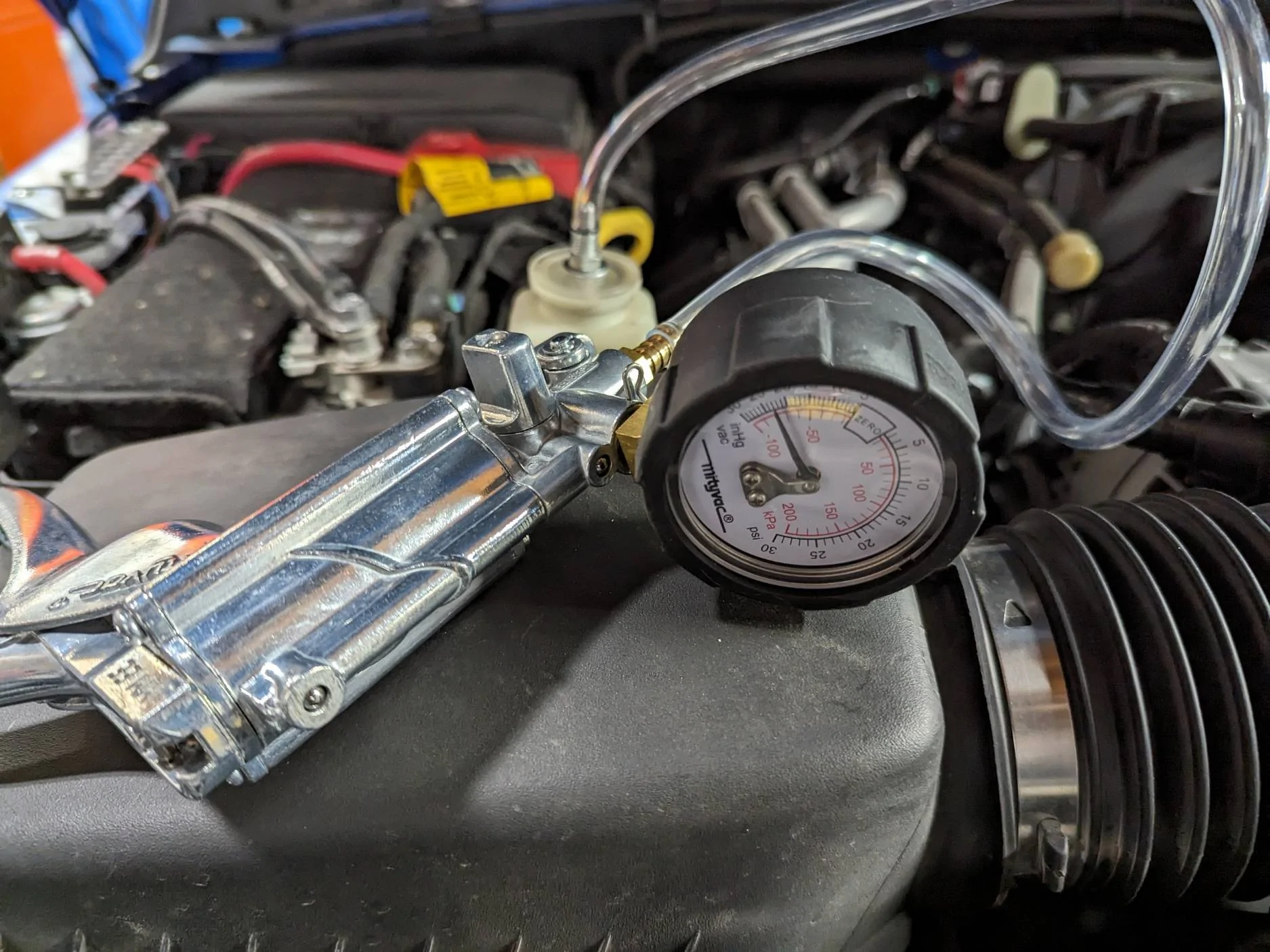
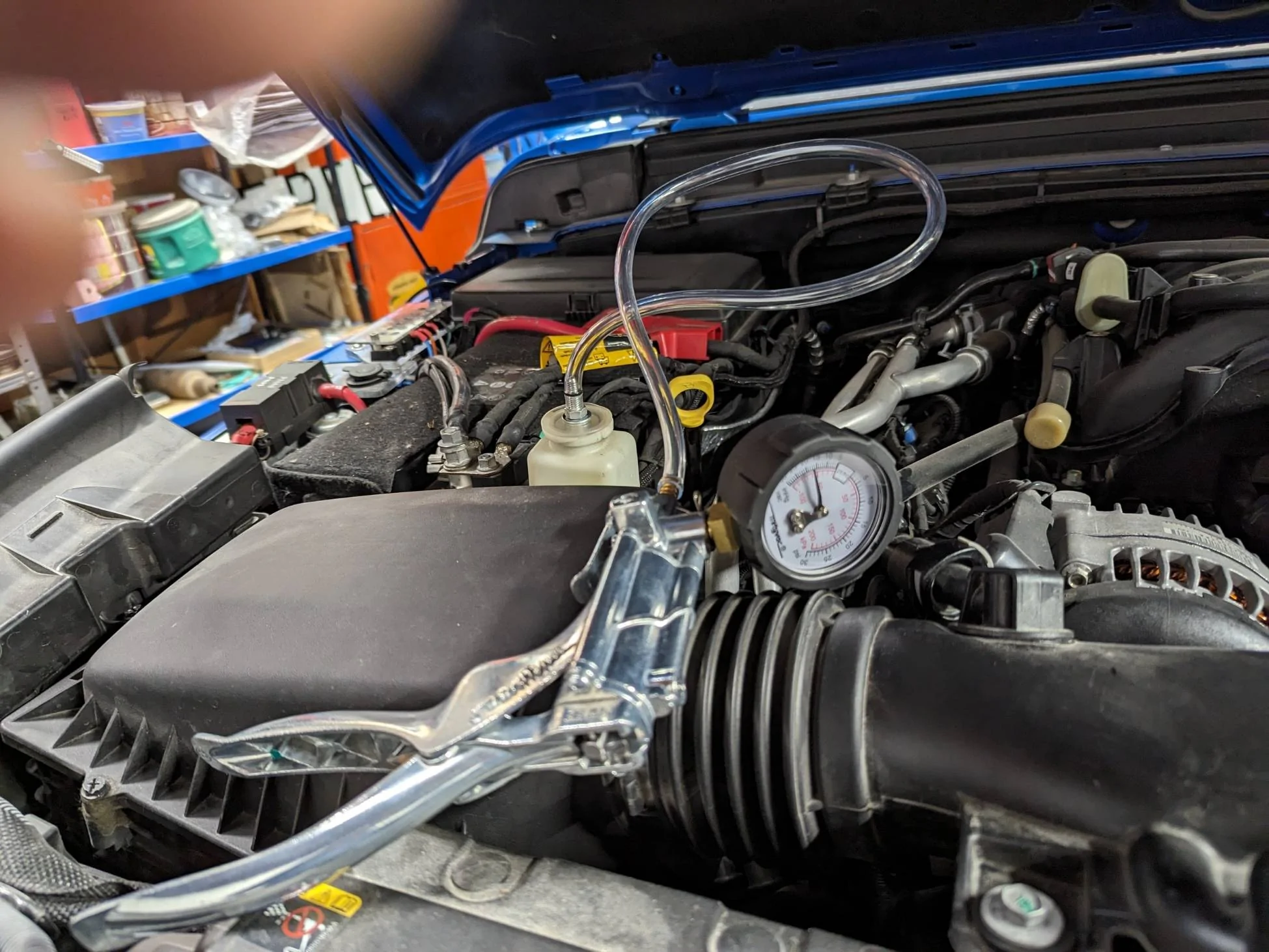
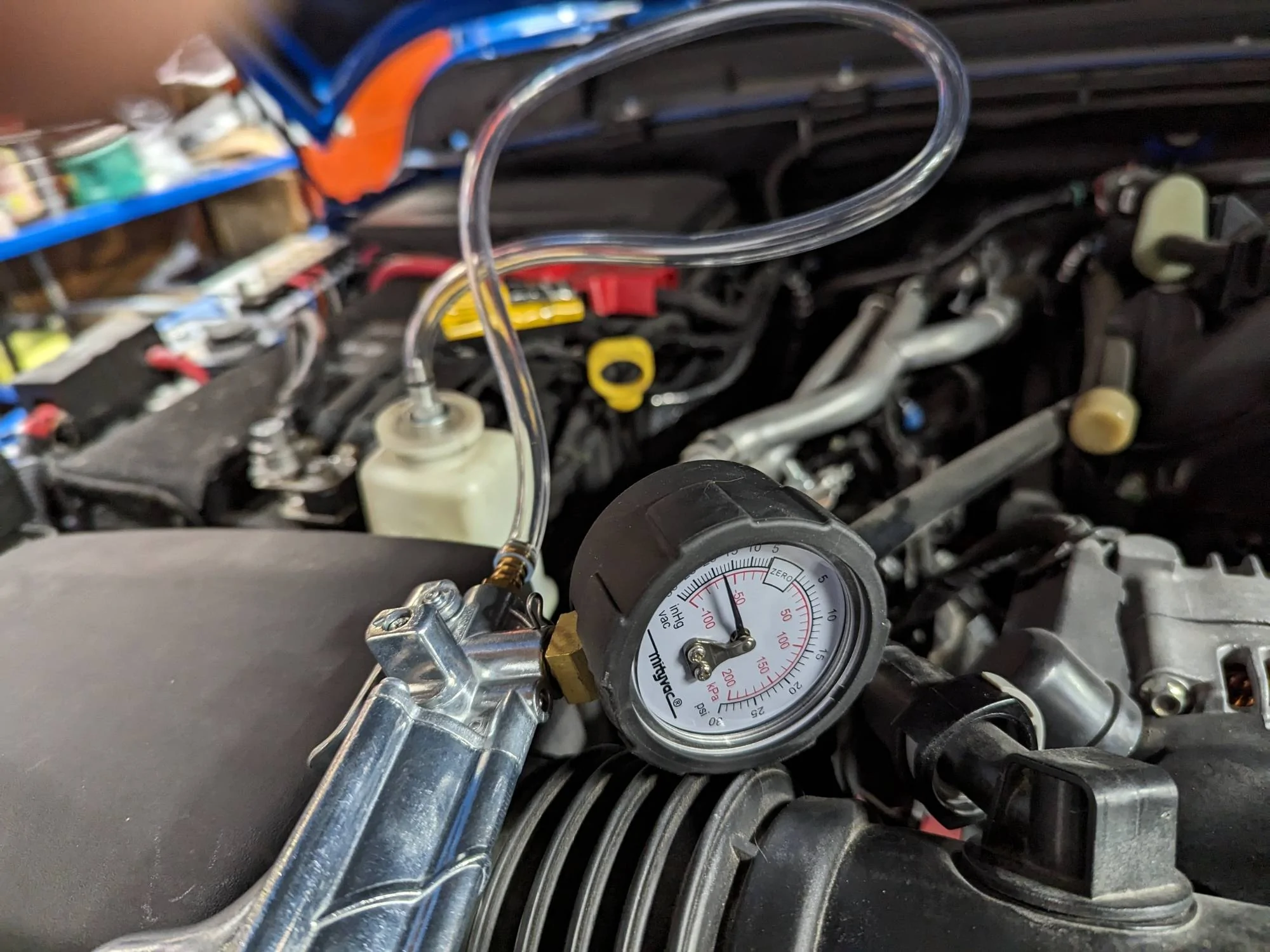
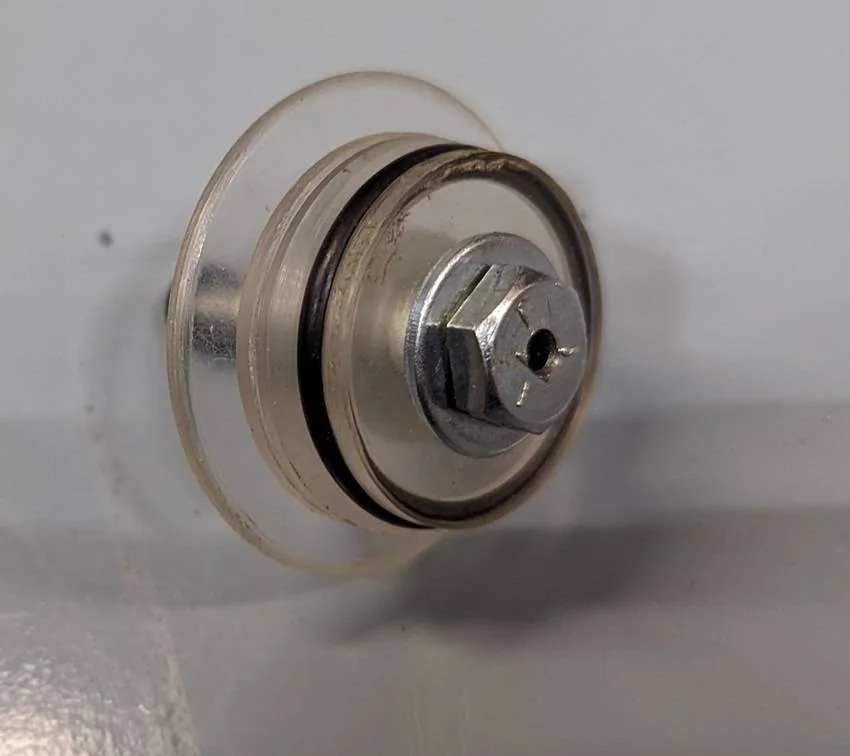
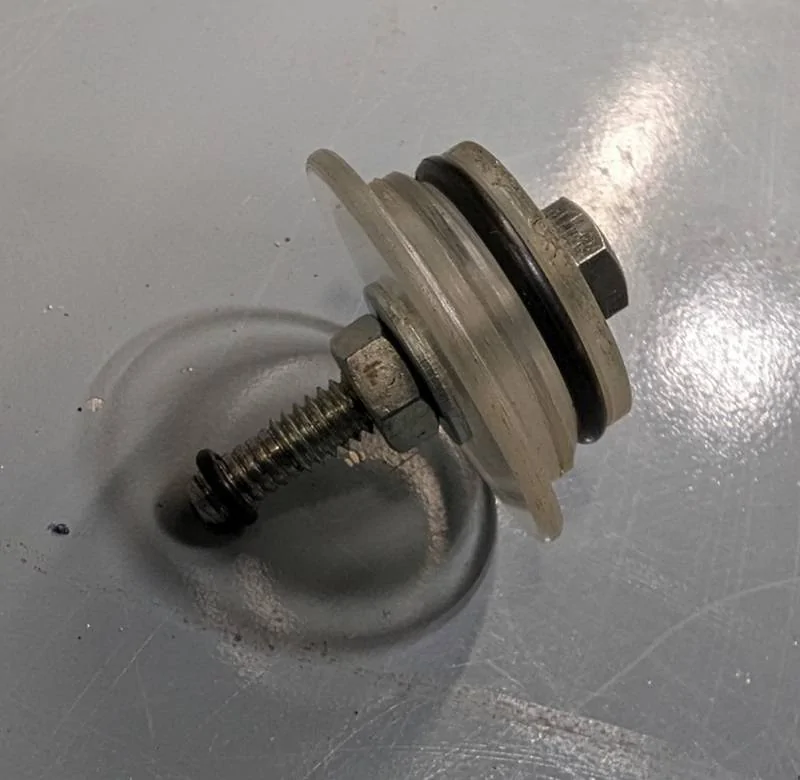
The procedure in practice -


OP
OP
Maximus Gladius
Well-Known Member
- First Name
- Kevin
- Joined
- Jan 30, 2021
- Threads
- 74
- Messages
- 2,901
- Reaction score
- 3,692
- Location
- Calgary, AB, Canada
- Vehicle(s)
- 2021 JTR, 2023 JTR
- Thread starter
- #18
It’s a beautiful thing.The procedure in practice -
ShadowsPapa
Well-Known Member
- First Name
- Bill
- Joined
- Oct 12, 2019
- Threads
- 247
- Messages
- 40,442
- Reaction score
- 53,860
- Location
- Runnells, Iowa
- Vehicle(s)
- '25 JTMX, '23 JLU 4xe, '82 SX4, '73 Javelin
- Occupation
- Retired auto mechanic, frmr gov't ntwrk security admin
- Vehicle Showcase
- 3
Still.......... no air found, no fluid add was needed.
It was a proof of concept for the cap I made, to try it out. It simply proved that mine had no air in it, and that my cap worked.
It was a proof of concept for the cap I made, to try it out. It simply proved that mine had no air in it, and that my cap worked.
OP
OP
Maximus Gladius
Well-Known Member
- First Name
- Kevin
- Joined
- Jan 30, 2021
- Threads
- 74
- Messages
- 2,901
- Reaction score
- 3,692
- Location
- Calgary, AB, Canada
- Vehicle(s)
- 2021 JTR, 2023 JTR
- Thread starter
- #20
Now that you did that, you have to spit in your hands and do the hard stuff. Man handle that front wheel and steer it back and forth 30 times. If you do the drivers side, you'll hear the air soon enough. Don't come crying to Mamma till you've done at least 30 full sets, then report back.Still.......... no air found, no fluid add was needed.
It was a proof of concept for the cap I made, to try it out. It simply proved that mine had no air in it, and that my cap worked.
Sponsored
ShadowsPapa
Well-Known Member
- First Name
- Bill
- Joined
- Oct 12, 2019
- Threads
- 247
- Messages
- 40,442
- Reaction score
- 53,860
- Location
- Runnells, Iowa
- Vehicle(s)
- '25 JTMX, '23 JLU 4xe, '82 SX4, '73 Javelin
- Occupation
- Retired auto mechanic, frmr gov't ntwrk security admin
- Vehicle Showcase
- 3
LoL - you just weren't going to accept that not all Jeeps have air, and that mine doesn't have air trapped until I did the Jeep accepted/recommended process and your process as well.Now that you did that, you have to spit in your hands and do the hard stuff. Man handle that front wheel and steer it back and forth 30 times. If you do the drivers side, you'll hear the air soon enough. Don't come crying to Mamma till you've done at least 30 full sets, then report back.
So, I had time today and did the FCA/Jeep process - again - and the moving the tires back and forth.
I knew going in, I'd have no air, and no results. I knew from experience that the moving the tires manually is not different than turning via the steering wheel if you see know what's inside these.
Anyway - here's the results after doing both methods -
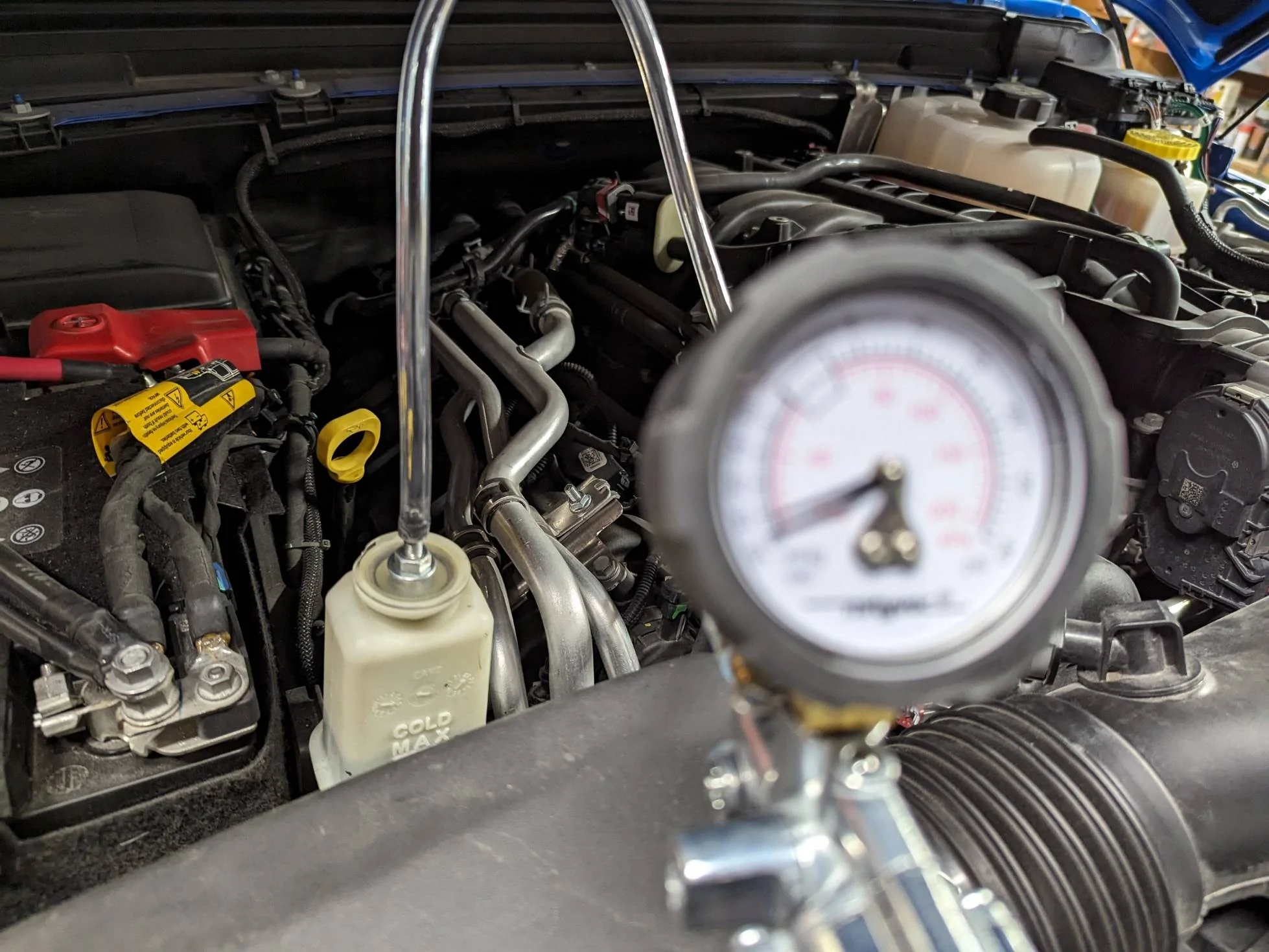
Note the black spot on the reservoir. That's the mark I put on there back in July of 2022 - after driving it a while and letting things settle in and adding to get in in the middle of min/max marks. In short - it's the exact same level it was a year ago.
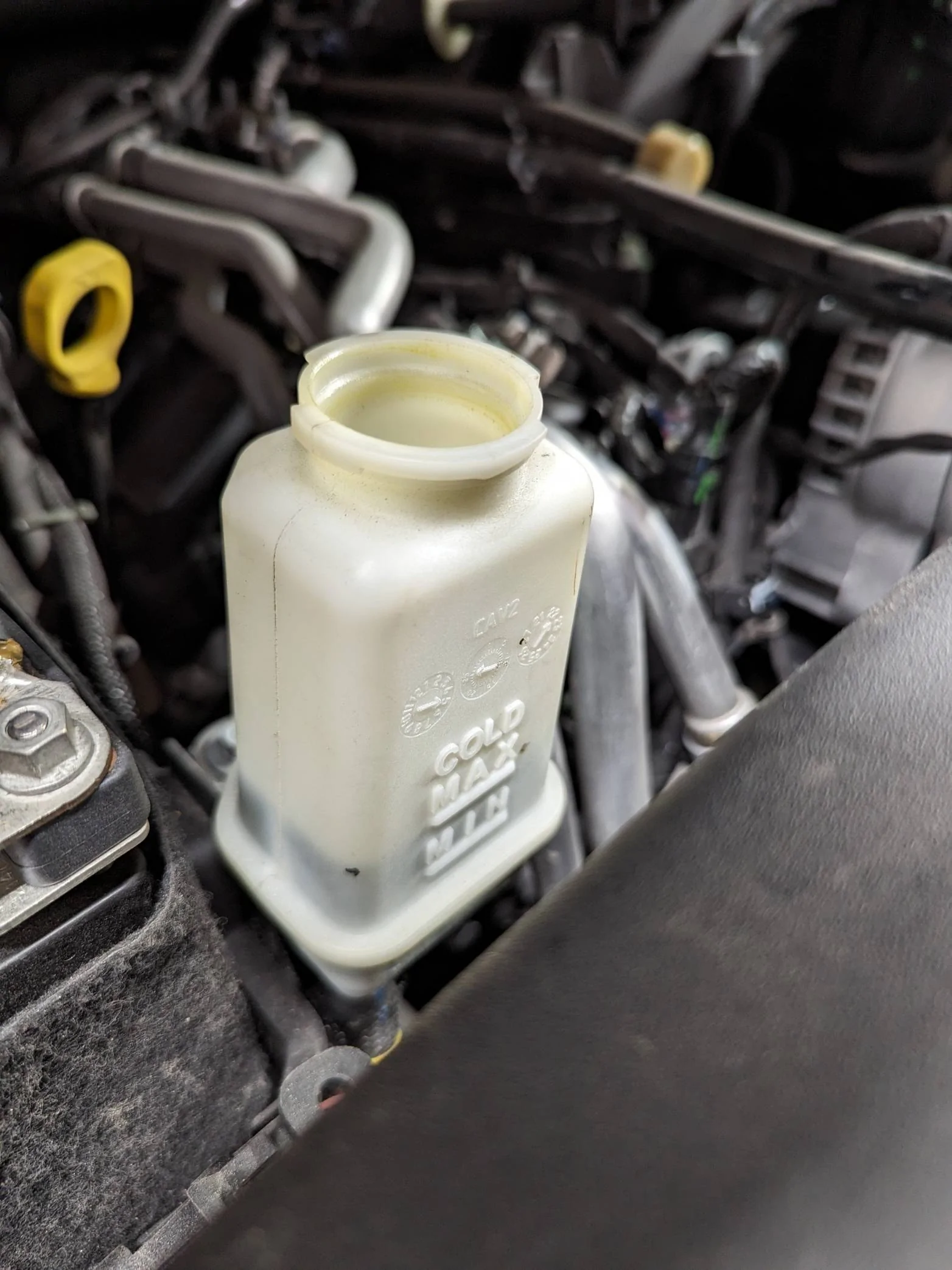
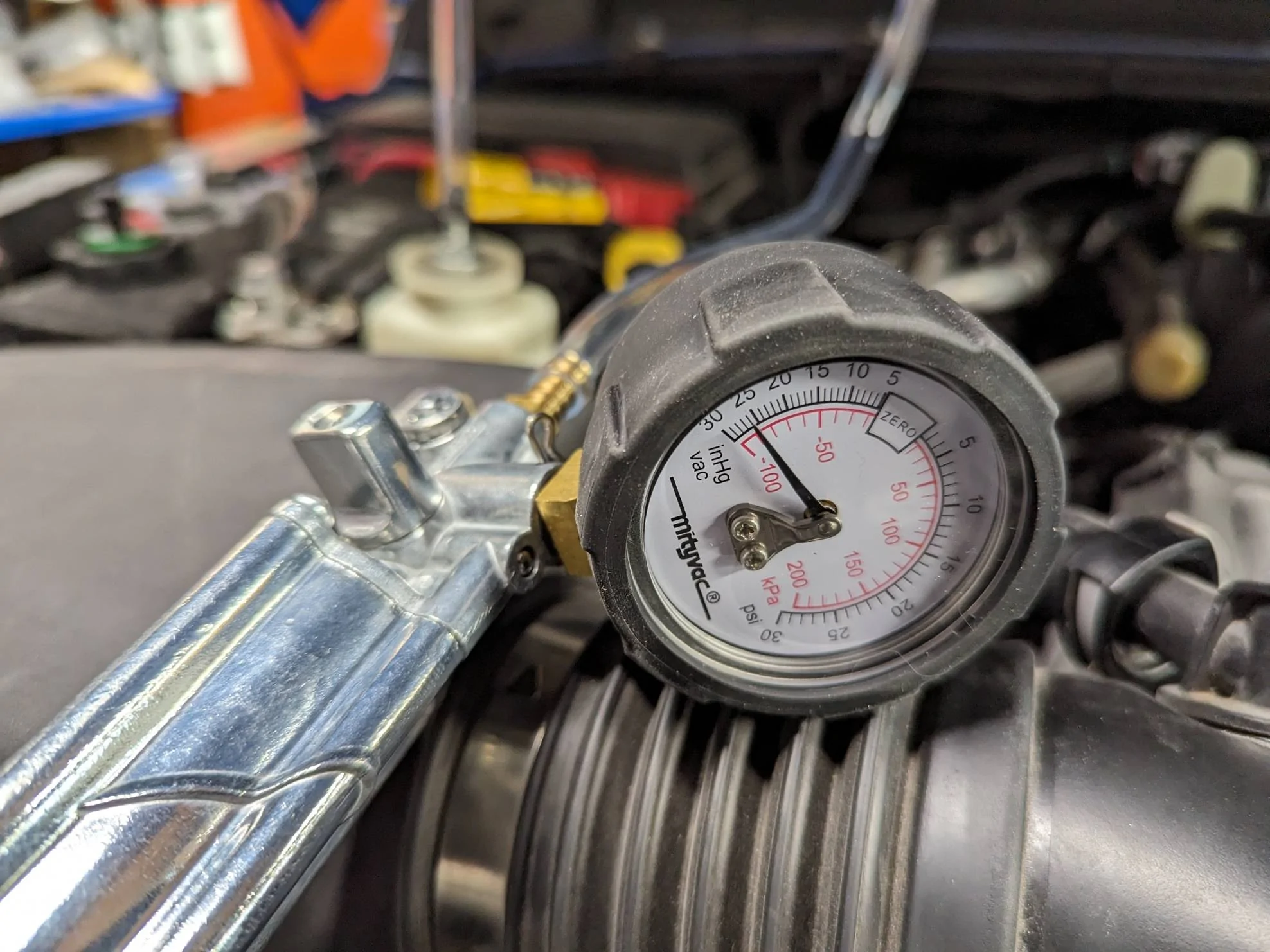
i ran the FCA/Jeep procedure again - held 26" vacuum on it for 3 minutes. (they say 20-25")
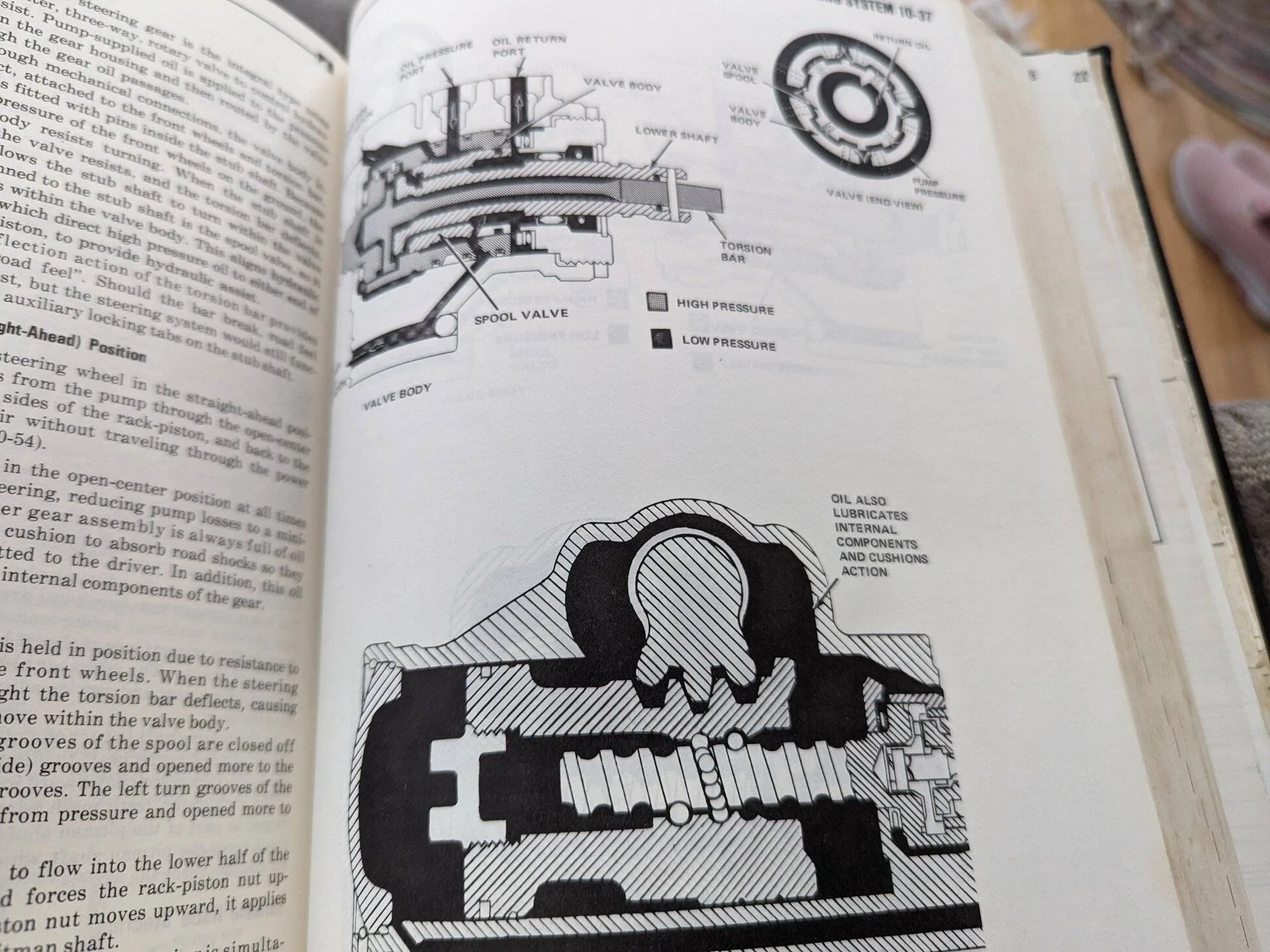
And here's the schematic from my repair/rebuild books on power steering showing why you aren't going to have a good place on the steering gear to let air out, and how the results are the same using the steering wheel or the tires by hand with the engine/pump off - you are moving the same parts in both cases. Well, sort of - you are doing things a bit differently when moving the steering wheel because it's moving valves (the spool valve) to direct fluid to either the upper or lower end of the rack piston.
So the same parts are moving, but you are operating the spool valve via input from the steering wheel when using the steering wheel to turn the wheels stop-to-stop. You may be moving less fluid differently using the wheels only.
In short, I guess I did all that work to prove what I already knew - there was never any air in my EHPS system, not since I put the mark on the reservoir last summer. Same for my 2020 - never had the level move from the time I put the mark on (generally a week or two after buying, depending on how many miles I've gone in that time)
OP
OP
Maximus Gladius
Well-Known Member
- First Name
- Kevin
- Joined
- Jan 30, 2021
- Threads
- 74
- Messages
- 2,901
- Reaction score
- 3,692
- Location
- Calgary, AB, Canada
- Vehicle(s)
- 2021 JTR, 2023 JTR
- Thread starter
- #22
I am missing a detail I might have missed in reading your replies that said how many mls of fluid came out your PS system when you did your flush. What was it again?you just weren't going to accept that not all Jeeps have air, and that mine doesn't have air trapped until I did the Jeep accepted/recommended process and your process as well.
TinMan2020
Well-Known Member
Is this where your fluid level sits when engine is dead cold or is this when the engine is hot?LoL - you just weren't going to accept that not all Jeeps have air, and that mine doesn't have air trapped until I did the Jeep accepted/recommended process and your process as well.
So, I had time today and did the FCA/Jeep process - again - and the moving the tires back and forth.
I knew going in, I'd have no air, and no results. I knew from experience that the moving the tires manually is not different than turning via the steering wheel if you see know what's inside these.
Anyway - here's the results after doing both methods -
Note the black spot on the reservoir. That's the mark I put on there back in July of 2022 - after driving it a while and letting things settle in and adding to get in in the middle of min/max marks. In short - it's the exact same level it was a year ago.

i ran the FCA/Jeep procedure again - held 26" vacuum on it for 3 minutes. (they say 20-25")


And here's the schematic from my repair/rebuild books on power steering showing why you aren't going to have a good place on the steering gear to let air out, and how the results are the same using the steering wheel or the tires by hand with the engine/pump off - you are moving the same parts in both cases. Well, sort of - you are doing things a bit differently when moving the steering wheel because it's moving valves (the spool valve) to direct fluid to either the upper or lower end of the rack piston.
So the same parts are moving, but you are operating the spool valve via input from the steering wheel when using the steering wheel to turn the wheels stop-to-stop. You may be moving less fluid differently using the wheels only.

In short, I guess I did all that work to prove what I already knew - there was never any air in my EHPS system, not since I put the mark on the reservoir last summer. Same for my 2020 - never had the level move from the time I put the mark on (generally a week or two after buying, depending on how many miles I've gone in that time)
ShadowsPapa
Well-Known Member
- First Name
- Bill
- Joined
- Oct 12, 2019
- Threads
- 247
- Messages
- 40,442
- Reaction score
- 53,860
- Location
- Runnells, Iowa
- Vehicle(s)
- '25 JTMX, '23 JLU 4xe, '82 SX4, '73 Javelin
- Occupation
- Retired auto mechanic, frmr gov't ntwrk security admin
- Vehicle Showcase
- 3
As I recall, that pic was from a day when the engine had not been running, summer ambient temps in the 80s.Is this where your fluid level sits when engine is dead cold or is this when the engine is hot?
When it's colder, it is a bit lower, after a drive, it's a bit higher.
I note a difference between a warm summer day and a day like today - 25 degrees.
TinMan2020
Well-Known Member
So as with coolant, when the engine has been running it may peak slightly above the cold max line?As I recall, that pic was from a day when the engine had not been running, summer ambient temps in the 80s.
When it's colder, it is a bit lower, after a drive, it's a bit higher.
I note a difference between a warm summer day and a day like today - 25 degrees.
Sponsored


