
Sponsored

Waay off-topic - any HVAC contractors here?

ShadowsPapa

Well-Known Member
First Name
Bill
Joined
Oct 12, 2019
Threads
247
Messages
40,463
Reaction score
53,908
Location
Runnells, Iowa
Vehicle(s)
'25 JTMX, '23 JLU 4xe, '82 SX4, '73 Javelin
Occupation
Retired auto mechanic, frmr gov't ntwrk security admin
Vehicle Showcase
3
Issue -
Trane heat pump put in August 2008. Had coil replaced in the air handler at 2016. They screwed up and it took a year for them to get the correct coil installed correctly. Been ok since.
3 ton 4TWX6 XL16i 2 stage heat pump
4TEE3F40B1000AA variable speed air handler (although it mostly has run higher speeds)
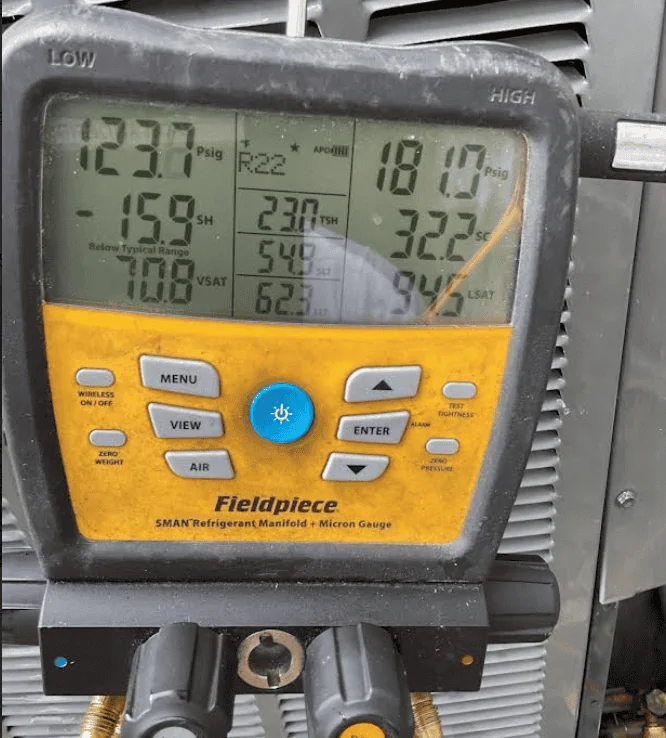
It's down on refrigerant again. At least they say so. Odd, their image shows the meter at R22 but these use 410a
hmmmm

Anyway, sounds like they are saying it's 4 pounds low. Specs say it comes with 8 pounds 2 ounces of 410a so it's down half by that.
It's been heating fine but maybe the heat strips have kicked in more than normal. Haven't paid attention to that.
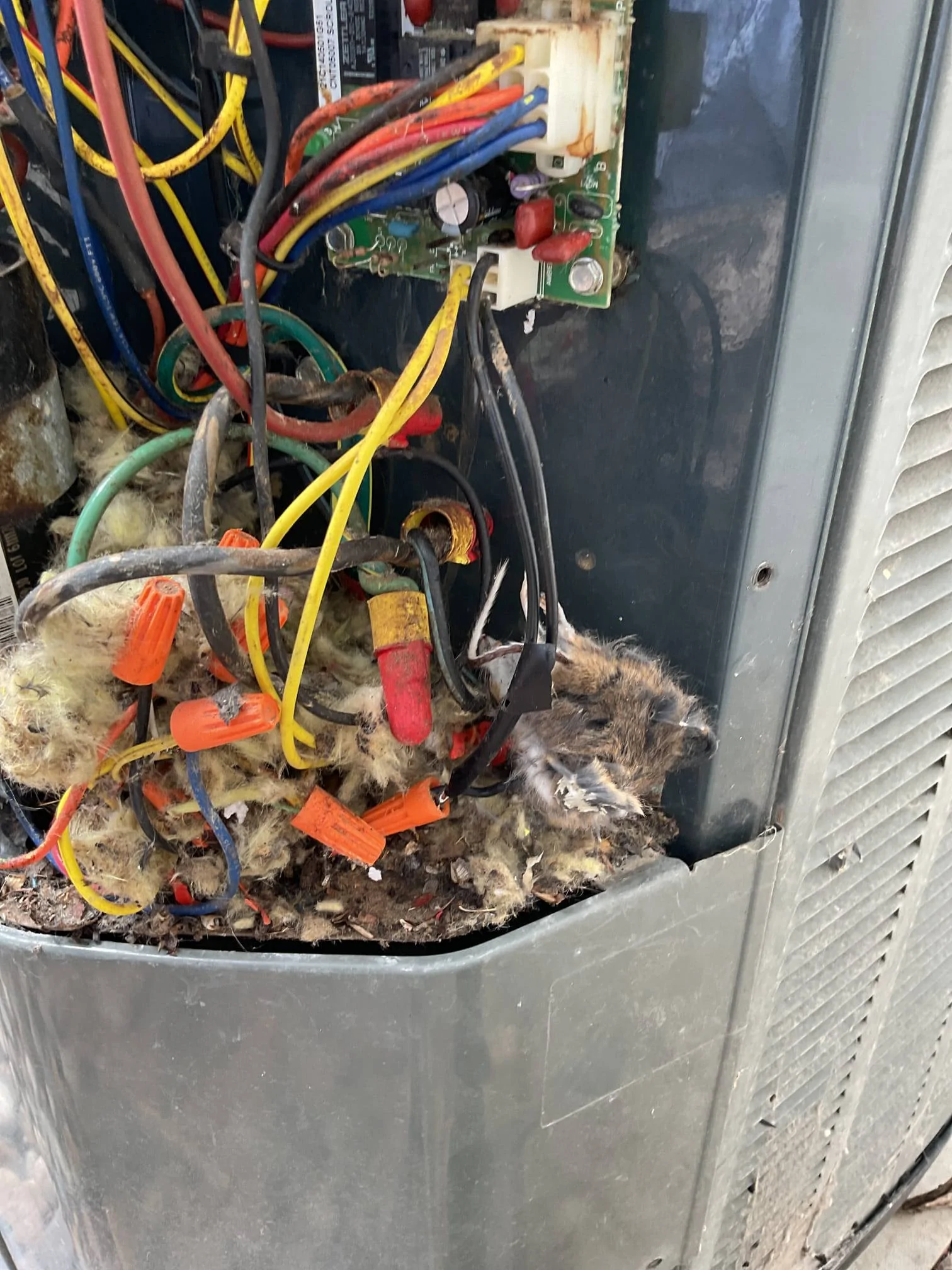
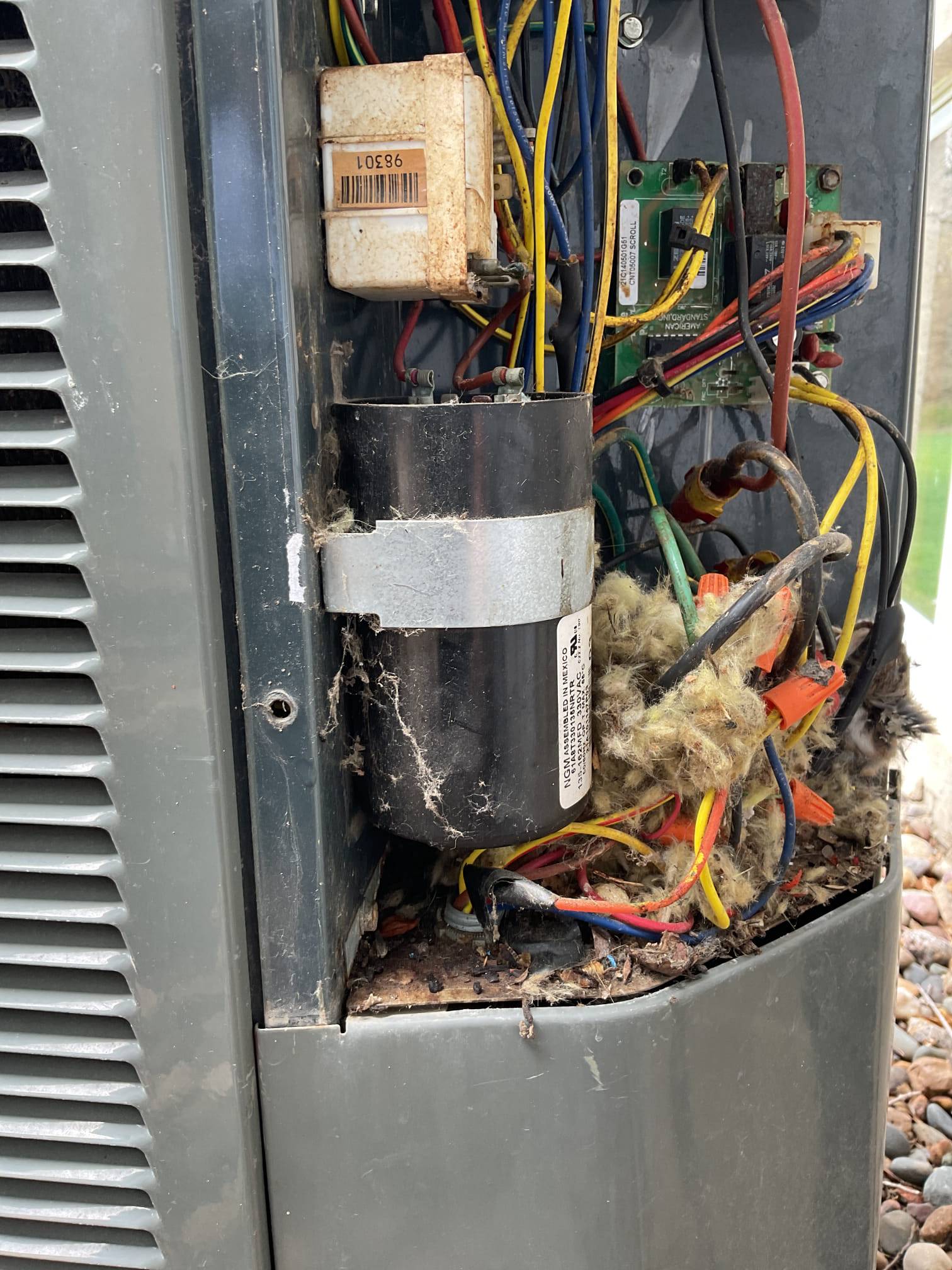
And there's chewed wiring again, blower needs to be cleaned (after 15 years, I suspect so)
With all of the suggested work, leak testing, refilling, etc. (and who knows what or where the leak is) they are saying 2 to 3K for making this one up to snuff again, depending on where the leak is.
If it's the coil again or the joints from the last turkeys that worked on it, add to those numbers.

Jeep Gladiator Waay off-topic - any HVAC contractors here? 1682639851370


So - fix this 15 year old unit that's already had coil issues/leaks and needs other service,
or
replace with new system.
HOLY #$%#!!!!!!!!!!!!!!!!
15 to 20 grand for a new heat pump system.

The current one is 17 seer, 9.20 HSPF

New would be around 20 seer (can't recall the HSPF)

We live in central Iowa - can be hot in summer with 90 degree dew point/100% humidity, with days in the mid to upper 90s for quite a string, or 0 degrees and lower in the winter (although it's generally not THAT cold)

Looking for opinions - yes, opinions, but from those in the industry.........
what are the odds this Trane can be fixed up and last another 5 years?
Would there really be any better electric bills with newer systems? Or just 5 to 10 bucks a month difference, big whoop?

I hate decisions like this.

Spend 2 to 3 grand, depending on if this is really low and if it is, where's the leak
Hope it lasts long enough to make the 2 to 3 grand (plus where the leak is) worth it
or
break the bank, go new and hope to lower electric bills more than 10 bucks.

(looking at Carrier due to technology, reputation, reviews, testing and top SEER and HSPF numbers in the industry. Inverter technology)

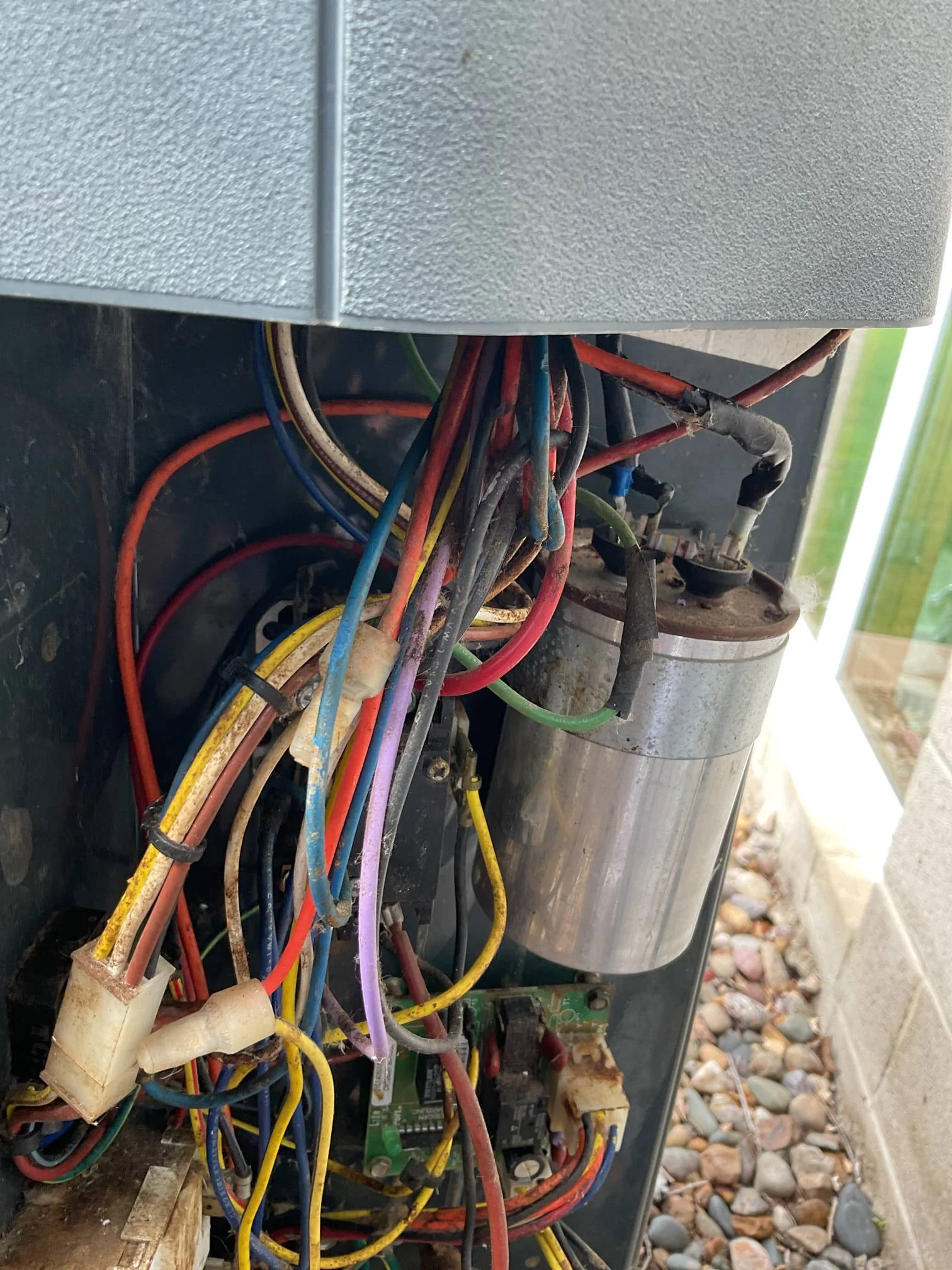
Jeep Gladiator Waay off-topic - any HVAC contractors here? 16fa6504-e655-491f-82d5-f078fd999b03_cdv_photo_003


Jeep Gladiator Waay off-topic - any HVAC contractors here? 80b6677d-5786-43d1-88ef-dc2dbb8f4702_cdv_photo_003


Jeep Gladiator Waay off-topic - any HVAC contractors here? 6223486e-7b38-4abe-9449-e4c6c15c586c_cdv_photo_003
Sponsored

 
Last edited:

Lunentucker

Well-Known Member
Joined
Apr 24, 2022
Threads
247
Messages
5,875
Reaction score
15,385
Location
Virginia
Vehicle(s)
2021 Jeep Gladiator Mojave
Occupation
People Work?
Not a contractor, but I worked in the sales side for several years and I understand a little bit from that and some more from my own experiences.

I believe you'll qualify for an energy tax credit on new equipment.
https://www.energystar.gov/about/federal_tax_credits/air_source_heat_pumps

You may want to check with power company for additional incentives.
Sometimes they're pretty big, especially for fixed income households, which I think you are?

Beyond those, take a look at geothermal.
We did it on the house we're in ten years ago, and it's been nothing shy of fantastic.
At the time there was a 30% tax credit and that, coupled with projected bill reductions meant we'd break even on a higher end air to air system and begin making money around five years in.
That's pretty much proven to be true.
Having the condensing units completely out of the weather has extended their service lives considerably. They're in the crawl space, but they also work in basements, or even enclosed additions made for them, adjacent to the foundation.
We have strip heaters, which are deemed a last resort, but they never come on, because we're consistently using sourced water that's around 50 degrees in winter and 60 in Summer to either extract heat or impart heat.

The other thing you can with geothermal is to use the byproduct of heated water in the summer to head start the home's hot water needs by 20-30 degrees. That's done with desuperheater. It uses an additional coil to cool the water going back to the geothermal loop. That also heats the water surrounding the coil, and that warm water is then stored in a vessel (typically a water heater not connected to power) and is used as the input water for your household water heater.
So instead of heating water from your well or municipality from 60 degrees to 140, you are heating warmed water from the geothermal system from 80-85 degrees to 140.

Ours is a pond loop, but of course you can do a ground loop or a vertical bore loop, depending on how much land resources you have there.


We've had one of our coils replaced twice under warranty.
They tell me it's because of how thin the tubing has to be made to achieve the government's SEER mandates. Make sense.


Either way, I'd recommend replacing the entire systems as you guys cruise into your Golden Corral early bird buffet years. Just do the research and see what incentives and rebates are there for you.
My In-laws got a brand new heat pump for zero dollars out of pocket a few years ago, and they are not poor people. Just a retired Corps of Engineers power plant operator and his wife, with a few million in retirement assets, but other "fixed income" ;)
 

gpwrang33

Well-Known Member
Joined
Aug 2, 2020
Threads
7
Messages
101
Reaction score
83
Location
Albany, N.Y.
Vehicle(s)
2000 TJ 2021 Hydro Blue JTSS MAX TOW
Even though the gauges say R-22 the psig is what matters, you can look up a PT chart for R410a and that will tell you what the temperatures should be. Those gauges are just doing the conversion for you. It looks like the low side is ok but your high side is a little low. At 15 yrs old you are more than likely better off replacing the whole unit, heat pumps in general have come a long way in those 15 yrs and like the other guy said you might be able to get a bunch of incentives. What's to say after they put that 2-3k Band-Aid on, you won't need to add another Band-Aid during those 90F days?
 
OP
OP
ShadowsPapa

ShadowsPapa

Well-Known Member
First Name
Bill
Joined
Oct 12, 2019
Threads
247
Messages
40,463
Reaction score
53,908
Location
Runnells, Iowa
Vehicle(s)
'25 JTMX, '23 JLU 4xe, '82 SX4, '73 Javelin
Occupation
Retired auto mechanic, frmr gov't ntwrk security admin
Vehicle Showcase
3
Not a contractor, but I worked in the sales side for several years and I understand a little bit from that and some more from my own experiences.

I believe you'll qualify for an energy tax credit on new equipment.
https://www.energystar.gov/about/federal_tax_credits/air_source_heat_pumps

You may want to check with power company for additional incentives.
Sometimes they're pretty big, especially for fixed income households, which I think you are?

Beyond those, take a look at geothermal.
We did it on the house we're in ten years ago, and it's been nothing shy of fantastic.
At the time there was a 30% tax credit and that, coupled with projected bill reductions meant we'd break even on a higher end air to air system and begin making money around five years in.
That's pretty much proven to be true.
Having the condensing units completely out of the weather has extended their service lives considerably. They're in the crawl space, but they also work in basements, or even enclosed additions made for them, adjacent to the foundation.
We have strip heaters, which are deemed a last resort, but they never come on, because we're consistently using sourced water that's around 50 degrees in winter and 60 in Summer to either extract heat or impart heat.

The other thing you can with geothermal is to use the byproduct of heated water in the summer to head start the home's hot water needs by 20-30 degrees. That's done with desuperheater. It uses an additional coil to cool the water going back to the geothermal loop. That also heats the water surrounding the coil, and that warm water is then stored in a vessel (typically a water heater not connected to power) and is used as the input water for your household water heater.
So instead of heating water from your well or municipality from 60 degrees to 140, you are heating warmed water from the geothermal system from 80-85 degrees to 140.

Ours is a pond loop, but of course you can do a ground loop or a vertical bore loop, depending on how much land resources you have there.


We've had one of our coils replaced twice under warranty.
They tell me it's because of how thin the tubing has to be made to achieve the government's SEER mandates. Make sense.


Either way, I'd recommend replacing the entire systems as you guys cruise into your Golden Corral early bird buffet years. Just do the research and see what incentives and rebates are there for you.
My In-laws got a brand new heat pump for zero dollars out of pocket a few years ago, and they are not poor people. Just a retired Corps of Engineers power plant operator and his wife, with a few million in retirement assets, but other "fixed income" ;)
Problem with the tax incentives is that they aren't refundable. We maxed out tax credits with the 4xe. In fact our tax guy suggested we start pulling income that increases our federal taxes so we can get all 7,500 back. He said we've be $400-$500 short on getting that back as it stands.
So there's no tax incentives for us - we'll already be getting it all back unless I take a job where I can really increase our tax load dramatically.

The local electric company has a $600 rebate for heat pumps but that's a drop in the bucket for a 20K system. (which we'd have to take out a loan for - and I did number crunching, $21K is the max we can handle on a loan)
That pretty much lets out geothermal - if air-to-air is 20K I can only imagine what geothermal would be.
We're in a drought, and we have to watch our wells so ground water is likely out. Field tiles here aren't really running any more.
That would leave a buried loop. Not sure of the ground necessary for that. They'd have to go between trees. Front yard is out due to septic system and laterals.

I have a second company coming out on Monday.

I still question if this current system is really half empty - the specs for this model heat pump say 8 pounds. They say it's 4 pounds low. That's a lot, IMO. I'd think it would struggle at that level.
 
OP
OP
ShadowsPapa

ShadowsPapa

Well-Known Member
First Name
Bill
Joined
Oct 12, 2019
Threads
247
Messages
40,463
Reaction score
53,908
Location
Runnells, Iowa
Vehicle(s)
'25 JTMX, '23 JLU 4xe, '82 SX4, '73 Javelin
Occupation
Retired auto mechanic, frmr gov't ntwrk security admin
Vehicle Showcase
3
Even though the gauges say R-22 the psig is what matters, you can look up a PT chart for R410a and that will tell you what the temperatures should be. Those gauges are just doing the conversion for you. It looks like the low side is ok but your high side is a little low. At 15 yrs old you are more than likely better off replacing the whole unit, heat pumps in general have come a long way in those 15 yrs and like the other guy said you might be able to get a bunch of incentives. What's to say after they put that 2-3k Band-Aid on, you won't need to add another Band-Aid during those 90F days?
Thanks - that's the sort of thing I was wondering (and looking for) - is it REALLY low, or is it a "we don't like working on these, we'll sell you something else" thing.

Incentives as far as taxes are out. We've already maxed that out with a 4xe. 7500 and the tax guy says unless I rearrange how we are taking our retirement income, we'll only get 7,000 of that money.
So it wouldn't matter if there was a $6,000 out of 20,000 tax incentive, we'd not get a penny of it. Looked into that, it's a "non-refundable" tax incentive. Can't reach back into past years or reach forward. We'll be lucky to get the 7500 for buying the 4xe.

So you are saying the high side is a little low - they are saying it's low, and if I am correct, this one takes 8 and their "suggested service" says do an electronic leak detection, and it would take 4 pounds to top it off.
Could that be correct?
 

Sponsored

gpwrang33

Well-Known Member
Joined
Aug 2, 2020
Threads
7
Messages
101
Reaction score
83
Location
Albany, N.Y.
Vehicle(s)
2000 TJ 2021 Hydro Blue JTSS MAX TOW
Thanks - that's the sort of thing I was wondering (and looking for) - is it REALLY low, or is it a "we don't like working on these, we'll sell you something else" thing.

Incentives as far as taxes are out. We've already maxed that out with a 4xe. 7500 and the tax guy says unless I rearrange how we are taking our retirement income, we'll only get 7,000 of that money.
So it wouldn't matter if there was a $6,000 out of 20,000 tax incentive, we'd not get a penny of it. Looked into that, it's a "non-refundable" tax incentive. Can't reach back into past years or reach forward. We'll be lucky to get the 7500 for buying the 4xe.

So you are saying the high side is a little low - they are saying it's low, and if I am correct, this one takes 8 and their "suggested service" says do an electronic leak detection, and it would take 4 pounds to top it off.
Could that be correct?
Well, its hard to say how much refrigerant is actually missing unless you pull it all out and weight it which hopefully they would be pulling all the refrigerant out and adding new since R410a is a blended refrigerant and its not as simple as just adding more to top it off. The high side is low on pressure which could be a few things but its hard to trouble shoot without being there when they did their readings. Leak testing is hard to do sometimes because leaks could be in the smallest tube on the coil and at that point you might as well replace the unit. I know you've been around cars and their ac systems, have you ever tried finding a leak in a cars coils? Its like a needle in a haystack. Yes an electronic leak detector helps but sometimes going to the bubbles is the best way to find them. They could spend all day "looking" for a leak and never find it, then add refrigerant just for it to act the same way.
 
OP
OP
ShadowsPapa

ShadowsPapa

Well-Known Member
First Name
Bill
Joined
Oct 12, 2019
Threads
247
Messages
40,463
Reaction score
53,908
Location
Runnells, Iowa
Vehicle(s)
'25 JTMX, '23 JLU 4xe, '82 SX4, '73 Javelin
Occupation
Retired auto mechanic, frmr gov't ntwrk security admin
Vehicle Showcase
3
Well, its hard to say how much refrigerant is actually missing unless you pull it all out and weight it which hopefully they would be pulling all the refrigerant out and adding new since R410a is a blended refrigerant and its not as simple as just adding more to top it off. The high side is low on pressure which could be a few things but its hard to trouble shoot without being there when they did their readings. Leak testing is hard to do sometimes because leaks could be in the smallest tube on the coil and at that point you might as well replace the unit. I know you've been around cars and their ac systems, have you ever tried finding a leak in a cars coils? Its like a needle in a haystack. Yes an electronic leak detector helps but sometimes going to the bubbles is the best way to find them. They could spend all day "looking" for a leak and never find it, then add refrigerant just for it to act the same way.
All makes sense, thanks.
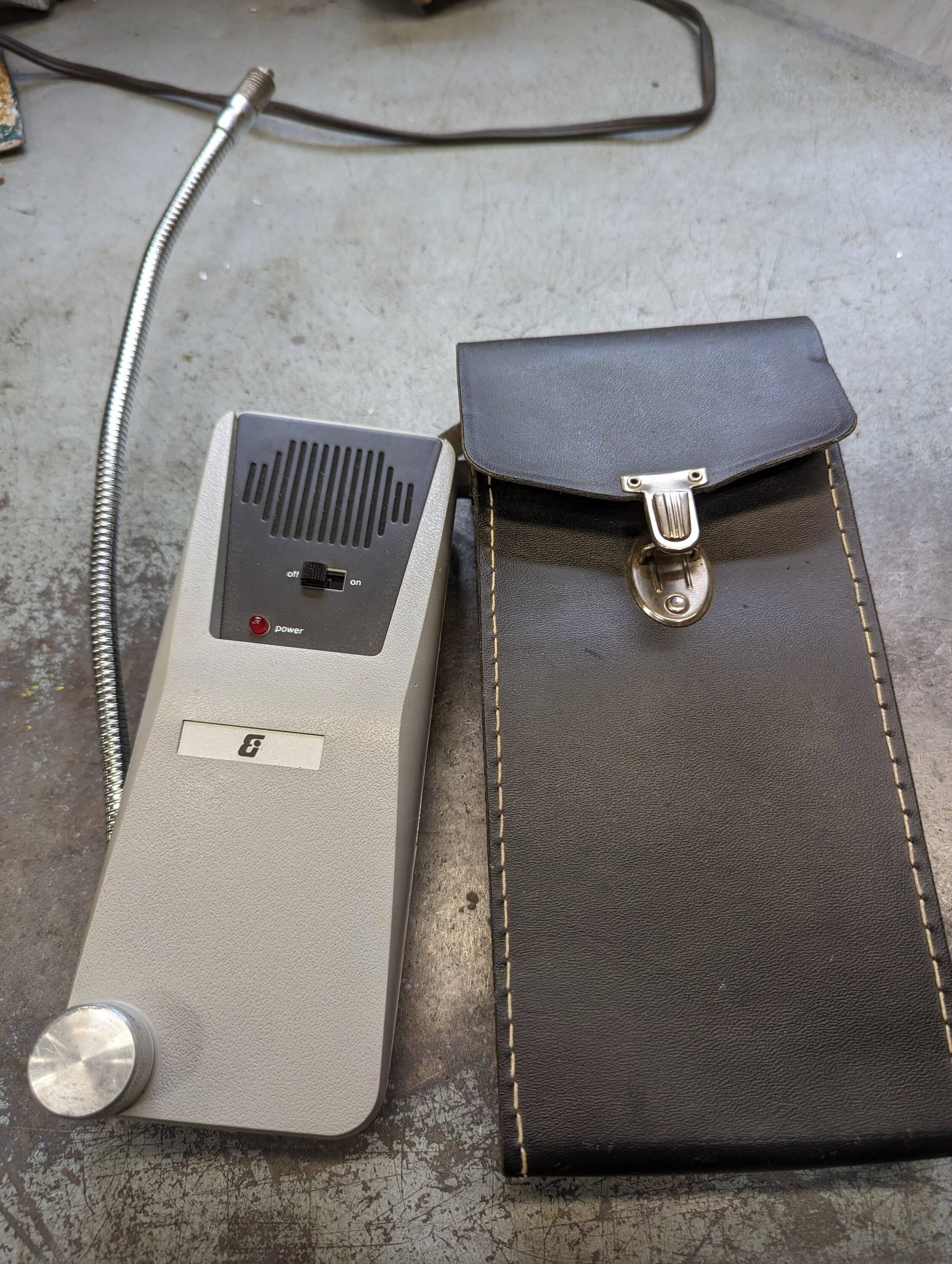
Yeah, with a car it was so much easier - if it's a bit low, if you have bubbles in the glass, you add until they are gone, or check the gauges and add until the pressures are good and you are getting cold air out the dash measured with a long stem thermometer. You add, and move on. If it goes a couple of years or more - that's that. If it stops working again that year, then you start checking for leaks using either the old propane torch method, or like what I have below (pic)
All tricky as with the engine running it's blowing air - and any leaking R12, all over the shop. If it's in the evaporator it's a bit easier to find - but is it the core or the lines leading to it.
I preferred it to be the compressor seal or one of the low pressure lines under the hood.

Anyone want to buy a nice set of R12 gauges? LOL

Jeep Gladiator Waay off-topic - any HVAC contractors here? leak-tester


Well, like I said - leaning toward replacement, but it's just at that timeframe, and it's a big expense that's going to be a killer for a while after taking on that new Jeep that seriously drained things.
 
OP
OP
ShadowsPapa

ShadowsPapa

Well-Known Member
First Name
Bill
Joined
Oct 12, 2019
Threads
247
Messages
40,463
Reaction score
53,908
Location
Runnells, Iowa
Vehicle(s)
'25 JTMX, '23 JLU 4xe, '82 SX4, '73 Javelin
Occupation
Retired auto mechanic, frmr gov't ntwrk security admin
Vehicle Showcase
3
Not a contractor, but I worked in the sales side for several years and I understand a little bit from that and some more from my own experiences.

I believe you'll qualify for an energy tax credit on new equipment.
https://www.energystar.gov/about/federal_tax_credits/air_source_heat_pumps

You may want to check with power company for additional incentives.
Sometimes they're pretty big, especially for fixed income households, which I think you are?

Beyond those, take a look at geothermal.
We did it on the house we're in ten years ago, and it's been nothing shy of fantastic.
At the time there was a 30% tax credit and that, coupled with projected bill reductions meant we'd break even on a higher end air to air system and begin making money around five years in.
That's pretty much proven to be true.
Having the condensing units completely out of the weather has extended their service lives considerably. They're in the crawl space, but they also work in basements, or even enclosed additions made for them, adjacent to the foundation.
We have strip heaters, which are deemed a last resort, but they never come on, because we're consistently using sourced water that's around 50 degrees in winter and 60 in Summer to either extract heat or impart heat.

The other thing you can with geothermal is to use the byproduct of heated water in the summer to head start the home's hot water needs by 20-30 degrees. That's done with desuperheater. It uses an additional coil to cool the water going back to the geothermal loop. That also heats the water surrounding the coil, and that warm water is then stored in a vessel (typically a water heater not connected to power) and is used as the input water for your household water heater.
So instead of heating water from your well or municipality from 60 degrees to 140, you are heating warmed water from the geothermal system from 80-85 degrees to 140.

Ours is a pond loop, but of course you can do a ground loop or a vertical bore loop, depending on how much land resources you have there.


We've had one of our coils replaced twice under warranty.
They tell me it's because of how thin the tubing has to be made to achieve the government's SEER mandates. Make sense.


Either way, I'd recommend replacing the entire systems as you guys cruise into your Golden Corral early bird buffet years. Just do the research and see what incentives and rebates are there for you.
My In-laws got a brand new heat pump for zero dollars out of pocket a few years ago, and they are not poor people. Just a retired Corps of Engineers power plant operator and his wife, with a few million in retirement assets, but other "fixed income" ;)
I have talked to one company about a new air-to-air heat pump - Carrier - which would be more efficient than our current system. I always plan on talking to at least two people, three if possible.
So I have another company coming in on Monday to chat. I'll ask them about geothermal, but from what I've seen - and it makes sense based on costs around here, the installation costs are crazy due to the equipment and work to install such a thing. Our ground is muck and clay.
Even trees don't do well here.
The initial costs I've seen are from 5 to 10 grand more than a conventional system.
OTOH, winters here it would make up for some of that fast on a cold winter. (last winter was warm, we're due)

The only "incentive" would be $600 from MidAmerican but they only show that for air-to-air heat pumps. Nothing under geothermal. So I have to go into it assuming "no assistance" as far as rebates, etc.
The part that scares me is that all of the sites that talk of it say it costs $250-$350 a year annual maintenance as they are less maintenance-free than other systems. (I think that figure came from an energy site, another may have been thisoldhouse)
 

Lunentucker

Well-Known Member
Joined
Apr 24, 2022
Threads
247
Messages
5,875
Reaction score
15,385
Location
Virginia
Vehicle(s)
2021 Jeep Gladiator Mojave
Occupation
People Work?
I have talked to one company about a new air-to-air heat pump - Carrier - which would be more efficient than our current system. I always plan on talking to at least two people, three if possible.
So I have another company coming in on Monday to chat. I'll ask them about geothermal, but from what I've seen - and it makes sense based on costs around here, the installation costs are crazy due to the equipment and work to install such a thing. Our ground is muck and clay.
Even trees don't do well here.
The initial costs I've seen are from 5 to 10 grand more than a conventional system.
OTOH, winters here it would make up for some of that fast on a cold winter. (last winter was warm, we're due)

The only "incentive" would be $600 from MidAmerican but they only show that for air-to-air heat pumps. Nothing under geothermal. So I have to go into it assuming "no assistance" as far as rebates, etc.
The part that scares me is that all of the sites that talk of it say it costs $250-$350 a year annual maintenance as they are less maintenance-free than other systems. (I think that figure came from an energy site, another may have been thisoldhouse)
We have ours serviced and inspected once a year for about $160. But we'd do the same for an air to air system. Other than "juicing", which is adding a small amount of water to the loop occasionally, most of the service is the same as an air to air. Clean the coils and fans, blow out the drains, generally test and inspect for proper function, and check refrigerant levels.

Yes, our winter bills were cut drastically when we went to the Geothermal. I'll find the link, but I believe it was nearly 50%, and no strip heaters at -4 outside.
 
Last edited:

Sponsored

Lunentucker

Well-Known Member
Joined
Apr 24, 2022
Threads
247
Messages
5,875
Reaction score
15,385
Location
Virginia
Vehicle(s)
2021 Jeep Gladiator Mojave
Occupation
People Work?
I bought my own juicing kit just a couple of months ago. So now I can do that as needed, between service dates. I assume there's some evaporative loss over time. It takes very little water at 60 psi to get back to equal pressure from the well.

 
OP
OP
ShadowsPapa

ShadowsPapa

Well-Known Member
First Name
Bill
Joined
Oct 12, 2019
Threads
247
Messages
40,463
Reaction score
53,908
Location
Runnells, Iowa
Vehicle(s)
'25 JTMX, '23 JLU 4xe, '82 SX4, '73 Javelin
Occupation
Retired auto mechanic, frmr gov't ntwrk security admin
Vehicle Showcase
3
And double-check your tax credit eligibility. The 4xe may have taken you out of that game as you mentioned, but be sure.

https://www.waterfurnace.com/residential/about-geothermal/incentives
Tax incentives like these that are non-refundable (they are listed as refundable if they are, otherwise it's assumed to be non-refundable).
I checked with the IRS and they state that you take your tax burden for that year, subtract the tax credit and if your tax bill is greater than the "incentive" you get all of that number back.
If the incentive is greater than the tax bill, you only get back the amount of your tax debt for that year.
Like in our case -
4xe was eligible for 7500 until in April when they finally set the rules to say you get xx if the vehicle is made in the states and xxx if the vehicle AND batteries were made in the states.
So we lucked out and have the paperwork for the full 7500 because we bought before they clarified and effectively changed the rules. (batteries for the Wrangler are not made in the USA, they are likely made in Korea or China by Samsung)

Anyway, talked to our tax guy/CPA and he did some number crunching for us and said we'd not get back the full 7500 because our federal tax bill won't be that much - unless I take from things that were tax deferred to increase our tax bill for next year. They way I have it figured, we MAY just get the 7500 if lucky, otherwise something less than that because our tax bill for 2023 won't be higher than 7500.

That means anything else we do in 2023 won't make any difference. Example - 30% of the installation of such a HVAC system -
If it's $30,000 (I'll round here) then the tax credit is just shy of $10,000 - say $9,000
7500
9000
--------
$16,500 between the 4xe and HVAC for tax credits.
If we owe 7200 in taxes, we'll get that all back meaning that we won't get the full 7500 for the 4xe and we'll get nothing for the HVAC.

These are "non-refundable" meaning you can't reach back into past years to get a refund.

Already checked into all of that. Asked the CPA when talking about the 4xe and he said we'd likely not get it all unless we somehow find some way to owe them more taxes.

You lose any part of any "incentive" that is greater than your total federal tax bill for that year.

Of course I have to wonder - how the heck does a closed loop system LOSE water, or in our case, the antifreeze solution (you have to go deep here to guarantee below the frost line - found out with deck posts and other stuff. When they build my shop they had to go deep with the posts)
Isn't it like a closed loop of refrigerant - it's sealed and it can only get low if it leaks?
Where's it going?

It would be fun for someone to bury lines here with the tile that runs from under our house and around the foundation over to a ditch on the edge of our property, the electric and network lines running from the house 200 feet back to my shop, a couple other drain tile in the yard that take away the excess water in the spring (which we've not had for 2 years because of the drought)
I've looked around and think I can see a couple of clear paths that avoid the trees, they'll have to deal with the tile but that's easy as heck - you cut it, you lay new tile in when done and drop a bag of quikrete over the place where you spliced the tile, fill the hole.
It's not too rocky here. But I'll never forget when we had our septic tank distribution box replaced because the original rotted and collapsed in the ground. The guy was a long-time septic system person, worked all over central Iowa. Knew is @#$%.
When he was done and we were talking about what he found - and problems he had with the soil and ground -
"you sure have really shitty soil here and I'm not referring to the septic system".
Perk tests today - thank goodness our well works and the septic system is still working. I have a feeling they'd never let us replace either due to conditions here.
 

Lunentucker

Well-Known Member
Joined
Apr 24, 2022
Threads
247
Messages
5,875
Reaction score
15,385
Location
Virginia
Vehicle(s)
2021 Jeep Gladiator Mojave
Occupation
People Work?
I think the system loses a tiny amount through the test ports, likely as vapor. Of course the pressures also fluctuate seasonally with temperature changes. It's not much, and a once a year or two year juicing amounts to maybe a pint or two in a system that holds hundreds of gallons.

The only workaround I see for the incentives would be to do something a bit shady, and work out a deferred billing and payment with your contractor. We won't discuss that further out in the open. LOL

But you've found plenty of other reasons to not do geothermal, so roll with whatever you choose.
Maybe repairs are best and then catch another tax year with rebates.
I will say that nothing I buy in the electromechanical genre these days seems to be made to last the way it was just a few years ago, and forget all about stuff lasting decades like they used to.
 
OP
OP
ShadowsPapa

ShadowsPapa

Well-Known Member
First Name
Bill
Joined
Oct 12, 2019
Threads
247
Messages
40,463
Reaction score
53,908
Location
Runnells, Iowa
Vehicle(s)
'25 JTMX, '23 JLU 4xe, '82 SX4, '73 Javelin
Occupation
Retired auto mechanic, frmr gov't ntwrk security admin
Vehicle Showcase
3
I think the system loses a tiny amount through the test ports, likely as vapor. Of course the pressures also fluctuate seasonally with temperature changes. It's not much, and a once a year or two year juicing amounts to maybe a pint or two in a system that holds hundreds of gallons.

The only workaround I see for the incentives would be to do something a bit shady, and work out a deferred billing and payment with your contractor. We won't discuss that further out in the open. LOL

But you've found plenty of other reasons to not do geothermal, so roll with whatever you choose.
Maybe repairs are best and then catch another tax year with rebates.
I will say that nothing I buy in the electromechanical genre these days seems to be made to last the way it was just a few years ago, and forget all about stuff lasting decades like they used to.
My wife has asked about making this unit get by until next year - and then be clear for the big percentage. That would make sense - spend $2,000 to make this one go for a while in order to get triple that back in a next year install of something else.
We'll see.
There's one way to find out - talk to the contractors and see what they have, what they recommend for us and this area.

Losing a small bit like that makes sense - There's a whale of a lot of liquid in those thousands of feet of tubing.

I did find something interesting and many sites seem to agree - the typical life of an air-to-air heat pump pretty much tops out at 20. The geothermal often last well beyond that. Some have had units in place for over 25 years. Of course it seems to depend on which type you get - the single unit or the split units, etc.
Don't think we have the space for the single unit types.
Monday will be interesting.

The part that bugs me even on a standard type heat pump system - when I look up the various makes/brands on THEIR web sites, they show "typical installed costs" - and the estimates I've been getting are WAAAY over what a company, just for example, Carrier, says their system should cost installed. So where's the extra 5 grand coming from? This is Iowa, not CA - labor here should be more average. If Carrier says xyz is $15,000 installed in most cases, where are these outfits getting 21K?
Hmmmmm.........
Sponsored


Top