
Sponsored

CEL for Spark Knock AND P0300 fix

Hootbro

Well-Known Member
First Name
Don
Joined
Apr 13, 2019
Threads
57
Messages
10,192
Reaction score
19,961
Location
Delaware
Vehicle(s)
2025 Gladiator Sport
Agreed. If there's an issue with the PCV calibration, or even baffling in the engine, that should be addresses.
I would really like to see a complete copy of this TSB and the inspection criteria of what makes them make the call to remove the heads and clean things up.

If we have learned anything over the last couple of years and misfire issues, there has never been a one size fits all cause or solution. I just cannot see Jeep doing head removals and cleaning now going forward for anybody with a misfire issue.
Sponsored

 
OP
OP

Allen_NC

Member
First Name
Allen
Joined
Oct 29, 2022
Threads
1
Messages
14
Reaction score
6
Location
Virginia Beach
Vehicle(s)
2022 Gladiator Rubicon
Occupation
US Navy
Agreed. If there's an issue with the PCV calibration, or even baffling in the engine, that should be addressed.
A revised PCV should take care of things.
In the past, using an incorrect PCV valve caused all sorts of trouble. They are far from universal. They are calibrated. When we stocked PCV valves in the past, there was a whole cabinet with a couple of dozen different part numbers. Wrong PCV and you have oil consumption, lean conditions and so on.

There's something missing as far as how this all came about to begin with on a low miles engine - and the instances of such a build-up is really quite low, so a TSB on this? Hundreds of thousands of these 3.6s are out there, many with some pretty high miles, and pinging isn't a common theme among them. Neither is carbon build-up in the combustion chamber.
Root cause investigation needed as well as the full TSB to see what's REALLY going on.
IMO, Not enough valid/good/reliable info here so far. (what "dealer" said isn't technically accurate, and you can't go by what most say - they read computer screens and don't know the technical aspects of operation or combustion)

Couldn't agree more! There has to be more to this. Today I spoke with Mopar, Jeep, and the Dealer... Jeep and Mopar both said "the bulletins are sent to dealerships and we dont have anything to do with it." I eventually got frustrated and called the dealer back, and asked for a copy of the TSB, just for personal records and all. They flat out said no.

Mopar "discovers" something wrong, drops a bulletin, but then refuses to acknowledge its existence, then the dealers were operating under a similar shroud of secrecy about it too.
 
OP
OP

Allen_NC

Member
First Name
Allen
Joined
Oct 29, 2022
Threads
1
Messages
14
Reaction score
6
Location
Virginia Beach
Vehicle(s)
2022 Gladiator Rubicon
Occupation
US Navy
Agreed. If there's an issue with the PCV calibration, or even baffling in the engine, that should be addressed.
A revised PCV should take care of things.
In the past, using an incorrect PCV valve caused all sorts of trouble. They are far from universal. They are calibrated. When we stocked PCV valves in the past, there was a whole cabinet with a couple of dozen different part numbers. Wrong PCV and you have oil consumption, lean conditions and so on.

There's something missing as far as how this all came about to begin with on a low miles engine - and the instances of such a build-up is really quite low, so a TSB on this? Hundreds of thousands of these 3.6s are out there, many with some pretty high miles, and pinging isn't a common theme among them. Neither is carbon build-up in the combustion chamber.
Root cause investigation needed as well as the full TSB to see what's REALLY going on.
IMO, Not enough valid/good/reliable info here so far. (what "dealer" said isn't technically accurate, and you can't go by what most say - they read computer screens and don't know the technical aspects of operation or combustion)

Any insight on if there was an engine change made in 2018? Did they redesign stuff in the 3.6?
It will be VERY bad for them, if this turns into an EVERYBODY type of situation.

Would it make any level of sense to maybe shove a borescope in the spark plug hole and visually inspect the piston heads prior to making the determination to yank them off? Not sure which scopes out there could do a 180 and look up at the valves, but im sure something exists.
 

ShadowsPapa

Well-Known Member
First Name
Bill
Joined
Oct 12, 2019
Threads
247
Messages
40,459
Reaction score
53,901
Location
Runnells, Iowa
Vehicle(s)
'25 JTMX, '23 JLU 4xe, '82 SX4, '73 Javelin
Occupation
Retired auto mechanic, frmr gov't ntwrk security admin
Vehicle Showcase
3
I would really like to see a complete copy of this TSB and the inspection criteria of what makes them make the call to remove the heads and clean things up.

If we have learned anything over the last couple of years and misfire issues, there has never been a one size fits all cause or solution. I just cannot see Jeep doing head removals and cleaning now going forward for anybody with a misfire issue.
As usual, you said it far better than I.

Any insight on if there was an engine change made in 2018? Did they redesign stuff in the 3.6?
It will be VERY bad for them, if this turns into an EVERYBODY type of situation.
No, and no, this is extremely unlikely to turn into any such thing.
This is the same engine design since 2015.
The PCV calibration may have been changed but the design of the PCV itself has been around since 2015 when it was changed to make it easier to service.
The only way to know is to have a parts person look up the specific PCV valves used in specific applications/models and years. The engine, however, went through big changes in 2015.
The WK I see is listed 2018 and later and yet the Grand Cherokee received the revised 3.6 a couple of years prior to that if I recall correctly. So why 2018 and later and not 2016? Likely a PCV part revision. I can't recall when Wrangler got this version of the 3.6
I'd be curious - did the RAM truck people see a similar TSB since the 3.6 has been used in cars and trucks, not just Jeeps?
This isn't a sky is falling thing and I suspect you are running into some less than good information.

Would it make any level of sense to maybe shove a borescope in the spark plug hole and visually inspect the piston heads prior to making the determination to yank them off? Not sure which scopes out there could do a 180 and look up at the valves, but im sure something exists.
And tech worth a crap is going to know what's what. The fact that true spark knock is so rare on this will keep it easier to diagnose. These just rarely ping. IT happens, don't get me wrong, but it's not as common as what the internet makes it look like.

I would hope that most so-called dealer techs know you don't tear into an engine because it has a ping!!
(Sounds like this is taking on a life of its own for some reason.)

As far as "can you look inside" - yes, absolutely. I've done it on a 390 that had a weird #8 thing going on with spark plugs and uneven running.
People scope inside engines all the time. It's easy and cheap with today's electronics, but there are other ways and things to look at first before going that far.
Heck, a good troubleshooter can read the details of what's going on in an engine and know what to look at and sneak up on the issue, not say hey, we have a ping, time to tear into it!

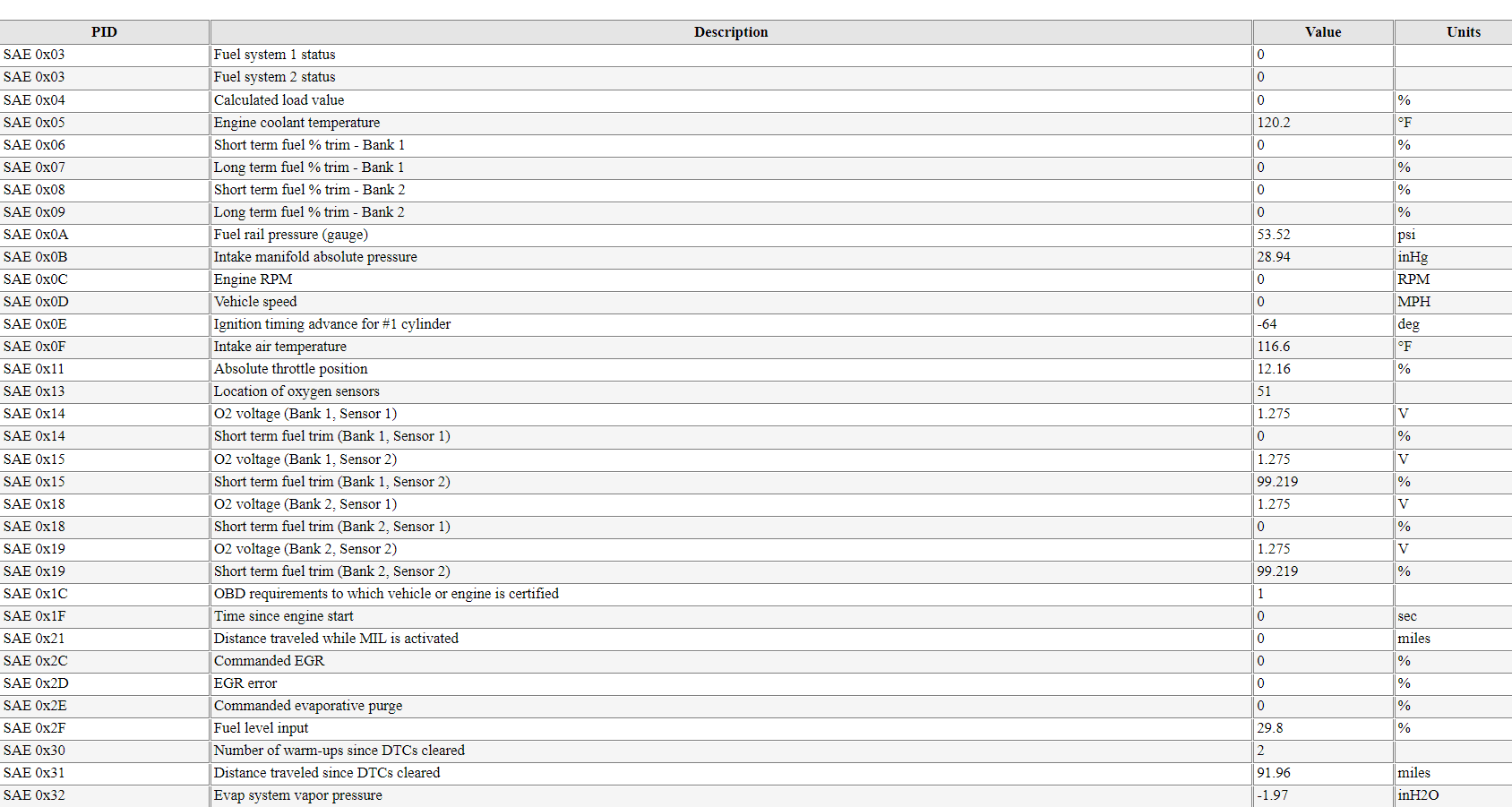
Below is a fraction of what any fool with the right tools can find on these (boy, I left myself wide open there, eh?)
There's so much more detail available, a bore scope is not likely needed to know what's truly going on, but if all else failed, piece of cake to do.
At least on the right bank.
The left bank you have to pull the intake to get the spark plugs out.
No reason for someone to tear into these so quickly, and frankly, I'd try some of my old-fashioned remedies for carbon before a tear down.
We used to run into carbon build up as something that happened as cars aged back in the 70s. (the coke bottle and water was a good way to clean 'em out)


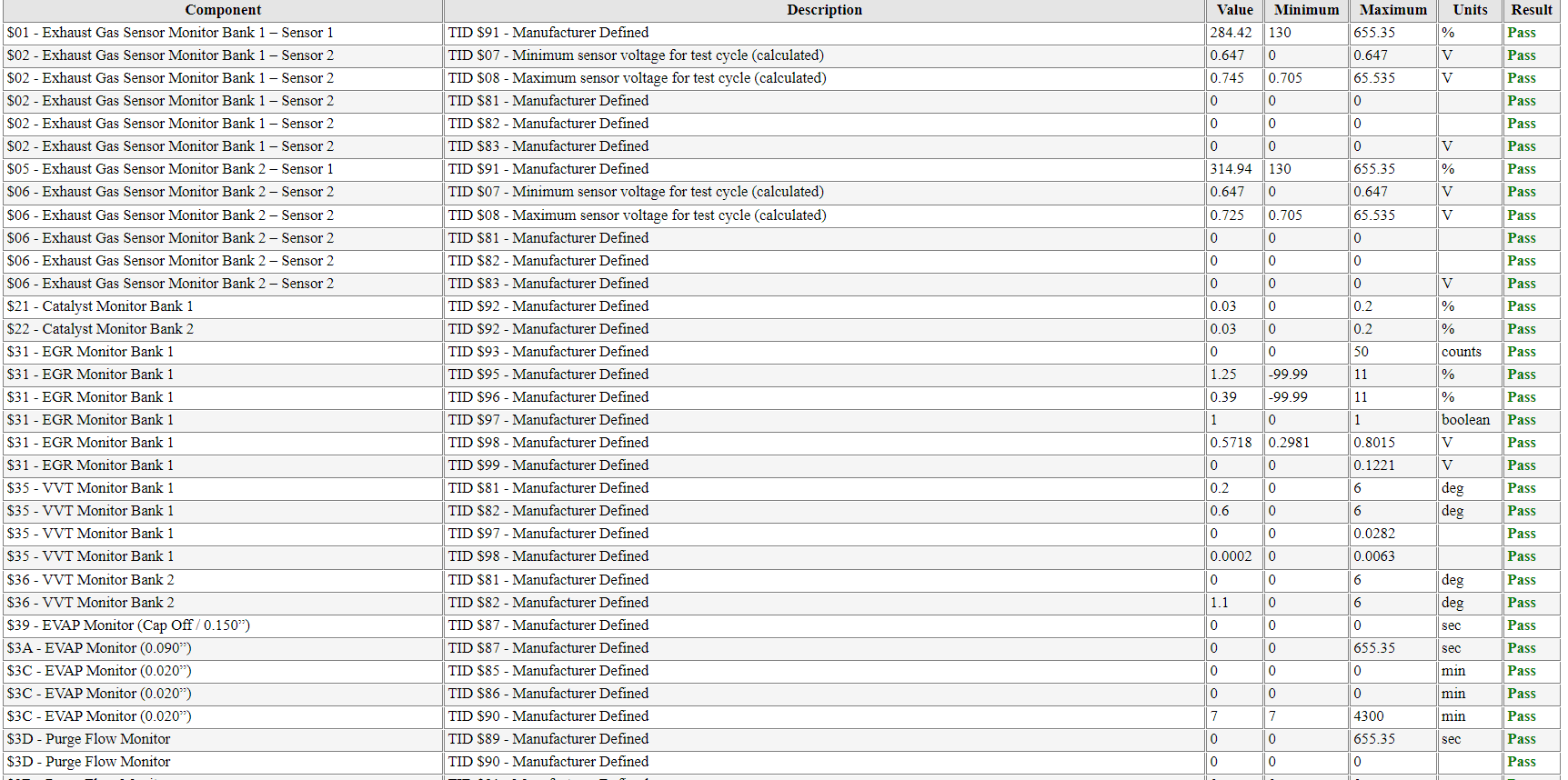
Jeep Gladiator CEL for Spark Knock AND P0300 fix 1667104597890


Jeep Gladiator CEL for Spark Knock AND P0300 fix 1667104648954

Fault code: P0303
PCM Mileage since MIL On: 0.00 miles
PCM Odometer: 950.27 miles
Open Loop - Bank 1: No
Closed Loop - Bank 1: Yes
Open Loop due to Driving Conditions - Bank 1: No
Open Loop with DTC - Bank 1: No
Closed Loop with DTC - Bank 1: No
Open Loop - Bank 2: No
Closed Loop - Bank 2: No
Open Loop due to Driving Conditions - Bank 2: No
Open Loop with DTC - Bank 2: No
Closed Loop with DTC - Bank 2: No
Engine load: 30.20 %
Freeze Frame Engine Coolant Temp: 66.00 Deg.C
Intake Air Temperature: 215.00 Deg.C
Ambient Air Temperature: 12.00 Deg.C
Short Term Fuel Trim - Bank 1: 12.49 %
Long Term Fuel Trim - Bank 1: -3.13 %
Short Term Fuel Trim - Bank 2: 9.37 %
Long Term Fuel Trim - Bank 2: -7.04 %
MAP Voltage: 1.96 V
MAP: 46 kPa
Atmospheric pressure: 97 kPa
Engine RPM: 875.00 rpm
Vehicle speed: 0 MPH
Throttle Position Sensor 1 Percent: 12.94 %
Battery voltage: 14.58 V
Fuel level: 95.69 %
Purge Solenoid Current: 0.00 mA
Purge Duty Cycle: 0.00 %
Idle Air Control (IAC) Current: 0.00 mA
Idle Air Control (IAC) Duty Cycle: 0.00 %
EGR Flow: 0.00 g/s
Current Adaptive Cell ID: 24
Spark advance: -2.00 Deg
AC Clutch: Disengaged
EGR Gassed Flowing: No
Power Steering High Pressure: No
AC Switch: Off
PRNDL in Gear: No
Brake switch: Pressed
Low Ethanol PWR Enrich Flag: No
Low Ethanol Therm Management Flag: No
Ethanol Gas For Sure: No
Ethanol Mode: No
Ethanol - 0% Blend Direction: No
Ethanol - 85% Blend Direction: No
Ethanol - Open Loop Fuelling: No
Ethanol Fine Tune Complete Previous: No
Ethanol Fuel Volume Changed: No
Ethanol Low Fuel: No
Ethanol Trigger On Fuel Volume Fault: No
Ethanol Trigger During Learn: No
Ethanol Learn: Disabled
Ethanol Course Update Ready to Learn: No
Ethanol Course Update: Not completed
Ethanol Fine Tune: Not completed
Actual Torque: 0.84 Nm
Potential Torque: 78.16 Nm
Target throttle position: 2.56 V
Electronic Throttle Control (ETC) Motor Directional Duty Cycle: -20.67 %DC
Electronic Throttle Control (ETC) Motor Duty Cycle: 20.67 %DC
Throttle position sensor 1: 2.58 V
Throttle position sensor 2: 17.42 V
Accelerator pedal sensor 10.44 V
Accelerator pedal sensor 20.22 V
Accelerator pedal position: 0.00 %
Brake switch 1: Released
Brake switch 2: Released
H-Bridge Circuit: Enabled
Ignition Run/Start Switch: On
Throttle Flow Adaptive: 0.13 g/s
Throttle Flow Multiplicative Adaptive: 2.00
PHI Adaptation Value: 0.00
Calculated MAP: 46.59 kPa
Ethanol Percent: 0.00 %
Turbo Boost Timer: 0.00 ms
Throttle Inlet Pressure: 0.00 kPa
Throttle Inlet Pressure Voltage: 320.34 V
Turbo Airport Mass Flow: 3.45 g/s
Turbo PRatio: 1.00
Turbo Torque Count: 0
Turbo Speed: 65535 rpm
Turbo Wastegate Duty Cycle: 200.01 %DC
Time since Run/Start: 45 sec
___________________
First Service Freeze Frame:
___________________
Fault code: P0303
PCM Mileage since MIL On: 0.00 miles
PCM Odometer: 950.27 miles
Open Loop - Bank 1: No
Closed Loop - Bank 1: Yes
Open Loop due to Driving Conditions - Bank 1: No
Open Loop with DTC - Bank 1: No
Closed Loop with DTC - Bank 1: No
Open Loop - Bank 2: No
Closed Loop - Bank 2: No
Open Loop due to Driving Conditions - Bank 2: No
Open Loop with DTC - Bank 2: No
Closed Loop with DTC - Bank 2: No
Engine load: 30.20 %
Freeze Frame Engine Coolant Temp: 66.00 Deg.C
Intake Air Temperature: 215.00 Deg.C
Ambient Air Temperature: 12.00 Deg.C
Short Term Fuel Trim - Bank 1: 12.49 %
Long Term Fuel Trim - Bank 1: -3.13 %
Short Term Fuel Trim - Bank 2: 9.37 %
Long Term Fuel Trim - Bank 2: -7.04 %
MAP Voltage: 1.96 V
MAP: 46 kPa
Atmospheric pressure: 97 kPa
Engine RPM: 875.00 rpm
Vehicle speed: 0 MPH
Throttle Position Sensor 1 Percent: 12.94 %
Battery voltage: 14.58 V
Fuel level: 95.69 %
Purge Solenoid Current: 0.00 mA
Purge Duty Cycle: 0.00 %
Idle Air Control (IAC) Current: 0.00 mA
Idle Air Control (IAC) Duty Cycle: 0.00 %
EGR Flow: 0.00 g/s
Current Adaptive Cell ID: 24
Spark advance: -2.00 Deg
AC Clutch: Disengaged
EGR Gassed Flowing: No
Power Steering High Pressure: No
AC Switch: Off
PRNDL in Gear: No
Brake switch: Pressed
Low Ethanol PWR Enrich Flag: No
Low Ethanol Therm Management Flag: No
Ethanol Gas For Sure: No
Ethanol Mode: No
Ethanol - 0% Blend Direction: No
Ethanol - 85% Blend Direction: No
Ethanol - Open Loop Fuelling: No
Ethanol Fine Tune Complete Previous: No
Ethanol Fuel Volume Changed: No
Ethanol Low Fuel: No
Ethanol Trigger On Fuel Volume Fault: No
Ethanol Trigger During Learn: No
Ethanol Learn: Disabled
Ethanol Course Update Ready to Learn: No
Ethanol Course Update: Not completed
Ethanol Fine Tune: Not completed
Actual Torque: 0.84 Nm
Potential Torque: 78.16 Nm
Target throttle position: 2.56 V
Electronic Throttle Control (ETC) Motor Directional Duty Cycle: -20.67 %DC
Electronic Throttle Control (ETC) Motor Duty Cycle: 20.67 %DC
Throttle position sensor 1: 2.58 V
Throttle position sensor 2: 17.42 V
Accelerator pedal sensor 10.44 V
Accelerator pedal sensor 20.22 V
Accelerator pedal position: 0.00 %
Brake switch 1: Released
Brake switch 2: Released
H-Bridge Circuit: Enabled
Ignition Run/Start Switch: On
Throttle Flow Adaptive: 0.13 g/s
Throttle Flow Multiplicative Adaptive: 2.00
PHI Adaptation Value: 0.00
Calculated MAP: 46.59 kPa
Ethanol Percent: 0.00 %
Turbo Boost Timer: 0.00 ms
Throttle Inlet Pressure: 0.00 kPa
Throttle Inlet Pressure Voltage: 320.34 V
Turbo Airport Mass Flow: 3.45 g/s
Turbo PRatio: 1.00
Turbo Torque Count: 0
Turbo Speed: 65535 rpm
Turbo Wastegate Duty Cycle: 200.01 %DC
Time since Run/Start: 45 sec
___________________
Second Service Freeze Frame:
___________________
PCM Mileage since MIL On: 0.00 miles
PCM Odometer: 0.00 miles
Open Loop - Bank 1: No
Closed Loop - Bank 1: No
Open Loop due to Driving Conditions - Bank 1: No
Open Loop with DTC - Bank 1: No
Closed Loop with DTC - Bank 1: No
Open Loop - Bank 2: No
Closed Loop - Bank 2: No
Open Loop due to Driving Conditions - Bank 2: No
Open Loop with DTC - Bank 2: No
Closed Loop with DTC - Bank 2: No
Engine load: 0.00 %
Freeze Frame Engine Coolant Temp: -40.00 Deg.C
Intake Air Temperature: 215.00 Deg.C
Ambient Air Temperature: -40.00 Deg.C
Short Term Fuel Trim - Bank 1: -100.00 %
Long Term Fuel Trim - Bank 1: -100.00 %
Short Term Fuel Trim - Bank 2: -100.00 %
Long Term Fuel Trim - Bank 2: -100.00 %
MAP Voltage: 0.00 V
MAP: 0 kPa
Atmospheric pressure: 0 kPa
Engine RPM: 0.00 rpm
Vehicle speed: 0 MPH
Throttle Position Sensor 1 Percent: 0.00 %
Battery voltage: 0.00 V
Fuel level: 0.00 %
Purge Solenoid Current: 0.00 mA
Purge Duty Cycle: 0.00 %
Idle Air Control (IAC) Current: 0.00 mA
Idle Air Control (IAC) Duty Cycle: 0.00 %
EGR Flow: 0.00 g/s
Current Adaptive Cell ID: 0
Spark advance: -64.00 Deg
AC Clutch: Disengaged
EGR Gassed Flowing: No
Power Steering High Pressure: No
AC Switch: Off
PRNDL in Gear: No
Brake switch: Not pressed
Low Ethanol PWR Enrich Flag: No
 
OP
OP

Allen_NC

Member
First Name
Allen
Joined
Oct 29, 2022
Threads
1
Messages
14
Reaction score
6
Location
Virginia Beach
Vehicle(s)
2022 Gladiator Rubicon
Occupation
US Navy
As usual, you said it far better than I.


No, and no, this is extremely unlikely to turn into any such thing.
This is the same engine design since 2015.
The PCV calibration may have been changed but the design of the PCV itself has been around since 2015 when it was changed to make it easier to service.
The only way to know is to have a parts person look up the specific PCV valves used in specific applications/models and years. The engine, however, went through big changes in 2015.
The WK I see is listed 2018 and later and yet the Grand Cherokee received the revised 3.6 a couple of years prior to that if I recall correctly. So why 2018 and later and not 2016? Likely a PCV part revision. I can't recall when Wrangler got this version of the 3.6
I'd be curious - did the RAM truck people see a similar TSB since the 3.6 has been used in cars and trucks, not just Jeeps?
This isn't a sky is falling thing and I suspect you are running into some less than good information.


And tech worth a crap is going to know what's what. The fact that true spark knock is so rare on this will keep it easier to diagnose. These just rarely ping. IT happens, don't get me wrong, but it's not as common as what the internet makes it look like.

I would hope that most so-called dealer techs know you don't tear into an engine because it has a ping!!
(Sounds like this is taking on a life of its own for some reason.)

As far as "can you look inside" - yes, absolutely. I've done it on a 390 that had a weird #8 thing going on with spark plugs and uneven running.
People scope inside engines all the time. It's easy and cheap with today's electronics, but there are other ways and things to look at first before going that far.
Heck, a good troubleshooter can read the details of what's going on in an engine and know what to look at and sneak up on the issue, not say hey, we have a ping, time to tear into it!

Below is a fraction of what any fool with the right tools can find on these (boy, I left myself wide open there, eh?)
There's so much more detail available, a bore scope is not likely needed to know what's truly going on, but if all else failed, piece of cake to do.
At least on the right bank.
The left bank you have to pull the intake to get the spark plugs out.
No reason for someone to tear into these so quickly, and frankly, I'd try some of my old-fashioned remedies for carbon before a tear down.
We used to run into carbon build up as something that happened as cars aged back in the 70s. (the coke bottle and water was a good way to clean 'em out)


1667104597890.png


1667104648954.png

Fault code: P0303
PCM Mileage since MIL On: 0.00 miles
PCM Odometer: 950.27 miles
Open Loop - Bank 1: No
Closed Loop - Bank 1: Yes
Open Loop due to Driving Conditions - Bank 1: No
Open Loop with DTC - Bank 1: No
Closed Loop with DTC - Bank 1: No
Open Loop - Bank 2: No
Closed Loop - Bank 2: No
Open Loop due to Driving Conditions - Bank 2: No
Open Loop with DTC - Bank 2: No
Closed Loop with DTC - Bank 2: No
Engine load: 30.20 %
Freeze Frame Engine Coolant Temp: 66.00 Deg.C
Intake Air Temperature: 215.00 Deg.C
Ambient Air Temperature: 12.00 Deg.C
Short Term Fuel Trim - Bank 1: 12.49 %
Long Term Fuel Trim - Bank 1: -3.13 %
Short Term Fuel Trim - Bank 2: 9.37 %
Long Term Fuel Trim - Bank 2: -7.04 %
MAP Voltage: 1.96 V
MAP: 46 kPa
Atmospheric pressure: 97 kPa
Engine RPM: 875.00 rpm
Vehicle speed: 0 MPH
Throttle Position Sensor 1 Percent: 12.94 %
Battery voltage: 14.58 V
Fuel level: 95.69 %
Purge Solenoid Current: 0.00 mA
Purge Duty Cycle: 0.00 %
Idle Air Control (IAC) Current: 0.00 mA
Idle Air Control (IAC) Duty Cycle: 0.00 %
EGR Flow: 0.00 g/s
Current Adaptive Cell ID: 24
Spark advance: -2.00 Deg
AC Clutch: Disengaged
EGR Gassed Flowing: No
Power Steering High Pressure: No
AC Switch: Off
PRNDL in Gear: No
Brake switch: Pressed
Low Ethanol PWR Enrich Flag: No
Low Ethanol Therm Management Flag: No
Ethanol Gas For Sure: No
Ethanol Mode: No
Ethanol - 0% Blend Direction: No
Ethanol - 85% Blend Direction: No
Ethanol - Open Loop Fuelling: No
Ethanol Fine Tune Complete Previous: No
Ethanol Fuel Volume Changed: No
Ethanol Low Fuel: No
Ethanol Trigger On Fuel Volume Fault: No
Ethanol Trigger During Learn: No
Ethanol Learn: Disabled
Ethanol Course Update Ready to Learn: No
Ethanol Course Update: Not completed
Ethanol Fine Tune: Not completed
Actual Torque: 0.84 Nm
Potential Torque: 78.16 Nm
Target throttle position: 2.56 V
Electronic Throttle Control (ETC) Motor Directional Duty Cycle: -20.67 %DC
Electronic Throttle Control (ETC) Motor Duty Cycle: 20.67 %DC
Throttle position sensor 1: 2.58 V
Throttle position sensor 2: 17.42 V
Accelerator pedal sensor 10.44 V
Accelerator pedal sensor 20.22 V
Accelerator pedal position: 0.00 %
Brake switch 1: Released
Brake switch 2: Released
H-Bridge Circuit: Enabled
Ignition Run/Start Switch: On
Throttle Flow Adaptive: 0.13 g/s
Throttle Flow Multiplicative Adaptive: 2.00
PHI Adaptation Value: 0.00
Calculated MAP: 46.59 kPa
Ethanol Percent: 0.00 %
Turbo Boost Timer: 0.00 ms
Throttle Inlet Pressure: 0.00 kPa
Throttle Inlet Pressure Voltage: 320.34 V
Turbo Airport Mass Flow: 3.45 g/s
Turbo PRatio: 1.00
Turbo Torque Count: 0
Turbo Speed: 65535 rpm
Turbo Wastegate Duty Cycle: 200.01 %DC
Time since Run/Start: 45 sec
___________________
First Service Freeze Frame:
___________________
Fault code: P0303
PCM Mileage since MIL On: 0.00 miles
PCM Odometer: 950.27 miles
Open Loop - Bank 1: No
Closed Loop - Bank 1: Yes
Open Loop due to Driving Conditions - Bank 1: No
Open Loop with DTC - Bank 1: No
Closed Loop with DTC - Bank 1: No
Open Loop - Bank 2: No
Closed Loop - Bank 2: No
Open Loop due to Driving Conditions - Bank 2: No
Open Loop with DTC - Bank 2: No
Closed Loop with DTC - Bank 2: No
Engine load: 30.20 %
Freeze Frame Engine Coolant Temp: 66.00 Deg.C
Intake Air Temperature: 215.00 Deg.C
Ambient Air Temperature: 12.00 Deg.C
Short Term Fuel Trim - Bank 1: 12.49 %
Long Term Fuel Trim - Bank 1: -3.13 %
Short Term Fuel Trim - Bank 2: 9.37 %
Long Term Fuel Trim - Bank 2: -7.04 %
MAP Voltage: 1.96 V
MAP: 46 kPa
Atmospheric pressure: 97 kPa
Engine RPM: 875.00 rpm
Vehicle speed: 0 MPH
Throttle Position Sensor 1 Percent: 12.94 %
Battery voltage: 14.58 V
Fuel level: 95.69 %
Purge Solenoid Current: 0.00 mA
Purge Duty Cycle: 0.00 %
Idle Air Control (IAC) Current: 0.00 mA
Idle Air Control (IAC) Duty Cycle: 0.00 %
EGR Flow: 0.00 g/s
Current Adaptive Cell ID: 24
Spark advance: -2.00 Deg
AC Clutch: Disengaged
EGR Gassed Flowing: No
Power Steering High Pressure: No
AC Switch: Off
PRNDL in Gear: No
Brake switch: Pressed
Low Ethanol PWR Enrich Flag: No
Low Ethanol Therm Management Flag: No
Ethanol Gas For Sure: No
Ethanol Mode: No
Ethanol - 0% Blend Direction: No
Ethanol - 85% Blend Direction: No
Ethanol - Open Loop Fuelling: No
Ethanol Fine Tune Complete Previous: No
Ethanol Fuel Volume Changed: No
Ethanol Low Fuel: No
Ethanol Trigger On Fuel Volume Fault: No
Ethanol Trigger During Learn: No
Ethanol Learn: Disabled
Ethanol Course Update Ready to Learn: No
Ethanol Course Update: Not completed
Ethanol Fine Tune: Not completed
Actual Torque: 0.84 Nm
Potential Torque: 78.16 Nm
Target throttle position: 2.56 V
Electronic Throttle Control (ETC) Motor Directional Duty Cycle: -20.67 %DC
Electronic Throttle Control (ETC) Motor Duty Cycle: 20.67 %DC
Throttle position sensor 1: 2.58 V
Throttle position sensor 2: 17.42 V
Accelerator pedal sensor 10.44 V
Accelerator pedal sensor 20.22 V
Accelerator pedal position: 0.00 %
Brake switch 1: Released
Brake switch 2: Released
H-Bridge Circuit: Enabled
Ignition Run/Start Switch: On
Throttle Flow Adaptive: 0.13 g/s
Throttle Flow Multiplicative Adaptive: 2.00
PHI Adaptation Value: 0.00
Calculated MAP: 46.59 kPa
Ethanol Percent: 0.00 %
Turbo Boost Timer: 0.00 ms
Throttle Inlet Pressure: 0.00 kPa
Throttle Inlet Pressure Voltage: 320.34 V
Turbo Airport Mass Flow: 3.45 g/s
Turbo PRatio: 1.00
Turbo Torque Count: 0
Turbo Speed: 65535 rpm
Turbo Wastegate Duty Cycle: 200.01 %DC
Time since Run/Start: 45 sec
___________________
Second Service Freeze Frame:
___________________
PCM Mileage since MIL On: 0.00 miles
PCM Odometer: 0.00 miles
Open Loop - Bank 1: No
Closed Loop - Bank 1: No
Open Loop due to Driving Conditions - Bank 1: No
Open Loop with DTC - Bank 1: No
Closed Loop with DTC - Bank 1: No
Open Loop - Bank 2: No
Closed Loop - Bank 2: No
Open Loop due to Driving Conditions - Bank 2: No
Open Loop with DTC - Bank 2: No
Closed Loop with DTC - Bank 2: No
Engine load: 0.00 %
Freeze Frame Engine Coolant Temp: -40.00 Deg.C
Intake Air Temperature: 215.00 Deg.C
Ambient Air Temperature: -40.00 Deg.C
Short Term Fuel Trim - Bank 1: -100.00 %
Long Term Fuel Trim - Bank 1: -100.00 %
Short Term Fuel Trim - Bank 2: -100.00 %
Long Term Fuel Trim - Bank 2: -100.00 %
MAP Voltage: 0.00 V
MAP: 0 kPa
Atmospheric pressure: 0 kPa
Engine RPM: 0.00 rpm
Vehicle speed: 0 MPH
Throttle Position Sensor 1 Percent: 0.00 %
Battery voltage: 0.00 V
Fuel level: 0.00 %
Purge Solenoid Current: 0.00 mA
Purge Duty Cycle: 0.00 %
Idle Air Control (IAC) Current: 0.00 mA
Idle Air Control (IAC) Duty Cycle: 0.00 %
EGR Flow: 0.00 g/s
Current Adaptive Cell ID: 0
Spark advance: -64.00 Deg
AC Clutch: Disengaged
EGR Gassed Flowing: No
Power Steering High Pressure: No
AC Switch: Off
PRNDL in Gear: No
Brake switch: Not pressed
Low Ethanol PWR Enrich Flag: No

thats the whole point sir... is that Mopar is directing them to do this... hence why im perfectly fine with my band aid, and a new PCV when the parts arrive. very rarely will you get a better head seal than the factory one, and im not ready to let them do this.
 

Sponsored

OP
OP

Allen_NC

Member
First Name
Allen
Joined
Oct 29, 2022
Threads
1
Messages
14
Reaction score
6
Location
Virginia Beach
Vehicle(s)
2022 Gladiator Rubicon
Occupation
US Navy
As usual, you said it far better than I.


No, and no, this is extremely unlikely to turn into any such thing.
This is the same engine design since 2015.
The PCV calibration may have been changed but the design of the PCV itself has been around since 2015 when it was changed to make it easier to service.
The only way to know is to have a parts person look up the specific PCV valves used in specific applications/models and years. The engine, however, went through big changes in 2015.
The WK I see is listed 2018 and later and yet the Grand Cherokee received the revised 3.6 a couple of years prior to that if I recall correctly. So why 2018 and later and not 2016? Likely a PCV part revision. I can't recall when Wrangler got this version of the 3.6
I'd be curious - did the RAM truck people see a similar TSB since the 3.6 has been used in cars and trucks, not just Jeeps?
This isn't a sky is falling thing and I suspect you are running into some less than good information.


And tech worth a crap is going to know what's what. The fact that true spark knock is so rare on this will keep it easier to diagnose. These just rarely ping. IT happens, don't get me wrong, but it's not as common as what the internet makes it look like.

I would hope that most so-called dealer techs know you don't tear into an engine because it has a ping!!
(Sounds like this is taking on a life of its own for some reason.)

As far as "can you look inside" - yes, absolutely. I've done it on a 390 that had a weird #8 thing going on with spark plugs and uneven running.
People scope inside engines all the time. It's easy and cheap with today's electronics, but there are other ways and things to look at first before going that far.
Heck, a good troubleshooter can read the details of what's going on in an engine and know what to look at and sneak up on the issue, not say hey, we have a ping, time to tear into it!

Below is a fraction of what any fool with the right tools can find on these (boy, I left myself wide open there, eh?)
There's so much more detail available, a bore scope is not likely needed to know what's truly going on, but if all else failed, piece of cake to do.
At least on the right bank.
The left bank you have to pull the intake to get the spark plugs out.
No reason for someone to tear into these so quickly, and frankly, I'd try some of my old-fashioned remedies for carbon before a tear down.
We used to run into carbon build up as something that happened as cars aged back in the 70s. (the coke bottle and water was a good way to clean 'em out)


1667104597890.png


1667104648954.png

Fault code: P0303
PCM Mileage since MIL On: 0.00 miles
PCM Odometer: 950.27 miles
Open Loop - Bank 1: No
Closed Loop - Bank 1: Yes
Open Loop due to Driving Conditions - Bank 1: No
Open Loop with DTC - Bank 1: No
Closed Loop with DTC - Bank 1: No
Open Loop - Bank 2: No
Closed Loop - Bank 2: No
Open Loop due to Driving Conditions - Bank 2: No
Open Loop with DTC - Bank 2: No
Closed Loop with DTC - Bank 2: No
Engine load: 30.20 %
Freeze Frame Engine Coolant Temp: 66.00 Deg.C
Intake Air Temperature: 215.00 Deg.C
Ambient Air Temperature: 12.00 Deg.C
Short Term Fuel Trim - Bank 1: 12.49 %
Long Term Fuel Trim - Bank 1: -3.13 %
Short Term Fuel Trim - Bank 2: 9.37 %
Long Term Fuel Trim - Bank 2: -7.04 %
MAP Voltage: 1.96 V
MAP: 46 kPa
Atmospheric pressure: 97 kPa
Engine RPM: 875.00 rpm
Vehicle speed: 0 MPH
Throttle Position Sensor 1 Percent: 12.94 %
Battery voltage: 14.58 V
Fuel level: 95.69 %
Purge Solenoid Current: 0.00 mA
Purge Duty Cycle: 0.00 %
Idle Air Control (IAC) Current: 0.00 mA
Idle Air Control (IAC) Duty Cycle: 0.00 %
EGR Flow: 0.00 g/s
Current Adaptive Cell ID: 24
Spark advance: -2.00 Deg
AC Clutch: Disengaged
EGR Gassed Flowing: No
Power Steering High Pressure: No
AC Switch: Off
PRNDL in Gear: No
Brake switch: Pressed
Low Ethanol PWR Enrich Flag: No
Low Ethanol Therm Management Flag: No
Ethanol Gas For Sure: No
Ethanol Mode: No
Ethanol - 0% Blend Direction: No
Ethanol - 85% Blend Direction: No
Ethanol - Open Loop Fuelling: No
Ethanol Fine Tune Complete Previous: No
Ethanol Fuel Volume Changed: No
Ethanol Low Fuel: No
Ethanol Trigger On Fuel Volume Fault: No
Ethanol Trigger During Learn: No
Ethanol Learn: Disabled
Ethanol Course Update Ready to Learn: No
Ethanol Course Update: Not completed
Ethanol Fine Tune: Not completed
Actual Torque: 0.84 Nm
Potential Torque: 78.16 Nm
Target throttle position: 2.56 V
Electronic Throttle Control (ETC) Motor Directional Duty Cycle: -20.67 %DC
Electronic Throttle Control (ETC) Motor Duty Cycle: 20.67 %DC
Throttle position sensor 1: 2.58 V
Throttle position sensor 2: 17.42 V
Accelerator pedal sensor 10.44 V
Accelerator pedal sensor 20.22 V
Accelerator pedal position: 0.00 %
Brake switch 1: Released
Brake switch 2: Released
H-Bridge Circuit: Enabled
Ignition Run/Start Switch: On
Throttle Flow Adaptive: 0.13 g/s
Throttle Flow Multiplicative Adaptive: 2.00
PHI Adaptation Value: 0.00
Calculated MAP: 46.59 kPa
Ethanol Percent: 0.00 %
Turbo Boost Timer: 0.00 ms
Throttle Inlet Pressure: 0.00 kPa
Throttle Inlet Pressure Voltage: 320.34 V
Turbo Airport Mass Flow: 3.45 g/s
Turbo PRatio: 1.00
Turbo Torque Count: 0
Turbo Speed: 65535 rpm
Turbo Wastegate Duty Cycle: 200.01 %DC
Time since Run/Start: 45 sec
___________________
First Service Freeze Frame:
___________________
Fault code: P0303
PCM Mileage since MIL On: 0.00 miles
PCM Odometer: 950.27 miles
Open Loop - Bank 1: No
Closed Loop - Bank 1: Yes
Open Loop due to Driving Conditions - Bank 1: No
Open Loop with DTC - Bank 1: No
Closed Loop with DTC - Bank 1: No
Open Loop - Bank 2: No
Closed Loop - Bank 2: No
Open Loop due to Driving Conditions - Bank 2: No
Open Loop with DTC - Bank 2: No
Closed Loop with DTC - Bank 2: No
Engine load: 30.20 %
Freeze Frame Engine Coolant Temp: 66.00 Deg.C
Intake Air Temperature: 215.00 Deg.C
Ambient Air Temperature: 12.00 Deg.C
Short Term Fuel Trim - Bank 1: 12.49 %
Long Term Fuel Trim - Bank 1: -3.13 %
Short Term Fuel Trim - Bank 2: 9.37 %
Long Term Fuel Trim - Bank 2: -7.04 %
MAP Voltage: 1.96 V
MAP: 46 kPa
Atmospheric pressure: 97 kPa
Engine RPM: 875.00 rpm
Vehicle speed: 0 MPH
Throttle Position Sensor 1 Percent: 12.94 %
Battery voltage: 14.58 V
Fuel level: 95.69 %
Purge Solenoid Current: 0.00 mA
Purge Duty Cycle: 0.00 %
Idle Air Control (IAC) Current: 0.00 mA
Idle Air Control (IAC) Duty Cycle: 0.00 %
EGR Flow: 0.00 g/s
Current Adaptive Cell ID: 24
Spark advance: -2.00 Deg
AC Clutch: Disengaged
EGR Gassed Flowing: No
Power Steering High Pressure: No
AC Switch: Off
PRNDL in Gear: No
Brake switch: Pressed
Low Ethanol PWR Enrich Flag: No
Low Ethanol Therm Management Flag: No
Ethanol Gas For Sure: No
Ethanol Mode: No
Ethanol - 0% Blend Direction: No
Ethanol - 85% Blend Direction: No
Ethanol - Open Loop Fuelling: No
Ethanol Fine Tune Complete Previous: No
Ethanol Fuel Volume Changed: No
Ethanol Low Fuel: No
Ethanol Trigger On Fuel Volume Fault: No
Ethanol Trigger During Learn: No
Ethanol Learn: Disabled
Ethanol Course Update Ready to Learn: No
Ethanol Course Update: Not completed
Ethanol Fine Tune: Not completed
Actual Torque: 0.84 Nm
Potential Torque: 78.16 Nm
Target throttle position: 2.56 V
Electronic Throttle Control (ETC) Motor Directional Duty Cycle: -20.67 %DC
Electronic Throttle Control (ETC) Motor Duty Cycle: 20.67 %DC
Throttle position sensor 1: 2.58 V
Throttle position sensor 2: 17.42 V
Accelerator pedal sensor 10.44 V
Accelerator pedal sensor 20.22 V
Accelerator pedal position: 0.00 %
Brake switch 1: Released
Brake switch 2: Released
H-Bridge Circuit: Enabled
Ignition Run/Start Switch: On
Throttle Flow Adaptive: 0.13 g/s
Throttle Flow Multiplicative Adaptive: 2.00
PHI Adaptation Value: 0.00
Calculated MAP: 46.59 kPa
Ethanol Percent: 0.00 %
Turbo Boost Timer: 0.00 ms
Throttle Inlet Pressure: 0.00 kPa
Throttle Inlet Pressure Voltage: 320.34 V
Turbo Airport Mass Flow: 3.45 g/s
Turbo PRatio: 1.00
Turbo Torque Count: 0
Turbo Speed: 65535 rpm
Turbo Wastegate Duty Cycle: 200.01 %DC
Time since Run/Start: 45 sec
___________________
Second Service Freeze Frame:
___________________
PCM Mileage since MIL On: 0.00 miles
PCM Odometer: 0.00 miles
Open Loop - Bank 1: No
Closed Loop - Bank 1: No
Open Loop due to Driving Conditions - Bank 1: No
Open Loop with DTC - Bank 1: No
Closed Loop with DTC - Bank 1: No
Open Loop - Bank 2: No
Closed Loop - Bank 2: No
Open Loop due to Driving Conditions - Bank 2: No
Open Loop with DTC - Bank 2: No
Closed Loop with DTC - Bank 2: No
Engine load: 0.00 %
Freeze Frame Engine Coolant Temp: -40.00 Deg.C
Intake Air Temperature: 215.00 Deg.C
Ambient Air Temperature: -40.00 Deg.C
Short Term Fuel Trim - Bank 1: -100.00 %
Long Term Fuel Trim - Bank 1: -100.00 %
Short Term Fuel Trim - Bank 2: -100.00 %
Long Term Fuel Trim - Bank 2: -100.00 %
MAP Voltage: 0.00 V
MAP: 0 kPa
Atmospheric pressure: 0 kPa
Engine RPM: 0.00 rpm
Vehicle speed: 0 MPH
Throttle Position Sensor 1 Percent: 0.00 %
Battery voltage: 0.00 V
Fuel level: 0.00 %
Purge Solenoid Current: 0.00 mA
Purge Duty Cycle: 0.00 %
Idle Air Control (IAC) Current: 0.00 mA
Idle Air Control (IAC) Duty Cycle: 0.00 %
EGR Flow: 0.00 g/s
Current Adaptive Cell ID: 0
Spark advance: -64.00 Deg
AC Clutch: Disengaged
EGR Gassed Flowing: No
Power Steering High Pressure: No
AC Switch: Off
PRNDL in Gear: No
Brake switch: Not pressed
Low Ethanol PWR Enrich Flag: No


As to the quality of the information im getting, I hope its been made obvious, that some things are logical and good to go, while others made my neck hair stand up, and I got to dig. When it comes to digging, Its not unilateral question asking. It's concerning that they wont give a copy of the actual TSB in its entirety, and slightly less so that Mopar will divulge zero info on it.

We all have our trusted sources, and this time, theyre all singing the same song around here. Both Hall and Southern techs, and service foremen concurred that pulling the heads is what the company wants to happen.

Lastly, I dont even know how one would replace the PCV in these. Its almost against the firewall, and looks like there some kind of "pump" or blower assembly (round, bolted to the rear of the block on the passenger side) and is even stamped PCV something.
 

RJinPV

Well-Known Member
First Name
Roger
Joined
Jul 19, 2022
Threads
6
Messages
309
Reaction score
392
Location
Southern Cal
Vehicle(s)
2023 JT Rubicon, 2017 Grand Cherokee Trailhawk
Occupation
Retired
I didn't' expect to see something like this again. I had a 1979 Omni with a VW engine and they had bad valve stem seals. I had to pull the head myself and have a shop replace the seals. The PCV valve was always dripping with oil too. I had 1/2 inch of coked oil on top of the pistons. It was amazing. After I reinstalled the head it ran fine and I put over 100K miles on it before someone hit me on the freeway and totaled it. As I said, I never expected to see something similar to this again.
 

RJinPV

Well-Known Member
First Name
Roger
Joined
Jul 19, 2022
Threads
6
Messages
309
Reaction score
392
Location
Southern Cal
Vehicle(s)
2023 JT Rubicon, 2017 Grand Cherokee Trailhawk
Occupation
Retired
thats the whole point sir... is that Mopar is directing them to do this... hence why im perfectly fine with my band aid, and a new PCV when the parts arrive. very rarely will you get a better head seal than the factory one, and im not ready to let them do this.
I had a 2011 Dodge with a Pentastar engine and back then they messed up on some of the head castings which had cracks. The dealer replaced one head and it ran fine. Later the second head developed the same problem and they had to replace that one too. Again, engine ran fine for years after that. So, I'm not so hesitant to have a dealer pull the heads. I would be hesitant if all they do is clean things up and don't really fix the root cause of the oil coking in the first place. That would be too much risk with no reward.
 

BearFootSam

Well-Known Member
First Name
Jim
Joined
Oct 12, 2022
Threads
9
Messages
675
Reaction score
952
Location
PNW
Vehicle(s)
22' Gladiator Rubicon
Occupation
Fed
Doesn’t the 3.6 use a centrifugal oil separator?
 

Hootbro

Well-Known Member
First Name
Don
Joined
Apr 13, 2019
Threads
57
Messages
10,192
Reaction score
19,961
Location
Delaware
Vehicle(s)
2025 Gladiator Sport
Doesn’t the 3.6 use a centrifugal oil separator?
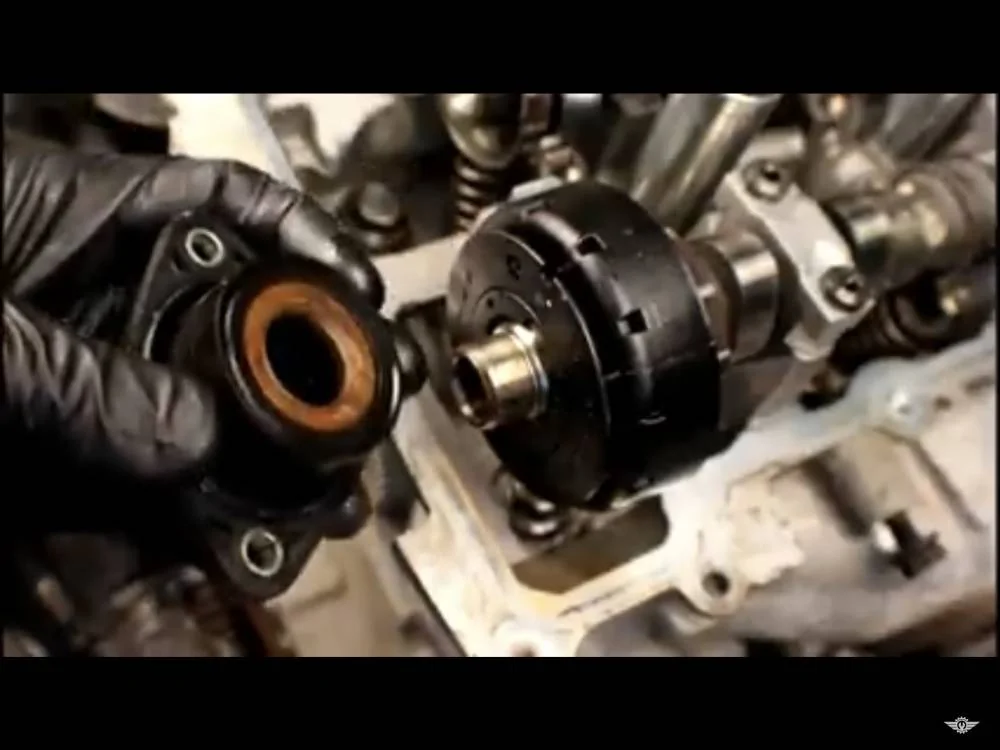
It does. It is on the back side of the RH exhaust cam and works in conjunction with the PCV to separate air and oil.

Jeep Gladiator CEL for Spark Knock AND P0300 fix FD8E751E-115D-4842-8AC8-6B4D4FD54891
 

Sponsored

Rusty PW

Well-Known Member
First Name
Russ
Joined
Jan 10, 2022
Threads
37
Messages
11,385
Reaction score
30,364
Location
Fayette Nam, Pennsyltucky
Website
www.youtube.com
Vehicle(s)
'22 JTRD, '11 370Z Nismo, '07 Honda VFR
Build Thread
Link
Occupation
Muff Diver
A lot of people now are using catch cans on just about everything. On the other forums I'm on. There are DIY threads for the installs. I had one on my Power Wagon and 2 on my Nismo. They do work. Thinking about putting one on my diesel.
 

BearFootSam

Well-Known Member
First Name
Jim
Joined
Oct 12, 2022
Threads
9
Messages
675
Reaction score
952
Location
PNW
Vehicle(s)
22' Gladiator Rubicon
Occupation
Fed
It does. It is on the back side of the RH exhaust cam and works in conjunction with the PCV to separate air and oil.

FD8E751E-115D-4842-8AC8-6B4D4FD54891.jpg
Thanks for confirming, honest question: Isn’t this a better solution than a catch can? My understanding is that centrifugal separators are not terribly common and do an excellent job of managing PCV blow by. A catch can would seem to be rudimentary in comparison.
 
OP
OP

Allen_NC

Member
First Name
Allen
Joined
Oct 29, 2022
Threads
1
Messages
14
Reaction score
6
Location
Virginia Beach
Vehicle(s)
2022 Gladiator Rubicon
Occupation
US Navy
Thanks for confirming, honest question: Isn’t this a better solution than a catch can? My understanding is that centrifugal separators are not terribly common and do an excellent job of managing PCV blow by. A catch can would seem to be rudimentary in comparison.
They may work, but not all the time, hence the TSB’s and new part numbers. Rudimentary yes, but more effective than the factory installed parts… also yes.
I’m getting about 1.5 ounces of oil per 500 miles in my catch. Dealer just replaced the PCV, so will see if that helps.
 

ShadowsPapa

Well-Known Member
First Name
Bill
Joined
Oct 12, 2019
Threads
247
Messages
40,459
Reaction score
53,901
Location
Runnells, Iowa
Vehicle(s)
'25 JTMX, '23 JLU 4xe, '82 SX4, '73 Javelin
Occupation
Retired auto mechanic, frmr gov't ntwrk security admin
Vehicle Showcase
3
Thanks for confirming, honest question: Isn’t this a better solution than a catch can? My understanding is that centrifugal separators are not terribly common and do an excellent job of managing PCV blow by. A catch can would seem to be rudimentary in comparison.
Smart fellow.

In many cases, it's an internet thing. Sort of like the YT video that says "before you buy a Gladiator, look at this" and they try to demonstrate that the engine is causing DW. Any fool with a fancy camera (or even cell phone) is now a troubleshooter and expert.
Too many of these "wow, look at this hose, it's WET!" or "wow, look at all of this oil I caught!" things out there are - bad info.
Most of what I've seen over the last couple of years is water - tan, like a Starbucks drink. it's not oil save for an ounce or two. They get the thing 1/3 filled and think they've caught a cup of oil and they have not.
And wet hoses? Like said in other threads - takes only a drop or two of oil to make the inside of that hose wet and shiny. And most are looking at it after a few thousand miles. Once wet, always wet. Dip your finger in oil, let the excess drip off and you can coat the inside of that hose so it looks like oil has been flowing through it.
I'm not saying or suggesting there is zero issue and no one has ever had a problem and there aren't some out there with a problem - but the wisdom of the web (used loosely, very) isn't typically a good way to judge the severity or frequency of any "issue".

I'd first ask anyone who is looking into a catch can -
do you have ping of detonation? True ping of detonation?
How much does the oil level drop in say, 2,000-4,000 miles?
Does it drop an appreciable amount?

Look at the photos of what the experts out there have caught in their catch can.
If it's not exactly like what you see when you drain your oil - it's not pure oil.
If it looks like it is a $5 drink from Starbucks, it's almost all water.
Oh, but oil can't mix with water! That's a fact!
Yeah, it can and does under the catch can scenario.
Emulsification. And no, it won't separate out. And it's almost all water. Congrats, you just caught several ounces of condensation.
If you think you caught 6 ounces of oil, then the oil in your crankcase has dropped by 6 ounces (or more because no catch system can be perfect)

There's a lot of these sold because of the expertise of peers saying "I installed one, everyone should".
Again, that isn't saying there is no issue on any engine - just that the internet isn't a great reason to install anything just because 10 people on a truck forum out there say it's needed.

We go back to what I bet I've said before - no, these aren't different than any other engine in that they don't have really high vacuum at idle more than other engines.
(not sure yet if these actually do this - but there are provisions for monitoring crankcase pressures in the software - is it enabled?)

There are many causes of "detonation" - so a knock doesn't mean your PCV is trouble without doing some true troubleshooting.
For those doing their own oil changes - the issue could be LSPI and not detonation. It's a "knock" but caused by oil that contributes to the possibility of pre-ignition at low RPM.
Before anyone jumps and says - proof the PCV is bad - no, it's caused by normal oil on the rings igniting under heat and pressure. So oil specs have changed. Swapping to a catch can won't resolve LSPI. Using a quality oil that's certified - tested to resist LSPI will help. It's not detonation although pre-ignition can cause detonation.

A TSB only means they've found an issue that impacted a number of people beyond whatever their threshold is. Not that everyone or even most will have said issue. They've found a possible problem, have redesigned a part and if there's a problem, look in this direction.

I have no concerns - the oil level in my truck doesn't drop between changes (not anything you can notice) and since engines don't create oil as they run - it's a good indication my PCV isn't allowing any oil volume through to be concerned about at all.
If my oil level was dropping enough I could see it - then I would be concerned and have this looked into. (likely I'd first use a scope to look into the cylinders)
But it's not. I have no ping from either detonation or pre-ignition. Engine is smooth and quiet.
Engines will also handle quite a bit of oil going through them before there's a real problem.
But I don't expect most to realize this because those jumping up and down on the internet about a small mount of oil have no long-term experience - they know what they read.
That and the fact hundreds of thousands of these post 2015 engines have gone tens of thousands of miles with no issues as far as oil, etc. says it's something to be aware of but certainly nothing to get excited about.

So the executive summary -

* If you have ping
and
you have an oil loss you can see on the dipstick after a couple thousand miles -
May as well have it looked at. The PCV system could be a problem.

* No ping and/or no drop in oil level for a couple thousand ,miles or more - no issue.
Get some rest.

* Beware of the catch can photos showing your tan-colored Starbucks drink. Only content that looks exactly like what you drain out of the pan is really oil.

* A wet PCV hose is proof of nothing. You want to see wet PCV hoses - I'll come up with a couple, and many pictures. All from normal engines.
Once wet, always wet. They won't magically dry up and look dull again inside. A drop of oil covers considerable real estate.

Some have issues - we can say this about almost any make engine. It happens. Is it a big deal with the 3.6? Not at all.

Oil in the PCV doesn't guarantee ping, doesn't guarantee "coking up" of things (unless you are one of the "short drives" owners. If you never get your engine hot, drive only 20-30 minutes at a time - you will have trouble)

Beware of all of these out there -

Jeep Gladiator CEL for Spark Knock AND P0300 fix 1671380973645
 
OP
OP

Allen_NC

Member
First Name
Allen
Joined
Oct 29, 2022
Threads
1
Messages
14
Reaction score
6
Location
Virginia Beach
Vehicle(s)
2022 Gladiator Rubicon
Occupation
US Navy
Smart fellow.

In many cases, it's an internet thing. Sort of like the YT video that says "before you buy a Gladiator, look at this" and they try to demonstrate that the engine is causing DW. Any fool with a fancy camera (or even cell phone) is now a troubleshooter and expert.
Too many of these "wow, look at this hose, it's WET!" or "wow, look at all of this oil I caught!" things out there are - bad info.
Most of what I've seen over the last couple of years is water - tan, like a Starbucks drink. it's not oil save for an ounce or two. They get the thing 1/3 filled and think they've caught a cup of oil and they have not.
And wet hoses? Like said in other threads - takes only a drop or two of oil to make the inside of that hose wet and shiny. And most are looking at it after a few thousand miles. Once wet, always wet. Dip your finger in oil, let the excess drip off and you can coat the inside of that hose so it looks like oil has been flowing through it.
I'm not saying or suggesting there is zero issue and no one has ever had a problem and there aren't some out there with a problem - but the wisdom of the web (used loosely, very) isn't typically a good way to judge the severity or frequency of any "issue".

I'd first ask anyone who is looking into a catch can -
do you have ping of detonation? True ping of detonation?
How much does the oil level drop in say, 2,000-4,000 miles?
Does it drop an appreciable amount?

Look at the photos of what the experts out there have caught in their catch can.
If it's not exactly like what you see when you drain your oil - it's not pure oil.
If it looks like it is a $5 drink from Starbucks, it's almost all water.
Oh, but oil can't mix with water! That's a fact!
Yeah, it can and does under the catch can scenario.
Emulsification. And no, it won't separate out. And it's almost all water. Congrats, you just caught several ounces of condensation.
If you think you caught 6 ounces of oil, then the oil in your crankcase has dropped by 6 ounces (or more because no catch system can be perfect)

There's a lot of these sold because of the expertise of peers saying "I installed one, everyone should".
Again, that isn't saying there is no issue on any engine - just that the internet isn't a great reason to install anything just because 10 people on a truck forum out there say it's needed.

We go back to what I bet I've said before - no, these aren't different than any other engine in that they don't have really high vacuum at idle more than other engines.
(not sure yet if these actually do this - but there are provisions for monitoring crankcase pressures in the software - is it enabled?)

There are many causes of "detonation" - so a knock doesn't mean your PCV is trouble without doing some true troubleshooting.
For those doing their own oil changes - the issue could be LSPI and not detonation. It's a "knock" but caused by oil that contributes to the possibility of pre-ignition at low RPM.
Before anyone jumps and says - proof the PCV is bad - no, it's caused by normal oil on the rings igniting under heat and pressure. So oil specs have changed. Swapping to a catch can won't resolve LSPI. Using a quality oil that's certified - tested to resist LSPI will help. It's not detonation although pre-ignition can cause detonation.

A TSB only means they've found an issue that impacted a number of people beyond whatever their threshold is. Not that everyone or even most will have said issue. They've found a possible problem, have redesigned a part and if there's a problem, look in this direction.

I have no concerns - the oil level in my truck doesn't drop between changes (not anything you can notice) and since engines don't create oil as they run - it's a good indication my PCV isn't allowing any oil volume through to be concerned about at all.
If my oil level was dropping enough I could see it - then I would be concerned and have this looked into. (likely I'd first use a scope to look into the cylinders)
But it's not. I have no ping from either detonation or pre-ignition. Engine is smooth and quiet.
Engines will also handle quite a bit of oil going through them before there's a real problem.
But I don't expect most to realize this because those jumping up and down on the internet about a small mount of oil have no long-term experience - they know what they read.
That and the fact hundreds of thousands of these post 2015 engines have gone tens of thousands of miles with no issues as far as oil, etc. says it's something to be aware of but certainly nothing to get excited about.

So the executive summary -

* If you have ping
and
you have an oil loss you can see on the dipstick after a couple thousand miles -
May as well have it looked at. The PCV system could be a problem.

* No ping and/or no drop in oil level for a couple thousand ,miles or more - no issue.
Get some rest.

* Beware of the catch can photos showing your tan-colored Starbucks drink. Only content that looks exactly like what you drain out of the pan is really oil.

* A wet PCV hose is proof of nothing. You want to see wet PCV hoses - I'll come up with a couple, and many pictures. All from normal engines.
Once wet, always wet. They won't magically dry up and look dull again inside. A drop of oil covers considerable real estate.

Some have issues - we can say this about almost any make engine. It happens. Is it a big deal with the 3.6? Not at all.

Oil in the PCV doesn't guarantee ping, doesn't guarantee "coking up" of things (unless you are one of the "short drives" owners. If you never get your engine hot, drive only 20-30 minutes at a time - you will have trouble)

Beware of all of these out there -

1671380973645.png
The shade…. But thanks for yet another 5000 word essay. If the caught result remained constant, my can would be catching ~20 ounces every 5000 miles. That’s significant, especially on a new motor.
Sponsored


Top