Sponsored

Oil Pressure fluctations

Andy29847

Well-Known Member
First Name
Andy
Joined
Oct 25, 2020
Threads
14
Messages
553
Reaction score
934
Location
South Carolina
Vehicle(s)
2020 Wrangler Rubicon, 2020 Gladiator Rubicon
Occupation
Retired
I recently read through an engine repair thread written by member NoDucksGiven - https://www.jeepgladiatorforum.com/forum/threads/cam-rockers-and-lash-adjusters-at-39k-miles.79055/

Judging from the engine repair write up NoDuckGiven posted, he is a smart and talented guy. He wrote something that I had not heard before:

Second, I'm making the oil pump WORK once per day of driving, crank up the rpms on an onramp to get that high oil pressure not seen under 3k rpm. This is to blow out anything building up in the tiny orifices in the rockers. The lobe lubrication can't come only from what leaks out of the cam bearings, if that were enough there wouldn't be an issue. There also needs to be oil being sprayed out of the exhaust rockers onto the lobes.
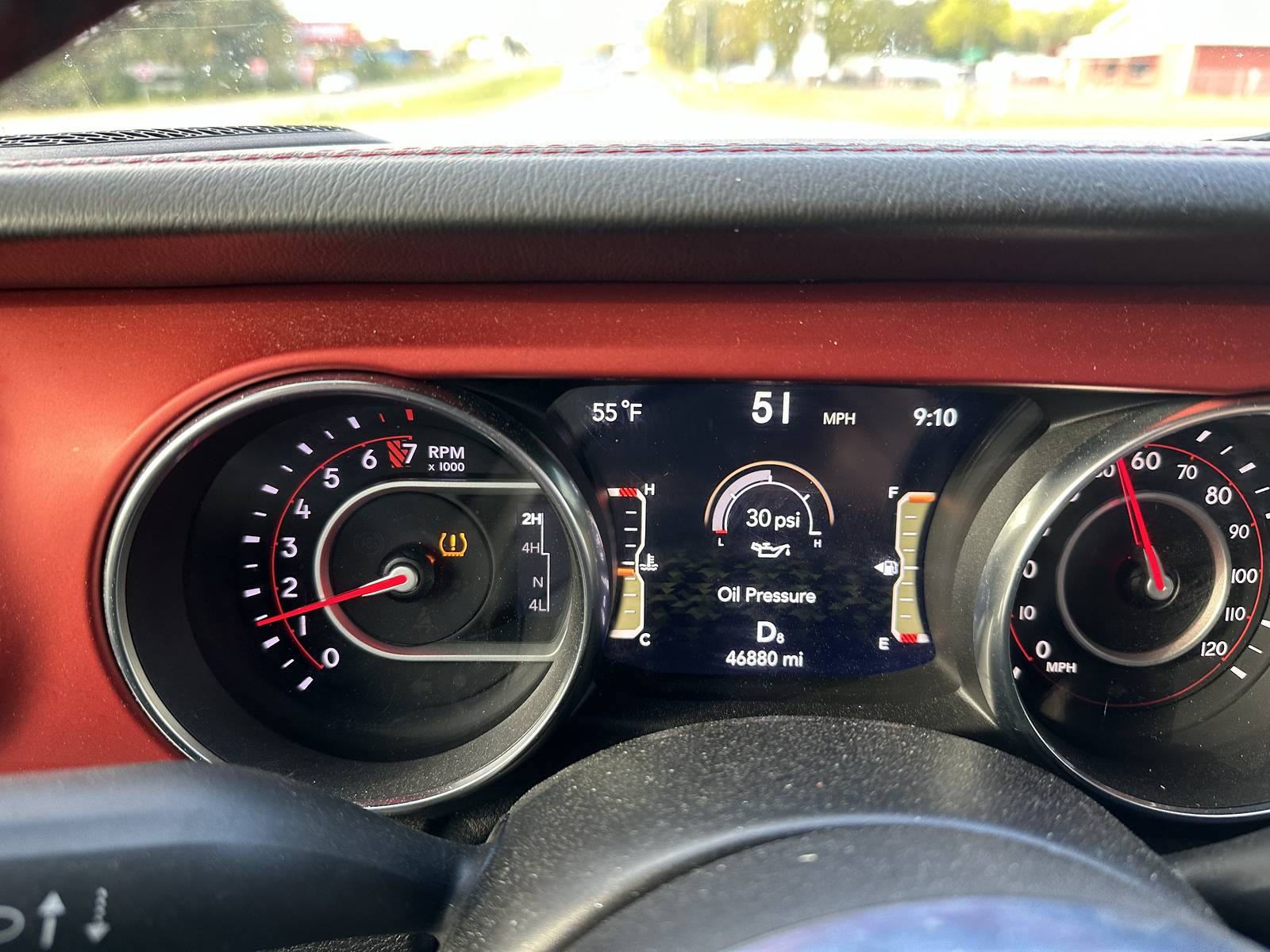
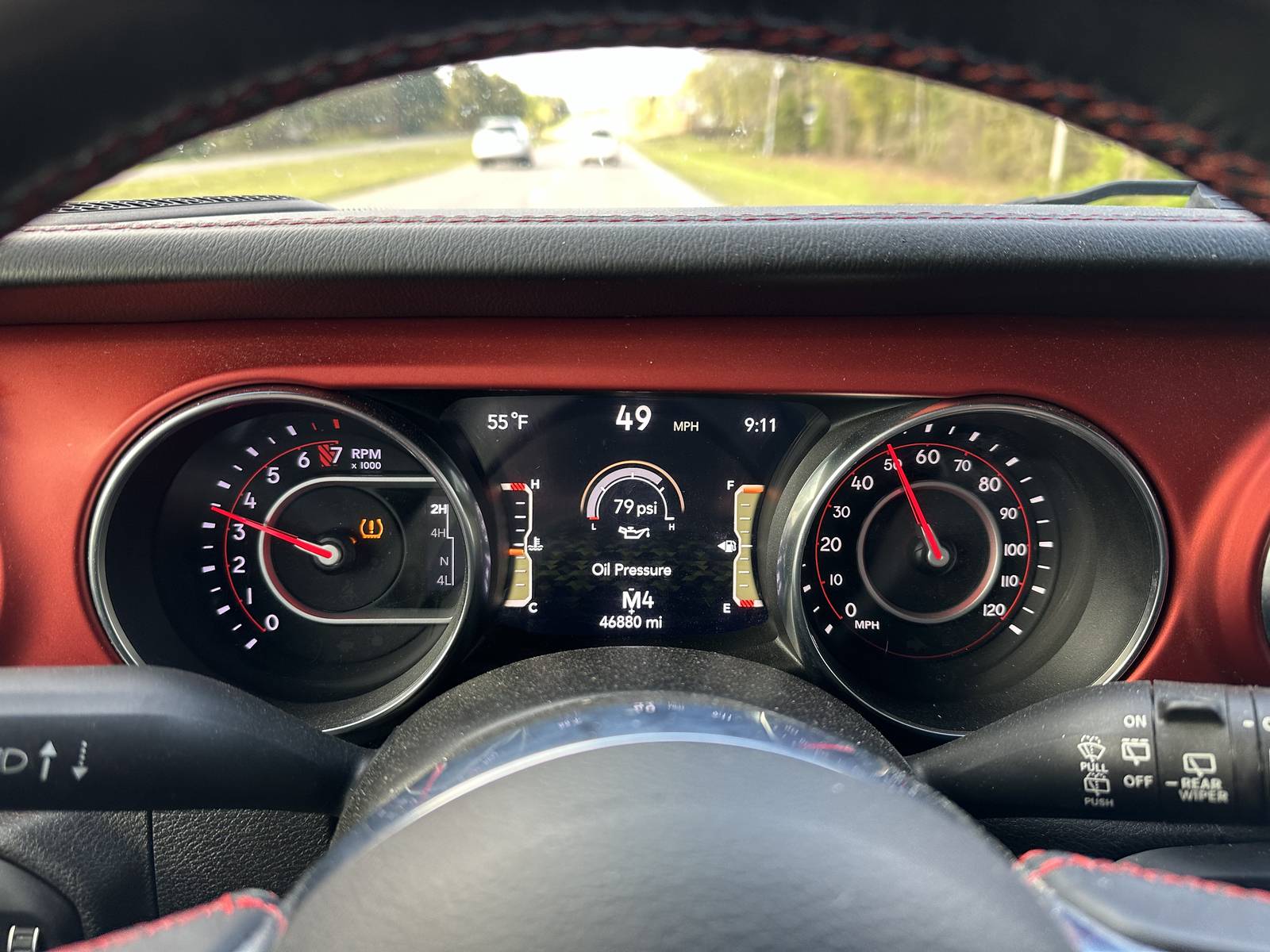
I guess I've been living under a rock. I've never heard anything like this before. I went out in my Jeep to try and verify what wrote. I still can't believe it. Wow what a difference.

Jeep Gladiator Oil Pressure fluctations i-Q5jXb3b-X3


Jeep Gladiator Oil Pressure fluctations i-HKjTMcg-X3


I'm still struggling with what to make of the findings. For sure I will start exercising my Jeep above 3K RPM occasionally.

What is the wisdom of the list?
Sponsored

 
Last edited:

NoDucksGiven

Active Member
First Name
Tim
Joined
Dec 29, 2022
Threads
4
Messages
27
Reaction score
23
Location
Wisconsin
Vehicle(s)
2022 Jeep Gladiator
Occupation
Lineman
Hey, thanks for the mention.
The pentastars have a variable pressure oil pump. There is a solenoid that opens and closes an oil channel that allows it to dump pressure. My assumption is that this is for fuel economy, but I'm not an engineer. I should have taken better pictures of the rockers during my repair, but on both the intake and exhaust rockers there are orifices running from where they sit on the lash adjusters aimed at the opposite cam lobes. These orifices are teeny tiny, prime spots for minor particulate to become lodged. Idk if this is for sure the issue that knocked out my cam, but it sure seems like a candidate. Increasing the oil pressure would be the easiest way to dislodge debris.
Blowing out some carbon isn't bad for it either.
 

Hootbro

Well-Known Member
First Name
Don
Joined
Apr 13, 2019
Threads
57
Messages
10,183
Reaction score
19,948
Location
Delaware
Vehicle(s)
2025 Gladiator Sport
That is an interesting theory. Do not know if I would subscribe to it, but I cannot say it is without some merit.

Unless you drive like a South Florida retiree, I would suspect most drivers already get the RPM's above 3500 RPM to engage the high pressure stage of the oil pump on most drives. Maybe it is a longer duration needed thing?

Question for @NoDucksGiven, when you replaced the cams mentioned in the other thread, how were the cylinder head bearing caps for the cams? Any scoring or other noticeable wear? I have always wondered why one almost never hears the heads being called for replacement on these worn cam issues. I would think if the cam lobes are getting chowdered, the bearing caps would also.
 

NoDucksGiven

Active Member
First Name
Tim
Joined
Dec 29, 2022
Threads
4
Messages
27
Reaction score
23
Location
Wisconsin
Vehicle(s)
2022 Jeep Gladiator
Occupation
Lineman
That is an interesting theory. Do not know if I would subscribe to it, but I cannot say it is without some merit.

Unless you drive like a South Florida retiree, I would suspect most drivers already get the RPM's above 3500 RPM to engage the high pressure stage of the oil pump on most drives. Maybe it is a longer duration needed thing?

Question for @NoDucksGiven, when you replaced the cams mentioned in the other thread, how were the cylinder head bearing caps for the cams? Any scoring or other noticeable wear? I have always wondered why one almost never hears the heads being called for replacement on these worn cam issues. I would think if the cam lobes are getting chowdered, the bearing caps would also.
Cam bearings looked fine. I had mentioned that the dealership wanted my mom's jeep to get a new head but those were also undamaged. All the metal particulate I found was extremely fine, my guess (and I emphasize guess), is that the larger particles got caught in the filter before reaching the Cam bearings and the smaller ones didn't have an affect.

As for the oil pressure thing, with my manual I rarely pushed the engine past 3k. Onramps here are long, and freeway speeds are slow, never had much need to open up the throttle. Now I make it a point to touch the floor on onramps. I have read elsewhere that it is recommended to do so by jeep. I think many people misinterpreted that as a means to build oil onto the cam lobe surfaces, but I don't see how that could be the case. If 30psi isn't enough for normal oiling, then they need a different system since the oil film is going to wear away fairly quickly after pressure drops.

I think the bigger issue is using flat tappet type rockers with low zinc oil, but that is a whole different conversation.
 

Rusty PW

Well-Known Member
First Name
Russ
Joined
Jan 10, 2022
Threads
37
Messages
11,358
Reaction score
30,311
Location
Fayette Nam, Pennsyltucky
Website
www.youtube.com
Vehicle(s)
'22 JTRD, '11 370Z Nismo, '07 Honda VFR
Build Thread
Link
Occupation
Muff Diver
It was recommend to blow the carbon out of the 5.7 Hemi's because of them eating cam lobes from the lack of oil. It been said that where the cam is located in the block. The cam sits high compared to other V8's. At low rpm's, the cam doesn't get a good spray of oil on it.
 

Sponsored

ShadowsPapa

Well-Known Member
First Name
Bill
Joined
Oct 12, 2019
Threads
247
Messages
40,442
Reaction score
53,860
Location
Runnells, Iowa
Vehicle(s)
'25 JTMX, '23 JLU 4xe, '82 SX4, '73 Javelin
Occupation
Retired auto mechanic, frmr gov't ntwrk security admin
Vehicle Showcase
3
The pentastars have a variable pressure oil pump.
It's a variable displacement or volume pump. More volume can build more pressure.
It's also a vane type pump rather than the gear pumps we are used to in the past.
Oil pressure is a waste of HP - in fact, even engine builders of the past (me being one) have said that you need 10 psi for each 1,000 RPM - so that means at 1,000 RPM, 10 psi is ok, 2,000 rpm - 20 psi and so on. Many believe that oil pressure is necessary to lubricate, volume is what lubricates, not pressure. As long as the volume is there, no one should care about pressure. Pressure does show there's enough volume since pressure is volume acting against a resistance. 30 psi means that there's enough volume to overcome any "leaks" or oil coming out of squirters (such as the piston cooling jets below) or the lash adjusters lubricating the cams through the holes in the followers.
Anyway, the solenoid kicks the pump between the two different volumes. When in the high volume mode it's regulated to higher pressure of about 80, in low volume mode it's regulated to a max of 30. Those are the maximums as i recall, you will see lower numbers with hot oil etc. and that's totally normal. 28 or 29 psi doesn't mean anything is wrong, just that it's not hitting the regulated maximum of 30 psi.

I don't need to try to get over 3,000 RPM - just driving around here I see it a lot because of the hills and wind. In fact, for a couple of miles or more mine stays in 5th or 6th to keep up speed between Pleasant Hill and Altoona - the highway is all up hill from PH, and you have to get up to speed quickly to keep from being flattened by the big rigs.

So It's a given - mine will see over 3,000 RPM on a daily basis, there's no need to push it.
Anyone who isn't seeing over 3,000 RPM must be driving with an egg on the pedal. There's no way I could even get to town without seeing that RPM just in normal driving, and that's not even driving it hard.
I recently read through an engine repair thread written by member NoDucksGiven - https://www.jeepgladiatorforum.com/forum/threads/cam-rockers-and-lash-adjusters-at-39k-miles.79055/

Judging from the engine repair write up NoDuckGiven posted, he is a smart and talented guy. He wrote something that I had not heard before:


I guess I've been living under a rock. I've never heard anything like this before. I went out in my Jeep to try and verify what wrote. I still can't believe it. Wow what a difference.

i-Q5jXb3b-X3.jpg


i-HKjTMcg-X3.jpg


I'm still struggling with what to make of the findings. For sure I will start exercising my Jeep above 3K RPM occasionally.

What is the wisdom of the list?
What findings are you talking about??

The followers/lobes are oiled by the holes in the followers - oil supplied by the lash adjusters. Even at 30 psi there's a whole lot of oil shot out. In fact, it's enough pressure to shoot oil clean across the engine bay. anyone who has worked on SBC engines adjusting rocker lash knows that at idle speeds and pressures of only about 20 psi the oil will shoot out over the fenders.
Don't know what there is to "blow out", they get plenty of lube.
Someone needs to run one of these at idle with a valve cover off and see just how much oil will shoot out.

All of this is covered well in another lengthy thread about oil pressure and so on - I think Charles even chimed in on that one (a MOPAR tech) - there's pictures and so on in at least a couple of threads I posted in.

It comes up every couple of months, it seems.
 

ZeeJay

Well-Known Member
First Name
Sure,Not
Joined
Mar 24, 2024
Threads
7
Messages
424
Reaction score
876
Location
Island of Misfit Toys
Vehicle(s)
98 5.9 Limited ZJ, 96 4.0 Laredo ZJ, 23 JT Willys
Occupation
What’s work?
It's a variable displacement or volume pump. More volume can build more pressure.
It's also a vane type pump rather than the gear pumps we are used to in the past.
Oil pressure is a waste of HP - in fact, even engine builders of the past (me being one) have said that you need 10 psi for each 1,000 RPM - so that means at 1,000 RPM, 10 psi is ok, 2,000 rpm - 20 psi and so on. Many believe that oil pressure is necessary to lubricate, volume is what lubricates, not pressure. As long as the volume is there, no one should care about pressure. Pressure does show there's enough volume since pressure is volume acting against a resistance. 30 psi means that there's enough volume to overcome any "leaks" or oil coming out of squirters (such as the piston cooling jets below) or the lash adjusters lubricating the cams through the holes in the followers.
Anyway, the solenoid kicks the pump between the two different volumes. When in the high volume mode it's regulated to higher pressure of about 80, in low volume mode it's regulated to a max of 30. Those are the maximums as i recall, you will see lower numbers with hot oil etc. and that's totally normal. 28 or 29 psi doesn't mean anything is wrong, just that it's not hitting the regulated maximum of 30 psi.

I don't need to try to get over 3,000 RPM - just driving around here I see it a lot because of the hills and wind. In fact, for a couple of miles or more mine stays in 5th or 6th to keep up speed between Pleasant Hill and Altoona - the highway is all up hill from PH, and you have to get up to speed quickly to keep from being flattened by the big rigs.

So It's a given - mine will see over 3,000 RPM on a daily basis, there's no need to push it.
Anyone who isn't seeing over 3,000 RPM must be driving with an egg on the pedal. There's no way I could even get to town without seeing that RPM just in normal driving, and that's not even driving it hard.


What findings are you talking about??

The followers/lobes are oiled by the holes in the followers - oil supplied by the lash adjusters. Even at 30 psi there's a whole lot of oil shot out. In fact, it's enough pressure to shoot oil clean across the engine bay. anyone who has worked on SBC engines adjusting rocker lash knows that at idle speeds and pressures of only about 20 psi the oil will shoot out over the fenders.
Don't know what there is to "blow out", they get plenty of lube.
Someone needs to run one of these at idle with a valve cover off and see just how much oil will shoot out.

All of this is covered well in another lengthy thread about oil pressure and so on - I think Charles even chimed in on that one (a MOPAR tech) - there's pictures and so on in at least a couple of threads I posted in.

It comes up every couple of months, it seems.
Not the same engine but the NT400 Cummins back in the day idled at 8 to 9 made 30 hot. That’s an over the road truck engine. I know why the design is being utilized to reduce parasitic loss, but I just can’t wrap my head around this oil thing. And your right it does pop up a lot.
 

NoDucksGiven

Active Member
First Name
Tim
Joined
Dec 29, 2022
Threads
4
Messages
27
Reaction score
23
Location
Wisconsin
Vehicle(s)
2022 Jeep Gladiator
Occupation
Lineman
It's a variable displacement or volume pump. More volume can build more pressure.
It's also a vane type pump rather than the gear pumps we are used to in the past.
Oil pressure is a waste of HP - in fact, even engine builders of the past (me being one) have said that you need 10 psi for each 1,000 RPM - so that means at 1,000 RPM, 10 psi is ok, 2,000 rpm - 20 psi and so on. Many believe that oil pressure is necessary to lubricate, volume is what lubricates, not pressure. As long as the volume is there, no one should care about pressure. Pressure does show there's enough volume since pressure is volume acting against a resistance. 30 psi means that there's enough volume to overcome any "leaks" or oil coming out of squirters (such as the piston cooling jets below) or the lash adjusters lubricating the cams through the holes in the followers.
Anyway, the solenoid kicks the pump between the two different volumes. When in the high volume mode it's regulated to higher pressure of about 80, in low volume mode it's regulated to a max of 30. Those are the maximums as i recall, you will see lower numbers with hot oil etc. and that's totally normal. 28 or 29 psi doesn't mean anything is wrong, just that it's not hitting the regulated maximum of 30 psi.

I don't need to try to get over 3,000 RPM - just driving around here I see it a lot because of the hills and wind. In fact, for a couple of miles or more mine stays in 5th or 6th to keep up speed between Pleasant Hill and Altoona - the highway is all up hill from PH, and you have to get up to speed quickly to keep from being flattened by the big rigs.

So It's a given - mine will see over 3,000 RPM on a daily basis, there's no need to push it.
Anyone who isn't seeing over 3,000 RPM must be driving with an egg on the pedal. There's no way I could even get to town without seeing that RPM just in normal driving, and that's not even driving it hard.


What findings are you talking about??

The followers/lobes are oiled by the holes in the followers - oil supplied by the lash adjusters. Even at 30 psi there's a whole lot of oil shot out. In fact, it's enough pressure to shoot oil clean across the engine bay. anyone who has worked on SBC engines adjusting rocker lash knows that at idle speeds and pressures of only about 20 psi the oil will shoot out over the fenders.
Don't know what there is to "blow out", they get plenty of lube.
Someone needs to run one of these at idle with a valve cover off and see just how much oil will shoot out.

All of this is covered well in another lengthy thread about oil pressure and so on - I think Charles even chimed in on that one (a MOPAR tech) - there's pictures and so on in at least a couple of threads I posted in.

It comes up every couple of months, it seems.
I don't have a better thought as to why every lobe on my bank 1 intake cam wore down to nothing but the bank 2 intake came was perfectly fine? Seems like an oil problem to me otherwise they would both be the same or at least similar. On the other jeep worked on it was only one lobe worn and 1 lobe starting. What else is going to cause wear in different places besides lack of oil. Oil gets particulate in it from carbon to dirt to w.e ends up in the engine it's why there is a filter. I'm not saying it's a lot, or even happens often but the orifices I saw on the rockers were tiny. I agree under normal circumstances they should be shooting oil clear across a garage, but I'm not talking about normal. If going through cams while doing proper maintenance is normal then I should just get rid of my gladiator now.

I also mentioned I have a manual not an automatic it didn't never hit 3k rpm but it certainly didn't get wound out unless I was towing. Midwest isn't exactly known for hills or high speed limits. Maybe I'll take a video.
 

ShadowsPapa

Well-Known Member
First Name
Bill
Joined
Oct 12, 2019
Threads
247
Messages
40,442
Reaction score
53,860
Location
Runnells, Iowa
Vehicle(s)
'25 JTMX, '23 JLU 4xe, '82 SX4, '73 Javelin
Occupation
Retired auto mechanic, frmr gov't ntwrk security admin
Vehicle Showcase
3
Midwest isn't exactly known for hills or high speed limits.
HAHA LOL - get that a lot from people who have never been here, or who listened to David Letterman years ago when he said "Iowa was as flat as a pancake", or people who have only ever driven around Belmond or I80 west between Des Moines and Omaha. But ask the OTR drivers about i80 east of here, and give some time for driving where I live, shop, go to church, or where my wife's family lives. Even the town of Pleasant Hill has some 5% grades on some streets. Great for sledding in the winter if you love speed. 8 speed automatics get a good workout here, you can see the big rig guys constantly downshifting, then upshifting, then down again.
The river areas tend to be flat, and the north and northwest areas because the glaciers shaved things flat, but they never made it here.

Oil gets particulate in it from carbon to dirt to w.e ends up in the engine it's why there is a filter.
Bingo - a filter. The only thing that sees unfiltered oil is the pump itself. Otherwise there's no "particulates" in the oil in the oil galleries. When you rebuild an engine, do all the cleaning in the oil galleries and passages, there's no carbon or chunks or particles in there. The only way that happens is with a bad filter or a bypass that opens - such as running the wrong viscosity forcing the bypass open and allowing unfiltered oil through. These also should not see carbon in the oil - if there is, you have other problems.

why every lobe on my bank 1 intake cam wore down to nothing but the bank 2 intake came was perfectly fine?
Well........ two different cams and grinds - possibly a different line making them, and different treatments, or something else going on with that bank.
If it was a matter of "pressure and needing to blow out the holes" then you'd see a more evenly spread breakdown situation - one bank indicates an issue on that side only. And frankly, the incidents of such destructive wear has dropped considerably since the 2020 model year. Not that it never happens, but the numbers have dropped dramatically. Yeah, I know, those who still end up with the problem aren't going to believe it, but it's something I've easily observed here over the years -if it's a 2020, there's a far greater chance of this issue, and generally the odd-numbered bank (can't say passenger or driver because of our Australian friends here), so odd, or right bank.

even happens often but the orifices I saw on the rockers were tiny.
Sort of tiny, yeah, for a reason. Garden hose, water system pressure of abut 70-80 psi (our well pump pressure tank range is 60-80) Turn on the faucet for full flow, water runs out and falls out of the end of the hose. Great for drinking out of, but not for squirting your ornery kid running around the yard with cold water. So you place a finger over the end to restrict the flow. Suddenly you can shoot that water 20 feet away.
If the holes were larger, the oil wouldn't "shoot across" the head to the other lobes and followers.
It's pure hydraulics and flow.

And of course, you aren't even riding the part that wears out below about 2800 rpm or so - it's only got a load on it during high lift. So if you rarely see 3,000 RPM - why would that wear out? It's not got pressure on it until it kicks into high lift mode, then it's like a flat tappet in a way (but worse because it doesn't rotate like a hydraulic lifter in flat tappet V8). So it makes really less sense that these tend to go to crap if they hardly ever see RPM above 3,000. That are isn't being used except for the follower just riding on it with only the load if the follower's internal spring against that surface.

I also mentioned I have a manual not an automatic it didn't never hit 3k rpm but it certainly didn't get wound out unless I was towing.
I have to wind things up here or not make the hills without lugging. The 4.0 in my SX4 with a T5 behind it sees 3500 RPM or so on a very regular basis. In fact, I generally don't shift below 3,000 RPM or better. I'd never be able to drive a manual JT here and not wind it up over 3,000 RPM just to get to town from here. My automatic JT sees 3500-4,000 rpm for a fair distance before it can shift up and maintain highway speed.
I can't imagine driving a manual transmission JT and not seeing more than 3,000 RPM 10 times just getting to town.
Sorry, having driven sticks since my very first car at age 14, I can't imagine staying below 3,000 RPM - especially with these - as that's the economy band, the low-lift area. I'd be lugging that little engine.


As an aside -
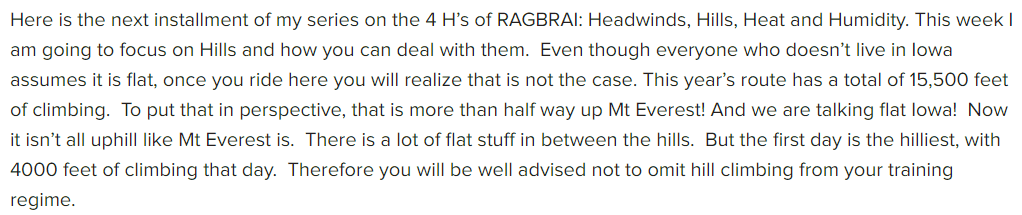
I need to post some more drone pics............ people might finally stop talking about our lack of hills or stop saying "but Iowa is pretty flat". Bicyclists come to our area to train. Ask RAGBRAI riders about "not being known for hills".
Jeep Gladiator Oil Pressure fluctations 1711895948523-qu

Jeep Gladiator Oil Pressure fluctations 1711896156586-xt
 

Minty JL

Well-Known Member
First Name
Jeremy
Joined
May 15, 2019
Threads
25
Messages
4,799
Reaction score
7,622
Location
Ft Meade, MD - AOR
Vehicle(s)
23 JTM - 19 JLUR - 22 Compass LTD - 04 355 ZQ8
Occupation
USA(R), DoD - Dirty Contractor
I drive my JTM like I stole it on a daily basis, guess I was ahead of my time.
 

Sponsored

ShadowsPapa

Well-Known Member
First Name
Bill
Joined
Oct 12, 2019
Threads
247
Messages
40,442
Reaction score
53,860
Location
Runnells, Iowa
Vehicle(s)
'25 JTMX, '23 JLU 4xe, '82 SX4, '73 Javelin
Occupation
Retired auto mechanic, frmr gov't ntwrk security admin
Vehicle Showcase
3
Not the same engine but the NT400 Cummins back in the day idled at 8 to 9 made 30 hot. That’s an over the road truck engine. I know why the design is being utilized to reduce parasitic loss, but I just can’t wrap my head around this oil thing. And your right it does pop up a lot.
Makes less sense that something has to be "blown out" because unless you have conditions that cause the filter bypass to open - there's no chunks or particles to get there. The only unfiltered oil is at the pump.
There should be no carbon - that's a high miles, lack of maintenance type thing. Filtered oil goes to the lash adjusters up to the followers to be shot over to the cam lobes.
 

ShadowsPapa

Well-Known Member
First Name
Bill
Joined
Oct 12, 2019
Threads
247
Messages
40,442
Reaction score
53,860
Location
Runnells, Iowa
Vehicle(s)
'25 JTMX, '23 JLU 4xe, '82 SX4, '73 Javelin
Occupation
Retired auto mechanic, frmr gov't ntwrk security admin
Vehicle Showcase
3
I drive my JTM like I stole it on a daily basis, guess I was ahead of my time.
LOL - Not sure if it's just me, or what's going on, but I keep seeing people posting who rarely ever see RPM above 3,000 as if they believe that's how it should be.
I can't even get to town with an automatic or a stick without getting over 3,000 RPM and with my JT, it often requires RPM 3500-4,000, even better, to get up to highway speed while climbing up the on-ramp which leads to a highway that is up-hill almost all the way to Altoona.
Then driving around the Merle Haye area on the NW side, I35/80, I often see only 6th or 7th gear for the several miles before I hit the river area due to the winds and hills.
There's no way I could drive a stick or automatic here and not see over 3,000 RPM - well, except with my wife's 4xe then the torque is so crazy it laughs at such conditions and stays in high gear, just kicking in the ICE for a bit of a boost.

Ahead of your time? Naw, you are more like the time I grew up in - RPM is where the power is.
Like I said, my 4.0 sees RPM above 3,000 every single time I drive it, even on our back-highways.

Maybe there's a reason I've not lost an engine yet? (damn, better find some wood to knock on! I do own a 3.6............)
 

Minty JL

Well-Known Member
First Name
Jeremy
Joined
May 15, 2019
Threads
25
Messages
4,799
Reaction score
7,622
Location
Ft Meade, MD - AOR
Vehicle(s)
23 JTM - 19 JLUR - 22 Compass LTD - 04 355 ZQ8
Occupation
USA(R), DoD - Dirty Contractor
LOL - Not sure if it's just me, or what's going on, but I keep seeing people posting who rarely ever see RPM above 3,000 as if they believe that's how it should be.
I can't even get to town with an automatic or a stick without getting over 3,000 RPM and with my JT, it often requires RPM 3500-4,000, even better, to get up to highway speed while climbing up the on-ramp which leads to a highway that is up-hill almost all the way to Altoona.
Then driving around the Merle Haye area on the NW side, I35/80, I often see only 6th or 7th gear for the several miles before I hit the river area due to the winds and hills.
There's no way I could drive a stick or automatic here and not see over 3,000 RPM - well, except with my wife's 4xe then the torque is so crazy it laughs at such conditions and stays in high gear, just kicking in the ICE for a bit of a boost.

Ahead of your time? Naw, you are more like the time I grew up in - RPM is where the power is.
Like I said, my 4.0 sees RPM above 3,000 every single time I drive it, even on our back-highways.

Maybe there's a reason I've not lost an engine yet? (damn, better find some wood to knock on! I do own a 3.6............)
LOL Bill.

I will be 45 this year........If I have a tach that goes to a certain RPM........I'm going to use what I paid for LOL
 

ShadowsPapa

Well-Known Member
First Name
Bill
Joined
Oct 12, 2019
Threads
247
Messages
40,442
Reaction score
53,860
Location
Runnells, Iowa
Vehicle(s)
'25 JTMX, '23 JLU 4xe, '82 SX4, '73 Javelin
Occupation
Retired auto mechanic, frmr gov't ntwrk security admin
Vehicle Showcase
3
LOL Bill.

I will be 45 this year........If I have a tach that goes to a certain RPM........I'm going to use what I paid for LOL
Dang, I have a son only 3 years behind you.

I can't forget the first time I took to I80 east here with my car hauler in tow behind the Silverado - Aluminum LS engine.
I hit those hills and the danged thing wound up to roughly 5,000 RPM and I was thinking @$% this thing's gonna blow just trying to make these hills! (I was used to the older tach redlines)
and each time it hit one of those hills, she'd kick down, the tach would jump up and I made sure I had my cell phone to call a tow truck.
When I got back from my trip, I called the sales guy - who laughed at me and said "no problem, they race versions of these things at much higher RPM - it's normal, not an issue.
When I bought the truck, I made sure it could handle my towing needs and the sales guy brought in a couple of other LS-equipped Silverado owners who towed huge boats, higher, wider and heavier than my car hauler, through tougher hills, never a problem. But they never told me that it would kick down multiple gears and wind up so high.
That Chevy got me out of that "engines redline at 5,000 RPM" state of mind from the old days. Heck, every Javelin I ever owned saw 3,000-3,5000 RPM on the highway in high gear. And those were old-tech, old-school engines with crazy reciprocating and rotating masses.
 

NoDucksGiven

Active Member
First Name
Tim
Joined
Dec 29, 2022
Threads
4
Messages
27
Reaction score
23
Location
Wisconsin
Vehicle(s)
2022 Jeep Gladiator
Occupation
Lineman
Seems like shadow knows a lot but is incapable of expressing it without being condescending.

Happy Jeeping Everyone!
Sponsored


Top