
Sponsored

Torque Front lower control arm

ShadowsPapa

Well-Known Member
First Name
Bill
Joined
Oct 12, 2019
Threads
247
Messages
40,440
Reaction score
53,853
Location
Runnells, Iowa
Vehicle(s)
'25 JTMX, '23 JLU 4xe, '82 SX4, '73 Javelin
Occupation
Retired auto mechanic, frmr gov't ntwrk security admin
Vehicle Showcase
3
I'm not sure still why torquing the front lower control arm to frame bolt is a big deal. It's easy.
The uppers are pain in the back side, the lowers are simple.

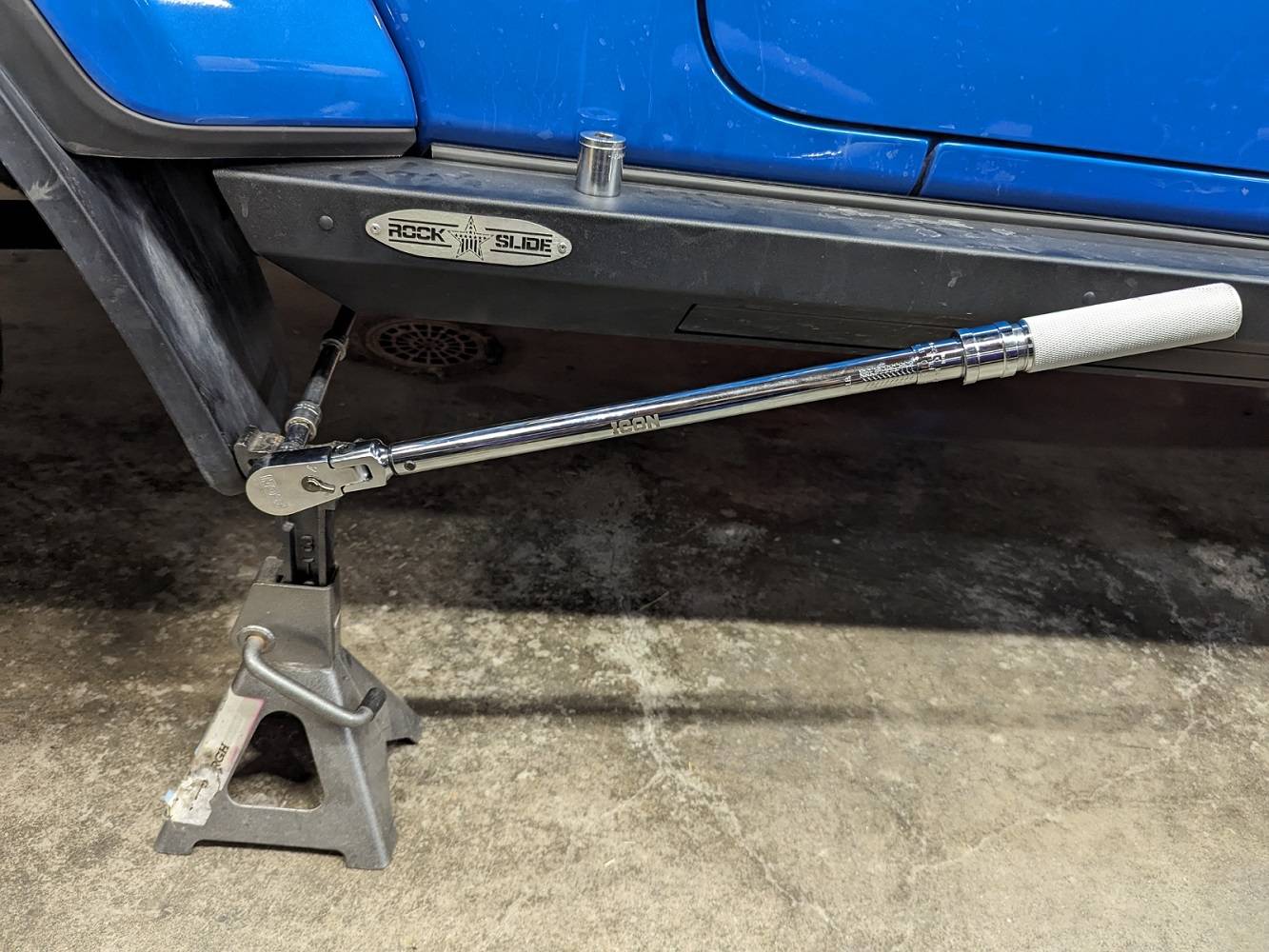
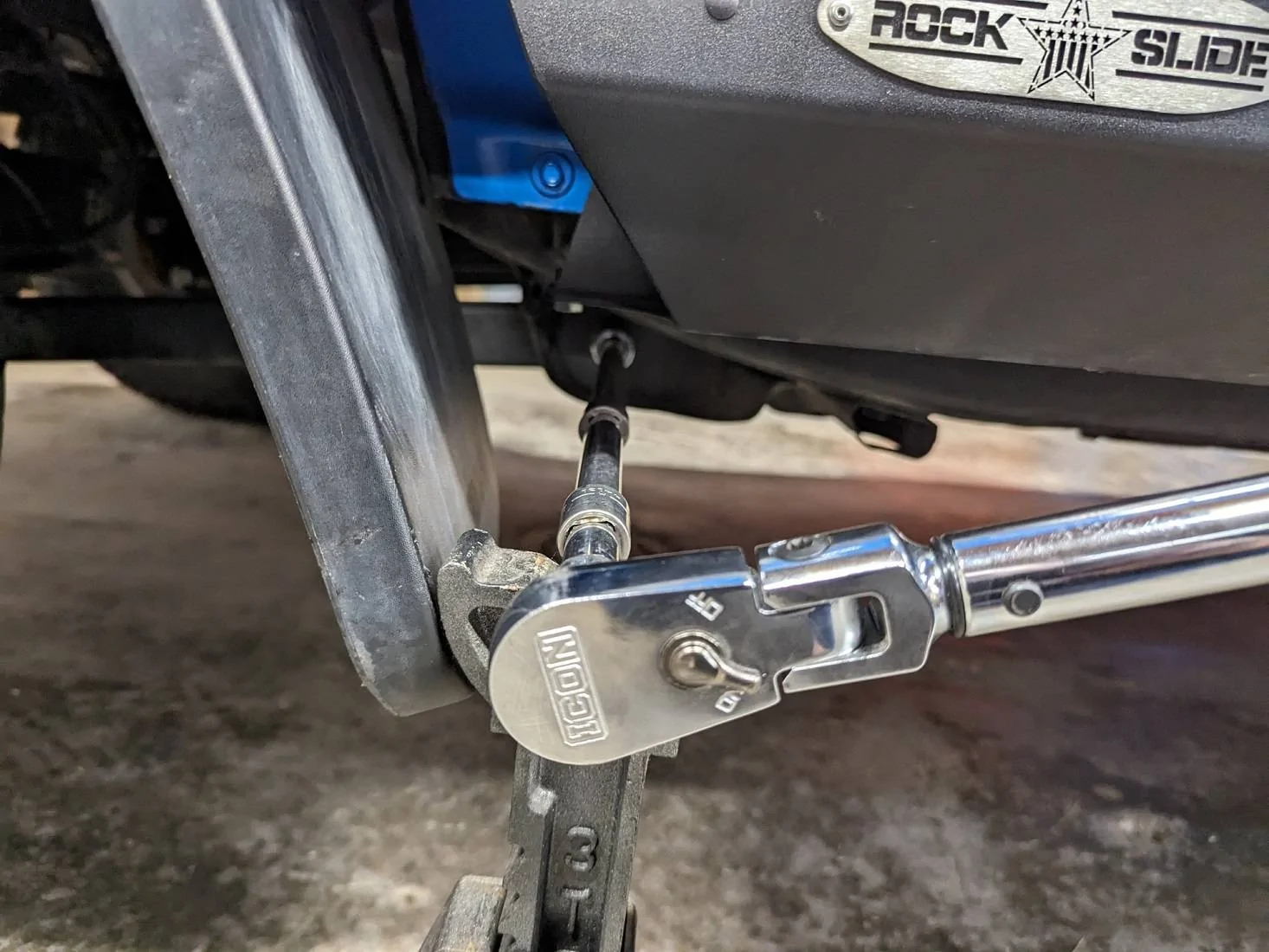
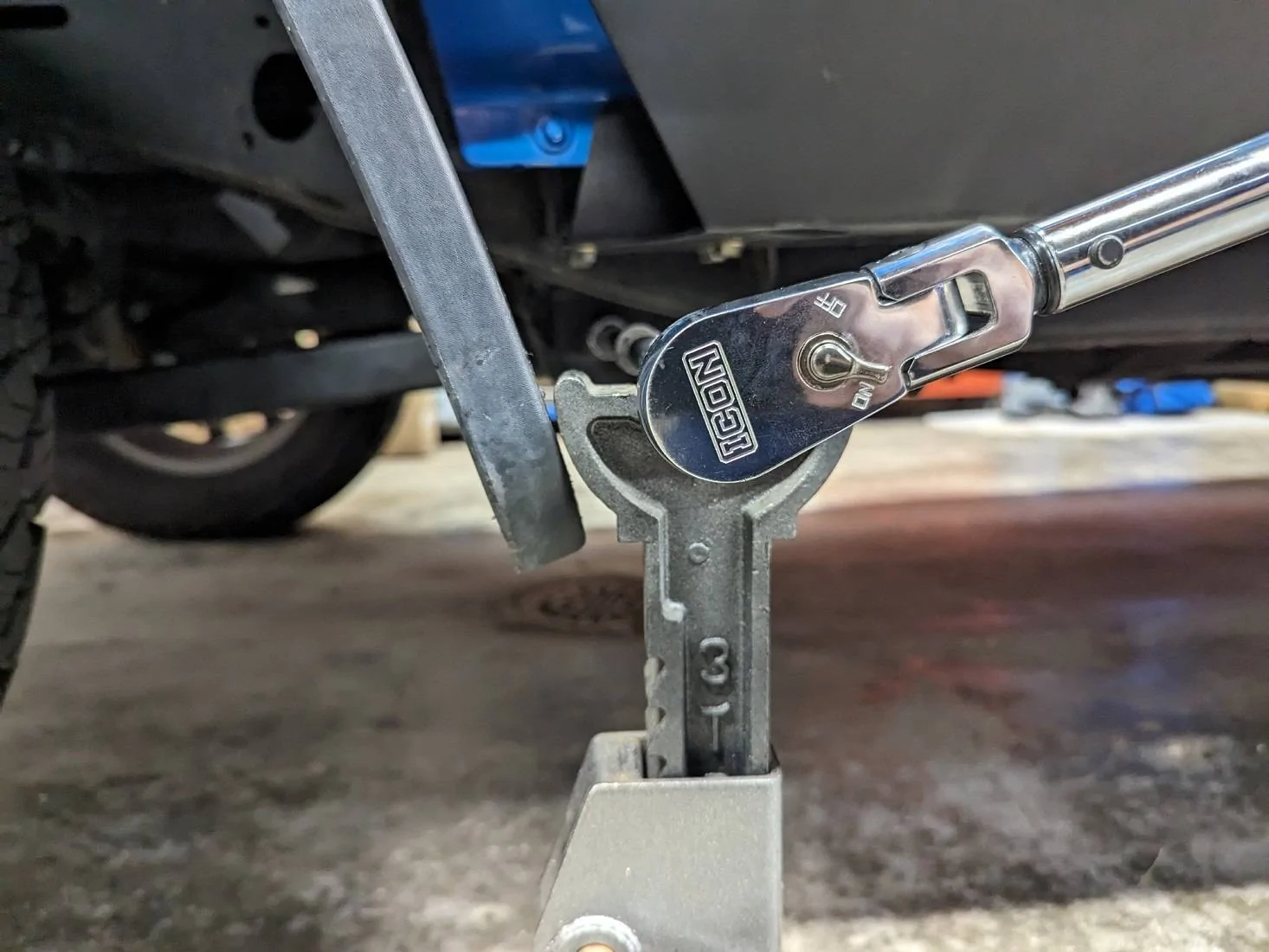
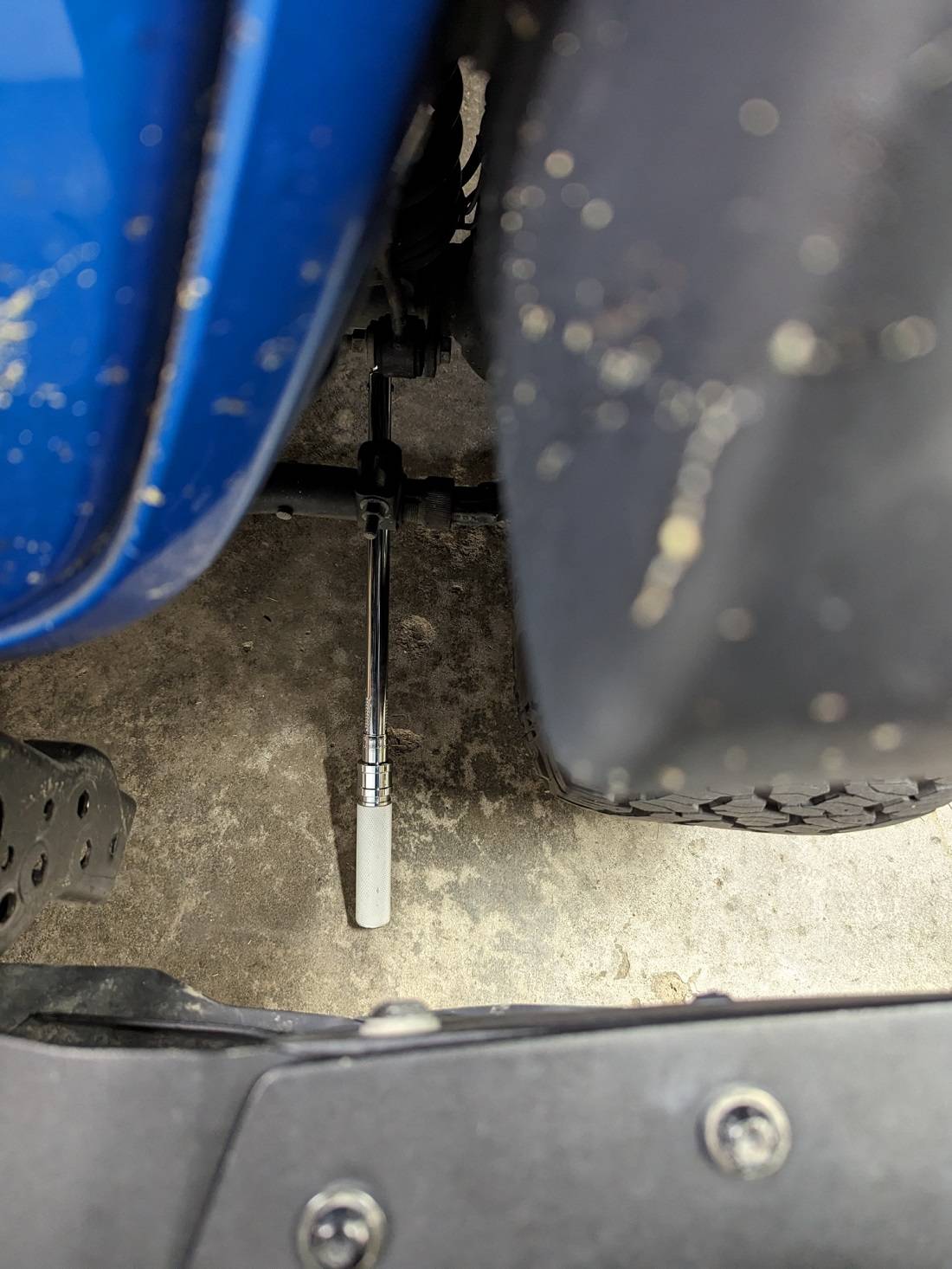
front lower control arm rear bolt to frame - wrench on the nut on the other side so it will stop against the chassis, then this setup for the torque wrench and socket on the bolt head. Make sure it's STRAIGHT OUT both horizontally and vertically - a straight shot to the bolt, and it will be fine.

Jeep Gladiator Torque Front lower control arm PXL_20230825_025230625


Jeep Gladiator Torque Front lower control arm PXL_20230825_025239429


Jeep Gladiator Torque Front lower control arm PXL_20230825_025248831


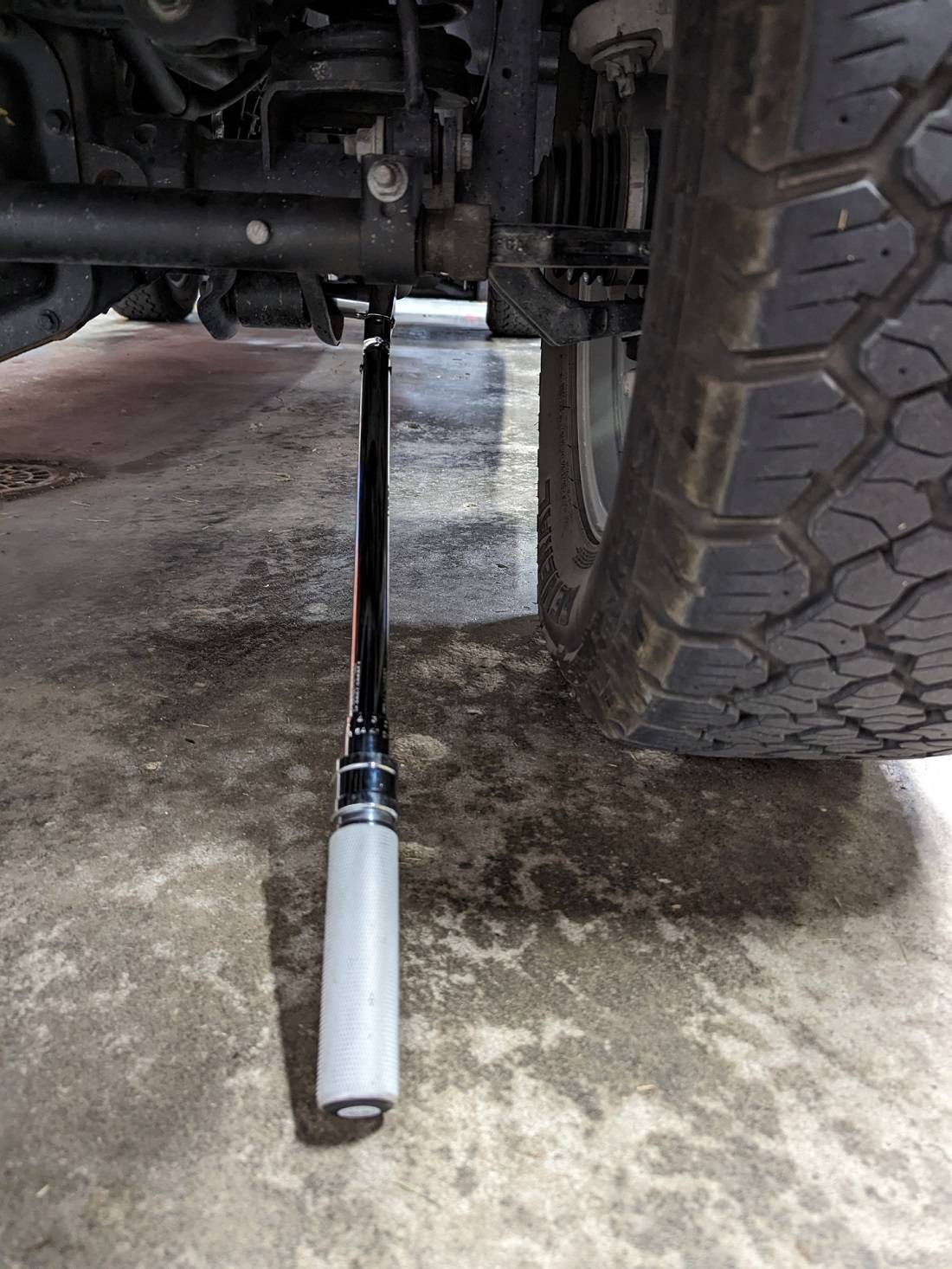
The LCA bolt to axle is a bit more of a trick, IMO. It takes time and patience -

Jeep Gladiator Torque Front lower control arm PXL_20230825_025417550


Would be easier if the bumper wasn't in the way -

Jeep Gladiator Torque Front lower control arm PXL_20230825_025428863
 

Glassco

Member
First Name
Ivan
Joined
Jun 1, 2025
Threads
5
Messages
13
Reaction score
5
Location
Houston
Vehicle(s)
25 JT Texas Trail
I'm not sure still why torquing the front lower control arm to frame bolt is a big deal. It's easy.
The uppers are pain in the back side, the lowers are simple.

front lower control arm rear bolt to frame - wrench on the nut on the other side so it will stop against the chassis, then this setup for the torque wrench and socket on the bolt head. Make sure it's STRAIGHT OUT both horizontally and vertically - a straight shot to the bolt, and it will be fine.

PXL_20230825_025230625.jpg


PXL_20230825_025239429.jpg


PXL_20230825_025248831.jpg


The LCA bolt to axle is a bit more of a trick, IMO. It takes time and patience -

PXL_20230825_025417550.jpg


Would be easier if the bumper wasn't in the way -

PXL_20230825_025428863.jpg

Bumping this post because that is what i am going to attempt later today with this trick
 

kevman65

Well-Known Member
Joined
Mar 8, 2020
Threads
51
Messages
3,878
Reaction score
5,751
Location
H
Vehicle(s)
J
Okay, simple tip to help do the torques on the control arms.

With the tires you're going to run installed, measure from ground to center of wheel, write this number down so you don't forget, now using jack stands to support the axle and your floor jack to raise/lower, remove your wheels/tires and set the axle on jack stands trying to get as close as possible to the measurement you wrote down (You didn't forget did you? Now you'll have to put tires back on). Now you are basically at ride height, with weight of the JT on the springs. Now start your torque process.
 

ShadowsPapa

Well-Known Member
First Name
Bill
Joined
Oct 12, 2019
Threads
247
Messages
40,440
Reaction score
53,853
Location
Runnells, Iowa
Vehicle(s)
'25 JTMX, '23 JLU 4xe, '82 SX4, '73 Javelin
Occupation
Retired auto mechanic, frmr gov't ntwrk security admin
Vehicle Showcase
3
Okay, simple tip to help do the torques on the control arms.

With the tires you're going to run installed, measure from ground to center of wheel, write this number down so you don't forget, now using jack stands to support the axle and your floor jack to raise/lower, remove your wheels/tires and set the axle on jack stands trying to get as close as possible to the measurement you wrote down (You didn't forget did you? Now you'll have to put tires back on). Now you are basically at ride height, with weight of the JT on the springs. Now start your torque process.
Or you can do what I did for the lowers,
OR
You don't have to measure anything as long as the axle is on the stands and the weight of the truck is on the axle. You could hold that truck up 2 feet in the air on tall stands and it won't matter as long as the weight of the truck is on the springs on the axles.

the idea is - don't support it by the frame, support it by the axles. Height off the floor won't really matter unless you have the rear end on the ground and raise the front way up high.
 

Sponsored

kevman65

Well-Known Member
Joined
Mar 8, 2020
Threads
51
Messages
3,878
Reaction score
5,751
Location
H
Vehicle(s)
J
Or you can do what I did for the lowers,
OR
You don't have to measure anything as long as the axle is on the stands and the weight of the truck is on the axle. You could hold that truck up 2 feet in the air on tall stands and it won't matter as long as the weight of the truck is on the springs on the axles.

the idea is - don't support it by the frame, support it by the axles. Height off the floor won't really matter unless you have the rear end on the ground and raise the front way up high.
That's assuming all 4 wheels are off. Most people only have the tools to do one axle at a time.

My way, if you start with all 4 on the ground, then the axle you're working on is in proper position to the one still wearing shoes.
 

ShadowsPapa

Well-Known Member
First Name
Bill
Joined
Oct 12, 2019
Threads
247
Messages
40,440
Reaction score
53,853
Location
Runnells, Iowa
Vehicle(s)
'25 JTMX, '23 JLU 4xe, '82 SX4, '73 Javelin
Occupation
Retired auto mechanic, frmr gov't ntwrk security admin
Vehicle Showcase
3
That's assuming all 4 wheels are off.
Not really.
Just raise the thing by the axle and set the axle on stands so it looks like it should. It's not that critical that you actually have the angle to the Nth degree.
If the front end is 2" higher than it would be with tires on - I bet you can't really measure the difference - give it a try -
Measure from the center of the wheel up to a given point on the fender flare.
Then lift it by the axle so the tires are off the ground an inch or so (making sure the axle is still level and both are off the ground the same amount)
Measure between center of the wheel up to that same point on the fender flare.

Adding people and fuel will change it more than lifting the front up an inch or two.

Mine have all varied as far as center of wheel to fender flare depending on the day I measured - often 1/4 or so.


Most people only have the tools to do one axle at a time.
As far as tools - all you need are 4 jack stands vs. 2.
If you own a Jeep and figure on doing anything to it steering or suspension-wise, you should have 4 quality jack stands. That's the one and only difference as far as tools.
4 stands make it a breeze! (and a hell of a lot safer, too)
 

jav_eee

Well-Known Member
Joined
Mar 10, 2023
Threads
35
Messages
1,083
Reaction score
1,075
Location
Texas
Vehicle(s)
2021 Gladiator Rubicon
Or you can do what I did for the lowers,
OR
You don't have to measure anything as long as the axle is on the stands and the weight of the truck is on the axle. You could hold that truck up 2 feet in the air on tall stands and it won't matter as long as the weight of the truck is on the springs on the axles.

the idea is - don't support it by the frame, support it by the axles. Height off the floor won't really matter unless you have the rear end on the ground and raise the front way up high.
I torqued mine down with the front wheels on some ramps. Gave me the clearance I needed.
 

JaysZJeep

Member
First Name
Jeff
Joined
Apr 24, 2025
Threads
2
Messages
15
Reaction score
6
Location
Canada
Vehicle(s)
2024 Gladiator Mojave, 2002 Jeep TJ Sport
Occupation
Ninja
Show of hands here…
How many of you loosen the nuts and bolts first before tightening them to spec?
Only if i want the suspension pieces to rest in their intended range of travel. Lets all the arms/ joints come together.
Sponsored


Top