ShadowsPapa
Well-Known Member
- First Name
- Bill
- Joined
- Oct 12, 2019
- Threads
- 247
- Messages
- 40,493
- Reaction score
- 54,052
- Location
- Runnells, Iowa
- Vehicle(s)
- '25 JTMX, '23 JLU 4xe, '82 SX4, '73 Javelin
- Occupation
- Retired auto mechanic, frmr gov't ntwrk security admin
- Vehicle Showcase
- 3
No such thing as "pre-detonation" - it's either detonation or pre-ignition. One happens before the plug fires, the other after and is resolved by higher octane, or setting the ignition timing back.The throttle lag drives me nuts.
Usually an octane boost doesn't cause issues, it's just a waste, but I suppose there might be the rare occasion that it messes with newer engines that try to adjust things like timing based on conditions.
Higher octane is used to prevent "pre-detonation" in higher compression engines from the heat and compression, but spark should light the fire no matter the octane.
Pre-ignition is caused by excessive heat, like a glowing carbon ember in the cylinder, spark plugs too high a heat range, something that lights the charge before the spark occurs.
Detonation is caused as the approaching flame front compresses the unburned, remaining charge "into a corner" raising pressure and increasing the heat until the remaining charge self-ignites.
It's one or the other.
Octane can't "mess with" an engine - unless it's too low. If there's detonation, the knock sensor detects it, and the PCM adjusts timing accordingly.
If there's no detonation, the PCM will advance the spark to the ideal time for maximum cylinder pressure at about 14-16 degrees ATDC, depending on the rod/stroke length and so on.
Too much octane is simply a waste. That's it. It won't do damage.
Sponsored
 ). The friend/builder decided to tweak compression so that I could safely run mid-grade if high wasn't available which happens something on the water, but also stations on the street. I could run 87 octane if I had to, but I'd have to keep the RPM's down and take it easy.
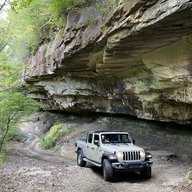

 Okay,the "look punk" was only in my head, but I did say I was driving hotrods before he was born!