JT1
Well-Known Member
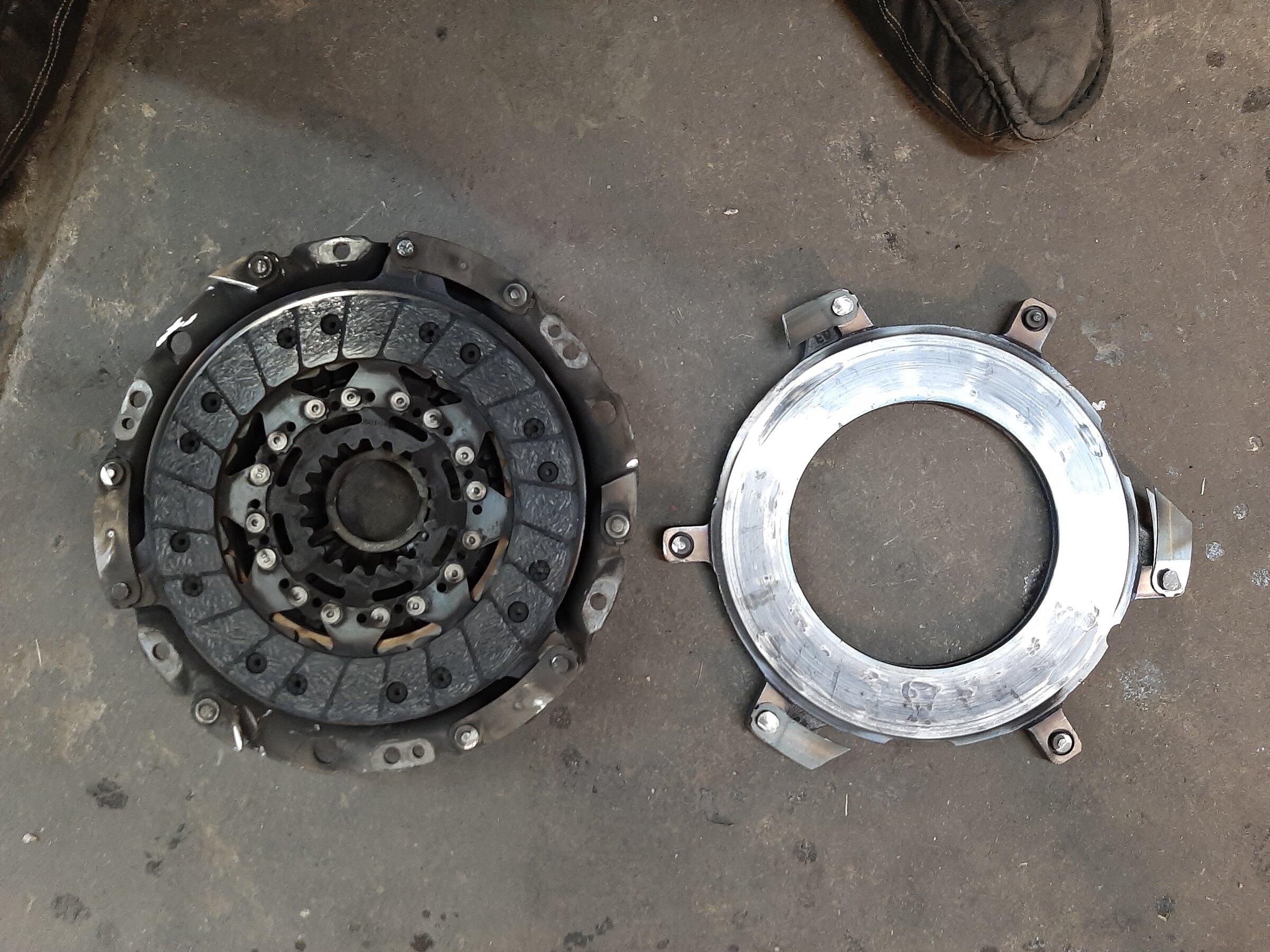
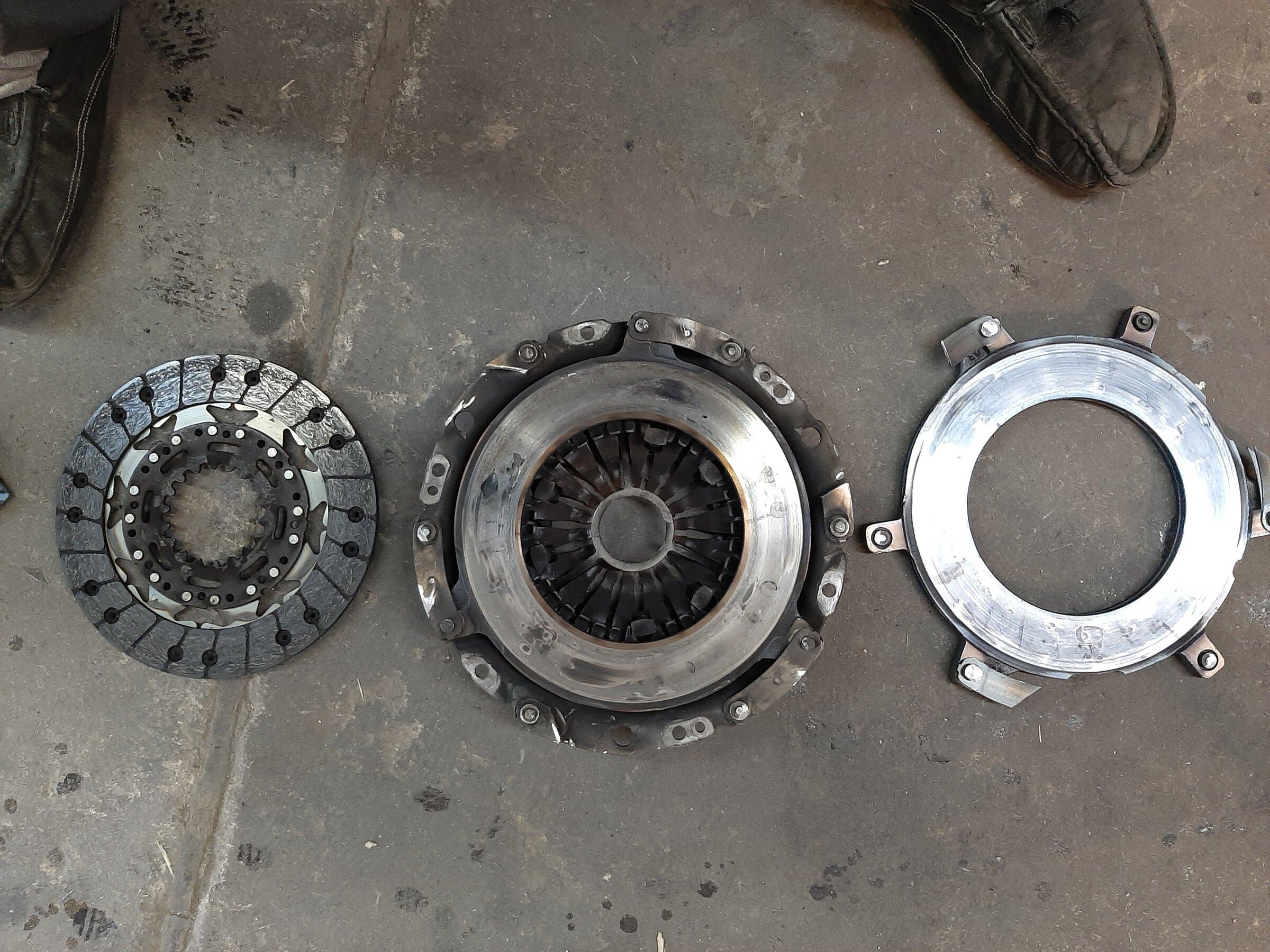
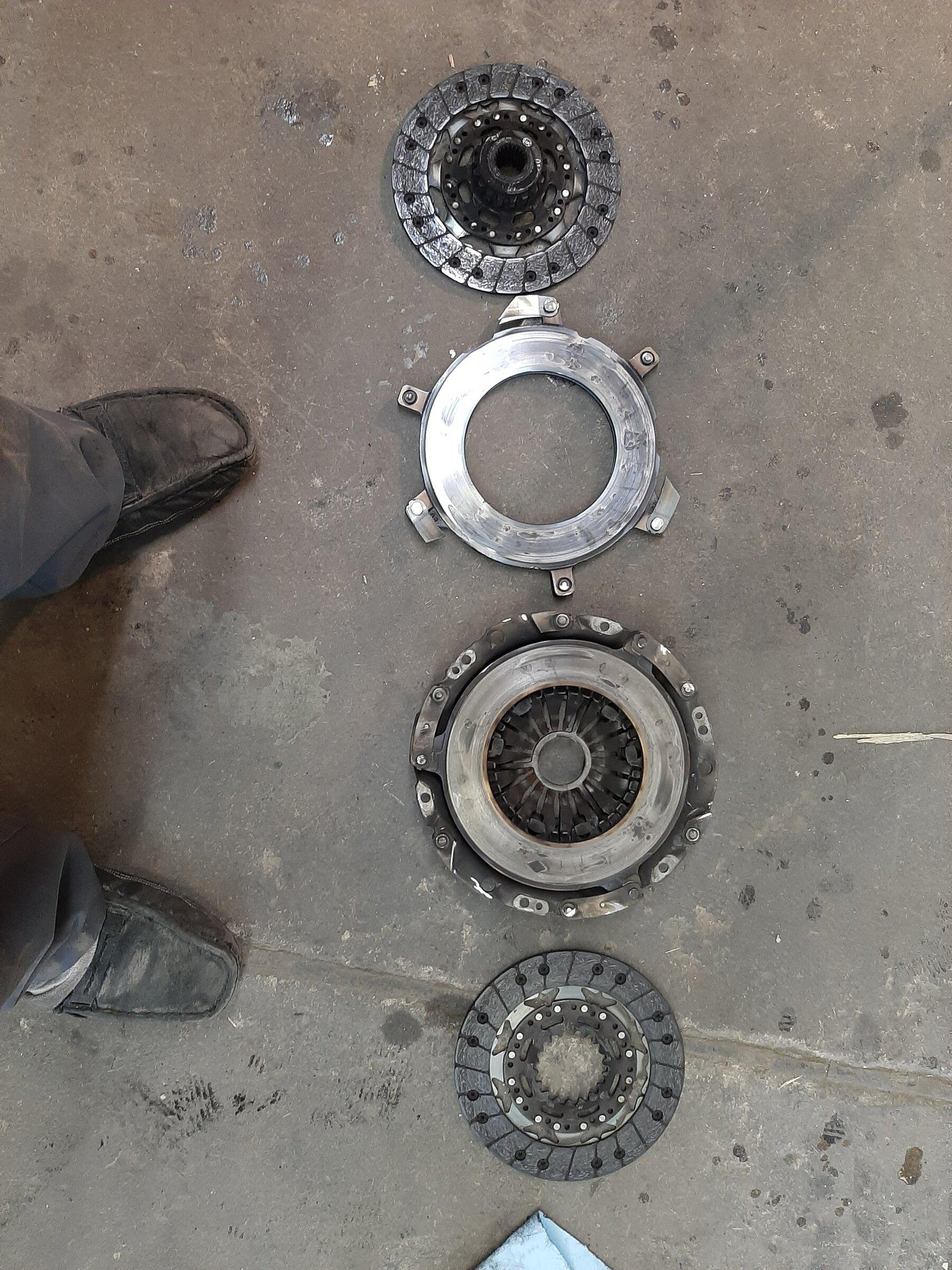
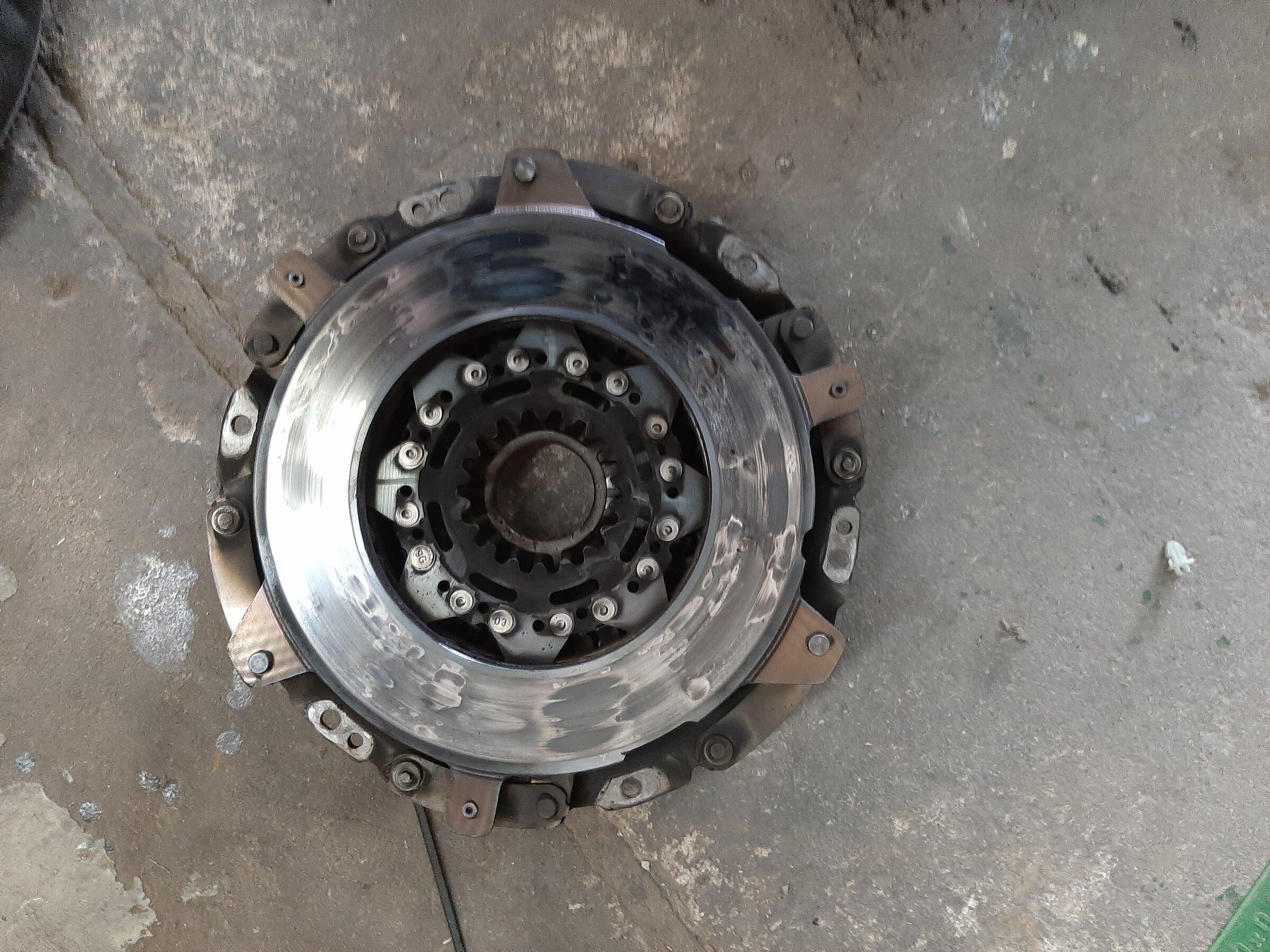
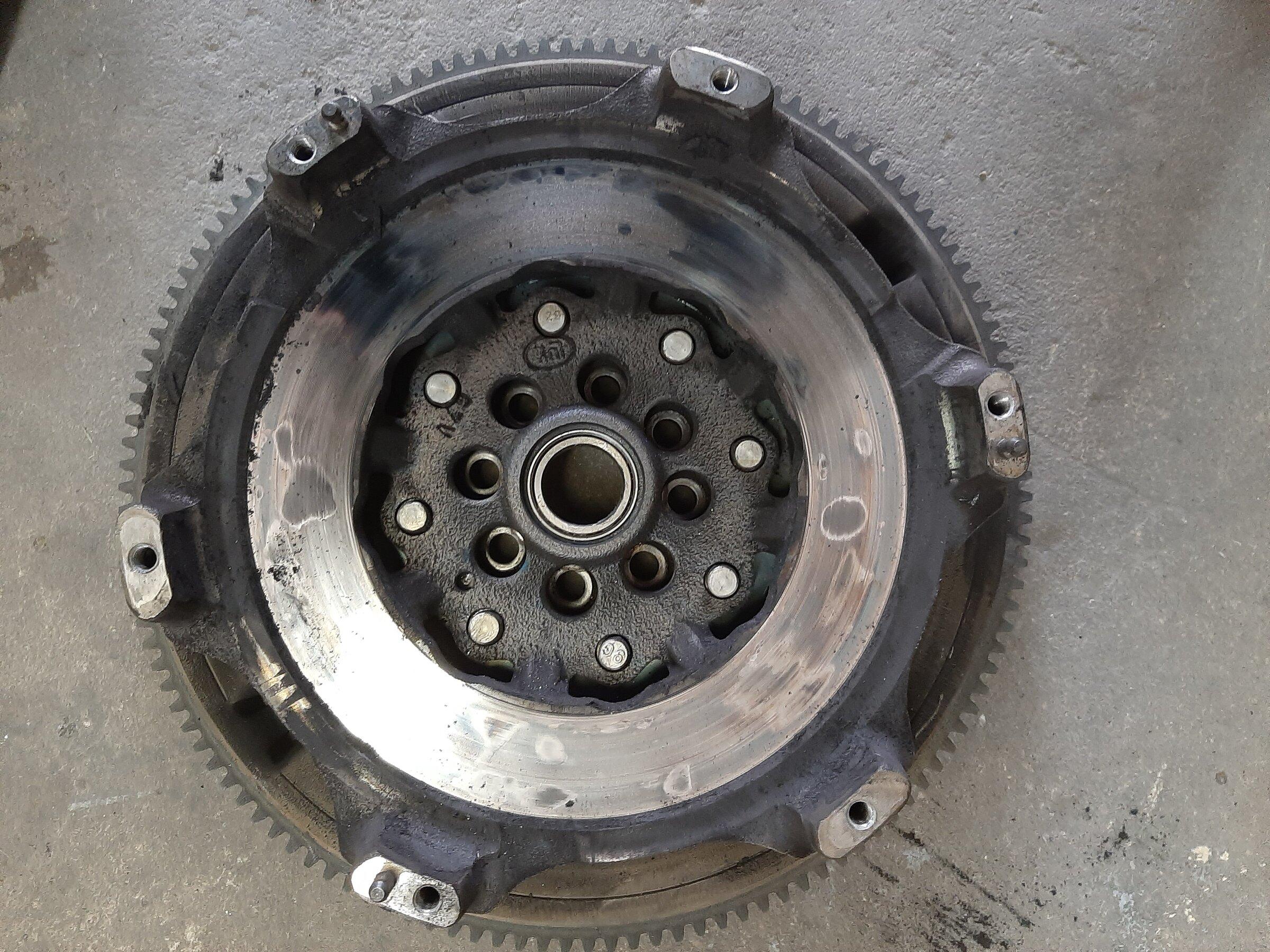
I agree with you on the stalling.. things I could idle over in a TJ stall this thing even if I'm feathering the throttle. Also explains why it feels like you are stretching a rubber band when you take off. In the TJ as soon as you hit the release point of the clutch, you could hop off the pedal quickly and feed it gas. With the dual mass, it feels like there are 2 events happening sequentially, and the aggressiveness of the launch changes the timing of the second event.Dual-mass is a design but the details vary. For example, if you took a heavy centerforce flywheel and added the secondary flywheel it would still have the advantage of the centerforce inertia. The mass of the primary and secondary flywheels and the coupling between them are engineering design points for some objective. I asked myself why would the primary flywheel be low inertia and it seems one good reason is to assist stop/start. But the inertia to carry over between cylinder firings at low rpm is just marginal with the stock design.
A dual-mass for a buzzy four makes sense but it kind of superfluous with a V6.
To add to this further, I find I need the minimim rpm to prevent stalling higher than the conventional design in my old Comanche truck. There is only one good reason for that: Flywheel intertia.
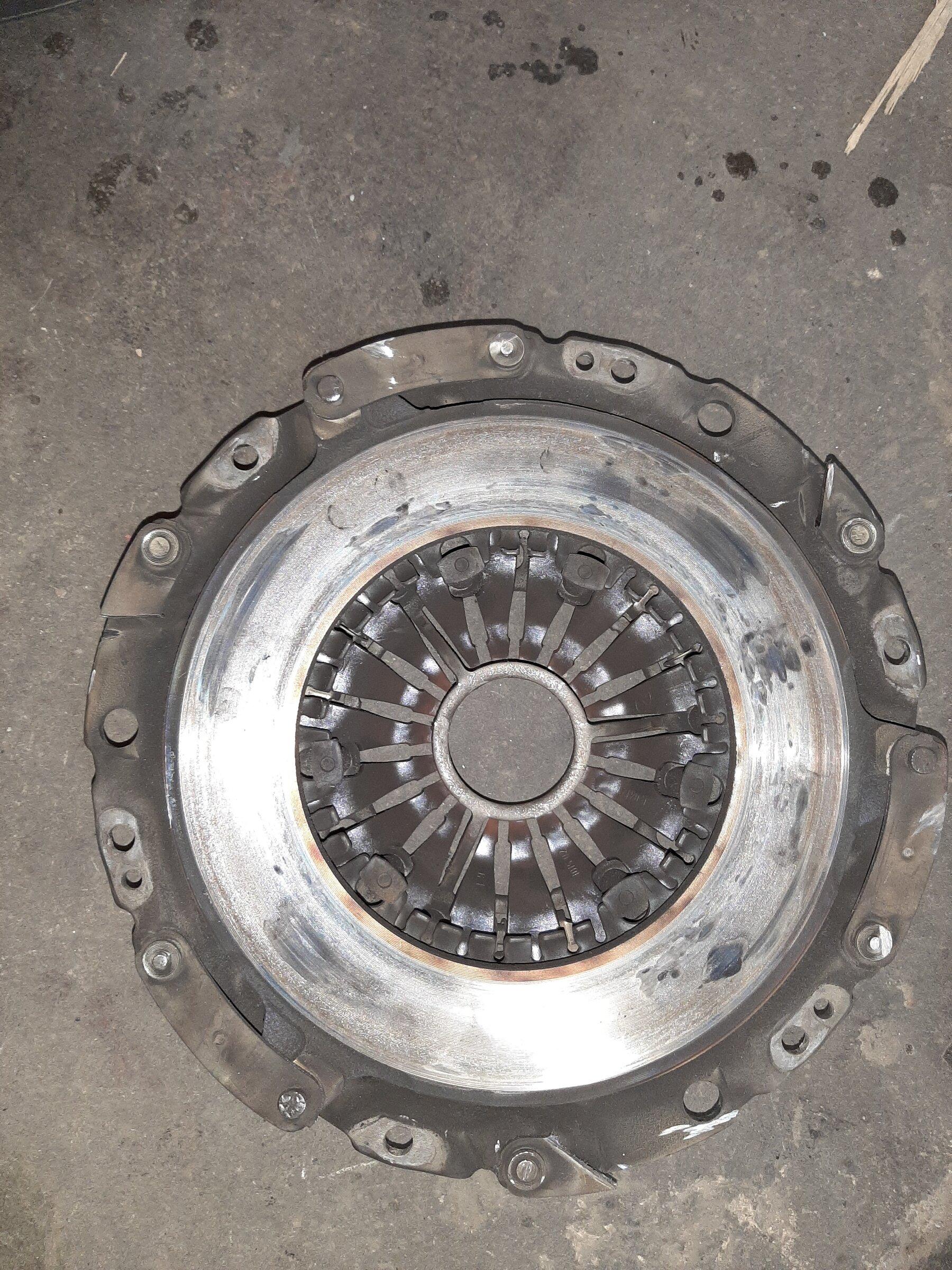
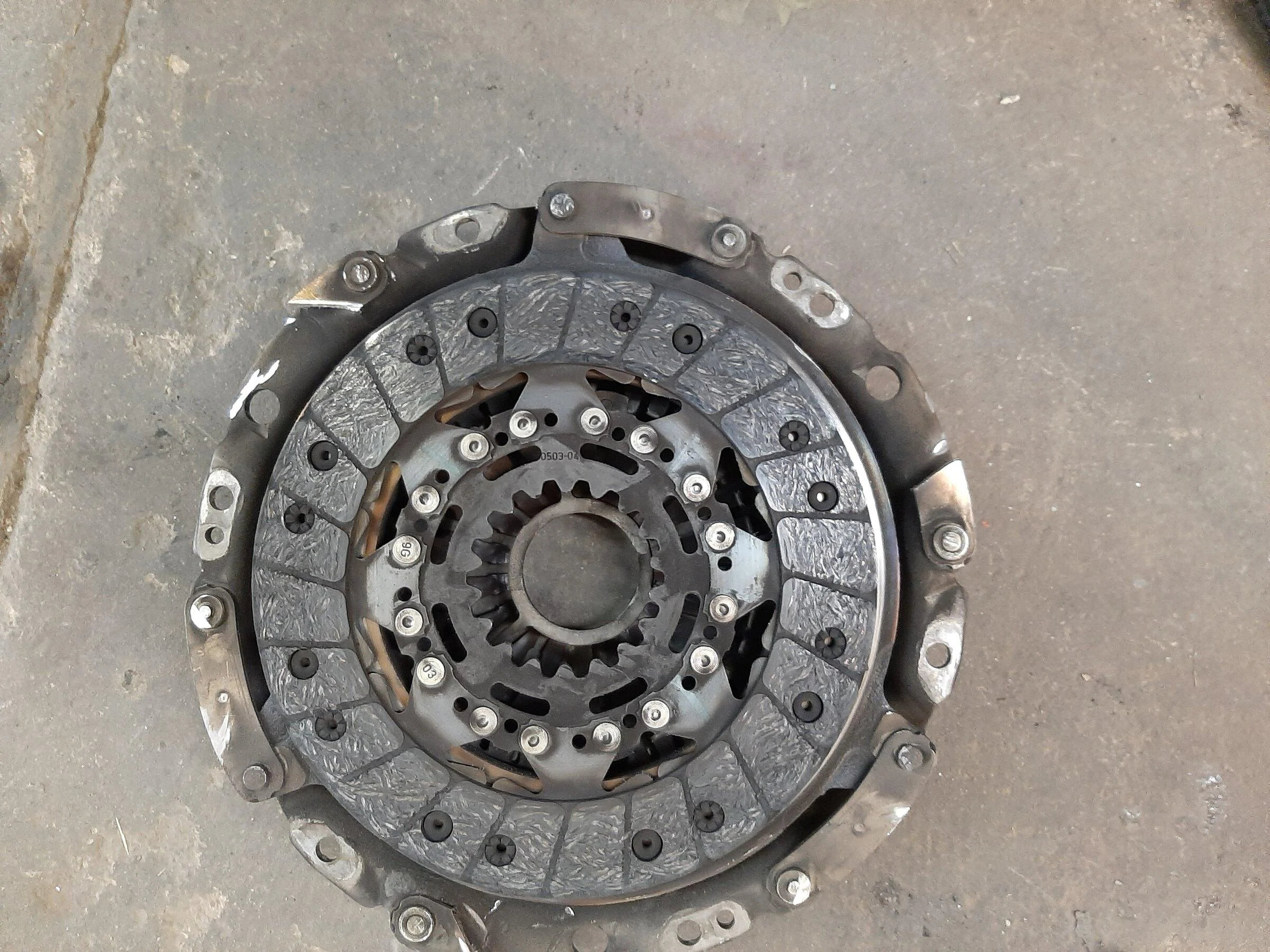
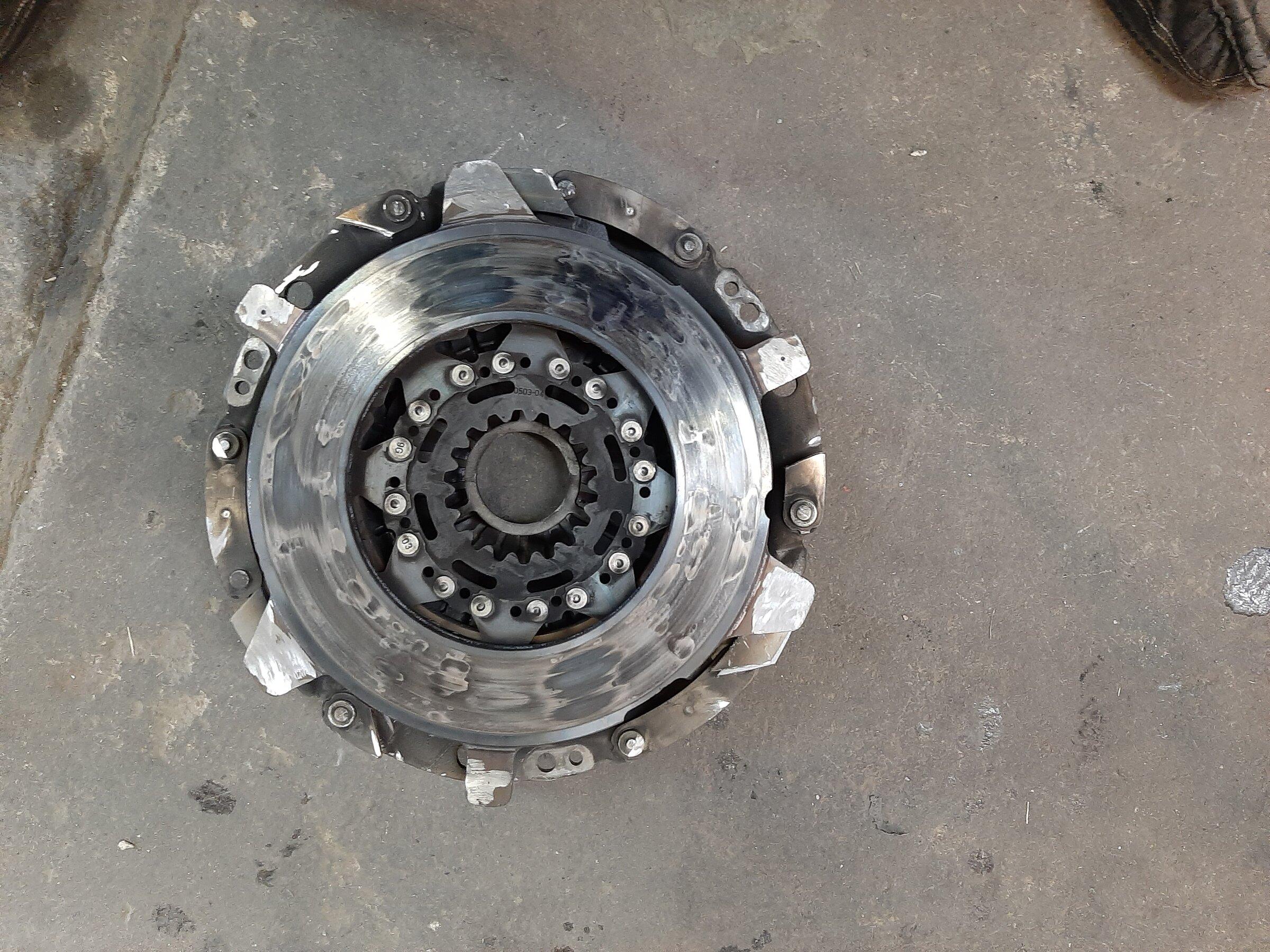
"The primary flywheel side is bolted to the crankshaft. the secondary flywheel side serves as the driving member to the clutch disks. Internal springs between the flywheels are used to dampen energy. The dual mass flywheel is serviced as an assembly only and should never be taken apart."
Could southbend add stiffer springs to the flywheel to minimize the damping? That might help with the stalling also as the net effect would be to make the low speed flywheel heavier.
Sponsored