
HooliganActual
Well-Known Member
- First Name
- Robert
- Joined
- Jun 27, 2020
- Threads
- 9
- Messages
- 1,417
- Reaction score
- 3,619
- Location
- 10 miles from the Sun
- Vehicle(s)
- 2020 Gladiator Rubicon
- Occupation
- Retired
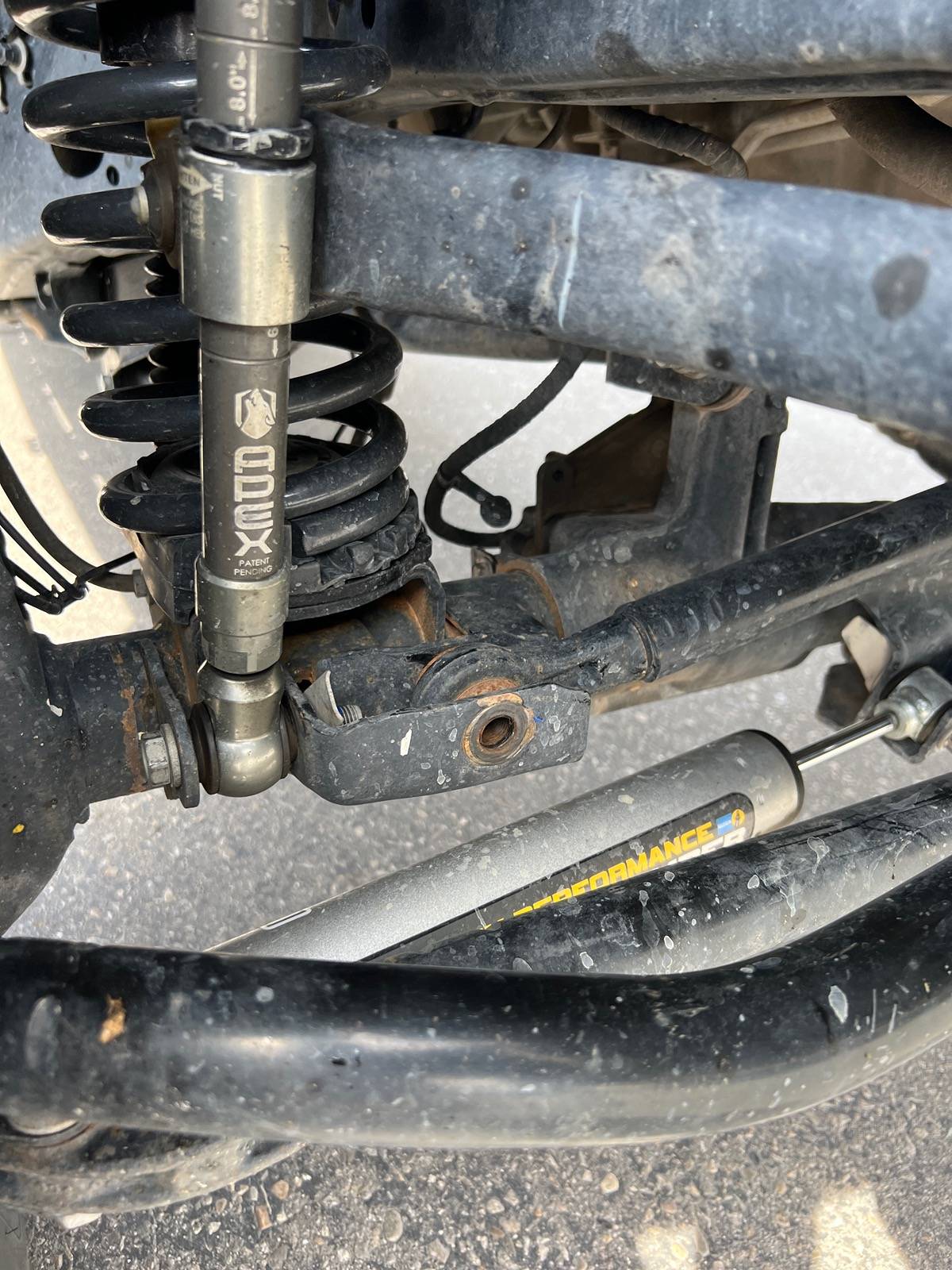
FWIW (and you may know this but others may not), if you know you torqued something and then a few days later it is loose, wheeling trip or not, it is time to replace that fastener.Chock it up as a learning experience when nobody gets hurt. Reminds me I need to order a new torque wrench. Mine broke on the last tire rotation I did and I'm about to instal the rock krawler triangulated rear 4 link on my mojave. Even if someone else does your installs, every wheeler should have a torque wrench and nut/ bolt check EVERYTHING before and after any big wheeling trips. I've had stuff come loose after a week of wheeling that I know I torque to spec myself.
What you have described is a fastener that has exited the elastic deformation zone and moved in the plastic deformation zone of the Stress-Strain curve. Next stop is the bolt will reach it's tensile point and will snap.
Not trying to be a know-it-all but I used to teach this in Reliability courses:
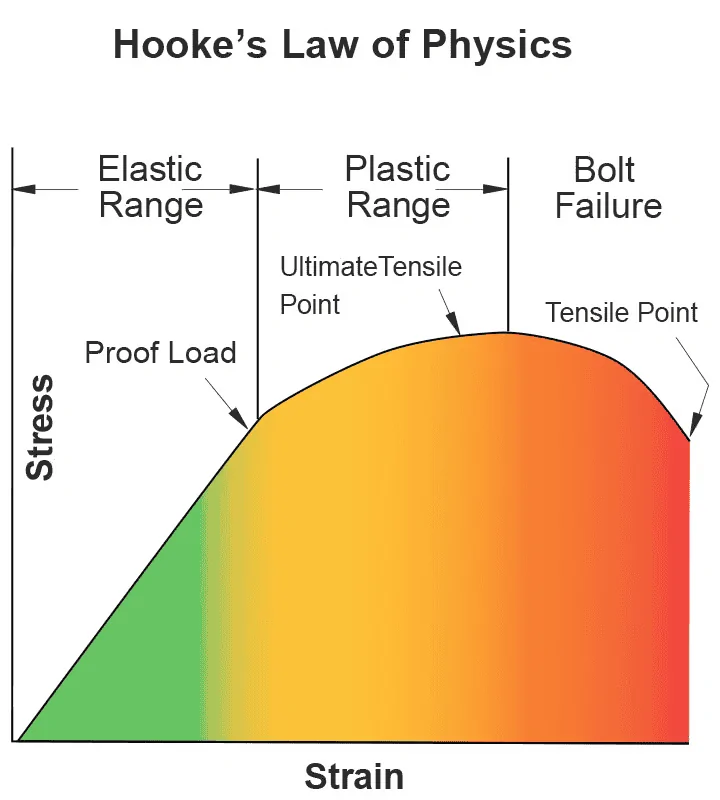
Once a bolt has exceeded it's Proof Load, which is likely around "the torque spec", it starts to act like the tab on the top of an aluminum can that has been cycled too many times but hasn't broken free yet.
If you truly torqued the bolt to proper spec and a few days later it is loose again (even though you were wheeling), that most likely means that the proof load has been exceeded, the bolt stretched (which is what actually creates the clamping force you are looking for) and the bolt did not return back to its original shape.
Works just like a rubber band does to hold things together. But an old aged dried out rubber band won't hold its shape and will crack and ultimately break.
Ugh...sorry for the diatribe...I used to teach this stuff every day to mechanics and technicians and since I retired, I have no outlet...LOL
Cheers
Sponsored