Aleph
Well-Known Member
- Thread starter
- #1
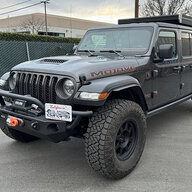
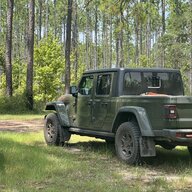
Anyone with a Mojave here put a GFC canopy camper on? I’m highly considering it, but the main thing stopping me is ride quality on stock suspension. I’ve searched and read dozens of threads here but I want to hear the perspective of someone who’s actually done this on a Mojave. A lot of these threads are focused on sag but the most important thing to me is ride quality. Adding some spacers will make it look better but doesn’t seem to help quality of ride and handling.
1. I’m worried that I’ll lose the qualities of the Mojave suspension with the weight in the back, even without camping gear. Has this been the case for anyone here who has installed a GFC canopy? GFC tells me the canopy is 250lbs and just the topper is 145lbs.
If I add different springs in the rear to compensate for added weight, I also worry that that would further affect the ride because the Mojave shocks are really meant to go with the Mojave springs, from my understanding. Or would I be able to preserve the stock ride by swapping in heavier duty springs while keeping the stock shocks?
2. What is the height added from the top of the cab to the top of the closed tent? I need to stay below 7 feet to clear parking garages at work (or so the security guards at my future job seem to think, though they aren’t sure even though they park there every day). From numbers I’ve gathered through my research, I think my total height with GFC camper and unloaded bed would total ~83.6 inches or 6.97 feet, which would be cutting it VERY close. Is this accurate? The backwards squat from accelerating in a parking deck would probably scalp the camper on a fire sprinkler pipe or something.
I’m about to pull the trigger on either the canopy camper or just the topper, but I am set on GFC because of the lower weight and the simple, robust design. I am not very interested in AluCab (slightly heavier), Ozark Venture camper (unproven on going fast through rough terrain from what I’ve read) or others.
I’m moving to Alaska in July. The ability to camp/sleep/bug out at any time and stay inside an enclosed space is very appealing in the harsher conditions up there, but not knowing my needs until I actually move there is giving me pause. From my brief trip up there it didn’t seem like isolated remote truck camping is as easy or accessible as it is down here in Georgia. I know I will definitely need an enclosed topper before I go there though due to the sheer level of precipitation, just not sure about the tent component. I will be daily driving the Mojave.
Thanks for reading if you made it to this point. Any insight would be greatly appreciated.
1. I’m worried that I’ll lose the qualities of the Mojave suspension with the weight in the back, even without camping gear. Has this been the case for anyone here who has installed a GFC canopy? GFC tells me the canopy is 250lbs and just the topper is 145lbs.
If I add different springs in the rear to compensate for added weight, I also worry that that would further affect the ride because the Mojave shocks are really meant to go with the Mojave springs, from my understanding. Or would I be able to preserve the stock ride by swapping in heavier duty springs while keeping the stock shocks?
2. What is the height added from the top of the cab to the top of the closed tent? I need to stay below 7 feet to clear parking garages at work (or so the security guards at my future job seem to think, though they aren’t sure even though they park there every day). From numbers I’ve gathered through my research, I think my total height with GFC camper and unloaded bed would total ~83.6 inches or 6.97 feet, which would be cutting it VERY close. Is this accurate? The backwards squat from accelerating in a parking deck would probably scalp the camper on a fire sprinkler pipe or something.
I’m about to pull the trigger on either the canopy camper or just the topper, but I am set on GFC because of the lower weight and the simple, robust design. I am not very interested in AluCab (slightly heavier), Ozark Venture camper (unproven on going fast through rough terrain from what I’ve read) or others.
I’m moving to Alaska in July. The ability to camp/sleep/bug out at any time and stay inside an enclosed space is very appealing in the harsher conditions up there, but not knowing my needs until I actually move there is giving me pause. From my brief trip up there it didn’t seem like isolated remote truck camping is as easy or accessible as it is down here in Georgia. I know I will definitely need an enclosed topper before I go there though due to the sheer level of precipitation, just not sure about the tent component. I will be daily driving the Mojave.
Thanks for reading if you made it to this point. Any insight would be greatly appreciated.
Sponsored