
alexlab79
Active Member
- Thread starter
- #1
Hello, I’ve been running a Jeep Gladiator with the premium sound system since last fall, coming from a Wrangler with the base audio setup. In my Wrangler, I had upgraded the system by adding a Rockford Fosgate PUNCH P1 subwoofer and a Pioneer amplifier with line-in inputs. I tapped the audio signal from the passenger-side pillar, and the result was solid for my needs.
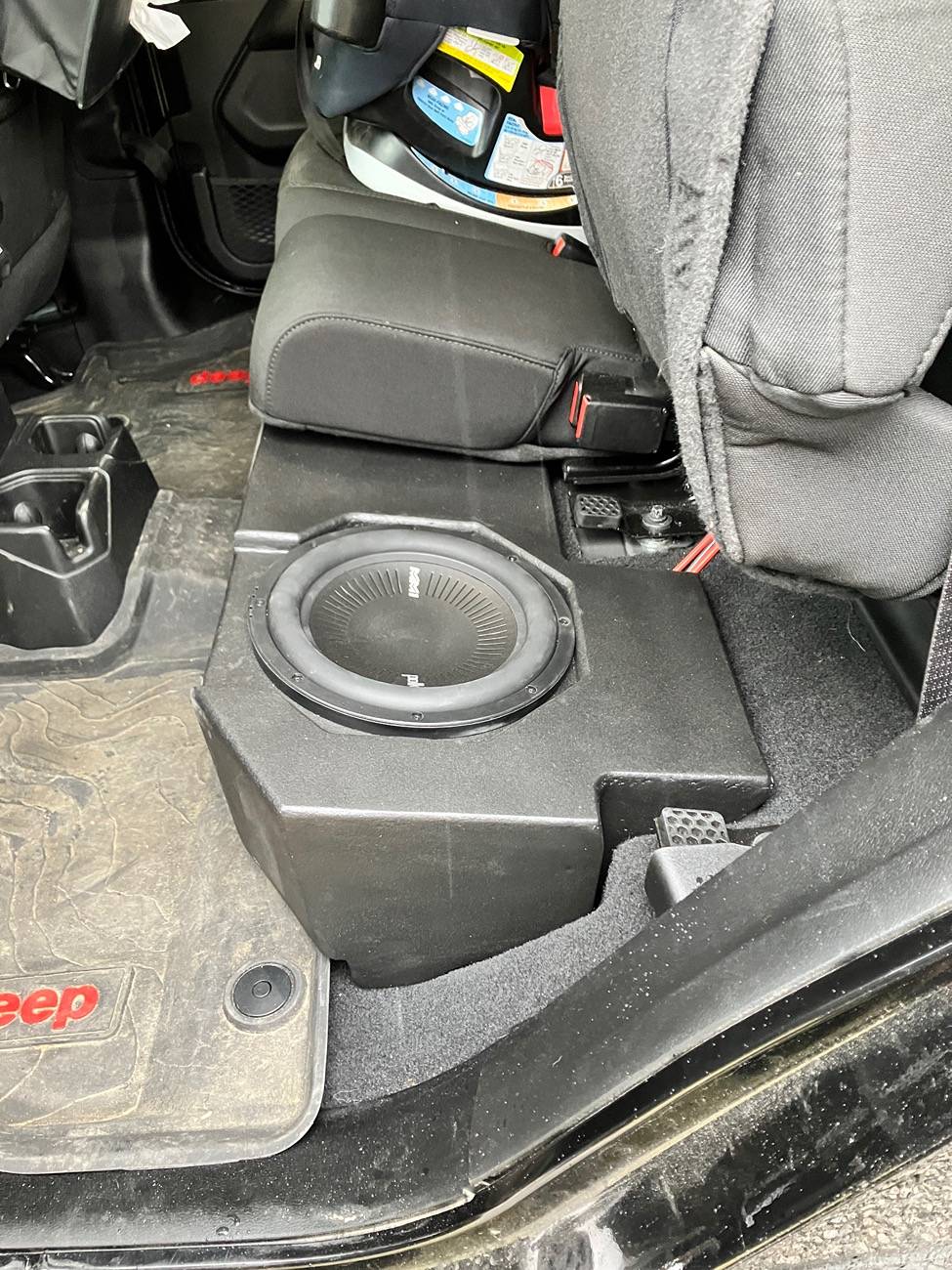
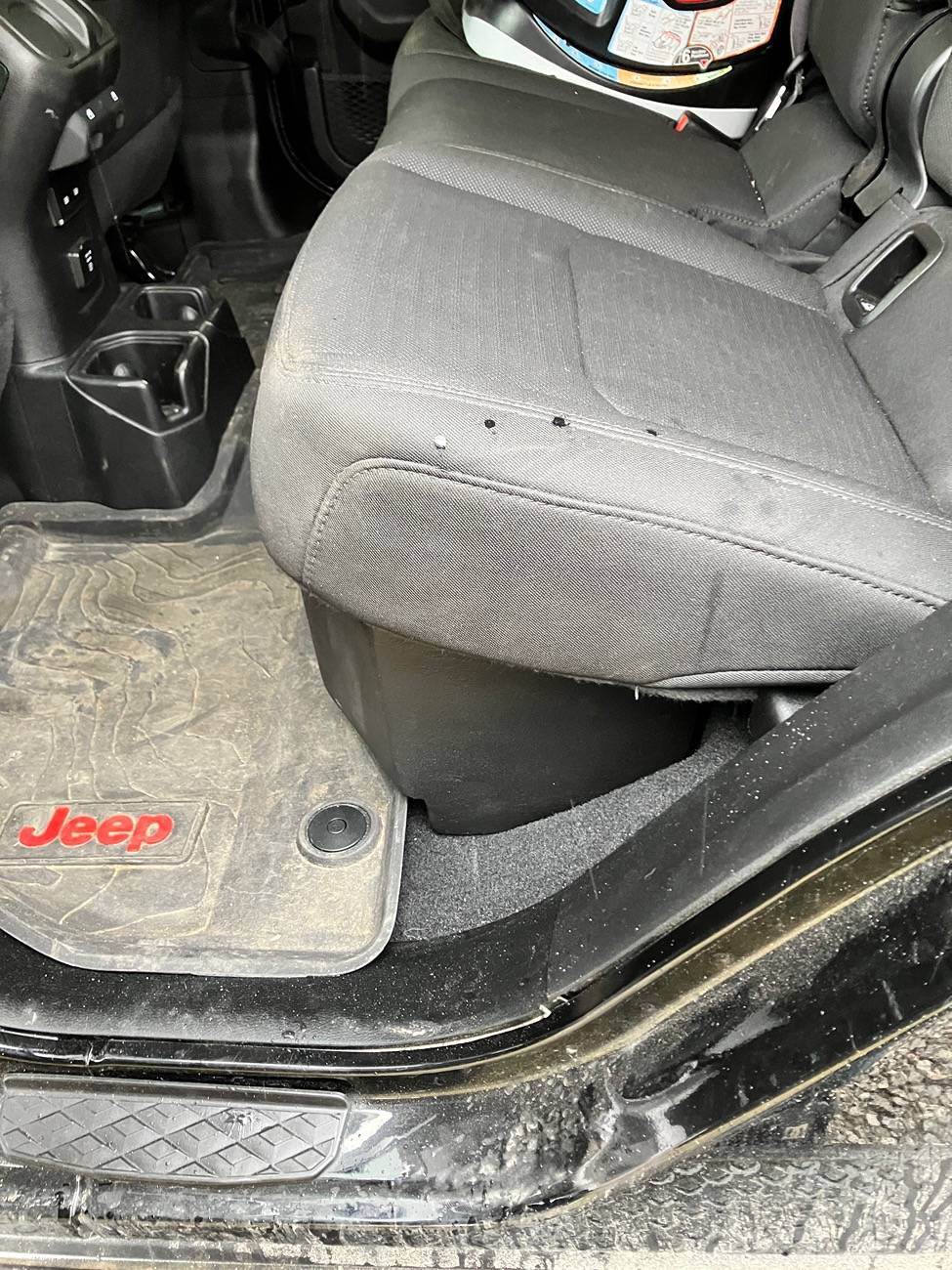
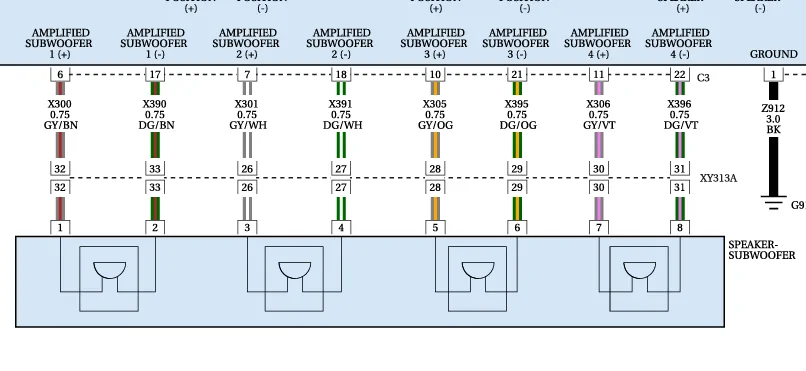
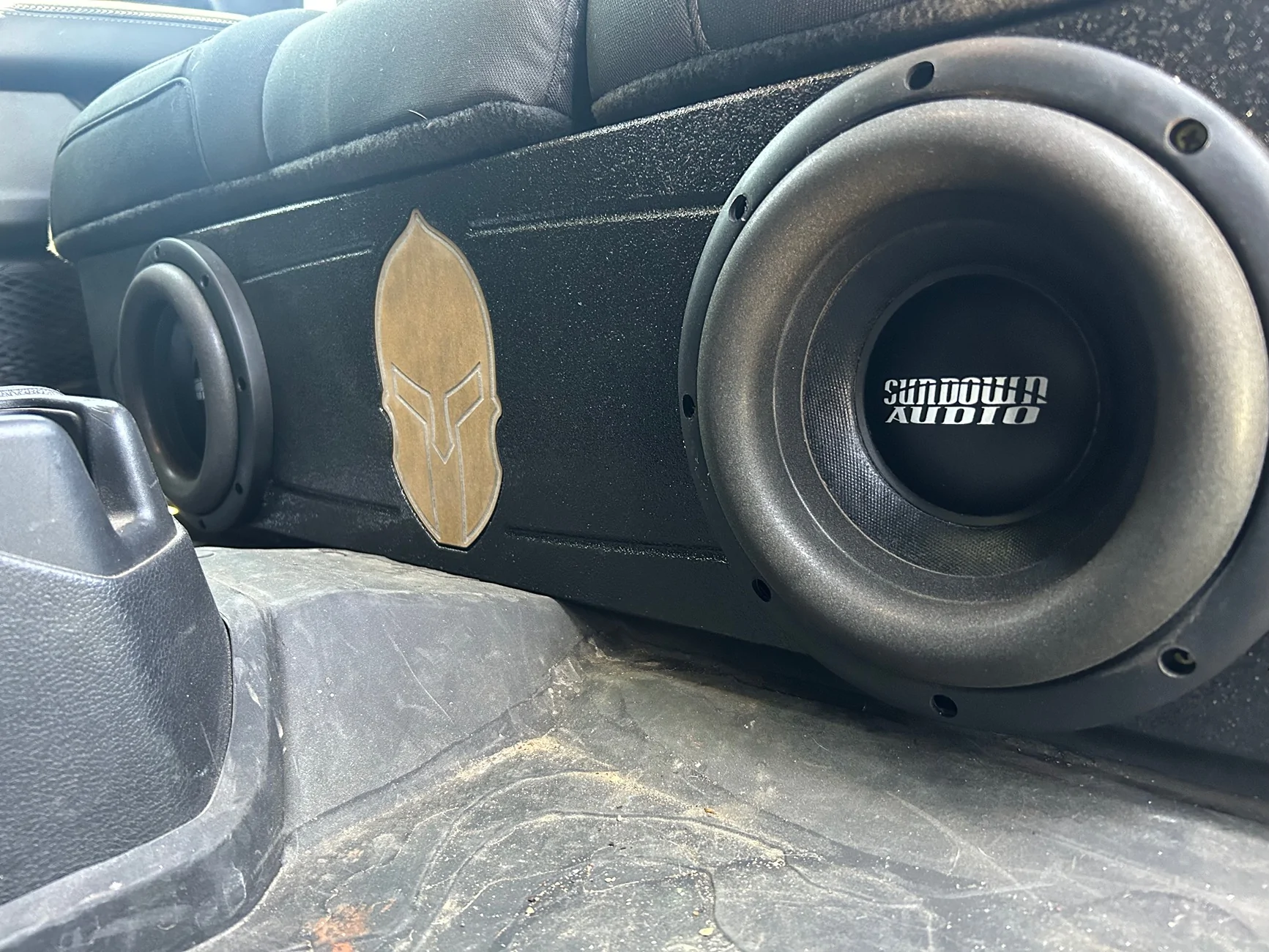
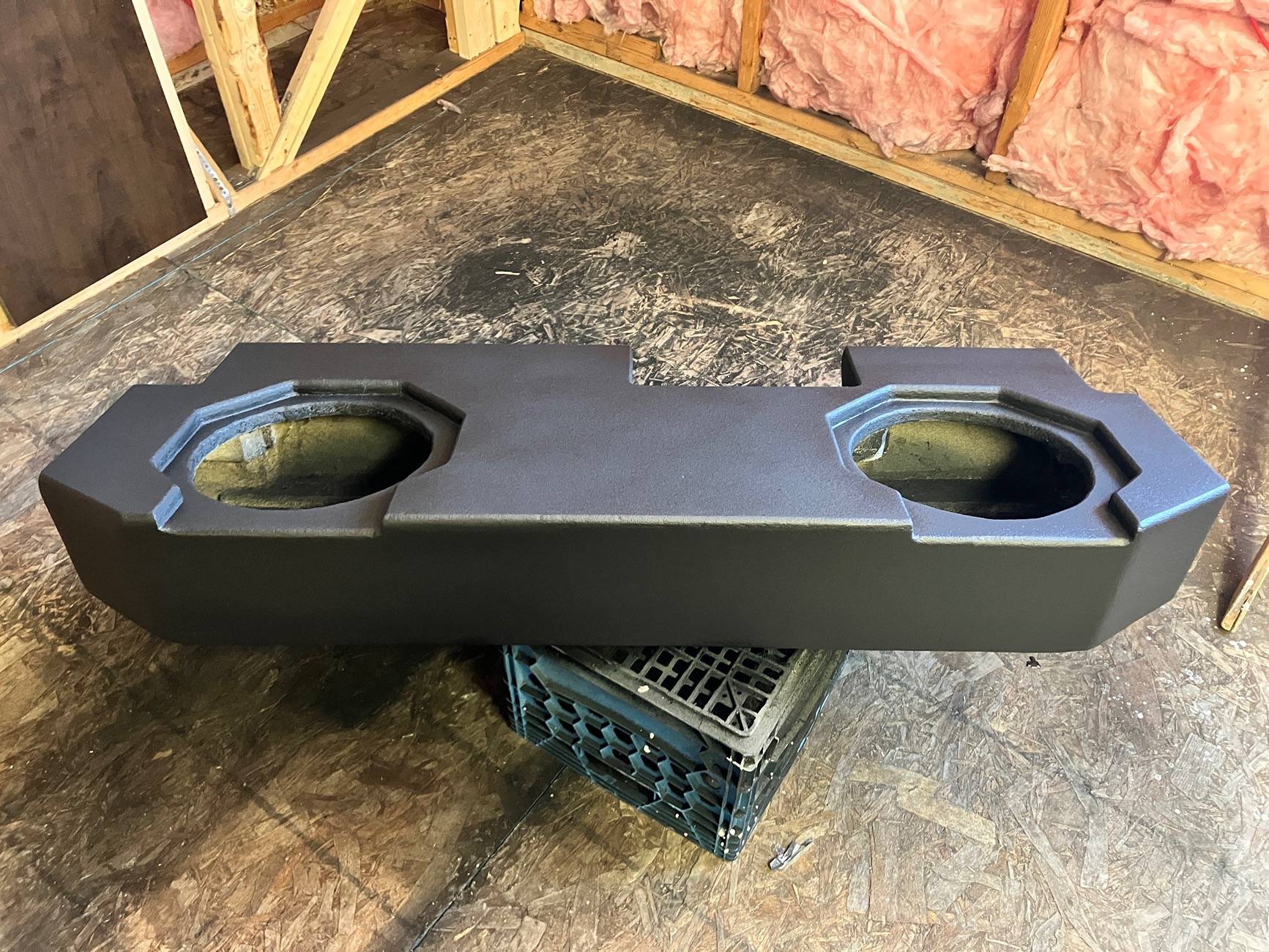
With the Gladiator, the factory subwoofer in the premium sound system is underwhelming, to say the least. So, I decided to repurpose my Pioneer amp and build a custom subwoofer enclosure to fit under the rear seat. I purchased two Polk Audio MM1042 subwoofers, which have a shallow 4.5” mounting depth, perfect for the tight space. After constructing and installing the enclosure, I went to tap the audio signal from the passenger pillar, just like I did in my Wrangler. Big surprise—there’s a ton of wiring! I checked the wiring schematic and found a total of eight wires handling the soundbar, the tweeter channel, and the 4” speakers in the soundbar. I decided to tap into the 4” speaker channel for my amp’s input.
The result was disappointing. I had to push the Pioneer amp to extreme settings just to get an acceptable output from the subs, and even then, the sound quality was lackluster compared to my Wrangler setup. After diving into numerous forum posts, I realized the issue: the signal from the 4” speaker channel is heavily filtered by the factory amplifier. To properly use this signal for my subwoofers, I’d need a DSP-based Line Output Converter (LOC), like the Kicker KEYLOC or a similar unit, or possibly a PAC interface to sit between the head unit and my aftermarket amp to clean up and process the signal.
This got me thinking—if a PAC can grab a clean, unfiltered signal, could I test the theory myself with a Posi-Tap to see what the radio is outputting? So, I did just that. To my surprise, from volume level 1, the signal coming from the radio to the factory amp is 100% volume, full spectrum—no filtering at that stage. This means the radio sends a full-range signal to the premium system’s amplifier but steady volume, which then applies the filtering, volume and distributes the appropriate frequencies to the soundbar, tweeters, and subwoofer…
Armed with this info, I decided to try a different approach for now. Instead of investing in a DSP-based LOC or PAC right away, I tapped the signal directly from the factory amplifier’s subwoofer output (coil 1 and coil 2) and ran it to my Pioneer amp line-in to power the Polk subs. The result isn’t perfection, but it’s a significant improvement over the filtered 4” speaker channel, and it didn’t require spending extra on a DSP or PAC. The bass is much fuller, though I’m still tweaking the amp settings to dial it in. I might consider a proper DSP solution in the future for finer control, but this works for now.

With the Gladiator, the factory subwoofer in the premium sound system is underwhelming, to say the least. So, I decided to repurpose my Pioneer amp and build a custom subwoofer enclosure to fit under the rear seat. I purchased two Polk Audio MM1042 subwoofers, which have a shallow 4.5” mounting depth, perfect for the tight space. After constructing and installing the enclosure, I went to tap the audio signal from the passenger pillar, just like I did in my Wrangler. Big surprise—there’s a ton of wiring! I checked the wiring schematic and found a total of eight wires handling the soundbar, the tweeter channel, and the 4” speakers in the soundbar. I decided to tap into the 4” speaker channel for my amp’s input.
The result was disappointing. I had to push the Pioneer amp to extreme settings just to get an acceptable output from the subs, and even then, the sound quality was lackluster compared to my Wrangler setup. After diving into numerous forum posts, I realized the issue: the signal from the 4” speaker channel is heavily filtered by the factory amplifier. To properly use this signal for my subwoofers, I’d need a DSP-based Line Output Converter (LOC), like the Kicker KEYLOC or a similar unit, or possibly a PAC interface to sit between the head unit and my aftermarket amp to clean up and process the signal.
This got me thinking—if a PAC can grab a clean, unfiltered signal, could I test the theory myself with a Posi-Tap to see what the radio is outputting? So, I did just that. To my surprise, from volume level 1, the signal coming from the radio to the factory amp is 100% volume, full spectrum—no filtering at that stage. This means the radio sends a full-range signal to the premium system’s amplifier but steady volume, which then applies the filtering, volume and distributes the appropriate frequencies to the soundbar, tweeters, and subwoofer…
Armed with this info, I decided to try a different approach for now. Instead of investing in a DSP-based LOC or PAC right away, I tapped the signal directly from the factory amplifier’s subwoofer output (coil 1 and coil 2) and ran it to my Pioneer amp line-in to power the Polk subs. The result isn’t perfection, but it’s a significant improvement over the filtered 4” speaker channel, and it didn’t require spending extra on a DSP or PAC. The bass is much fuller, though I’m still tweaking the amp settings to dial it in. I might consider a proper DSP solution in the future for finer control, but this works for now.
Sponsored