Gruffid
Well-Known Member
- First Name
- Jay
- Joined
- Sep 4, 2020
- Threads
- 24
- Messages
- 265
- Reaction score
- 211
- Location
- San Antonio, TX
- Vehicle(s)
- 2020 JLUR 3.6L; 2021 JTR EcoDiesel
- Build Thread
- Link
I have the RSE rocksliders. They drop several inches and are great for my wife and two young kids - me too if I’m honest. I have the MOPAR 2” lift and stock 33” tires (rubicon)
some cons:
- really heavy. They’ll reduce your carrying capacity somewhat. A two person install job per side, or some creative use of Jack stands.
- I have had them fail to deploy, but very rarely.
- I have had to replace the motor on one side and an air piston on the other requiring dropping the entire side.
- it’s a pain to install (and remove if necessary to replace parts). You have to loosen the body bolts to install the mounting brackets, which can be problematic if one seizes like mine did. And you have to finagle the nuts into 20+ bolts in hard to reach places.
Pros:
- They’re really heavy and protect your truck really well and are designed to be used as rocksliders as well as steps (hence the name), something the AMP steps I don’t think are designed to do.
- they stick out about as far as the tire fenders do which protects from door dings, rocks being kicked up (protects hinge paint), and makes a nice platform to step on to clean windshield or roof.
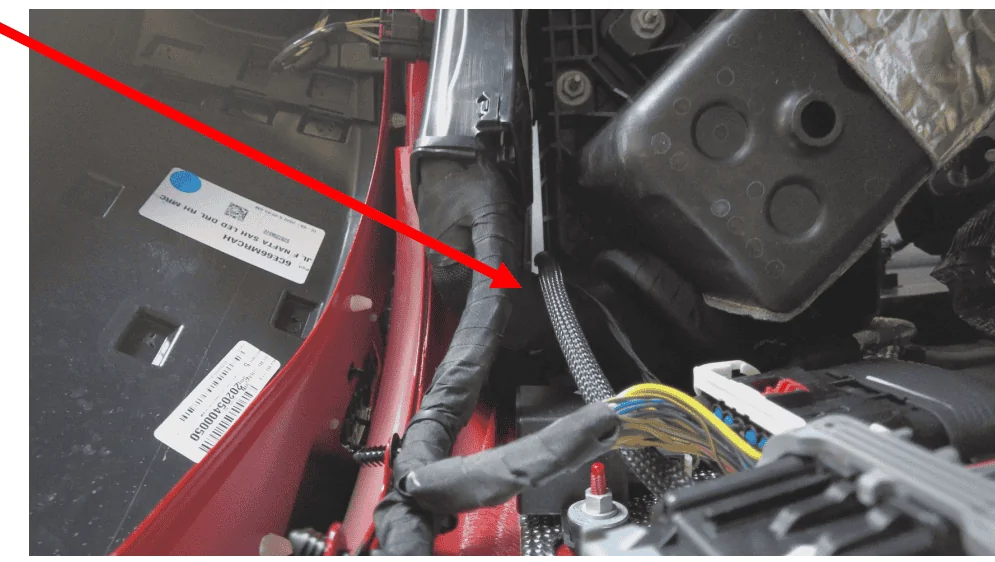
- the control module is only connected to the battery, so no messing with stock wiring.
- the steps are actuated by magnets you stick on the door and sensors you stick in the door jam. The sensors are a part of the RSE control module harness. You’ll need to remove the b and c pillar panels and door sill panels to run the wires so they are mostly hidden. The step control wires and optional lights (come on when the steps deploy) I routed through the floor plugs under the rear seat footwell/carpet.
- it comes with a power override switch so you can leave them deployed or retracted as desired. It will also mitigate battery drain, and you can “lock” them retracted while wheeling.
- huge cool factor! I get comments all the time.
Some caveats to my personal situation
- my gladiator is a diesel, so my carrying capacity is already limited. Gas engine gladiators may not have as much an issue since they have increased carrying capacity compared to the diesel models. As a result, when I was having front suspension issues, Jeep initially blamed my RSEs for the bottoming out. As a result, they had to remove them and reinstall to rule out whether they were causing the suspension issues.
some cons:
- really heavy. They’ll reduce your carrying capacity somewhat. A two person install job per side, or some creative use of Jack stands.
- I have had them fail to deploy, but very rarely.
- I have had to replace the motor on one side and an air piston on the other requiring dropping the entire side.
- it’s a pain to install (and remove if necessary to replace parts). You have to loosen the body bolts to install the mounting brackets, which can be problematic if one seizes like mine did. And you have to finagle the nuts into 20+ bolts in hard to reach places.
Pros:
- They’re really heavy and protect your truck really well and are designed to be used as rocksliders as well as steps (hence the name), something the AMP steps I don’t think are designed to do.
- they stick out about as far as the tire fenders do which protects from door dings, rocks being kicked up (protects hinge paint), and makes a nice platform to step on to clean windshield or roof.
- the control module is only connected to the battery, so no messing with stock wiring.
- the steps are actuated by magnets you stick on the door and sensors you stick in the door jam. The sensors are a part of the RSE control module harness. You’ll need to remove the b and c pillar panels and door sill panels to run the wires so they are mostly hidden. The step control wires and optional lights (come on when the steps deploy) I routed through the floor plugs under the rear seat footwell/carpet.
- it comes with a power override switch so you can leave them deployed or retracted as desired. It will also mitigate battery drain, and you can “lock” them retracted while wheeling.
- huge cool factor! I get comments all the time.
Some caveats to my personal situation
- my gladiator is a diesel, so my carrying capacity is already limited. Gas engine gladiators may not have as much an issue since they have increased carrying capacity compared to the diesel models. As a result, when I was having front suspension issues, Jeep initially blamed my RSEs for the bottoming out. As a result, they had to remove them and reinstall to rule out whether they were causing the suspension issues.
Sponsored