
ShadowsPapa
Well-Known Member
- First Name
- Bill
- Joined
- Oct 12, 2019
- Threads
- 247
- Messages
- 40,445
- Reaction score
- 53,879
- Location
- Runnells, Iowa
- Vehicle(s)
- '25 JTMX, '23 JLU 4xe, '82 SX4, '73 Javelin
- Occupation
- Retired auto mechanic, frmr gov't ntwrk security admin
- Vehicle Showcase
- 3
- Thread starter
- #1
I've seen it mentioned here and in other forums as well about an extra bit of oil (limit this to 1 quart over, and not more) and how it increases pressure on the seals, thus causing a leak.
Here are some facts ->
First:
The crankcase operates (normally) under a vacuum. The PCV is "Positive Crankcase Ventilation". In fact, one test for a PCV system is to use a vacuum gauge on the crankcase. It's so important to run negative pressure in the crankcase that engines used in drag racing where they have little to no vacuum to evacuate the crankcase use a vacuum pump to do the same thing. The higher the difference in pressure between the area above the piston rings and the area below them, the better the seal with many ring types.
This vacuum in the crankcase also prevents pressure from forcing oil out through gaskets, seals and so on.
Also:
The seals in our engines operate well above the oil level. They are never below the surface of the oil in the sump.
There is never pressure against the seals (although lip-type seals an handle around 7 psi or so, these don't have to handle pressure).
If there was some pressure, it would actually force the lip of the seal tighter against the shaft, improving the contact and sealing ability. Too much would wear the seal, of course.
But as crankcase pressure is removed via the PCV system, there is no concern.
In most engine designs, the oil from the main bearings is "slung off" and away from the seals by either a slinger, a washer type shape on the shaft between the main and the seal, or the crankshaft itself has a "slinger" machined onto it.
in the case of the 3.6, it's a large step up from the main bearing journal to the sealing surface, accomplishing the same effect - slinging oil away as the crankshaft spins.
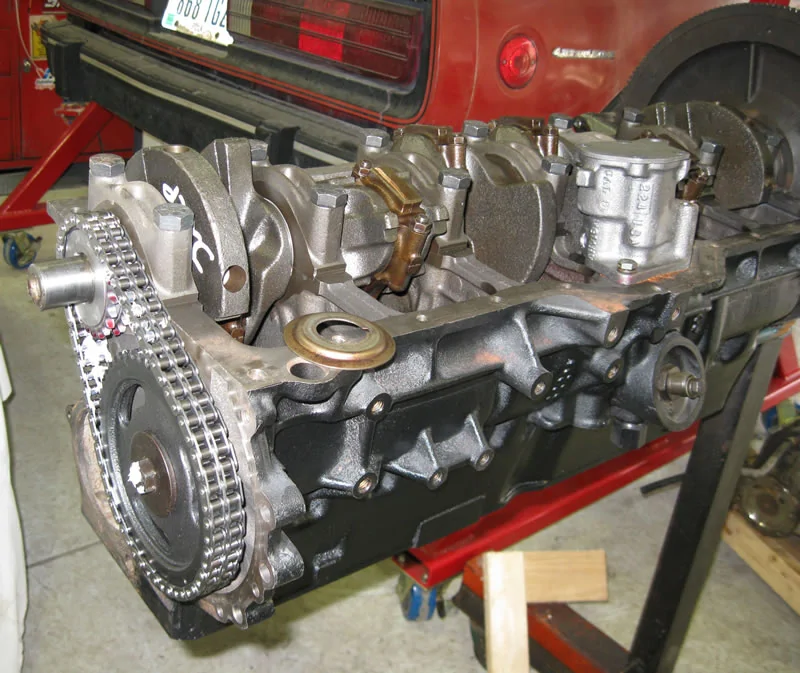
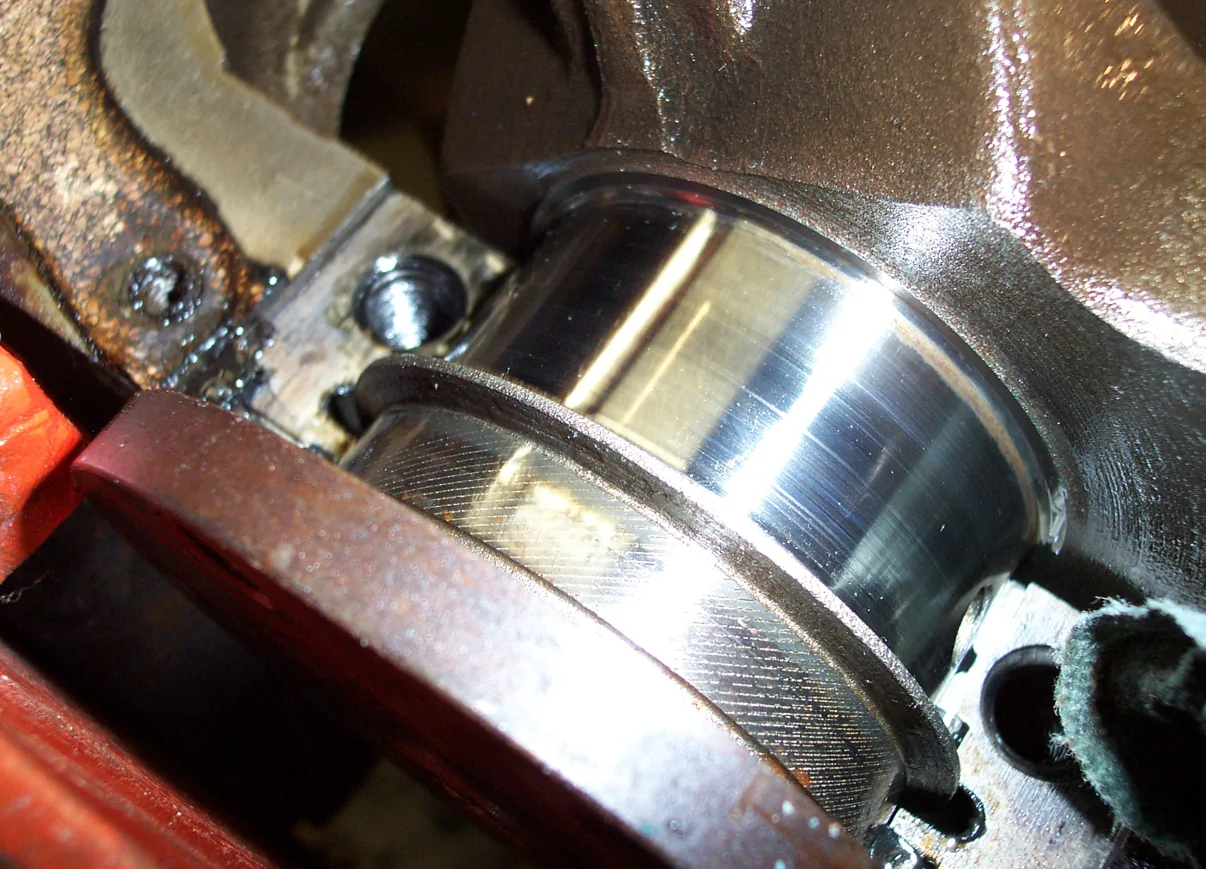
Here is an example from my shop of a V8 crankshaft with the "slinger" for the rear main made as part of the crankshaft. Also note the machine marks - designed to "auger" oil back into the engine as the crankshaft spins. The pressure from the mains never gets close to the seal, no oil is "shot at it", it is slung away after leaving the main bearing area.

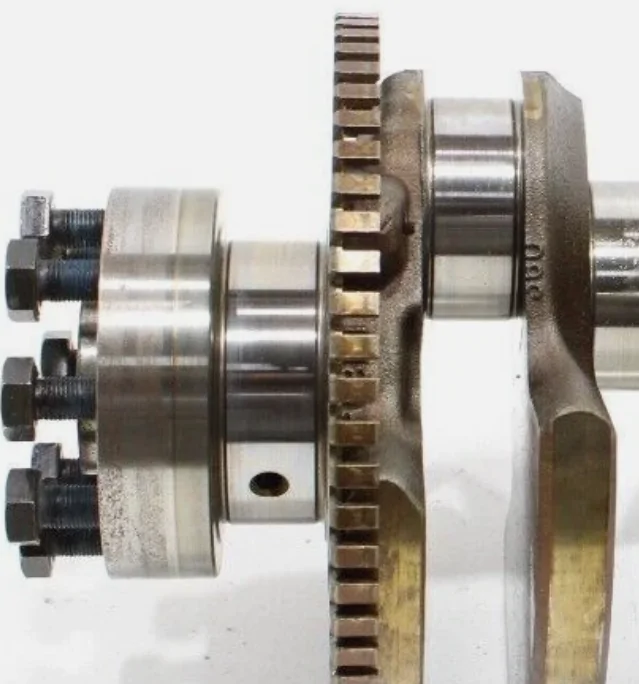
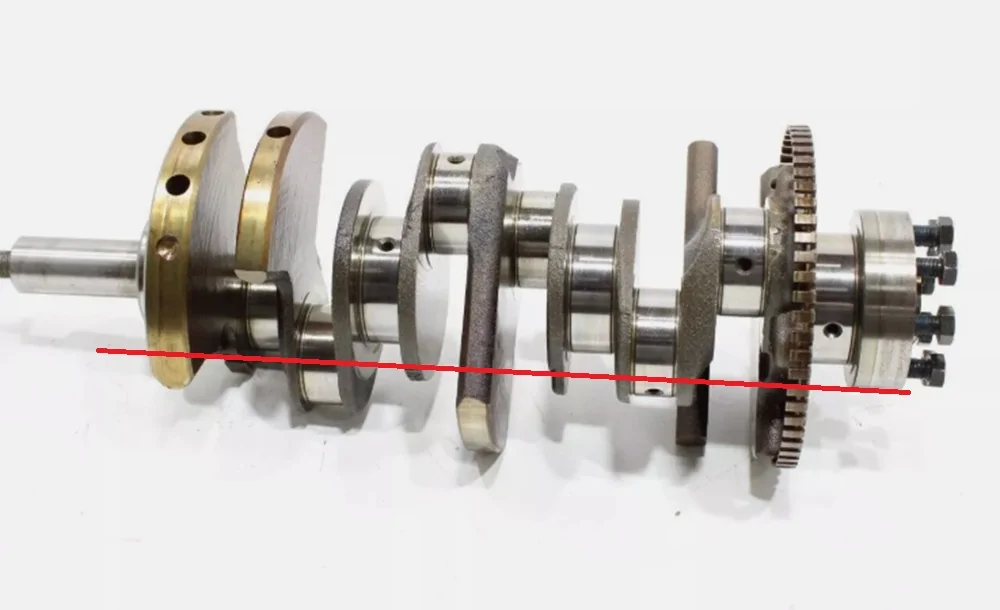
Below is a 3.6 crankshaft. Note the large step between the rear main (where the hole is) and the seal surface. That flat face acts as a slinger. The oil exiting the rear main is "slung away" by crankshaft rotation.
The rear main seal rides on the larger machined surface on the far left.
The seal is not exposed to oil pressure from the pressurized oiling system, and, oil is slung away from the seal as it leaves the rear main bearing area.

Here I show how the oil seal is never under oil, never submerged.
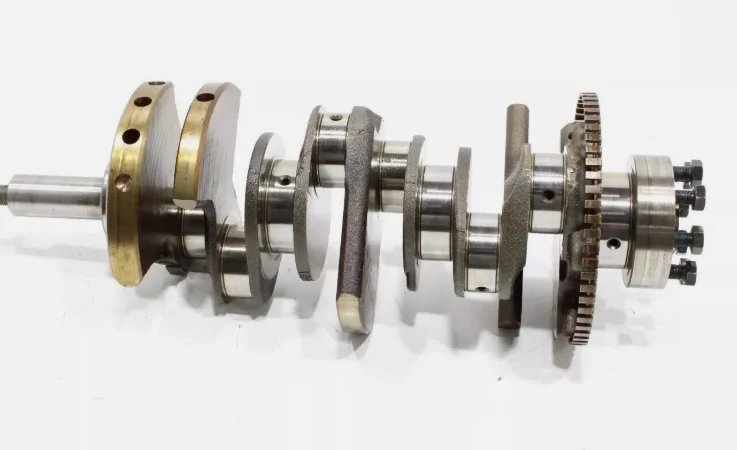
The image below is a 3.6 crankshaft.
Note the machined seal surface (where the bolts are on the right). That is where the seal "rides",

If you filled the crankcase to the point that the seal was operating in the oil instead of above it, look at what else would be in the oil.
Oil actually against the crank throws and counterweights would be a huge drag on the engine.
It would whip the oil into a froth. It would aerate the oil so bad, you'd lose oil pressure, the engine would be more noisy, lash adjusters couldn't take play out of the valve train. The rods and crankshaft throws, counterbalances, would be operating like a giant bakery mixer in the oil.
It would also take a lot more than 1 extra quart to get that far. The sump "size" increases as you move up. A quart of oil at the bottom will raise it x amount. Because the "diameter" of the sump increases moving upward, a quart of oil at the top will only raise it a small part of x.

Picture below -
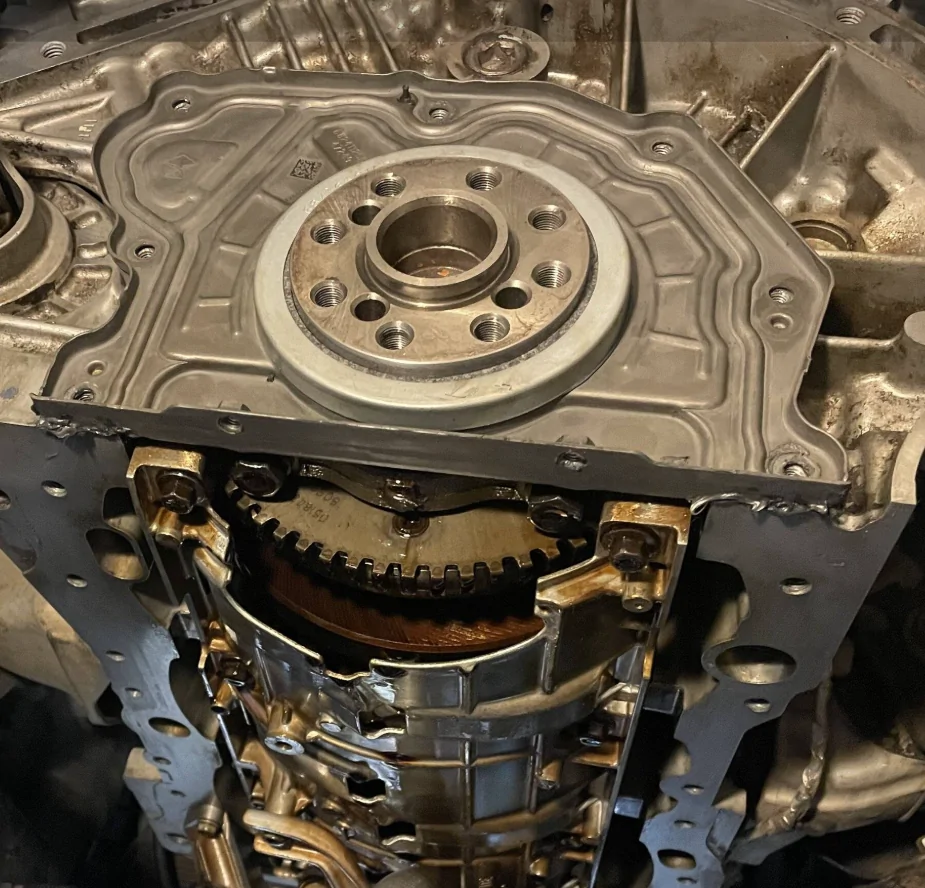
The 3.6 has aluminum windage tray at the bottom to prevent the oil from being whipped into a frenzy by the spinning crankshaft throws and connecting rod ends dipping down and up like the wind on the ocean whips it in to a foam. Wind from the spinning parts can cause the surface of the oil to be 'foamed', aerated. Thus the windage tray.
(There are actually multiple purposed for the windage tray. It also reduces drag on the crankshaft as it spins, lowering "internal friction" or drag on the crankshaft. It increases the chances of oil releasing trapped air before being pulled back into the pump. )
If you added so much oil as to get above this tray, you are running the crankshaft in oil, foaming it up, losing oil pressure and losing protection of the engine parts. The drag on the crankshaft smacking the surface of the oil would be intense. You would reach destructive levels before the seal would be operating in oil.
This picture also shows an area that's a common problem area when people replace the rear main, and do certain other maintenance - the intersection of sealing surfaces.
I don't know what MOPAR recommends for sealer here - but no way I'd use RTV off the shelf, the generic stuff, and the amount 'gooping' out in this picture really concerns me........... I don't know who's engine I grabbed a picture of, but I'm glad it isn't mine they are working on.
The seal is never under oil.
Added oil doesn't put any pressure on the seals (crankcase operates in a partial vacuum, not pressure - they do NOT operate under pressure). Increasing the amount of oil can't increase oil pressure or put the seals under pressure. It's not a thing.

And finally - I am not suggesting people should run 6 quarts in the JL or JT version of the 3.6. I'm not saying anything like that.
However, it's not going to blow it up, either.
If I were operating at extreme angles in the rocks, I might add an extra half quart just to be sure the oil pump is never starved for oil at extreme angles.
I used to run 6 quarts in my 70 Javelin engine because so much oil stayed up to at high RPM and high speeds when you came to a fast slowdown at the end of a run, the oil light would flicker because the oil was up top, or thrown forward away from the oil pump pickup screen.
And when you start an engine, there's always some oil up inside that doesn't get back to the sump until after it's been shut down for a while (thus, the shut it off and wait a while before checking the oil level and adding any). That means a running engine isn't quite as "over-full" in the sump as an engine that's shut down. Running, you do not have 5 quarts in the pan, so to speak.
In other words - a little extra oil won't blow seals - but don't go testing to see just how much oil these can stand unless your name is Charles and you have permission to replace the engine anyway and don't care.
We know that when Jeep put the 5 quart version of the upgrade engine in the JL and the JT came out, many dealerships - perhaps others, were so used to "Wranglers with a 3.6 take 6 quarts" or "Grand Cherokees with the 3.6 take 6" that thousands of these were sent out the door with 6 quarts in them. And any Jeep owner who didn't do their own checking constantly probably drove until the next oil change was due with that oil in it.
That should be enough to show that 6 quarts doesn't blow seals.
Here are some facts ->
First:
The crankcase operates (normally) under a vacuum. The PCV is "Positive Crankcase Ventilation". In fact, one test for a PCV system is to use a vacuum gauge on the crankcase. It's so important to run negative pressure in the crankcase that engines used in drag racing where they have little to no vacuum to evacuate the crankcase use a vacuum pump to do the same thing. The higher the difference in pressure between the area above the piston rings and the area below them, the better the seal with many ring types.
This vacuum in the crankcase also prevents pressure from forcing oil out through gaskets, seals and so on.
Also:
The seals in our engines operate well above the oil level. They are never below the surface of the oil in the sump.
There is never pressure against the seals (although lip-type seals an handle around 7 psi or so, these don't have to handle pressure).
If there was some pressure, it would actually force the lip of the seal tighter against the shaft, improving the contact and sealing ability. Too much would wear the seal, of course.
But as crankcase pressure is removed via the PCV system, there is no concern.
In most engine designs, the oil from the main bearings is "slung off" and away from the seals by either a slinger, a washer type shape on the shaft between the main and the seal, or the crankshaft itself has a "slinger" machined onto it.
in the case of the 3.6, it's a large step up from the main bearing journal to the sealing surface, accomplishing the same effect - slinging oil away as the crankshaft spins.
Here is an example from my shop of a V8 crankshaft with the "slinger" for the rear main made as part of the crankshaft. Also note the machine marks - designed to "auger" oil back into the engine as the crankshaft spins. The pressure from the mains never gets close to the seal, no oil is "shot at it", it is slung away after leaving the main bearing area.
Below is a 3.6 crankshaft. Note the large step between the rear main (where the hole is) and the seal surface. That flat face acts as a slinger. The oil exiting the rear main is "slung away" by crankshaft rotation.
The rear main seal rides on the larger machined surface on the far left.
The seal is not exposed to oil pressure from the pressurized oiling system, and, oil is slung away from the seal as it leaves the rear main bearing area.
Here I show how the oil seal is never under oil, never submerged.
The image below is a 3.6 crankshaft.
Note the machined seal surface (where the bolts are on the right). That is where the seal "rides",
If you filled the crankcase to the point that the seal was operating in the oil instead of above it, look at what else would be in the oil.
Oil actually against the crank throws and counterweights would be a huge drag on the engine.
It would whip the oil into a froth. It would aerate the oil so bad, you'd lose oil pressure, the engine would be more noisy, lash adjusters couldn't take play out of the valve train. The rods and crankshaft throws, counterbalances, would be operating like a giant bakery mixer in the oil.
It would also take a lot more than 1 extra quart to get that far. The sump "size" increases as you move up. A quart of oil at the bottom will raise it x amount. Because the "diameter" of the sump increases moving upward, a quart of oil at the top will only raise it a small part of x.
Picture below -
The 3.6 has aluminum windage tray at the bottom to prevent the oil from being whipped into a frenzy by the spinning crankshaft throws and connecting rod ends dipping down and up like the wind on the ocean whips it in to a foam. Wind from the spinning parts can cause the surface of the oil to be 'foamed', aerated. Thus the windage tray.
(There are actually multiple purposed for the windage tray. It also reduces drag on the crankshaft as it spins, lowering "internal friction" or drag on the crankshaft. It increases the chances of oil releasing trapped air before being pulled back into the pump. )
If you added so much oil as to get above this tray, you are running the crankshaft in oil, foaming it up, losing oil pressure and losing protection of the engine parts. The drag on the crankshaft smacking the surface of the oil would be intense. You would reach destructive levels before the seal would be operating in oil.
This picture also shows an area that's a common problem area when people replace the rear main, and do certain other maintenance - the intersection of sealing surfaces.
I don't know what MOPAR recommends for sealer here - but no way I'd use RTV off the shelf, the generic stuff, and the amount 'gooping' out in this picture really concerns me........... I don't know who's engine I grabbed a picture of, but I'm glad it isn't mine they are working on.
The seal is never under oil.
Added oil doesn't put any pressure on the seals (crankcase operates in a partial vacuum, not pressure - they do NOT operate under pressure). Increasing the amount of oil can't increase oil pressure or put the seals under pressure. It's not a thing.
And finally - I am not suggesting people should run 6 quarts in the JL or JT version of the 3.6. I'm not saying anything like that.
However, it's not going to blow it up, either.
If I were operating at extreme angles in the rocks, I might add an extra half quart just to be sure the oil pump is never starved for oil at extreme angles.
I used to run 6 quarts in my 70 Javelin engine because so much oil stayed up to at high RPM and high speeds when you came to a fast slowdown at the end of a run, the oil light would flicker because the oil was up top, or thrown forward away from the oil pump pickup screen.
And when you start an engine, there's always some oil up inside that doesn't get back to the sump until after it's been shut down for a while (thus, the shut it off and wait a while before checking the oil level and adding any). That means a running engine isn't quite as "over-full" in the sump as an engine that's shut down. Running, you do not have 5 quarts in the pan, so to speak.
In other words - a little extra oil won't blow seals - but don't go testing to see just how much oil these can stand unless your name is Charles and you have permission to replace the engine anyway and don't care.
We know that when Jeep put the 5 quart version of the upgrade engine in the JL and the JT came out, many dealerships - perhaps others, were so used to "Wranglers with a 3.6 take 6 quarts" or "Grand Cherokees with the 3.6 take 6" that thousands of these were sent out the door with 6 quarts in them. And any Jeep owner who didn't do their own checking constantly probably drove until the next oil change was due with that oil in it.
That should be enough to show that 6 quarts doesn't blow seals.
Sponsored
Last edited: