Joe_G
Well-Known Member
Oh good, that's less than I'd thought!$750 labor, cam was $110 and $40ish for the lifters.
Sponsored

Oh good, that's less than I'd thought!$750 labor, cam was $110 and $40ish for the lifters.


How much did that end up costing you? So far so good at 40k miles in a 2021, but I almost feel like this will be an inevitability.I did have the "tick" and replaced cams and lash adjustors at 61k miles
Edit: Nevermind, I saw someone else asked before I finished the thread lolHow much did that end up costing you? So far so good at 40k miles in a 2021, but I almost feel like this will be an inevitability.
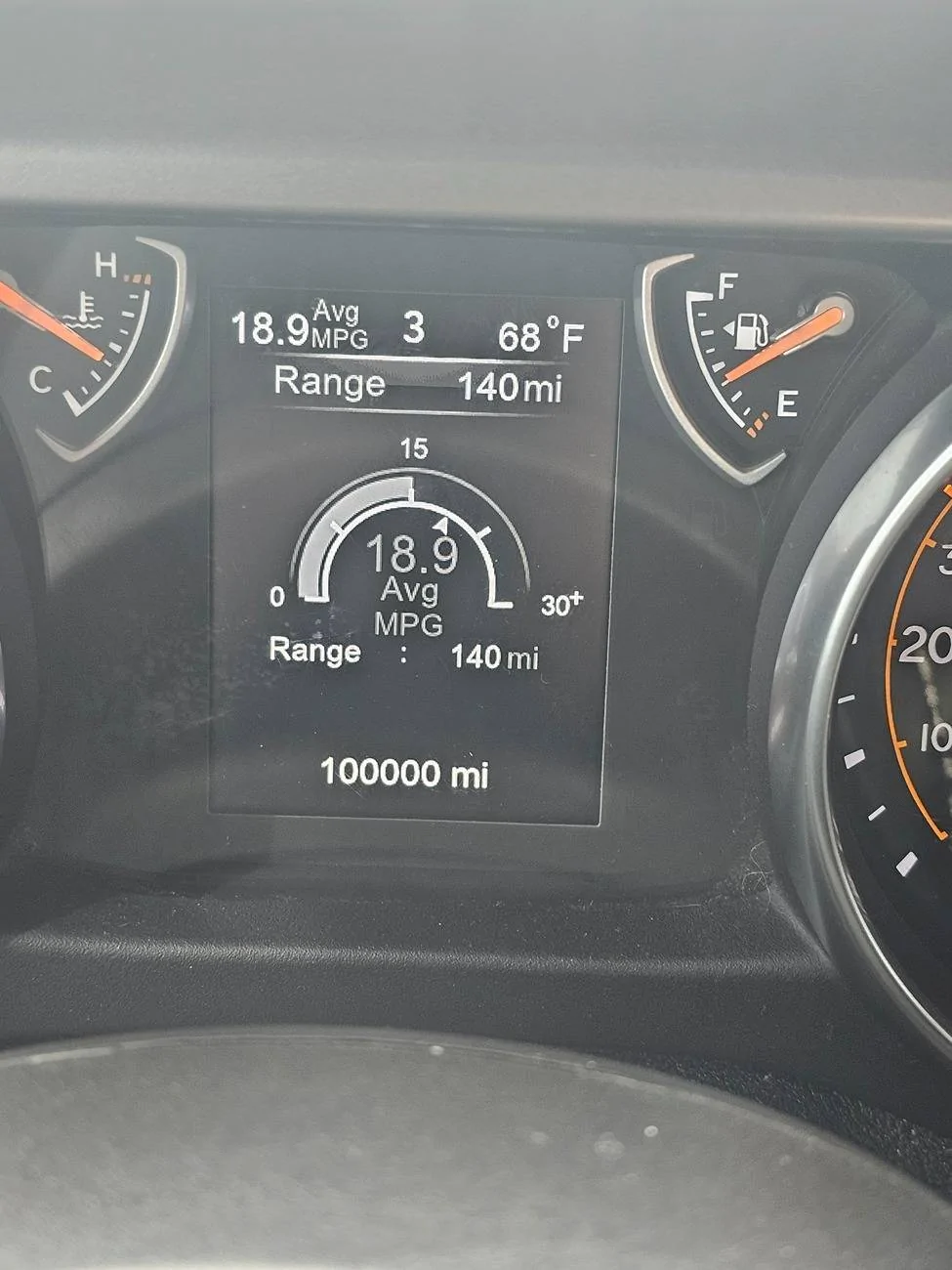
Congrats. I also have a 2020 Sport. just broke 145K miles with nothing but oil changes, New brake pads/rotors and a buch of tires. Thinking about replacingthe shocks but, knock on wood, no real issues.2020 Sport S, 6MT. I did have the "tick" and replaced cams and lash adjustors at 61k miles, one set of dead batteries, and recently replaced the spark plugs and PCV valve. Oil changes every 5k miles.

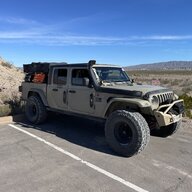

That’s impressiveWell done! Keep doing what you're doing and it should last. I'm getting close to rolling over 250k on my 2020 JT and it hasn't let me down yet.


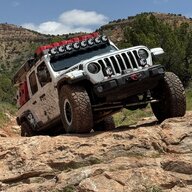
Care to share your maintenance program with the class?Well done! Keep doing what you're doing and it should last. I'm getting close to rolling over 250k on my 2020 JT and it hasn't let me down yet.

That's odd - around here you have little choice but to be above 3,000 RPM, sometimes for a mile or so, to get up to speed going up the ramp and then up the hill to the next town against the wind. Mine spends a lot of time over 3,000 RPM, especially when towing I let it breathe. I'd be lugging it if I tried to keep it under 3K around here.It is clear to me now that the engine does not like being above 3k rmp for very long, at all.
I’m with you. Mine stays above that quite a bit with just normal daily driving.That's odd - around here you have little choice but to be above 3,000 RPM, sometimes for a mile or so, to get up to speed going up the ramp and then up the hill to the next town against the wind. Mine spends a lot of time over 3,000 RPM, especially when towing I let it breathe. I'd be lugging it if I tried to keep it under 3K around here.
For me, it's when I'm off-roading on fast, whooped out trails. I think it's a combination of the higher RPM's (typically dont go above 4500) and sloshing of the oil in the pan resulting in partial oil starvation. However, when keeping an eye on oil pressure it maintains 70+ psi and doesn't drop, which would then indicate a lack of oil. At the same time, you can have minimal flow while still having consistent pressure.That's odd - around here you have little choice but to be above 3,000 RPM, sometimes for a mile or so, to get up to speed going up the ramp and then up the hill to the next town against the wind. Mine spends a lot of time over 3,000 RPM, especially when towing I let it breathe. I'd be lugging it if I tried to keep it under 3K around here.
I have read speculation about oil pressure and I have read speculation about substandard metal in the cams and lifters. I truly have no idea. This is a widespread problem, yet it seems the vast majority of these engines don’t have problems. I know that seems contradictory, but they have sold so many.For me, it's when I'm off-roading on fast, whooped out trails. I think it's a combination of the higher RPM's (typically dont go above 4500) and sloshing of the oil in the pan resulting in partial oil starvation. However, when keeping an eye on oil pressure it maintains 70+ psi and doesn't drop, which would then indicate a lack of oil. At the same time, you can have minimal flow while still having consistent pressure.
The first failure was right side at 58k miles - covered under warranty
Supercharger installed at 60k miles
2nd failure - left side at 76k miles
replaced engine due to lots of ground metal from both cams
3rd failure - right side at 100k miles - just after racing in Mexico - 1300 miles off road + drive home (I also blew my rear ring gear from going too fast in the whoops, but I passed the raptors in my group so for that little victory, from a manual JT, I'll take it)
4th failure - left side 108k miles - no real off-roading since the race
Something else I keep thinking about is the manual trans will transfer a lot more shock and stress into the engine vs an auto. It is easier for the torque converter to slip a little when loading up the rear axles in the whoops vs. a manual which stransfers all that stress.
Other than that, I am really stumped. At the bare minimum, if it's grinding away that tells me lack of oil, but oil has never shown to be low on fill or low on pressure....
Pressure is volume, or flow, against resistance. You can't have minimal flow and not maintain pressure. It's not possible. If there was oil starvation, you'd see the pressure fluctuate a bit due to air in the oil galleries and being compressible.it maintains 70+ psi and doesn't drop, which would then indicate a lack of oil. At the same time, you can have minimal flow while still having consistent pressure.
And that's all it is - actually not even as good as speculation - it's total guess-work, tossing stuff out to see what sticks. As long as you have pressure, the cam lobes are being lubricated. It doesn't take much pressure for the spray to hit the followers and lobes. You should see how far 20 PSI of oil pressure will shoot oil out of a V8 engine with the valve covers off. That's really all that's required because pressure does not lubricate - the oil film does.I have read speculation about oil pressure