
ShadowsPapa
Well-Known Member
- First Name
- Bill
- Joined
- Oct 12, 2019
- Threads
- 247
- Messages
- 40,514
- Reaction score
- 54,044
- Location
- Runnells, Iowa
- Vehicle(s)
- '25 JTMX, '23 JLU 4xe, '82 SX4, '73 Javelin
- Occupation
- Retired auto mechanic, frmr gov't ntwrk security admin
- Vehicle Showcase
- 3
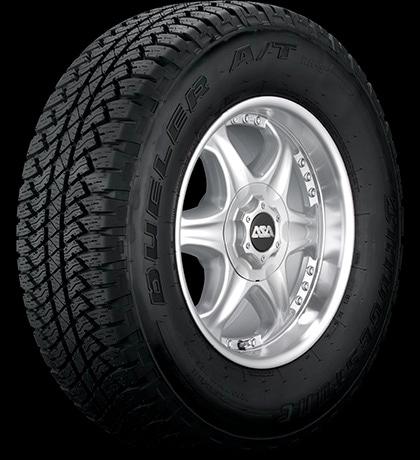
Points taken, but correct me if I'm wrong, the factory Dueler A/T is also not an LT, it is 112T (2,484#/tire).
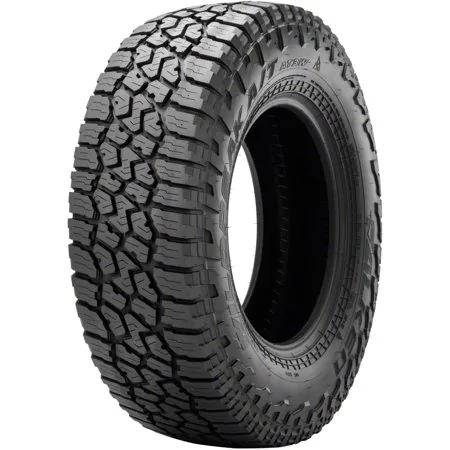
This Falken is a 115T (2679#/tire) so no problem maintaining factory towing and payload.
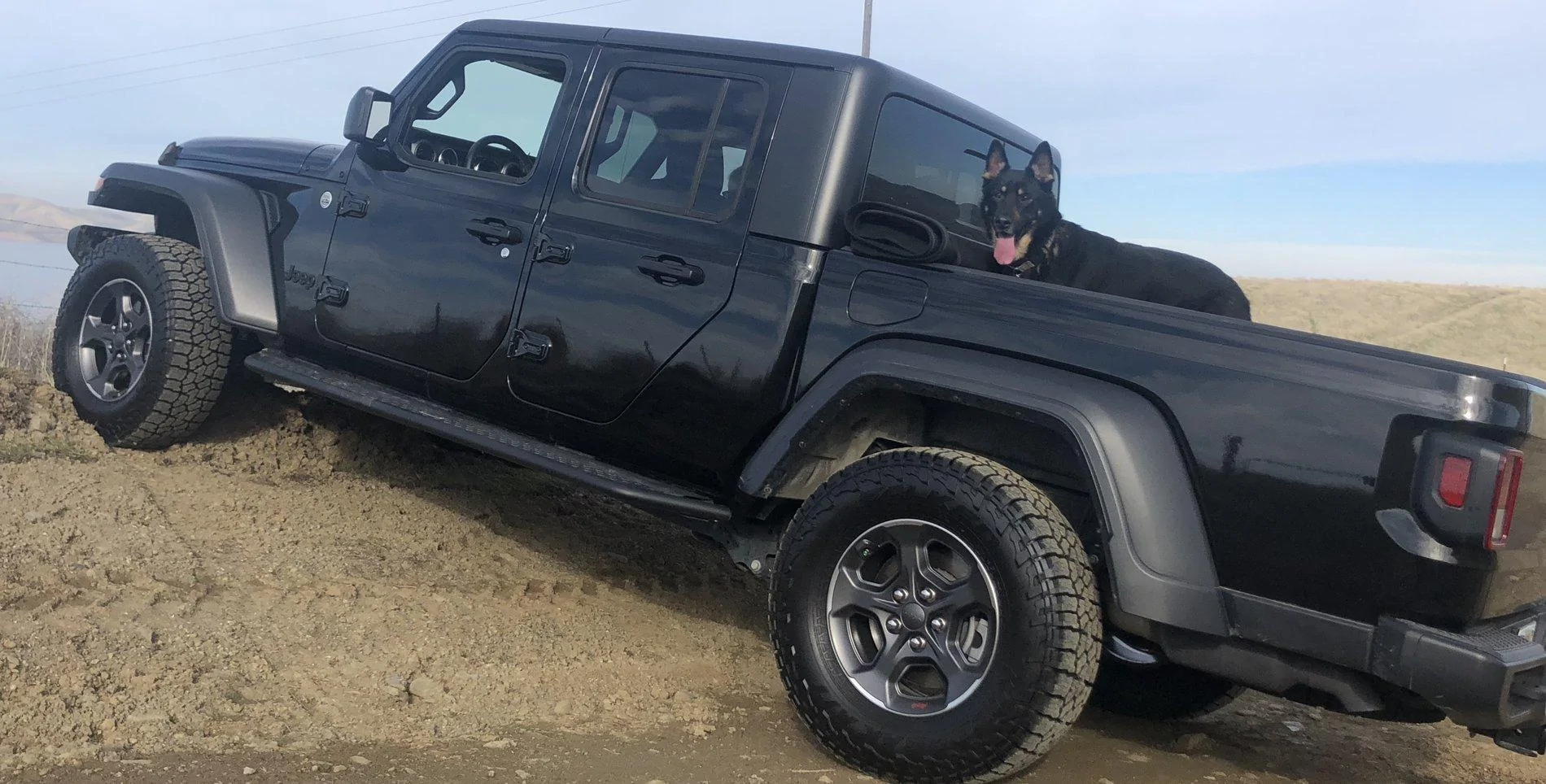
Still taking in advice, but I spent most of the 6 weeks waiting for my truck thinking about what size and type of tire to get and have come full circle from a hybrid 285/70 to this because:
I don't need mud tires - I need all-season with 3-peak mountain snowflake rating
I don't need a fat tire - narrow tires are better in the snow (but the factory took that to far with the 245 IMO)
A good % of my miles will be travelling between home in NH and camp in ME on 1 & 2 lane limited access roads and other area roads where good road holding (lower c.g., cornering grip, lower unsprung weight, etc.)
Less rolling resistance and weight improve fuel efficiency
No loss of towing or payload due to tall and/or heavy tires
Still expect a huge improvement in looks - my S has body colored fenders and visually to me even the factory tires look bigger when they are not competing with the huge std. black fenders
More than capable enough for the off-roading I am likely to do
For ordinary snow, yes, but this from a tire site - >
----------------------------------
Generally, narrower tires are better in snow and on ice because they are more stable and get better linear traction by penetrating the snow. This is not always true though; on hard-pack snow, wider tires with more sipes are better. In deep snow, wider tires might be able to float over the top, but that’s a very specific situation. Narrower wheel widths are normally better because it rounds the profile of the tire and helps both penetration and flotation.
----------------------------------
And this - which helps explain why even a wider tire on a rim that's not wider can have some positive impact (using a tire on the lower side of the recommended rim width) ->
-----------------------------------
A tire's contact patch or "footprint" greatly influences its performance. On the same vehicle, the area of the contact patch essentially remains the same with different width tires. When the footprint gets narrower as it will with a narrower width tire, it has to get longer. And the mechanics of the longer footprint help with the longitudinal traction for acceleration and braking.
------------------------------
Sponsored