bmpcamry09
Rock Sponsor (Level 1)
- Thread starter
- #1
Hey Gladitor peeps,
I was sent over here from the JL Wrangler forum. Be warned, this will be a LONG and detailed post.
If you want, check out my thread on the JL Wrangler forum for all the progression of this project.
https://www.jlwranglerforums.com/fo...g-what-jeep-won’t.163856/page-10#post-3380173
I am the proud owner of a new 2025 JL after previously owning a 2020 and a 2018. The Wranglers suffer from a nasty hesitation/stutter/misfire at low load/low RPM situations. Brand new off the showroom floor I noticed the issue. Most noticeably felt between 3rd and 4th gear at RPMS below 2000, but can also be felt at highway cruising speeds in the same area.
Well, little about me, one of my side hobbies/gigs for the last few years has been tuning/calibrating via HP Tuners. I've tuned a few hundred vehicles locally and remotely, mostly on the Ford Ecoboost platform and some occasional GM stuff. Look up my user name on the HP Tuners forums and you'll see I'm a total nerd when it comes to this stuff. I am OCD about the way my own vehicles drive. After buying the first F150 with a 10 speed trans years ago and experiencing what a nightmare the factory programing was on that, I dove head first into tuning and making factory vehicles run right.
A few Jeep mastertechs on the JL forum have dealt with this issue and determined it was a tuning related problem, but no one had a fix, not even Jeep. Jeep Cares and their tech support area has known about this since as early as 2023 and they have not been able to fix it. SO, I unlocked my PCM and busted out the laptop and my MPVI4 and got to work. Within a few days of testing and development, I found the problem. Here is a brief summary:
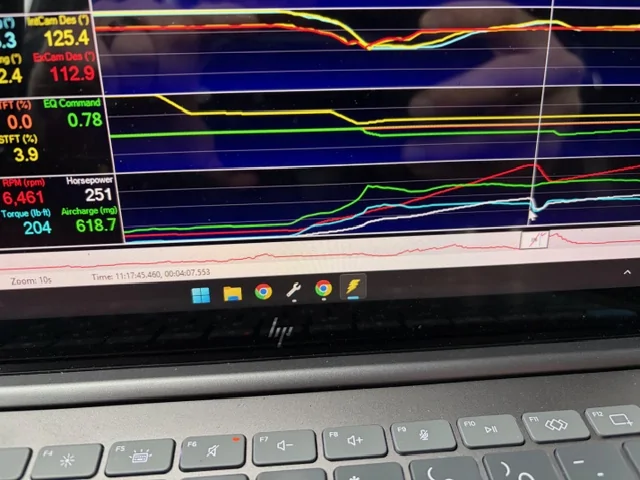
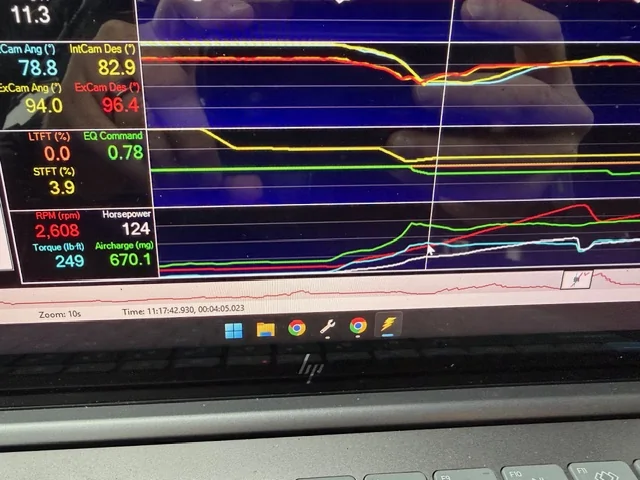
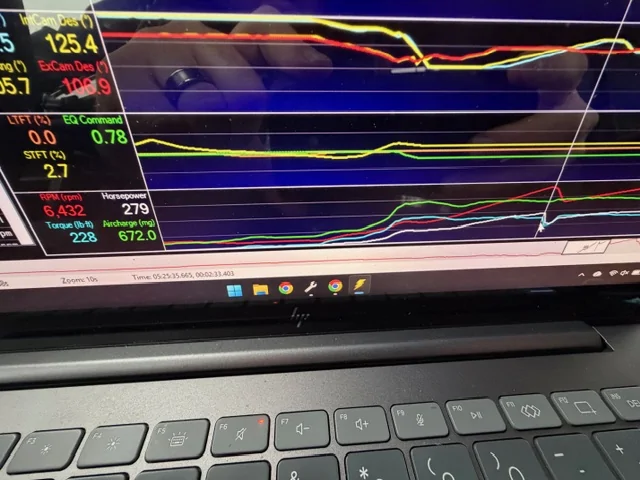
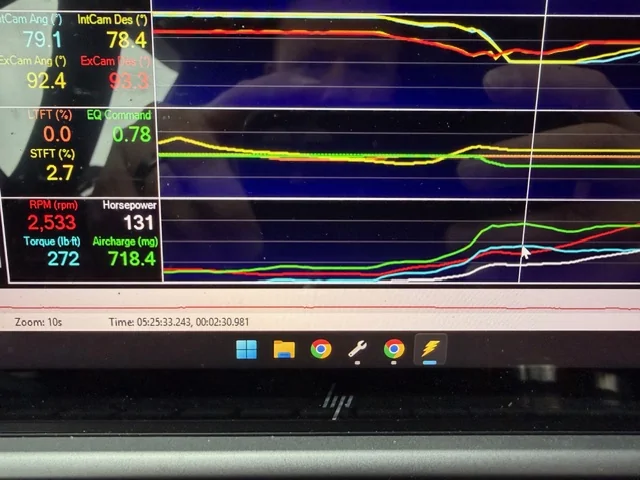
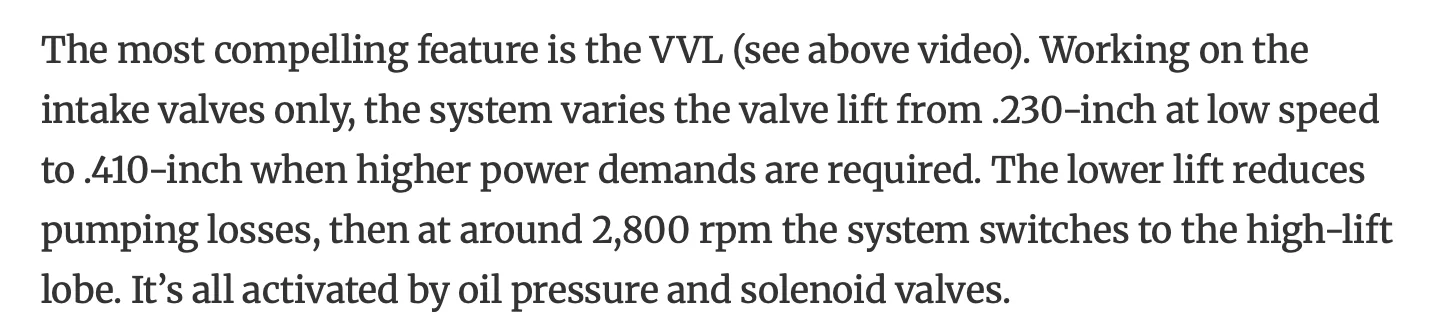
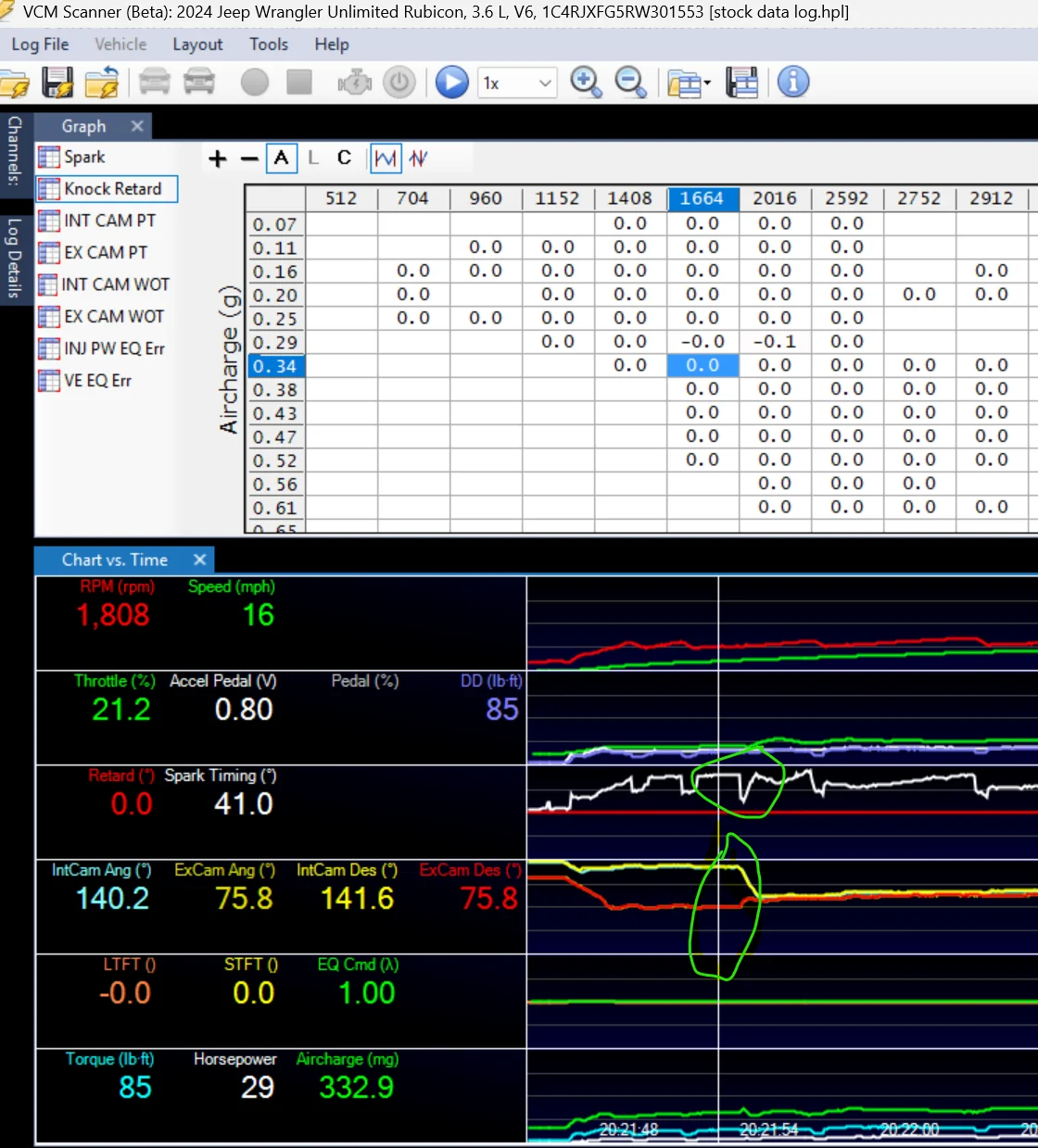
JL Wranglers and Gladiators with the PUG (2nd gen) Pentastar 3.6 have new features, namely VVL (variable valve lift, an add on to the existing VVT), and EGR. For years, people have thought the VVL system was like Honda VTEC, activating at high load/high RPM to increase power. I discovered in my weeks of testing and datalogging that is NOT the case with this VVL system. At no point in a wide open throttle run are our vehicles using the "high lift" feature of the VVL system. They are on the low side the whole pull. The ONLY time VVL high lift is active is low load/low RPM situations. It works hand in hand with the EGR system. The high lift is activated by cutting the 12 volt power supply to the VVL solenoids (see attached TSB). Normally they are always powered up to keep it in low lift mode. This is backwards compared to similar systems from Honda. When deactived, the high lift mode engages, locking out the center rocker of our complex rocker arms. At the same time, the VVL system adjusts cam timing, making it nearly fully advanced on the intake side (lower numbers=advancing). Below is a screenshot of this activation event from a datalog, which as you can see, occurs at low load/low RPM, gears 3-4. This VVL activation to supplement the EGR system with extra air is what is causing this stumble.
I discuss this datalog and discovery in this Youtube video:
I have corrected this issue with tuning via HP Tuners. There is a considerable amount of up front cost to get into this (PCM unlocking, MPVI3 or MPVI4 device, access cable, credits, then paying a tuner like me), but its the only forseeable fix since Jeep hasn't issued anything. They probably won't because it could possibly alter EPA ratings.
I have fixed this issue by changing the VVL and VVT functions within the tune. The cam can be advanced at low load and RPM naturally (the way the gen 1 pentastar worked), and EGR can still be integrated safely to keep emissions concerns at bay. This requires refinement of multiple cam tables, spark tables, spark adder tables, and a few other things that I take care of.
After I fixed the stumble, I developed full tuning on the whole platform for all 3.6 owners (except ETorque). My 2025 JL on 93 octane is showing gains of 20-25 horsepower and a shift in the torque curve to the left, making it more usable. These figures are based on datalogging FYI, but I am putting it on the dyno for those who don't believe datalogs in the coming weeks.
I'll go into detail on the process in the next post, this one is long enough.

I was sent over here from the JL Wrangler forum. Be warned, this will be a LONG and detailed post.
If you want, check out my thread on the JL Wrangler forum for all the progression of this project.
https://www.jlwranglerforums.com/fo...g-what-jeep-won’t.163856/page-10#post-3380173
I am the proud owner of a new 2025 JL after previously owning a 2020 and a 2018. The Wranglers suffer from a nasty hesitation/stutter/misfire at low load/low RPM situations. Brand new off the showroom floor I noticed the issue. Most noticeably felt between 3rd and 4th gear at RPMS below 2000, but can also be felt at highway cruising speeds in the same area.
Well, little about me, one of my side hobbies/gigs for the last few years has been tuning/calibrating via HP Tuners. I've tuned a few hundred vehicles locally and remotely, mostly on the Ford Ecoboost platform and some occasional GM stuff. Look up my user name on the HP Tuners forums and you'll see I'm a total nerd when it comes to this stuff. I am OCD about the way my own vehicles drive. After buying the first F150 with a 10 speed trans years ago and experiencing what a nightmare the factory programing was on that, I dove head first into tuning and making factory vehicles run right.
A few Jeep mastertechs on the JL forum have dealt with this issue and determined it was a tuning related problem, but no one had a fix, not even Jeep. Jeep Cares and their tech support area has known about this since as early as 2023 and they have not been able to fix it. SO, I unlocked my PCM and busted out the laptop and my MPVI4 and got to work. Within a few days of testing and development, I found the problem. Here is a brief summary:
JL Wranglers and Gladiators with the PUG (2nd gen) Pentastar 3.6 have new features, namely VVL (variable valve lift, an add on to the existing VVT), and EGR. For years, people have thought the VVL system was like Honda VTEC, activating at high load/high RPM to increase power. I discovered in my weeks of testing and datalogging that is NOT the case with this VVL system. At no point in a wide open throttle run are our vehicles using the "high lift" feature of the VVL system. They are on the low side the whole pull. The ONLY time VVL high lift is active is low load/low RPM situations. It works hand in hand with the EGR system. The high lift is activated by cutting the 12 volt power supply to the VVL solenoids (see attached TSB). Normally they are always powered up to keep it in low lift mode. This is backwards compared to similar systems from Honda. When deactived, the high lift mode engages, locking out the center rocker of our complex rocker arms. At the same time, the VVL system adjusts cam timing, making it nearly fully advanced on the intake side (lower numbers=advancing). Below is a screenshot of this activation event from a datalog, which as you can see, occurs at low load/low RPM, gears 3-4. This VVL activation to supplement the EGR system with extra air is what is causing this stumble.
I discuss this datalog and discovery in this Youtube video:
I have corrected this issue with tuning via HP Tuners. There is a considerable amount of up front cost to get into this (PCM unlocking, MPVI3 or MPVI4 device, access cable, credits, then paying a tuner like me), but its the only forseeable fix since Jeep hasn't issued anything. They probably won't because it could possibly alter EPA ratings.
I have fixed this issue by changing the VVL and VVT functions within the tune. The cam can be advanced at low load and RPM naturally (the way the gen 1 pentastar worked), and EGR can still be integrated safely to keep emissions concerns at bay. This requires refinement of multiple cam tables, spark tables, spark adder tables, and a few other things that I take care of.
After I fixed the stumble, I developed full tuning on the whole platform for all 3.6 owners (except ETorque). My 2025 JL on 93 octane is showing gains of 20-25 horsepower and a shift in the torque curve to the left, making it more usable. These figures are based on datalogging FYI, but I am putting it on the dyno for those who don't believe datalogs in the coming weeks.
I'll go into detail on the process in the next post, this one is long enough.
Sponsored