
Sponsored

Rhinebeck01
Well-Known Member
- Joined
- Nov 24, 2023
- Threads
- 4
- Messages
- 59
- Reaction score
- 81
- Location
- Ormond Beach, Florida
- Vehicle(s)
- 2018 2dr. Rubi, 2026 Rivian R1T, 2001 FatBoy
- Occupation
- Retired at 55 yo with a pension
Sponsored

ShadowsPapa
Well-Known Member
- First Name
- Bill
- Joined
- Oct 12, 2019
- Threads
- 247
- Messages
- 40,514
- Reaction score
- 54,044
- Location
- Runnells, Iowa
- Vehicle(s)
- '25 JTMX, '23 JLU 4xe, '82 SX4, '73 Javelin
- Occupation
- Retired auto mechanic, frmr gov't ntwrk security admin
- Vehicle Showcase
- 3
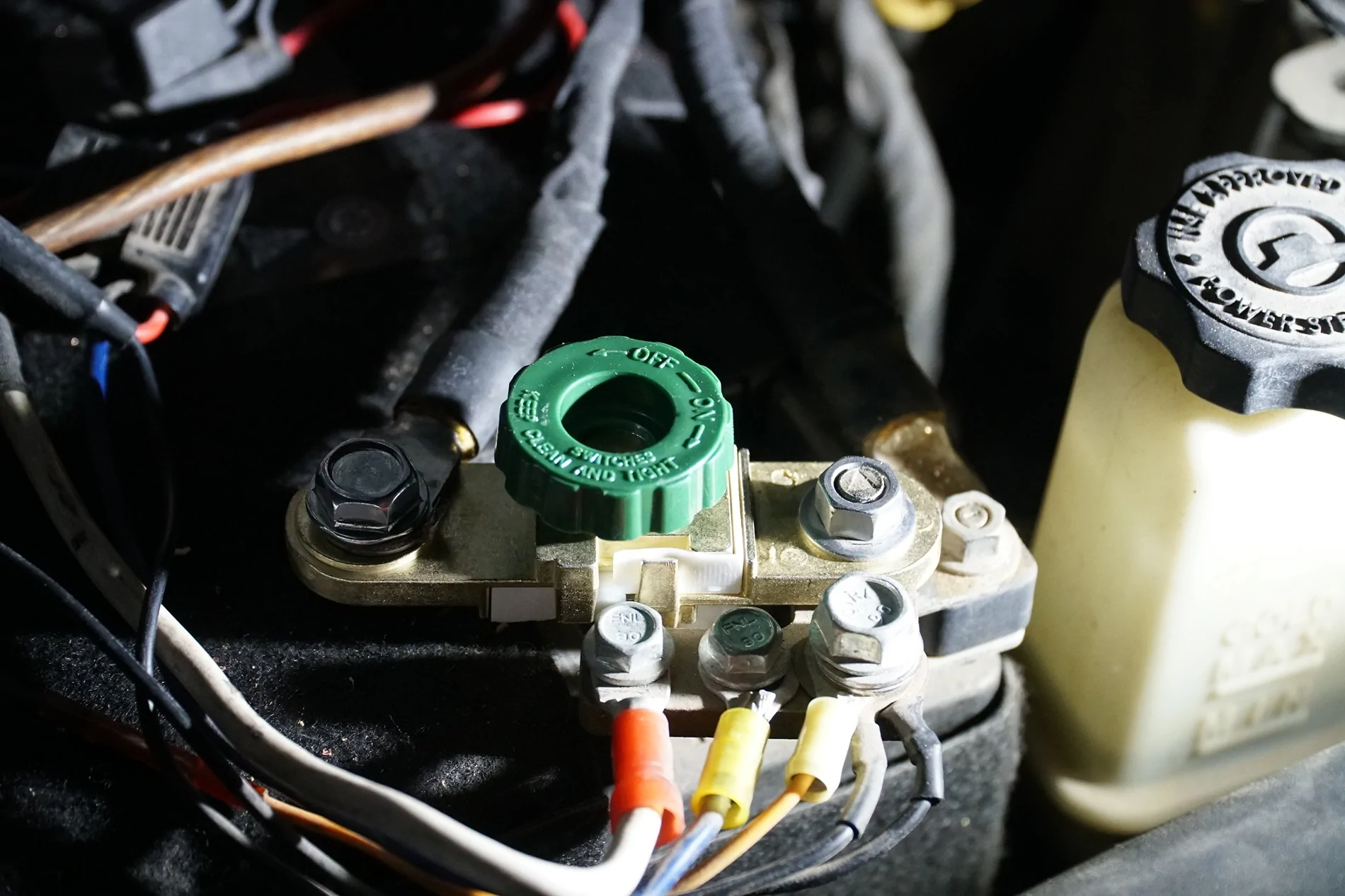
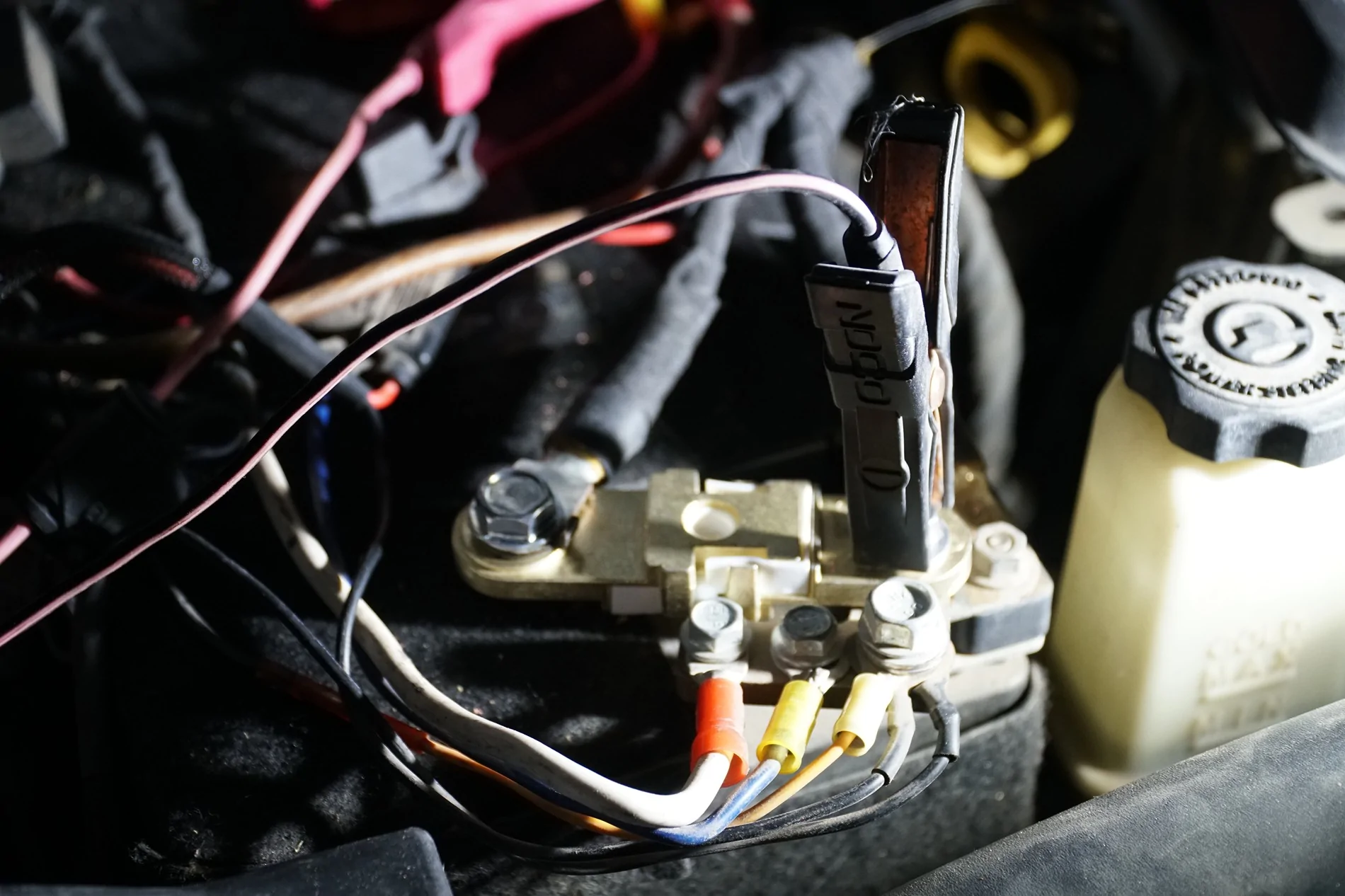
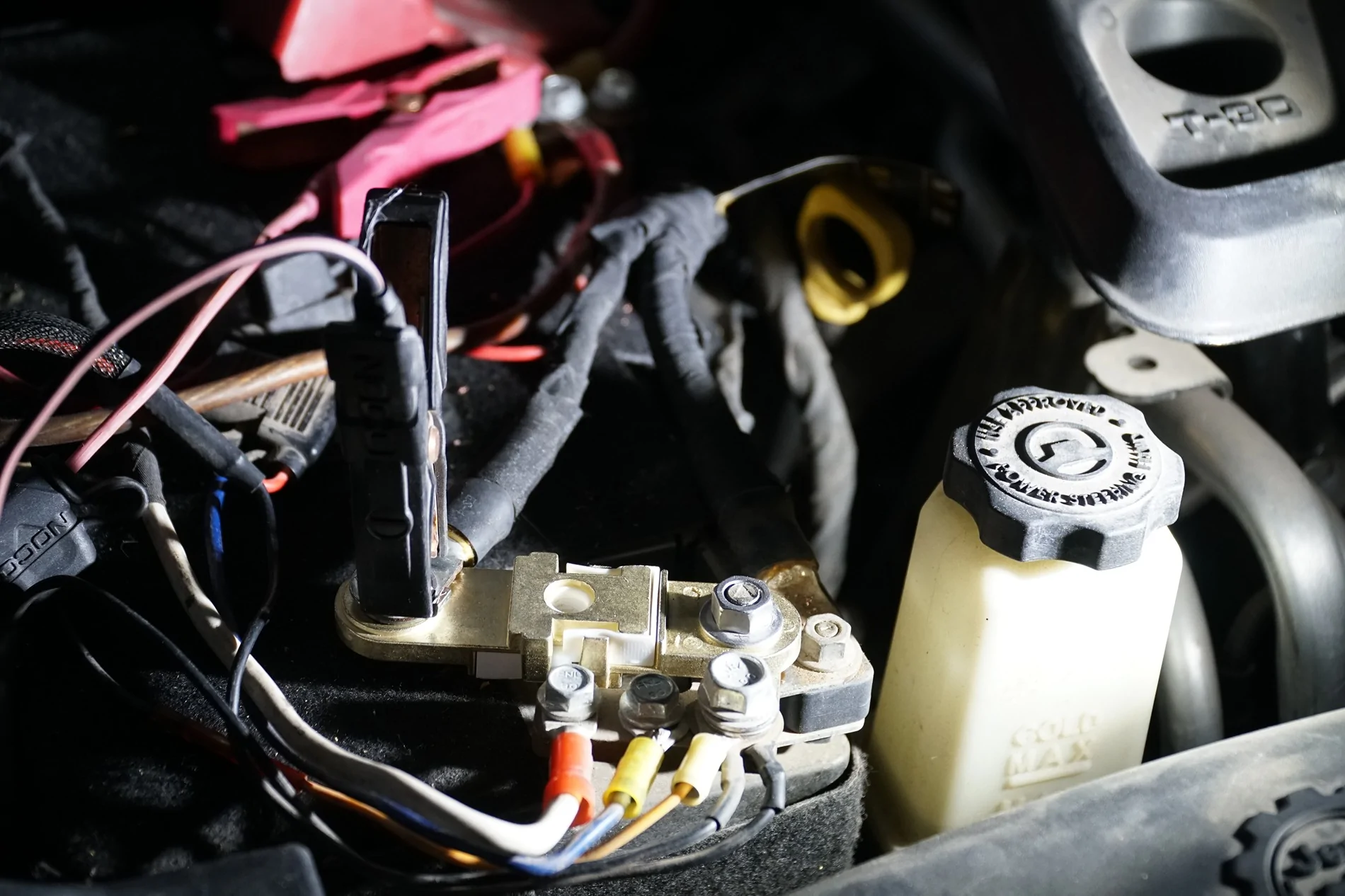
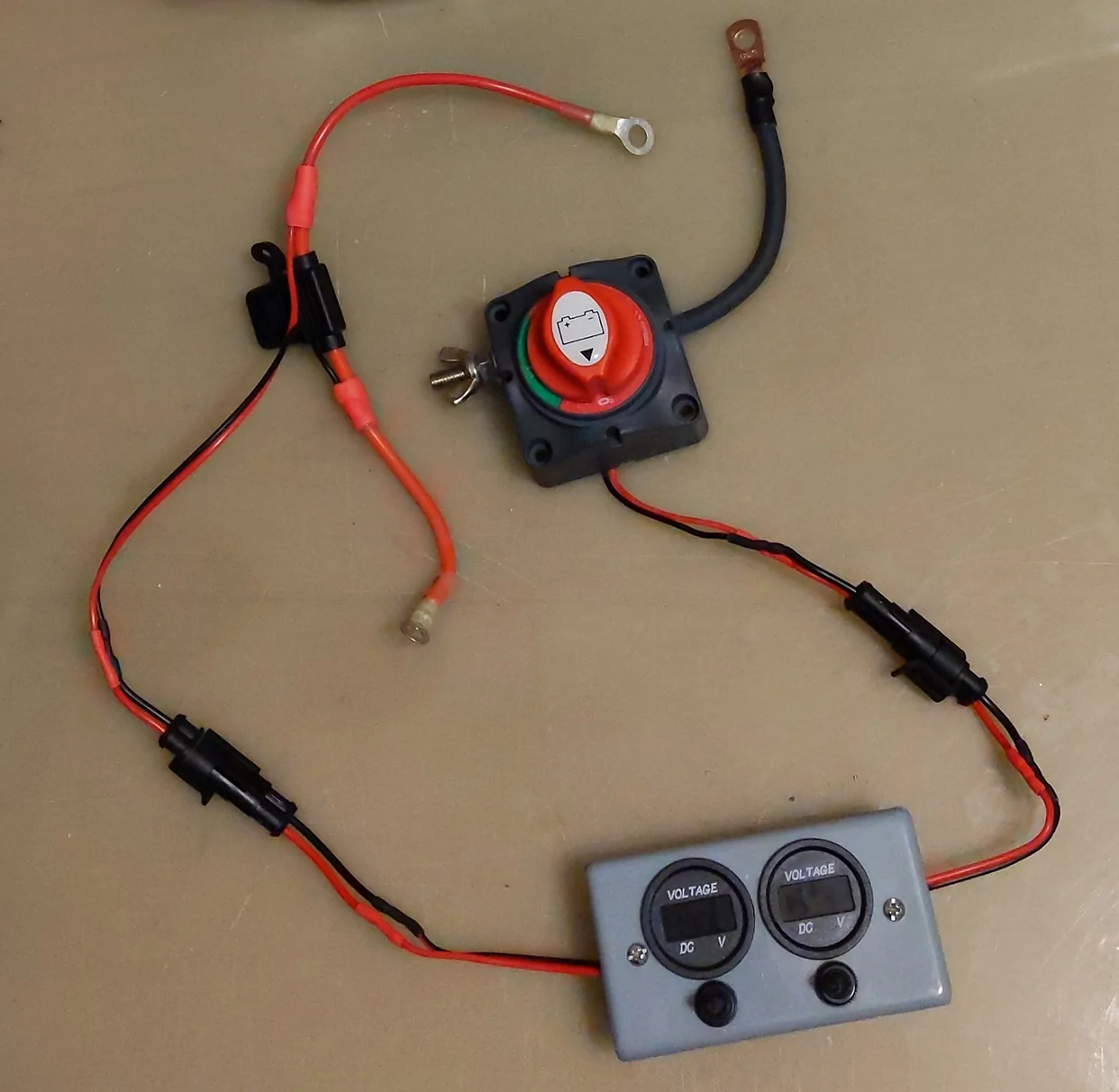
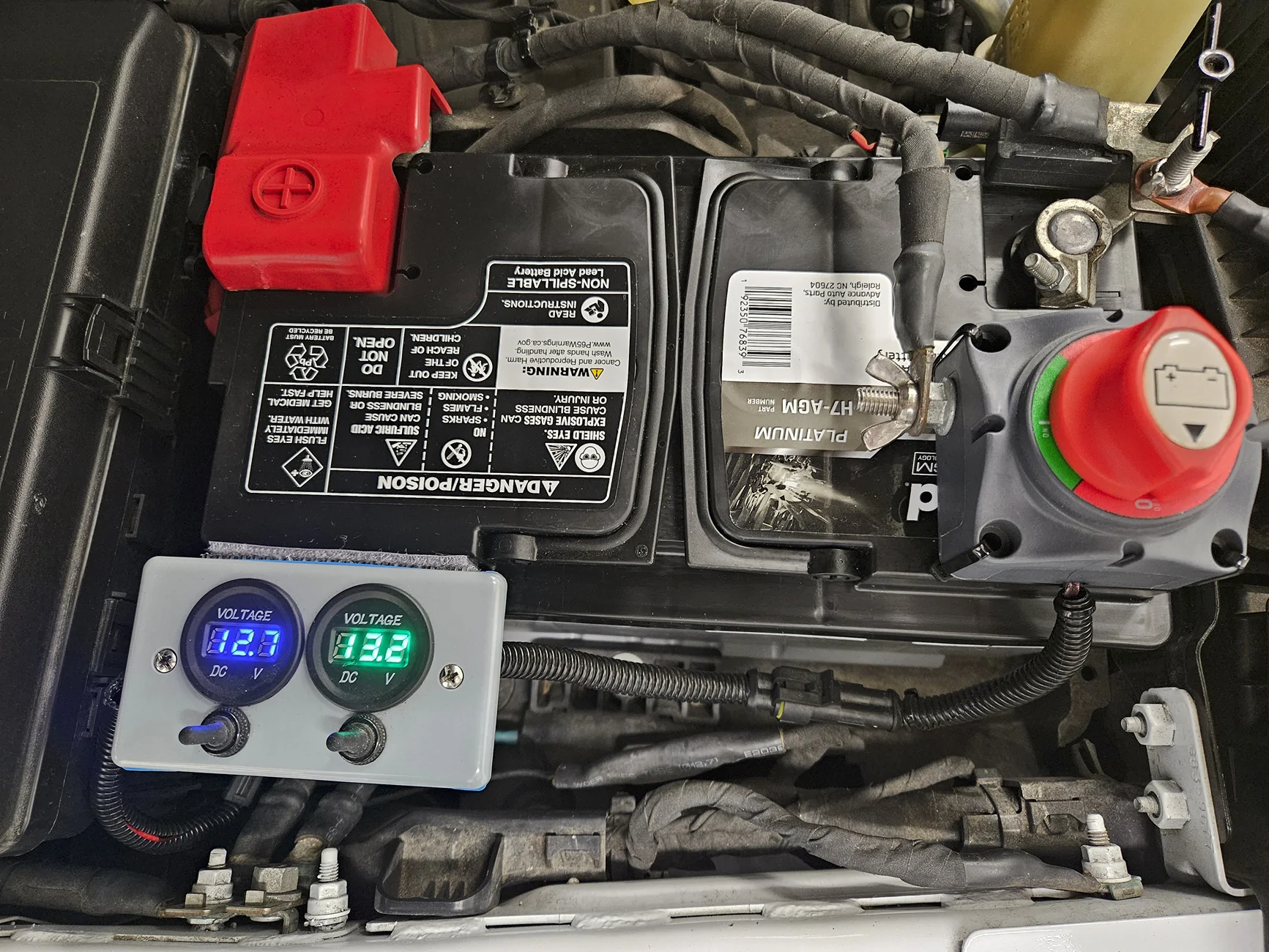
It's going to be different for later model years. You have a 2020 - one of the easier ones.I added an auxiliary battery disconnect, so now I can check both battery voltages and charge each one separately.
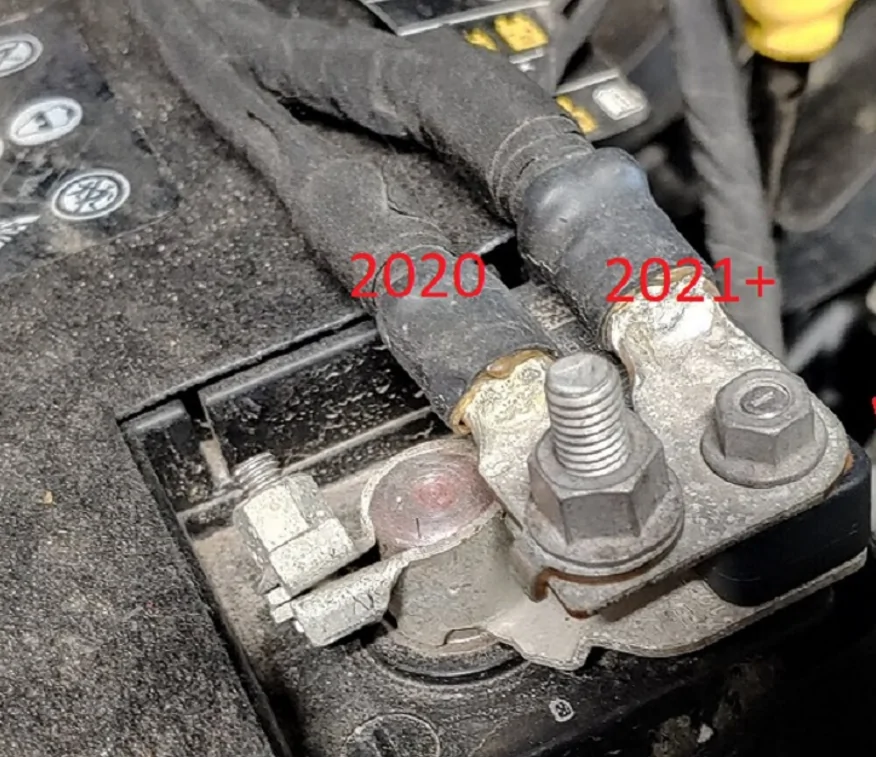
They switched the cables around later.
So anyone looking wanting to do this -

LouisvEarlleJT
Well-Known Member
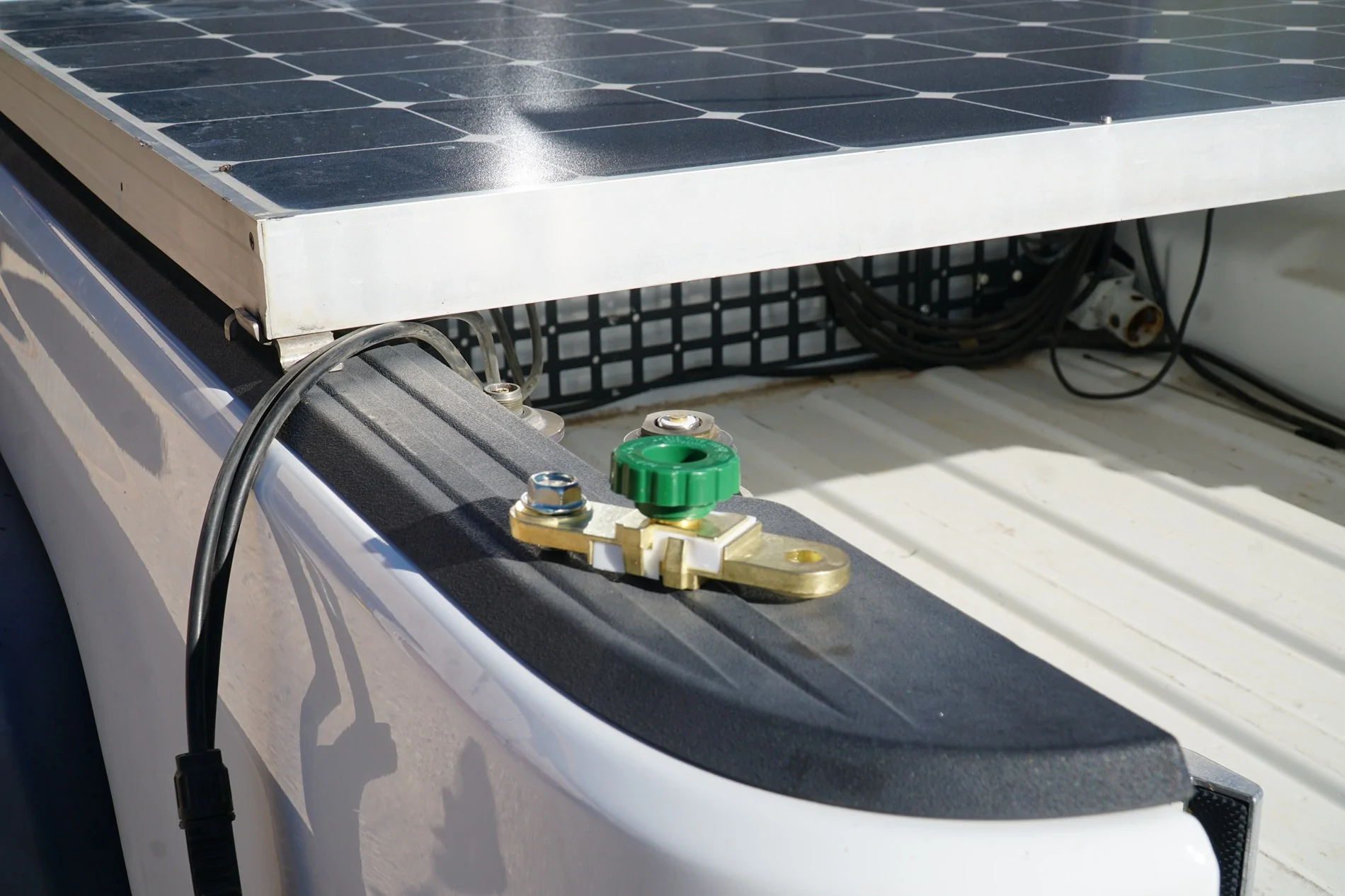
You may want to keep some dielectric grease on the threads under the green shut off screw. If they still make those like they did 10 years ago or so the screw part is made of a different metal than the part that connects on the posts which eventually leads to corrosion from the dissimilar metals and a loss of connection.I added an auxiliary battery disconnect, so now I can check both battery voltages and charge each one separately.
Had one on a car that would sit in storage for a while (hence the disconnect) and found out that it was made that way. The grease will help to slow the process.
OP
OP

J Sierra
Well-Known Member
- Thread starter
- #8
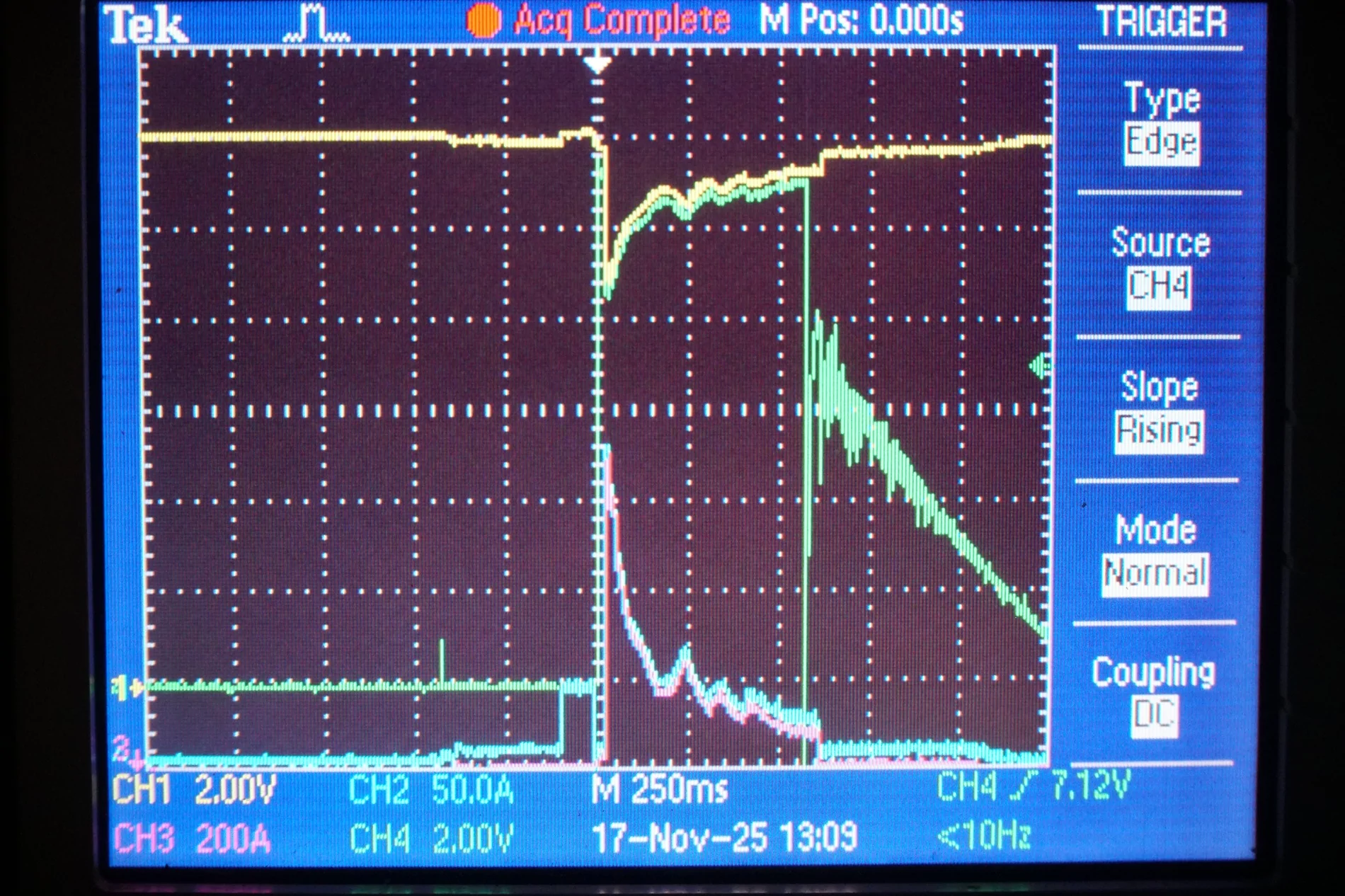
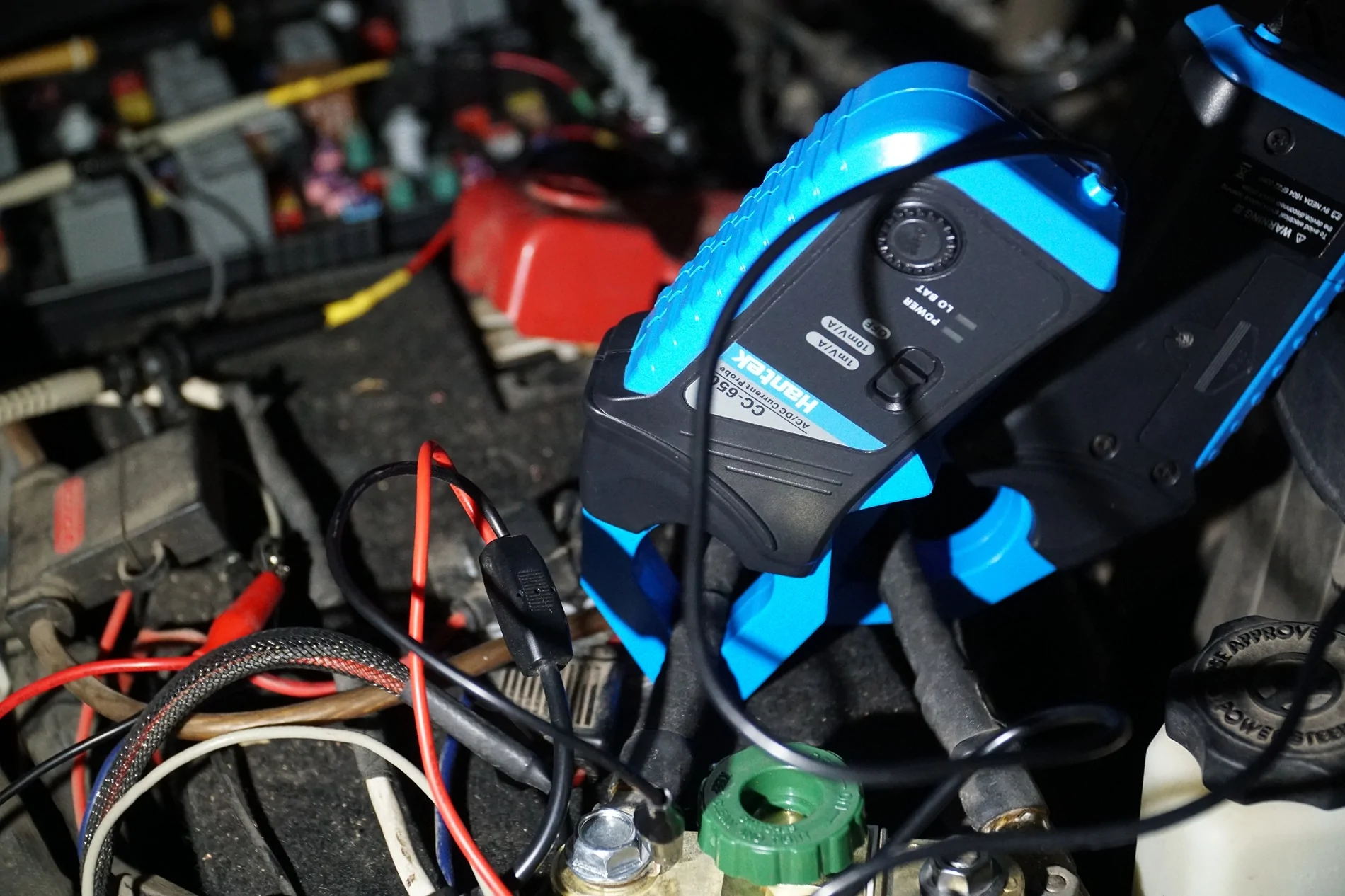
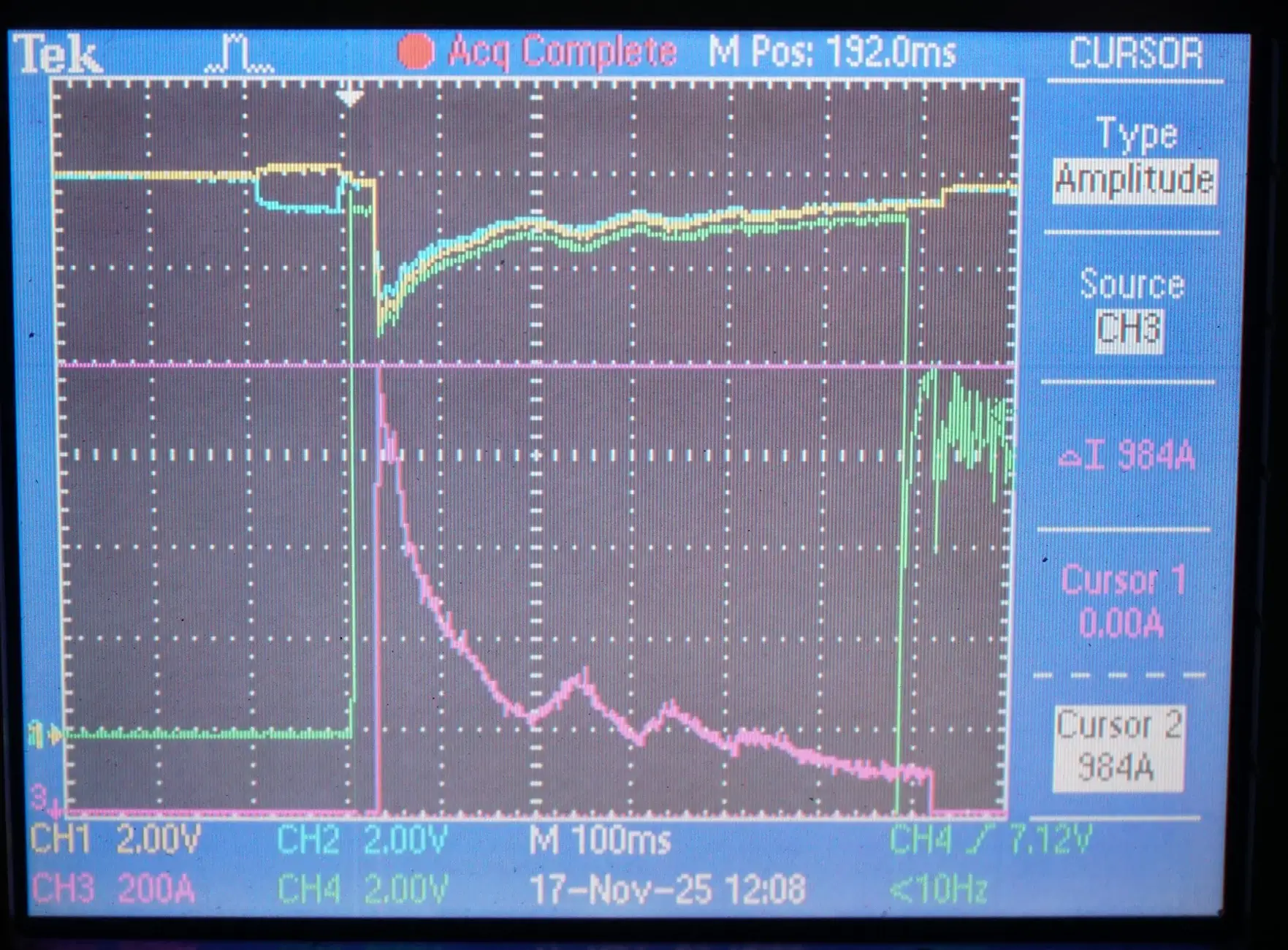
I put a current probe on the auxiliary ground and the main ground. This is the starting current; channel 2 is auxiliary ground, and channel 3 is main ground. The aux ground scale is 50A/div; the main is 200A/div. Channel 1 is N2 channel 4 is the start relay.

jebiruph
Well-Known Member
Thanks for posting this. Are the current probes different which explains the difference in the scale between CH2 (50A) and CH3 (200A)? And for the main ground are you on the body ground wire?I put a current probe on the auxiliary ground and the main ground. This is the starting current; channel 2 is auxiliary ground, and channel 3 is main ground. The aux ground scale is 50A/div; the main is 200A/div. Channel 1 is N2 channel 4 is the start relay.
Sponsored
ShadowsPapa
Well-Known Member
- First Name
- Bill
- Joined
- Oct 12, 2019
- Threads
- 247
- Messages
- 40,514
- Reaction score
- 54,044
- Location
- Runnells, Iowa
- Vehicle(s)
- '25 JTMX, '23 JLU 4xe, '82 SX4, '73 Javelin
- Occupation
- Retired auto mechanic, frmr gov't ntwrk security admin
- Vehicle Showcase
- 3
That's a given knowing batteries.Probes are the same, main gound peaks near 800A, aux ground near 200A. Main battery puts more current to starter than aux battery.
But the peak?
A 1970 starter on a heavy V8 does maybe 250 amps, have to check on the peak
jebiruph
Well-Known Member
It was seeing the almost identical signals with an almost exact factor of 4 difference between the 2 that lead to my questioning what I was seeing.Probes are the same, main gound peaks near 800A, aux ground near 200A. Main battery puts more current to starter than aux battery.
Doesn't he 800A in the common ground wire that leads to both batteries include the 200A from the aux battery? That would mean 600A from the main plus the 200A from the aux. What explains the difference between the starter wire current and and the ground wire current?
ShadowsPapa
Well-Known Member
- First Name
- Bill
- Joined
- Oct 12, 2019
- Threads
- 247
- Messages
- 40,514
- Reaction score
- 54,044
- Location
- Runnells, Iowa
- Vehicle(s)
- '25 JTMX, '23 JLU 4xe, '82 SX4, '73 Javelin
- Occupation
- Retired auto mechanic, frmr gov't ntwrk security admin
- Vehicle Showcase
- 3
Something is amiss - accuracy or whatever.It was seeing the almost identical signals with an almost exact factor of 4 difference between the 2 that lead to my questioning what I was seeing.
Doesn't he 800A in the common ground wire that leads to both batteries include the 200A from the aux battery? That would mean 600A from the main plus the 200A from the aux. What explains the difference between the starter wire current and and the ground wire current?
I can believe a microsecond spike in the hundreds of amps, but no way these pull more than a 4.5" massive Motorcraft starter cranking over a cold 390 for any period of time perceivable by man.
800 is a pretty large spike considering all that the current does is:
Operate the pull-in and hold-in windings of the solenoid, after which time the pull-in windings are taken out of circuit (if these solenoids even HAVE two windings)
And - operate the armature of the starter since there are no field windings.
It's an initial 'short' when the armature is connected by the solenoid and stationary, as soon as it moves, that changes. (not truly a short, but for all practical purposes it appears as such)
Sponsored


