Sponsored

Under Hood Liner necessary?

jav_eee

Well-Known Member
Joined
Mar 10, 2023
Threads
35
Messages
1,083
Reaction score
1,075
Location
Texas
Vehicle(s)
2021 Gladiator Rubicon
The damage to the paint doesn’t come from extreme temps that actually cause it to bubble or burn. It comes from the delta between hot and cold and repeated cycles of the engine running and not running. The damage comes over time. The liner serves the purpose of reducing the delta particularly around hot spots that inevitably exist in the engine bay and may become apparent in the paint over time.
FWIW i rqan without the liner for a while in the texas heat. It was always parked in the sun and hood temps (taken with an infrared thermometer) were the same with or without it. Matter of fact the hood temp after a couple hours of driving was the same temp it would be at sitting in the sun all day.

I believe it's just for noise.
Sponsored
 

Wolf Island Diver

Well-Known Member
Joined
Apr 14, 2021
Threads
26
Messages
1,117
Reaction score
2,450
Location
Virginia
Vehicle(s)
2021 JT Rubicon EcoDiesel
Occupation
Software Engineer
FWIW i rqan without the liner for a while in the texas heat. It was always parked in the sun and hood temps (taken with an infrared thermometer) were the same with or without it. Matter of fact the hood temp after a couple hours of driving was the same temp it would be at sitting in the sun all day.

I believe it's just for noise.
FWIW I know what it’s for. When I was a municipal firefighter for about 5 years I probably had a car fire every other cycle. In our academy training and tech rescue classes I took we covered vehicle fire tactics, along with the usual stabilization, rescue, entry, etc. The hood insulation, what it does, how to deal with it, e.g. cut it back from the battery to cut the cables after its fallen onto the engine, and under hood fire fighting tactics in general were covered. We saw demos of it working during practicals and I’ve seen it work as intended in the field. It’s unquestionably a fire suppression device. It was always critical that we not damage one of these covers when gaining entry to the engine compartment during a fire; to minimize any opening that will supply further oxygen when creating an opening to get water onto the fire to allow the device to work.

As far as general heat insulation. Of course it’s for heat this purpose. You can find sites that sell it for this stated purpose. You can find sites and forums all over the internet talking about using it and other materials for heat mitigation and shielding on other, usually high performance vehicles or over top of turbos, or exhaust components. You can find numerous entries on performance car forums where people have had paint issues on their hoods from engine heat. I’ve owned vehicles where this under hood insulation varied in thickness depending on its proximity to high temp components or included a reflective layer over top of it in strategic locations. You will find documentation in some owners manuals or service manuals referring to it as heat and noise insulation or a fire smothering panel and warn against removing it. We used similar panels inside cabinets for certain systems in Shipbuiding for the same purposes.

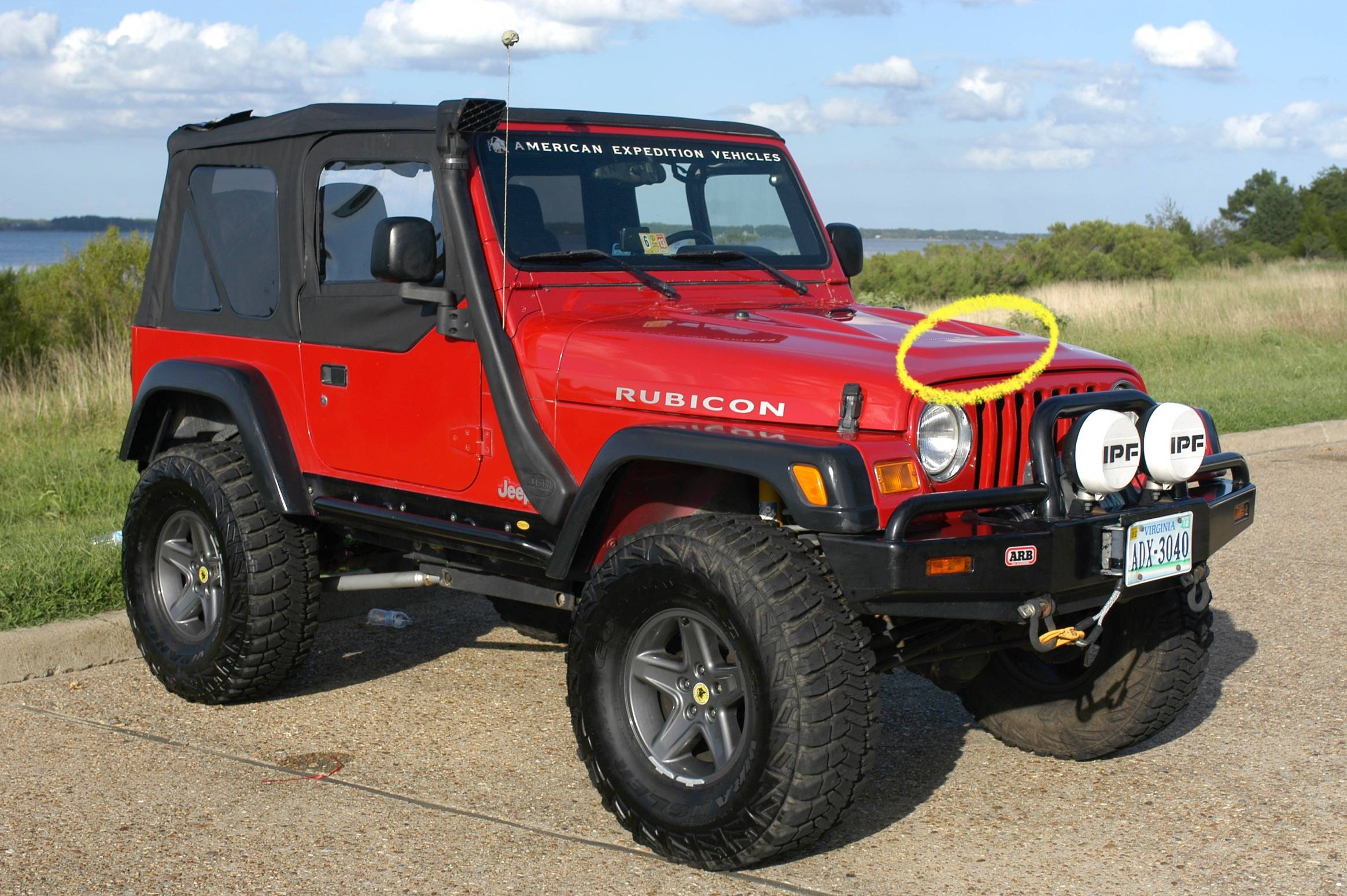
My 2004 Wrangler that I bought from AEV in Missoula, had their heat reduction hood. That hood was developed to deal with heat soak issues with their Hemi conversions. It had a literal open mesh vent in the front of it to let heat pour out and it worked. AEV still included internal hood insulation on the vehicle. If its contribution to the heat soak issues was such an issue they would have removed the insulation before reingineering the hood with an actual vent.
Jeep Gladiator Under Hood Liner necessary? DSC_0034


Generally speaking the engines in Jeeps don’t put out the kind of point source heat some performance cars do, e.g., cars with large turbo chargers. You probably can get away with removing it on a Jeep without seeing damage to the paint as people here have attested to. Thats great if that’s peoples preference. I don’t really see the gain in removing it, but you do you. That being said, I’ve seen plastic components under the hood my ecodiesel starting to warp from the heat. When I open my hood I get a blast of heat I’ve never experienced from a non-high performance vehicle.

Personally, I wouldn’t remove this insulation from the diesel. I wouldn’t run a hood mounted solar panel either on the diesel. With what little room I have to mount things I always use metal or heat resistant phenolic resin under the hood.
 

BUZZHEAD

Well-Known Member
First Name
BOB
Joined
Apr 12, 2021
Threads
3
Messages
856
Reaction score
1,224
Location
LAKE STATION INDIANA
Vehicle(s)
2024 JEEP RUBICAN GLADIATOR ,2016 HD SLIMS
Occupation
WEED PULLER
FWIW I know what it’s for. When I was a municipal firefighter for about 5 years I probably had a car fire every other cycle. In our academy training and tech rescue classes I took we covered vehicle fire tactics, along with the usual stabilization, rescue, entry, etc. The hood insulation, what it does, how to deal with it, e.g. cut it back from the battery to cut the cables after its fallen onto the engine, and under hood fire fighting tactics in general were covered. We saw demos of it working during practicals and I’ve seen it work as intended in the field. It’s unquestionably a fire suppression device. It was always critical that we not damage one of these covers when gaining entry to the engine compartment during a fire; to minimize any opening that will supply further oxygen when creating an opening to get water onto the fire to allow the device to work.

As far as general heat insulation. Of course it’s for heat this purpose. You can find sites that sell it for this stated purpose. You can find sites and forums all over the internet talking about using it and other materials for heat mitigation and shielding on other, usually high performance vehicles or over top of turbos, or exhaust components. You can find numerous entries on performance car forums where people have had paint issues on their hoods from engine heat. I’ve owned vehicles where this under hood insulation varied in thickness depending on its proximity to high temp components or included a reflective layer over top of it in strategic locations. You will find documentation in some owners manuals or service manuals referring to it as heat and noise insulation or a fire smothering panel and warn against removing it. We used similar panels inside cabinets for certain systems in Shipbuiding for the same purposes.

My 2004 Wrangler that I bought from AEV in Missoula, had their heat reduction hood. That hood was developed to deal with heat soak issues with their Hemi conversions. It had a literal open mesh vent in the front of it to let heat pour out and it worked. AEV still included internal hood insulation on the vehicle. If its contribution to the heat soak issues was such an issue they would have removed the insulation before reingineering the hood with an actual vent.
DSC_0034.jpeg


Generally speaking the engines in Jeeps don’t put out the kind of point source heat some performance cars do, e.g., cars with large turbo chargers. You probably can get away with removing it on a Jeep without seeing damage to the paint as people here have attested to. Thats great if that’s peoples preference. I don’t really see the gain in removing it, but you do you. That being said, I’ve seen plastic components under the hood my ecodiesel starting to warp from the heat. When I open my hood I get a blast of heat I’ve never experienced from a non-high performance vehicle.

Personally, I wouldn’t remove this insulation from the diesel. I wouldn’t run a hood mounted solar panel either on the diesel. With what little room I have to mount things I always use metal or heat resistant phenolic resin under the hood.
Very in depth, real world explanation. thank you
 

River2016

Well-Known Member
Joined
May 28, 2021
Threads
10
Messages
229
Reaction score
214
Location
Greenville SC
Vehicle(s)
2021 sport s - 2018 Gx460 - 1992 SC400
Occupation
Construction
Ironically, in the past, one line of cars I can think of (Jeeps as well back then) - if it had AC it had the hood insulation and that's what it was called back then.
If it did not have AC, then no pad.
I'll have to see if I can track that any farther than the 1980s.

UV fades paint as badly as anything.
Heat causes damage, but think how hot that hood gets sitting in the sun on a hot day, engine not running. Which is worse?

If mine goes south, me being me, I'll replace it.
But that's not telling anyone else they should do the same.
It was there, I'll want it back again.
Same. Might be a touch of OCD
 

Phishs

Well-Known Member
First Name
David
Joined
Jul 27, 2021
Threads
45
Messages
1,106
Reaction score
930
Location
TN
Vehicle(s)
24 JTM, 21 JTR (traded)
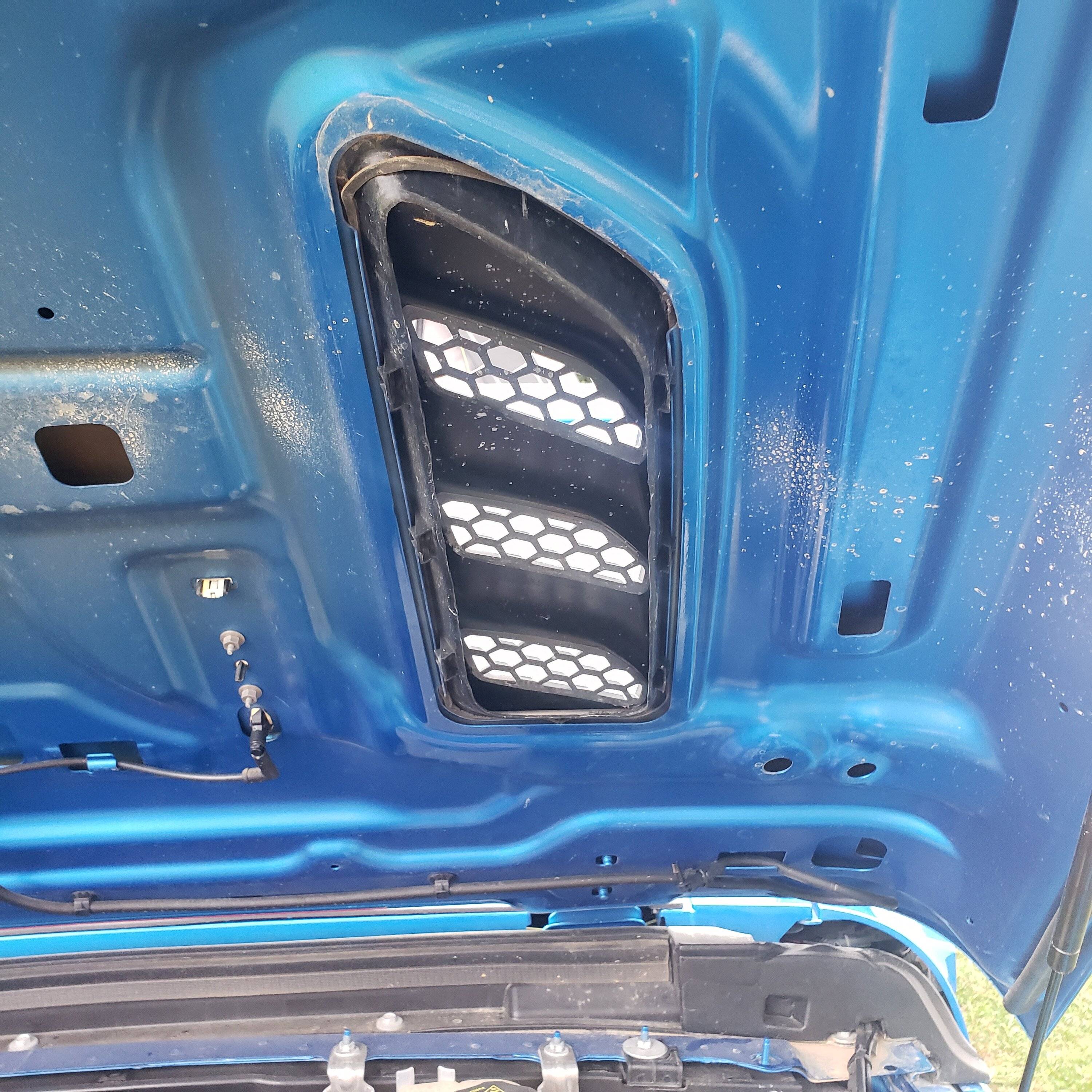
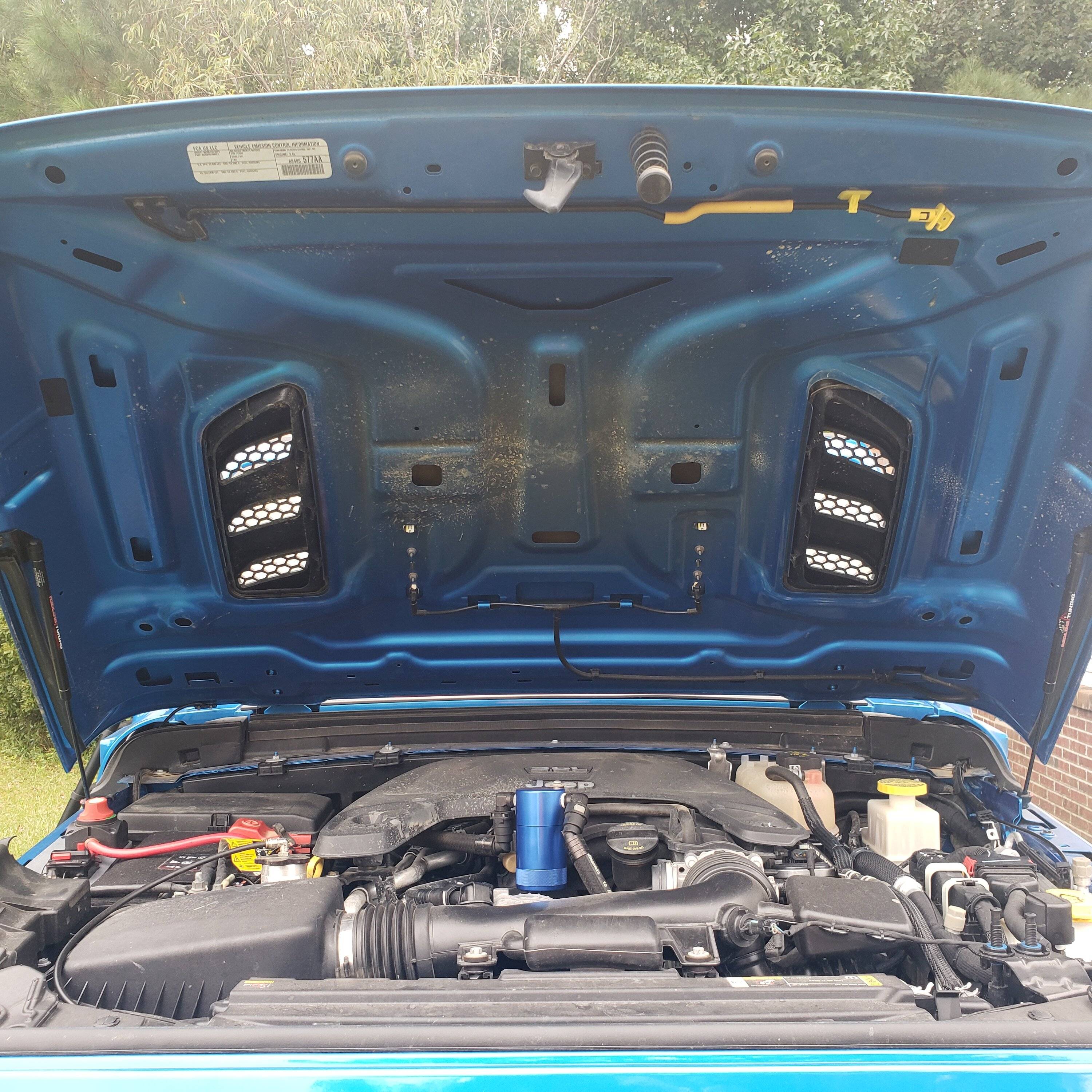
I have been running mine for about a year and a half with no hood liner since making the rubicon vent functional. I have had no issues. I can visually see the heat rising out the rubicon vents and the electric fan doesn't have to run as much while offroading.
Pics of the underside of the hood with the vents functional?
 

Sponsored

jav_eee

Well-Known Member
Joined
Mar 10, 2023
Threads
35
Messages
1,083
Reaction score
1,075
Location
Texas
Vehicle(s)
2021 Gladiator Rubicon
FWIW I know what it’s for. When I was a municipal firefighter for about 5 years I probably had a car fire every other cycle. In our academy training and tech rescue classes I took we covered vehicle fire tactics, along with the usual stabilization, rescue, entry, etc. The hood insulation, what it does, how to deal with it, e.g. cut it back from the battery to cut the cables after its fallen onto the engine, and under hood fire fighting tactics in general were covered. We saw demos of it working during practicals and I’ve seen it work as intended in the field. It’s unquestionably a fire suppression device. It was always critical that we not damage one of these covers when gaining entry to the engine compartment during a fire; to minimize any opening that will supply further oxygen when creating an opening to get water onto the fire to allow the device to work.

As far as general heat insulation. Of course it’s for heat this purpose. You can find sites that sell it for this stated purpose. You can find sites and forums all over the internet talking about using it and other materials for heat mitigation and shielding on other, usually high performance vehicles or over top of turbos, or exhaust components. You can find numerous entries on performance car forums where people have had paint issues on their hoods from engine heat. I’ve owned vehicles where this under hood insulation varied in thickness depending on its proximity to high temp components or included a reflective layer over top of it in strategic locations. You will find documentation in some owners manuals or service manuals referring to it as heat and noise insulation or a fire smothering panel and warn against removing it. We used similar panels inside cabinets for certain systems in Shipbuiding for the same purposes.

My 2004 Wrangler that I bought from AEV in Missoula, had their heat reduction hood. That hood was developed to deal with heat soak issues with their Hemi conversions. It had a literal open mesh vent in the front of it to let heat pour out and it worked. AEV still included internal hood insulation on the vehicle. If its contribution to the heat soak issues was such an issue they would have removed the insulation before reingineering the hood with an actual vent.
DSC_0034.jpeg


Generally speaking the engines in Jeeps don’t put out the kind of point source heat some performance cars do, e.g., cars with large turbo chargers. You probably can get away with removing it on a Jeep without seeing damage to the paint as people here have attested to. Thats great if that’s peoples preference. I don’t really see the gain in removing it, but you do you. That being said, I’ve seen plastic components under the hood my ecodiesel starting to warp from the heat. When I open my hood I get a blast of heat I’ve never experienced from a non-high performance vehicle.

Personally, I wouldn’t remove this insulation from the diesel. I wouldn’t run a hood mounted solar panel either on the diesel. With what little room I have to mount things I always use metal or heat resistant phenolic resin under the hood.
Relax I wasn’t attacking you I was just adding to your comment about temperature deltas or whatever it was. I never mentioned whether I thought removing it was a good idea or not. Just wanted to provide some personal observations.

that being said they may have been “fire blankets” back in the day but nowadays? Every vehicle would have one if that were the case. You just reminded me that I know a few fire fighters. I’m gonna ask if they’ve been trained in a similar way.
 

Gvsukids

Well-Known Member
First Name
Justin
Joined
Mar 7, 2020
Threads
26
Messages
7,259
Reaction score
6,898
Location
Grand Rapids
Website
www.youtube.com
Vehicle(s)
2020 Gladiator Sport S Max Tow
Occupation
Delivery Driver

zuki_dan

Well-Known Member
First Name
Daniel
Joined
Jul 13, 2021
Threads
0
Messages
179
Reaction score
151
Location
NC
Vehicle(s)
92 miata & cherokee, 06 ram 2500, 15 mustang,
Occupation
Aircraft Examiner
Pics of the underside of the hood with the vents functional?
I more or less didn't put it back because most of the clips broke when removing the insulation and I was lazy about buying the clips and marking and cutting the insulation for functional hood vents.

Jeep Gladiator Under Hood Liner necessary? 20230928_165215


Jeep Gladiator Under Hood Liner necessary? 20230928_165209
 

Wolf Island Diver

Well-Known Member
Joined
Apr 14, 2021
Threads
26
Messages
1,117
Reaction score
2,450
Location
Virginia
Vehicle(s)
2021 JT Rubicon EcoDiesel
Occupation
Software Engineer
Relax I wasn’t attacking you I was just adding to your comment about temperature deltas or whatever it was. I never mentioned whether I thought removing it was a good idea or not. Just wanted to provide some personal observations.

that being said they may have been “fire blankets” back in the day but nowadays? Every vehicle would have one if that were the case. You just reminded me that I know a few fire fighters. I’m gonna ask if they’ve been trained in a similar way.
I didn’t say or think you were attacking me. I’ve never heard these hood panels be called fire blankets. There is a thing called a fire blanket. In fact they recommend people keep one or more in their homes as part of their fire escape plan. The hood panels are much thicker and stiff as they do more than just serve to smother fires. It’s not been that long ago that I was a firefighter. I don’t think the tactics nor vehicle technology has evolved that much and these panels really weren’t part of our tactics. Just something to be aware of. They’re just a passive device. The basic strategy of fighting ICE vehicle fires under the hood is basically the same regardless of whether a vehicle has one of these or not. It you open the hood you feed the fire and it’s dangerous. We usually popped it and then pried open enough of a gap with a Halligan bar to get water from our booster line into the engine compartment. Sometimes we ran an 1 3/4 pre-connect. It was policy to do so but we would use our judgment and usually just pull the booster line (glorified garden hose on a reel)

The thing that’s changed is that EVs are more common, and hybrids have proliferated. But that’s that’s a totally different discussion.
 

Hootbro

Well-Known Member
First Name
Don
Joined
Apr 13, 2019
Threads
57
Messages
10,172
Reaction score
19,936
Location
Delaware
Vehicle(s)
2025 Gladiator Sport

Sponsored

Wolf Island Diver

Well-Known Member
Joined
Apr 14, 2021
Threads
26
Messages
1,117
Reaction score
2,450
Location
Virginia
Vehicle(s)
2021 JT Rubicon EcoDiesel
Occupation
Software Engineer
That was 3.5 years ago. Been about 200K more gladiators sold since then with probably a like exponential rate of people joining the forum.
It’s funny I just clicked on that thread and one of the first things I read was that the “early” wranglers didn’t have insulation panels and that it started with the JK, and that the AEV heat reduction hood didn’t have it. Both of my TJs (98’ and 04’ from AEV) had an insulation panel that was like cardboard. My SWB AEV came direct from them and had the heat reduction hood with an insulation panel. There’s some threads on old forums discussing how the addition of these panels in the 90’s and early 00’s was hit or miss for some reason. The mystery of these panels is like weird old Jeep folklore.
 

jav_eee

Well-Known Member
Joined
Mar 10, 2023
Threads
35
Messages
1,083
Reaction score
1,075
Location
Texas
Vehicle(s)
2021 Gladiator Rubicon
I didn’t say or think you were attacking me. I’ve never heard these hood panels be called fire blankets. There is a thing called a fire blanket. In fact they recommend people keep one or more in their homes as part of their fire escape plan. The hood panels are much thicker and stiff as they do more than just serve to smother fires. It’s not been that long ago that I was a firefighter. I don’t think the tactics nor vehicle technology has evolved that much and these panels really weren’t part of our tactics. Just something to be aware of. They’re just a passive device. The basic strategy of fighting ICE vehicle fires under the hood is basically the same regardless of whether a vehicle has one of these or not. It you open the hood you feed the fire and it’s dangerous. We usually popped it and then pried open enough of a gap with a Halligan bar to get water from our booster line into the engine compartment. Sometimes we ran an 1 3/4 pre-connect. It was policy to do so but we would use our judgment and usually just pull the booster line (glorified garden hose on a reel)

The thing that’s changed is that EVs are more common, and hybrids have proliferated. But that’s that’s a totally different discussion.
In my mind I was typing that they acted like a fire blanket. Anyway I asked 2 different FFs from 2 different departments and both said they’ve never been told they’re to smother an engine fire and both say they burn up and don’t smother anything. Maybe they’re made differently in different parts of the country. Or they’re just there for sound/heat insulation (to prevent paint damage).
 

Wolf Island Diver

Well-Known Member
Joined
Apr 14, 2021
Threads
26
Messages
1,117
Reaction score
2,450
Location
Virginia
Vehicle(s)
2021 JT Rubicon EcoDiesel
Occupation
Software Engineer
In my mind I was typing that they acted like a fire blanket. Anyway I asked 2 different FFs from 2 different departments and both said they’ve never been told they’re to smother an engine fire and both say they burn up and don’t smother anything. Maybe they’re made differently in different parts of the country. Or they’re just there for sound/heat insulation (to prevent paint damage).
They’re designed to minimize the spread and damage of a small fire and increase the time it takes to spread. By the time the FD arrives if they were called usually it has burned up.

The liners are made of various materials depending on manufacturer. I don’t think it has anything to do with part of the country? Look, I’m not saying that these liners have anything to do with firefighting or fire departments. What I was saying was my time in the fire department was one of the reasons that I knew that smothering of fire was one of their purposes. It’s not like the fire department is involved with the manufacturers in someway or that we get extensive training on vehicle hood liners. I also knew they were for this purpose from working on cars my whole life and having a whole family of people that work on cars. It’s never been controversial that they did this. That was one of their purposes among other things from insulation to sound deadening. And I’m sure some are more effective than others at these various purposes.
 

MojaveLawyer

Well-Known Member
First Name
Agent X
Joined
May 17, 2021
Threads
5
Messages
279
Reaction score
528
Location
Classified
Vehicle(s)
2020 Jeep Gladiator Mojave
Occupation
Law & Veteran
I more or less didn't put it back because most of the clips broke when removing the insulation and I was lazy about buying the clips and marking and cutting the insulation for functional hood vents.

20230928_165215.jpg


20230928_165209.jpg
This might be a stupid question, but what’s that blue shiny filter? I’m curious about that, please educate me as I’ve never came across that before. Pretty cool!

Thank you!
 

zuki_dan

Well-Known Member
First Name
Daniel
Joined
Jul 13, 2021
Threads
0
Messages
179
Reaction score
151
Location
NC
Vehicle(s)
92 miata & cherokee, 06 ram 2500, 15 mustang,
Occupation
Aircraft Examiner
This might be a stupid question, but what’s that blue shiny filter? I’m curious about that, please educate me as I’ve never came across that before. Pretty cool!

Thank you!
It is a UPR products oil catch can in the PCV line from the back of the valve cover to the intake manifold.

I actually like the location they put it in because it gets hot enough to burn the moisture content out of the catch can and leaving just oil and keeping it out of the intake manifold and lowering the octane rating of the fuel.
Sponsored


Top