
Sponsored

Maximus Gladius
Well-Known Member
- First Name
- Kevin
- Joined
- Jan 30, 2021
- Threads
- 74
- Messages
- 2,901
- Reaction score
- 3,692
- Location
- Calgary, AB, Canada
- Vehicle(s)
- 2021 JTR, 2023 JTR
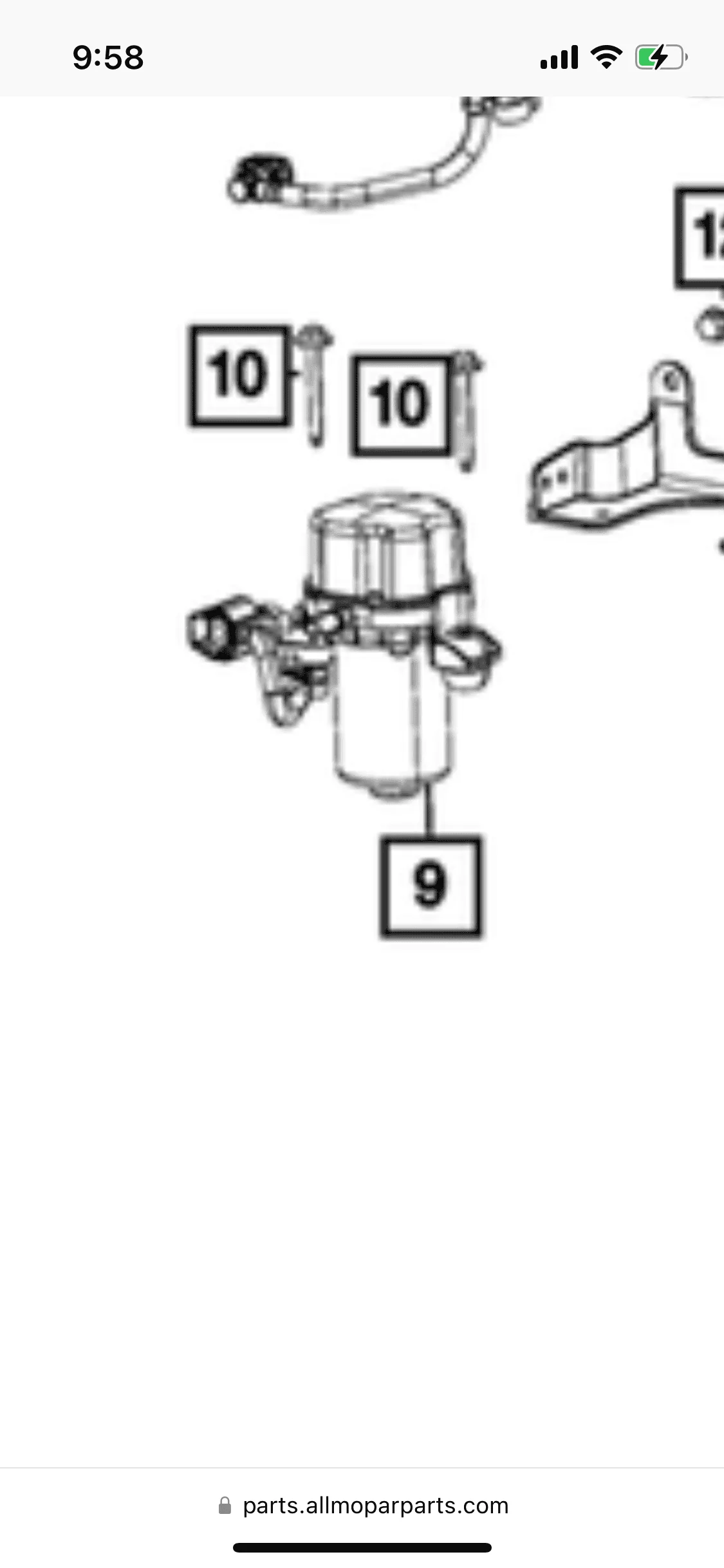
Distributor cap.
chorky
Well-Known Member
- First Name
- Chad
- Joined
- Feb 26, 2022
- Threads
- 175
- Messages
- 3,466
- Reaction score
- 3,801
- Location
- Montana
- Website
- www.youtube.com
- Vehicle(s)
- '22JTR, '06 LJ, '06 TJ GE
- Build Thread
- Link
- Occupation
- GIS Specialist
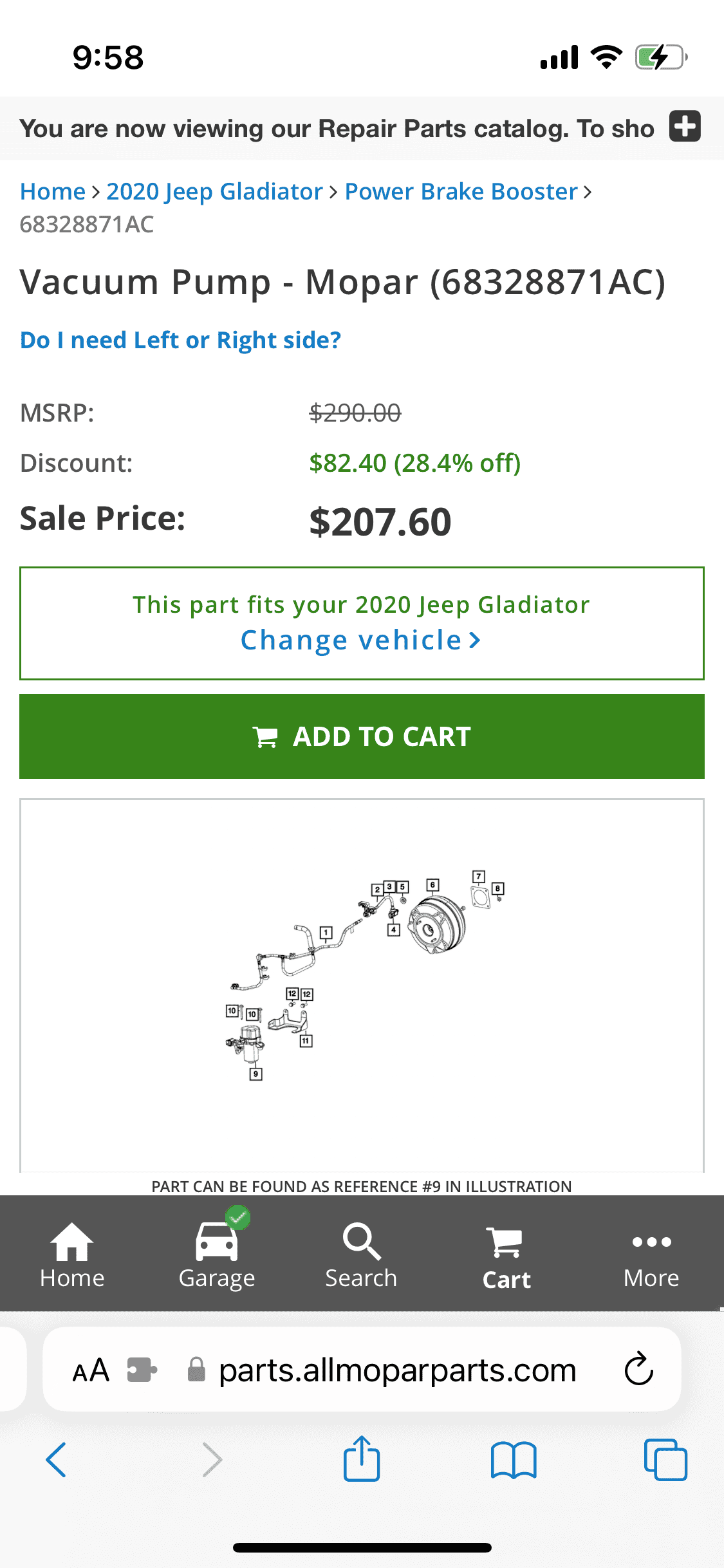
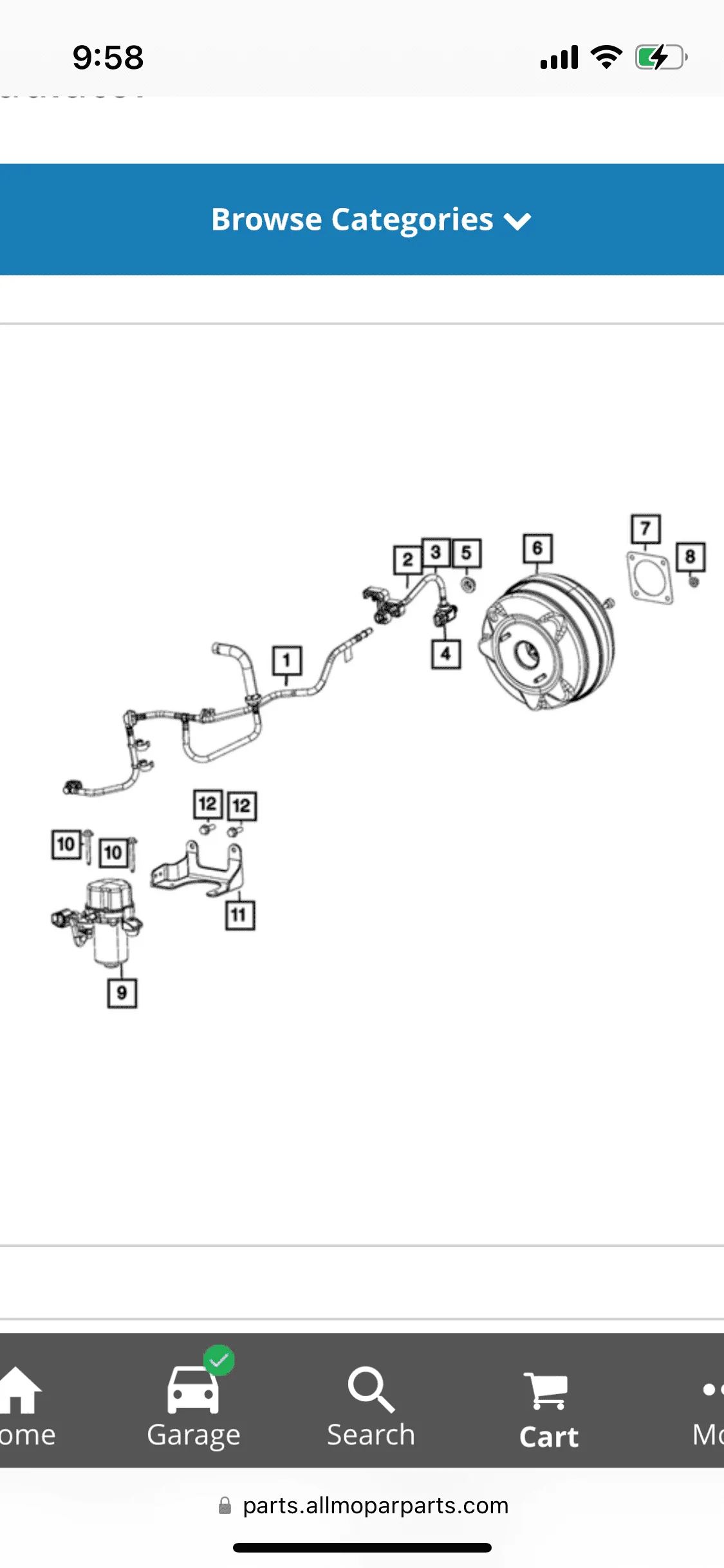
hmm. seems a poor location for a vacuum pump - I wonder if water can back feed into it if submerged and not on pumping are out of the vacuum booster. Also kinda interesting how they don't use engine vacuum anymore?? Since when? I must be getting old......i MAY have solves it.

seven30
Well-Known Member
- First Name
- Tom
- Joined
- Apr 12, 2021
- Threads
- 11
- Messages
- 681
- Reaction score
- 554
- Location
- central texas/ south colorado
- Vehicle(s)
- 2021 JTM 6spd, 2001 Cherokee, 1992 Comanche
- Occupation
- Programer
- Thread starter
- #19
It's got a tee and check valve to the intake like the old days. I think the pump is to ensure vacuum is maintained during the stop part of the start/stop although I try to remember to disable it.hmm. seems a poor location for a vacuum pump - I wonder if water can back feed into it if submerged and not on pumping are out of the vacuum booster. Also kinda interesting how they don't use engine vacuum anymore?? Since when? I must be getting old......
I wonder what other doodads these have. There is an electic power steering pump somewhere.

ShadowsPapa
Well-Known Member
- First Name
- Bill
- Joined
- Oct 12, 2019
- Threads
- 247
- Messages
- 40,442
- Reaction score
- 53,859
- Location
- Runnells, Iowa
- Vehicle(s)
- '25 JTMX, '23 JLU 4xe, '82 SX4, '73 Javelin
- Occupation
- Retired auto mechanic, frmr gov't ntwrk security admin
- Vehicle Showcase
- 3
Vacuum pumps have been used for years....... you need brake boost in case of engine failure, in ESS events, or when the engine is under load and in low-lift valve mode. Engines aren't the vacuum pumps they used to be. Even guys who have rad cams in their cars (more rad than the one I run in my 73) use vacuum pumps for brakes or even to evacuate the crankcase since PCV systems don't work on such engines.hmm. seems a poor location for a vacuum pump - I wonder if water can back feed into it if submerged and not on pumping are out of the vacuum booster. Also kinda interesting how they don't use engine vacuum anymore?? Since when? I must be getting old......
It's interesting that no one has really wondered how the power brakes work on these under so many conditions.
Sponsored
chorky
Well-Known Member
- First Name
- Chad
- Joined
- Feb 26, 2022
- Threads
- 175
- Messages
- 3,466
- Reaction score
- 3,801
- Location
- Montana
- Website
- www.youtube.com
- Vehicle(s)
- '22JTR, '06 LJ, '06 TJ GE
- Build Thread
- Link
- Occupation
- GIS Specialist
I wonder... But just haven't had time to dig into it with other priorities.Vacuum pumps have been used for years....... you need brake boost in case of engine failure, in ESS events, or when the engine is under load and in low-lift valve mode. Engines aren't the vacuum pumps they used to be. Even guys who have rad cams in their cars (more rad than the one I run in my 73) use vacuum pumps for brakes or even to evacuate the crankcase since PCV systems don't work on such engines.
It's interesting that no one has really wondered how the power brakes work on these under so many conditions.
Ok so but when did vacuum pumps become mainstream via OEM for gasoline vehicles? Sure diesel has had them a long time and I can see how performance engines would. And I quit being a master tech for Ford in '05 which...man that was almost 20 years ago I guess. But back then everything was still vacuum from the engine. At least Ford Lincoln and Mercury were.
booneja
Well-Known Member
- Joined
- Jul 6, 2020
- Threads
- 19
- Messages
- 545
- Reaction score
- 518
- Location
- VI, canada
- Vehicle(s)
- 2020 Gladiator Sport (hers) and Overland (His)
- Occupation
- RCAF Veteran/ Engineer
- Vehicle Showcase
- 1
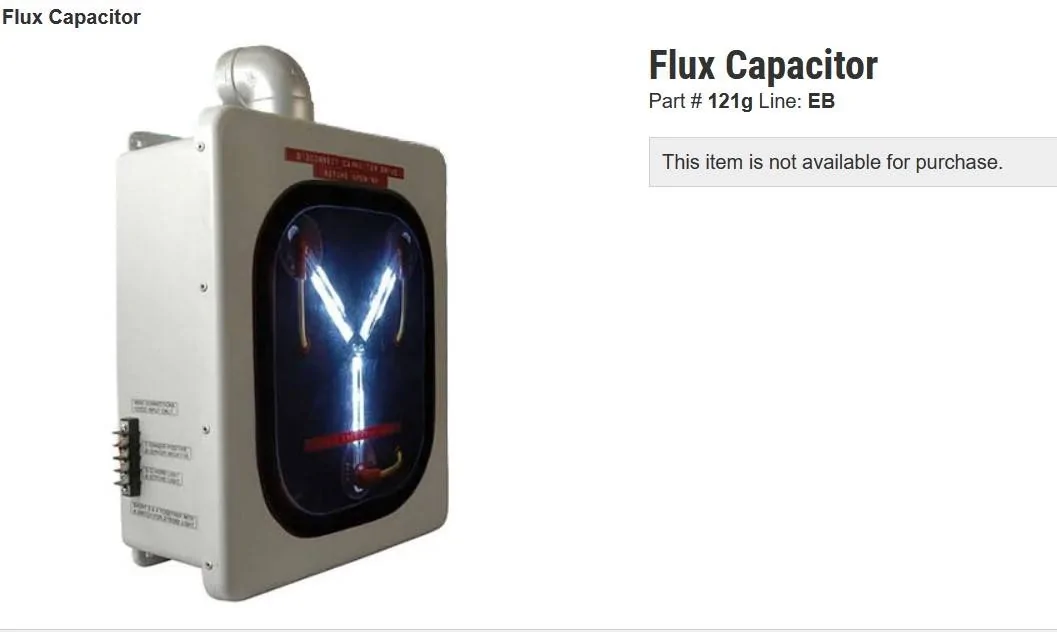
no that is the regulator for the flux capacitor, this is the flux capacitor....they can't seem to keep them in stock....Flux capacitor
toddarama
Well-Known Member
- First Name
- Todd
- Joined
- Dec 14, 2022
- Threads
- 9
- Messages
- 345
- Reaction score
- 738
- Location
- Chapel Hill, NC
- Vehicle(s)
- 2022 Gladiator Rubicon Gobi
- Build Thread
- Link
- Occupation
- I do IT stuff so I can buy Jeep stuff.
Isn't that the blinker fluid reservoir? ... it's a little hard to get to, but it's critical to keep that topped off.
Gvsukids
Well-Known Member
- First Name
- Justin
- Joined
- Mar 7, 2020
- Threads
- 26
- Messages
- 7,263
- Reaction score
- 6,899
- Location
- Grand Rapids
- Website
- www.youtube.com
- Vehicle(s)
- 2020 Gladiator Sport S Max Tow
- Occupation
- Delivery Driver
Isn't that what tears are for?Isn't that the blinker fluid reservoir?
Wolf Island Diver
Well-Known Member
I don’t know, but I took mine off and she runs goooood now, bro. ?
Sponsored
seven30
Well-Known Member
- First Name
- Tom
- Joined
- Apr 12, 2021
- Threads
- 11
- Messages
- 681
- Reaction score
- 554
- Location
- central texas/ south colorado
- Vehicle(s)
- 2021 JTM 6spd, 2001 Cherokee, 1992 Comanche
- Occupation
- Programer
- Thread starter
- #26
I was thinking it was electro-hydraulic until I noticed the vacuum diaphram. I had an 80s Alfa that was electro-hydraulic. No vacuum. I think some Buicks had the same setup.Vacuum pumps have been used for years....... you need brake boost in case of engine failure, in ESS events, or when the engine is under load and in low-lift valve mode. Engines aren't the vacuum pumps they used to be. Even guys who have rad cams in their cars (more rad than the one I run in my 73) use vacuum pumps for brakes or even to evacuate the crankcase since PCV systems don't work on such engines.
It's interesting that no one has really wondered how the power brakes work on these under so many conditions.
ecidiego
Well-Known Member
A thing that stupidly interferes with the belt tensioner strong-arm hole so you have to remove it to mess with the belt to change the alternator.
ShadowsPapa
Well-Known Member
- First Name
- Bill
- Joined
- Oct 12, 2019
- Threads
- 247
- Messages
- 40,442
- Reaction score
- 53,859
- Location
- Runnells, Iowa
- Vehicle(s)
- '25 JTMX, '23 JLU 4xe, '82 SX4, '73 Javelin
- Occupation
- Retired auto mechanic, frmr gov't ntwrk security admin
- Vehicle Showcase
- 3
Like Chevrolet used - the pump handled PS and PB hydraulicly.I was thinking it was electro-hydraulic until I noticed the vacuum diaphram. I had an 80s Alfa that was electro-hydraulic. No vacuum. I think some Buicks had the same setup.
"Hydro-boost", not vacuum.
seven30
Well-Known Member
- First Name
- Tom
- Joined
- Apr 12, 2021
- Threads
- 11
- Messages
- 681
- Reaction score
- 554
- Location
- central texas/ south colorado
- Vehicle(s)
- 2021 JTM 6spd, 2001 Cherokee, 1992 Comanche
- Occupation
- Programer
- Thread starter
- #29
Was that pump engine driving or electric? The 2003 Ram diesel has a pump driven PS/PB system.Like Chevrolet used - the pump handled PS and PB hydraulicly.
"Hydro-boost", not vacuum.
No start/stop on that tank.
RVcruzer
Well-Known Member
- First Name
- Mark
- Joined
- Nov 6, 2019
- Threads
- 1
- Messages
- 45
- Reaction score
- 55
- Location
- Sheboygan, WI
- Vehicle(s)
- 2020 Gladiator Rubicon, 2012 Wrangle Unlimited Rubicon
As Shadows Papa described, it is the vacuum pump for the brake booster. Engines don't make as much vacuum as they used to - especially once carburetors with throttle bodies went away. Under certain conditions the vacuum isn't sufficient for a sustained brake pedal response so the electric vacuum pump keeps the vacuum strong in the brake booster..
I tow our Jeeps behind a diesel pusher motorhome and have an M&G pneumatic braking system that applies the Jeep's brakes proportionate to the coach's air brakes. I had to cut into the harness for that pump so that it would operate whenever the Jeep was plugged into the hot wire on the coach's trailer lights harness otherwise the pneumatic actuator wouldn't have the power to depress the Jeep's brake pedal without vacuum. That's common to most Mopar products. Ford and GM require an add-on vacuum pump for flat-towing behind a motorhome.
I tow our Jeeps behind a diesel pusher motorhome and have an M&G pneumatic braking system that applies the Jeep's brakes proportionate to the coach's air brakes. I had to cut into the harness for that pump so that it would operate whenever the Jeep was plugged into the hot wire on the coach's trailer lights harness otherwise the pneumatic actuator wouldn't have the power to depress the Jeep's brake pedal without vacuum. That's common to most Mopar products. Ford and GM require an add-on vacuum pump for flat-towing behind a motorhome.
Sponsored


