In3briatedPanda
Well-Known Member
wasn't this issue fixed by 2021?
if it was, my 2021 needed it. Clicking noise at parking lot speeds is what I headr and took it in for. TSB for cotter pins i was told. IDK if its the same or not.
Sponsored

wasn't this issue fixed by 2021?

If you put a big enough wrench on the nut and give it some crazy force, you can manually sheer it. It ain't easy, though.Challange Accepted! :-D
I was like a day late in getting pictures of my truck on the line, dang dang dang. I got a report that told exactly where that truck was along the way - location, time of going from here to there and back again, down to the fractions of seconds. My wife was so disappointed when I told her of the detail I got - but wasn't able to get pics of this exact truck on the assembly line.that would be something pretty cool for owners to get access to. That way they could rest assured in some aspects. Although I bet they dont provide that publicly as it would cause a lot of worry or concerns when folks saw quality flags on their vehicles. But I wish I had something to that effect to know what, if anything, needs to be looked at closely. Like the bed misalignment lol
Yeah, I do the same. You can tell at a glance if something has moved. Even a silver sharpie is good for a lot of miles, but I've also got paint pens to do the truck.Almost better than loctite, I put a dab of tamper paint on critical bolts and nuts when I do work. Makes for a quick visual verification if anything has loosened up.
I caught mine early but after 11k miles my driver side ball joint was shot! I kept chasing steering/Death Wobble and the ball joints past the normal test but decided to change them out and boy was I right there was so much play in them it was insane. Still can't believe they used plastic cups. I installed a set of Tera Flex HD Ball joints and it's been amazing so far.Been reading Bout noises and the cotter pin tsb. Had some noise on the passenger side I've been trying to trace down.
So decided to see if my lower not was ok. Cotter pin was fine and after 27k miles the nut hadn't ever been removed.
As soon as the cotter pin was out the nut literal spun in my hand. Absolutely no torque on it at all. Torqued to specs after putting blue lock tight and checked everything else on Noth sides.
Driver side lower nut needed torqued up but it wasn't lose like the passenger side.
Have to wonder if jeep found out that there was a missing torque check during assembly on the passenger side by they're calling it a cotter pin issue.
No more noise or clanking on the test drive.

I had a 1976 Plymouth Trail Duster that would shear the cotter pin all the time. I ended up replacing the knuckle, bearings and the spindle to stop it from shearing the cotter pin. I never figured out what the problem was, but replacing just the knuckle or spindle alone would not fix it. I was young back then and didn't quite have the wrenching thing going on. But I do know that when it failed the spindle nut would cut threads right over the cotter pin.Agreed - the torque spec is for dry threads. LT adds a "lube" of sorts.
Once the nut is torqued and if the hole doesn't line up, moved tighter to the next hole line-up, then the pin put in place, it can't go anywhere. The Loctite doesn't do squat but add lube to the threads when tightening.
Yes.
Cotter pins don't sheer.

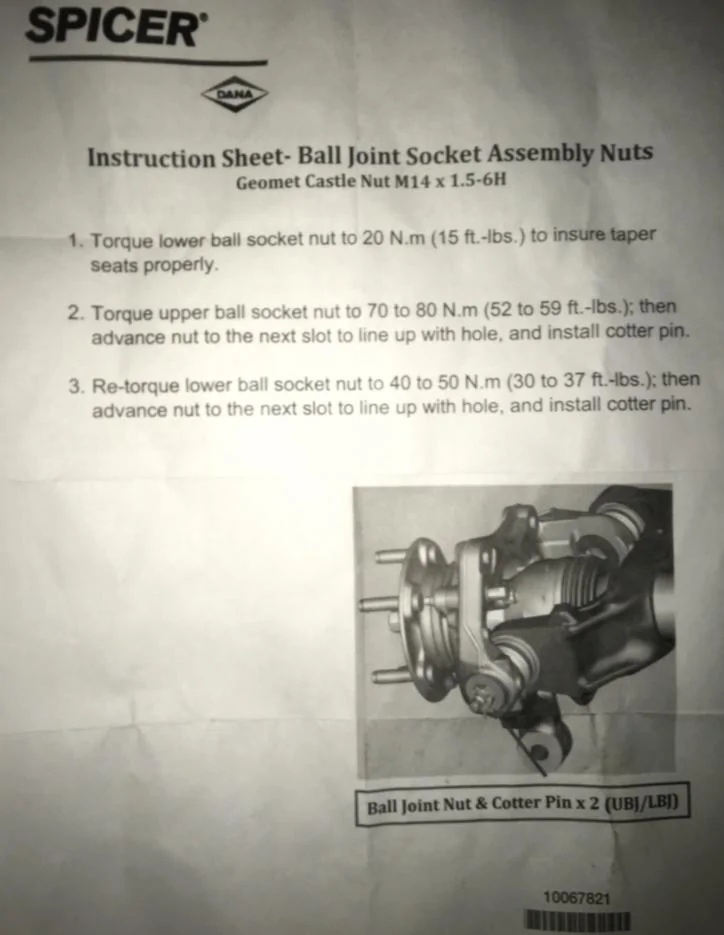
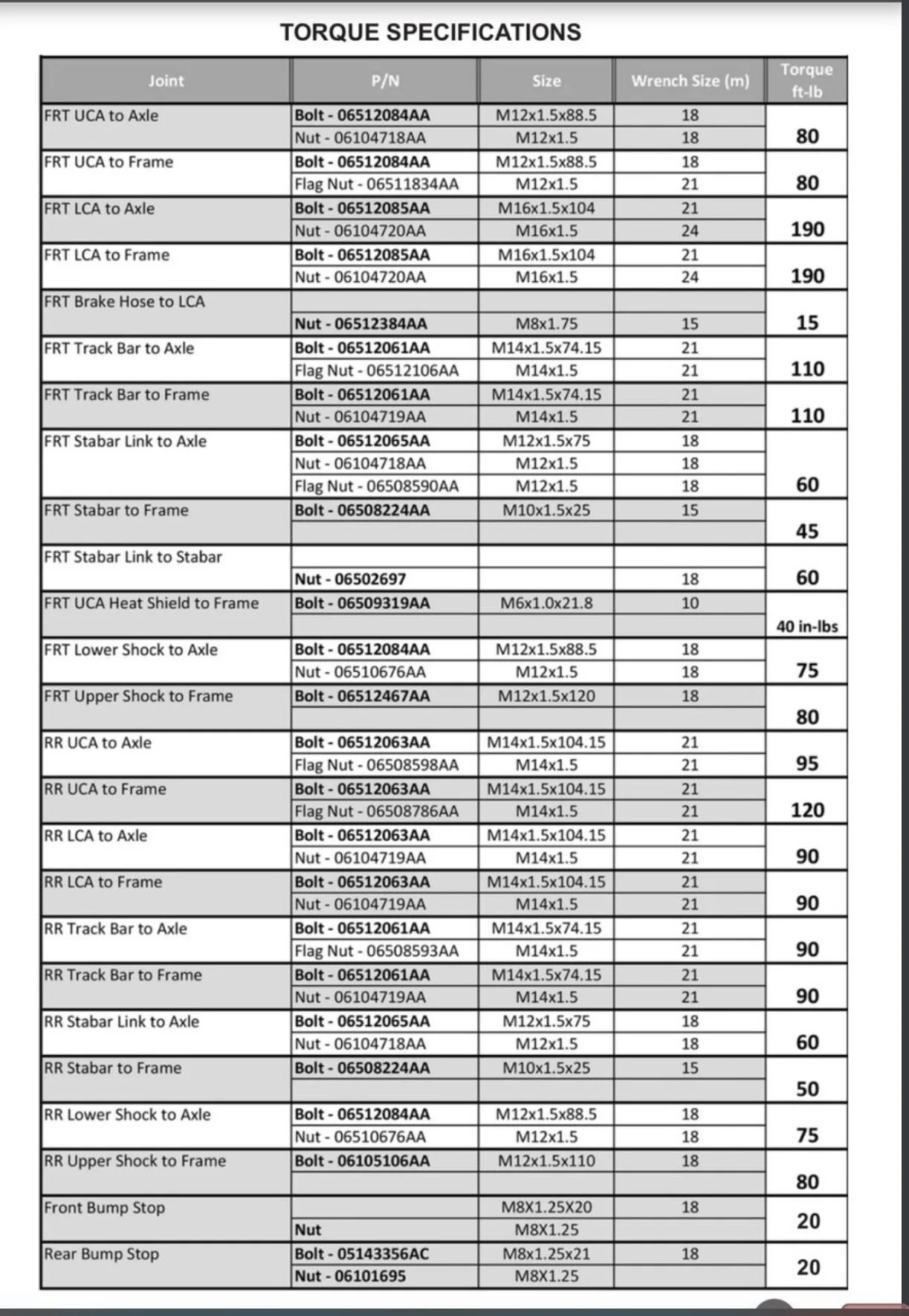
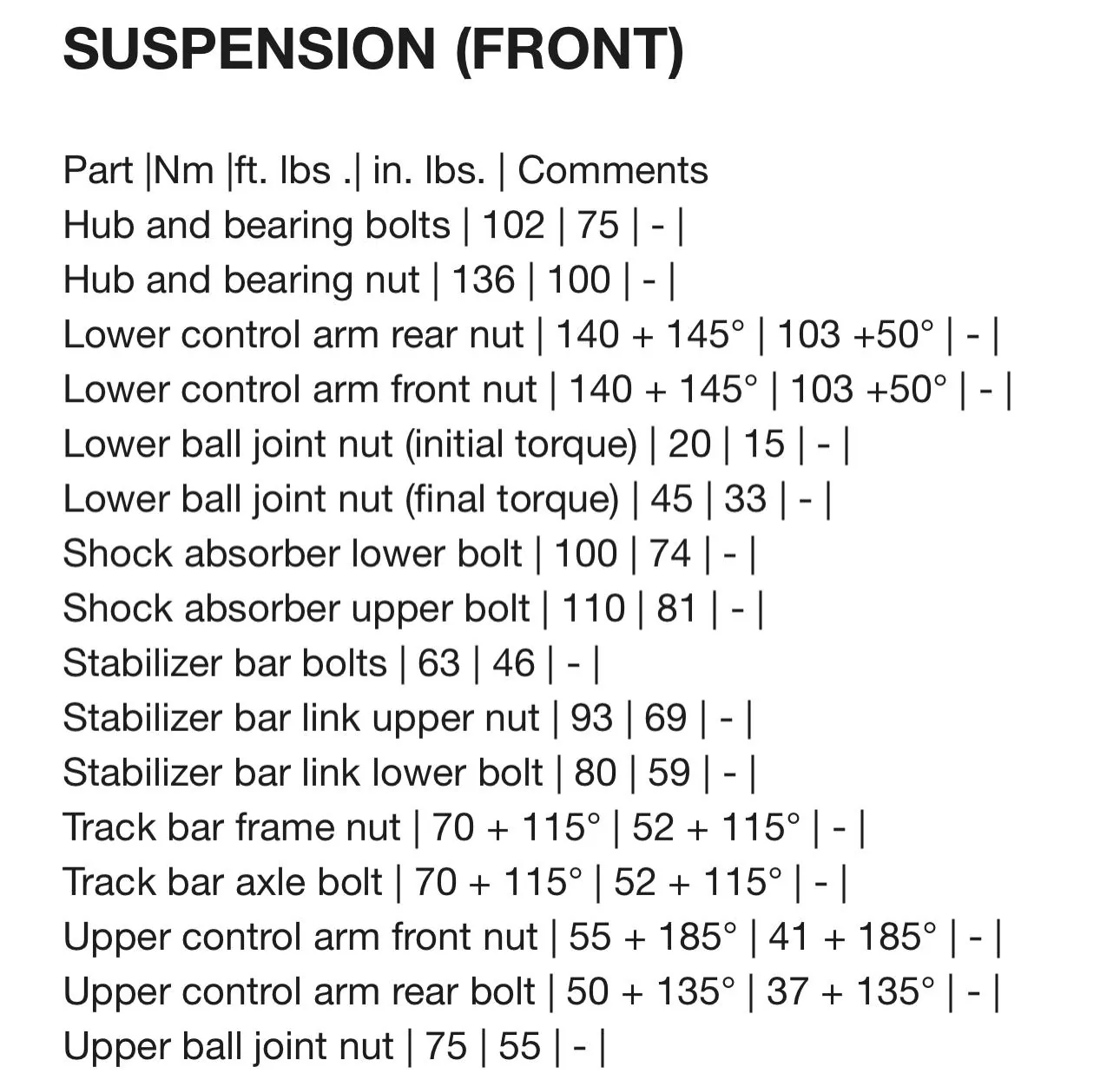
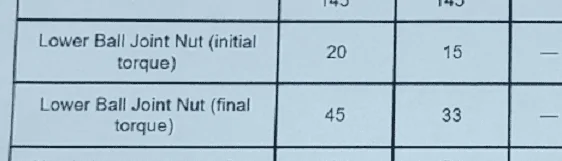
Lower to 15Looks like 35 ft-lb for the lower and 55 for the upper ball joints.
The washer that goes against the outer bearing cone has a tongue on it that fits into the spindle's keyway. This prevents the washer from spinning and acting against the nut with a spinning force. I have some ideas on the problem - but it's sort of a moot point now unless you still have the duster!I had a 1976 Plymouth Trail Duster that would shear the cotter pin all the time. I ended up replacing the knuckle, bearings and the spindle to stop it from shearing the cotter pin. I never figured out what the problem was, but replacing just the knuckle or spindle alone would not fix it. I was young back then and didn't quite have the wrenching thing going on. But I do know that when it failed the spindle nut would cut threads right over the cotter pin.
I can't see this ever happening to a ball joint. The point of loctite being used will work. No point using both and if it have provisions for a pin, use that.
True - but different specs for iron vs. aluminum knuckles.....Lower to 15
Upper to 55
Then go back to lower and torque to 35
Here's the guide i used when I did mine.


I've seen cotter keys sheared, roll pins sheared. Safety wire fail. Working with large equipment at the power plant. You will see all kinds of different failures.If you put a big enough wrench on the nut and give it some crazy force, you can manually sheer it. It ain't easy, though.
Some mighty big trucks have parts held with this same system.
I've seen guys spin props, or spin axle hubs and the nut and cotter pin are still in place.
If a person is thinking OMG! It's going to come apart! - put in a roll pin. Those are hardened steel. Then use stainless safety wire through the roll pin.
the one issue with castellated nuts and cotter pins is that some people tighten them to spec (if they bother), then see the hole in the tapered stud doesn't align with a slot in the nut and they stupidly back it off to align a slot.
Never do that (unless setting front wheel bearings on a rear wheel drive car). Always tighten to the next slot that lines up with the hole in the stud. Especially with tapered joints, backing it off is asking for trouble.
I was like a day late in getting pictures of my truck on the line, dang dang dang. I got a report that told exactly where that truck was along the way - location, time of going from here to there and back again, down to the fractions of seconds. My wife was so disappointed when I told her of the detail I got - but wasn't able to get pics of this exact truck on the assembly line.

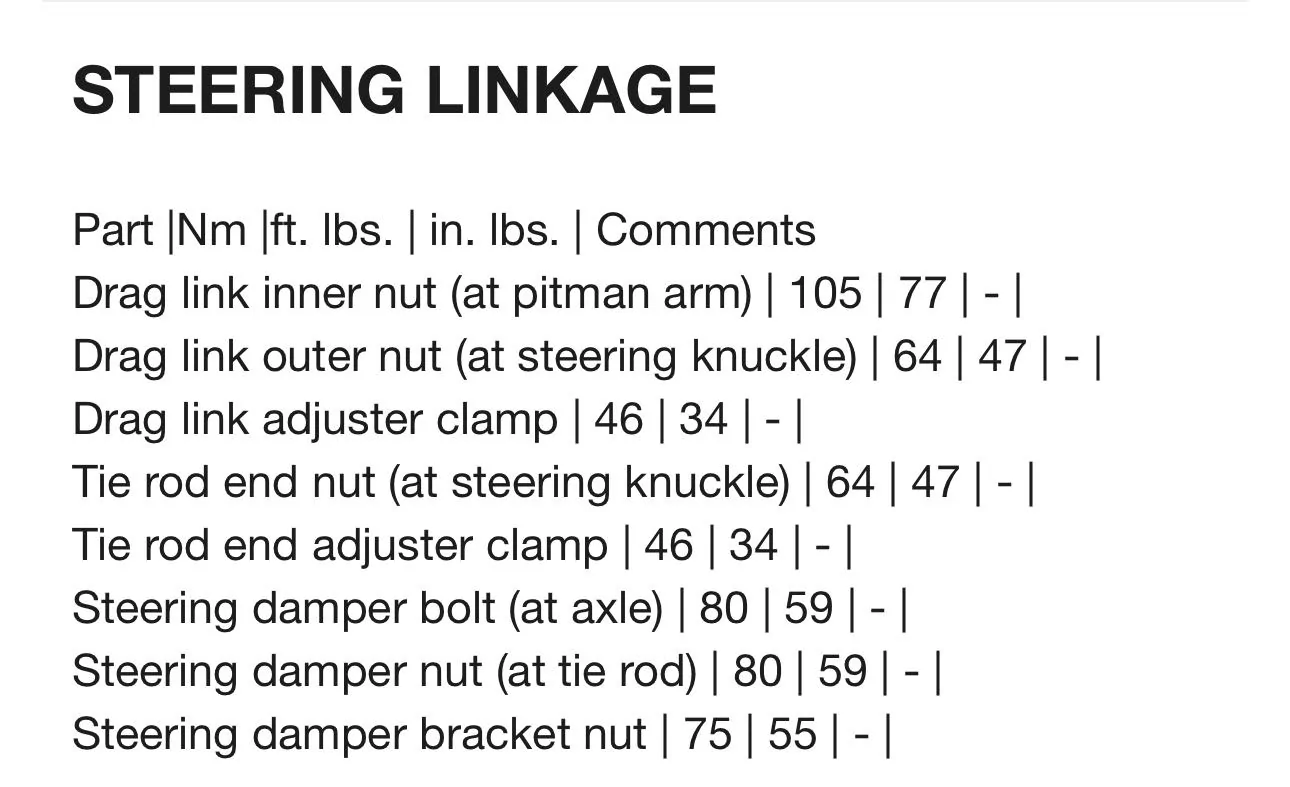
My goodness! I'd better go recheck mine, given the vast differences ?.True - but different specs for iron vs. aluminum knuckles.....
This is for the iron - straight from FCA -

And there are two different specs - if you have the induction hardened joints in the lower it's 50 for final, I believe.
So there are several specs - iron, or aluminum, or aluminum with hardened joints.
Different animals for sure. You are generally talking rotating equipment, I bet (rather than tapered joints)I've seen cotter keys sheared, roll pins sheared. Safety wire fail. Working with large equipment at the power plant. You will see all kinds of different failures.