
Sponsored

Finally geometry brackets data

ShadowsPapa

Well-Known Member
First Name
Bill
Joined
Oct 12, 2019
Threads
247
Messages
40,442
Reaction score
53,859
Location
Runnells, Iowa
Vehicle(s)
'25 JTMX, '23 JLU 4xe, '82 SX4, '73 Javelin
Occupation
Retired auto mechanic, frmr gov't ntwrk security admin
Vehicle Showcase
3
Well, kid, my mother died a painful long death of cancer years ago, and my parents never had a basement in that tiny house. I moved out in about 1978 before I was 20. Married and have kids who have literally changed the world.

I go to bed doing the opposite - I think back on a day wondering where I may have messed up or what I could do better, or contemplating what all I learned that day.
I base what I say on decades of experience and training and keep adding to that "library of information" every day of life.
Perfect is for one entity.

I do bash bad information, incorrect information, opinions stated as fact and internet lore passed along as if it's based in science and not just because it's been repeated a dozen times on the internet. It's my pet peeve - crap/bad info passed along as fact when it's coming from nothing, no basis in fact.

For me - I tend to double-check my work and sometimes even posts by referring back to my library of technical service manuals and so on if I have even a slight doubt of something. I don't like mistakes and am extremely hard on myself if I make 'em (and it happens, yeah it does)
There are a fair number of forum members here who I very strongly look up to. They blow me away in their ability to think things through and in their technical expertise. I recognize greatness and genuine ability vs. BS. (but sadly the BS often tends to rule or overcome the truth) I'm in awe of some of the things people here have done, their fabrication, the neatness and planning and the results. No, I'm not superior nor perfect.

No need to troll, been at automotive for over 50 years, including my own shops.
Sponsored

 
Last edited:
Bjeepz

Well-Known Member
First Name
B
Joined
Nov 21, 2019
Threads
10
Messages
1,009
Reaction score
1,061
Location
Canada
Vehicle(s)
2025 Willy's
I put the Geomatry cerraction buckets on my Jerp truck, went ouf road and hit a rock with the bracket, it caused a fuel leak and my Jerp got a fire under it then ma baby got Covid from the fire.

yee haw woooo
 

ShadowsPapa

Well-Known Member
First Name
Bill
Joined
Oct 12, 2019
Threads
247
Messages
40,442
Reaction score
53,859
Location
Runnells, Iowa
Vehicle(s)
'25 JTMX, '23 JLU 4xe, '82 SX4, '73 Javelin
Occupation
Retired auto mechanic, frmr gov't ntwrk security admin
Vehicle Showcase
3
I put the Geomatry cerraction buckets on my Jerp truck, went ouf road and hit a rock with the bracket, it caused a fuel leak and my Jerp got a fire under it then ma baby got Covid from the fire.

yee haw woooo
All that, but his battery is fine.
 

JTGuy

Well-Known Member
First Name
Pascual
Joined
Jul 23, 2023
Threads
57
Messages
1,744
Reaction score
1,672
Location
San Dimas CA
Vehicle(s)
20022 Jeep Gladiator
Occupation
Manager
Makes me wonder how you got to that much caster with those arms.
I'm not there and I'm only at about 1.5" lift with the MOPAR quarter inch LCAs
On the other hand, mine handles like a dream and is well-mannered on the highway and streets as it sits. Not complaining or wishing my JT had more caster, just interesting you gained that much. Assuming yours sat where many do in the 4.5 degree range from the factory, that's over 1.5 degrees gain, and after losing some due to a lift.
I am not sure how I got to 6.1Deg caster but before the lift it was 4.? and drove twitchy on the freeway. Installed the Mopar lift and had it checked with a laser alignment rack and it drove so much better. I was ready to get some adjustable lower arms but I don't need them. Drives great even with the 37s. The CAs in the lift kit really didn't look that much longer but long enough I guess.
 

Sponsored

KevinM60

Well-Known Member
First Name
Kevin
Joined
Jun 7, 2023
Threads
9
Messages
1,079
Reaction score
1,881
Location
Southern Cal
Vehicle(s)
2023 Gladiator Mojave
Occupation
CAD/CAM
So now the question of geometry correction arises.
if I wanted to research the subject would it be steering geometry or suspension geometry?
 

ShadowsPapa

Well-Known Member
First Name
Bill
Joined
Oct 12, 2019
Threads
247
Messages
40,442
Reaction score
53,859
Location
Runnells, Iowa
Vehicle(s)
'25 JTMX, '23 JLU 4xe, '82 SX4, '73 Javelin
Occupation
Retired auto mechanic, frmr gov't ntwrk security admin
Vehicle Showcase
3
So now the question of geometry correction arises.
if I wanted to research the subject would it be steering geometry or suspension geometry?
Mostly suspension - but can impact steering as well since the brackets do put caster back.
I hope my extremely crude drawings will help those who tend to "get it" with visuals or pictures.
I'm that sort - once I see it, I've got it. For me a picture can be worth a whole book of explanations.
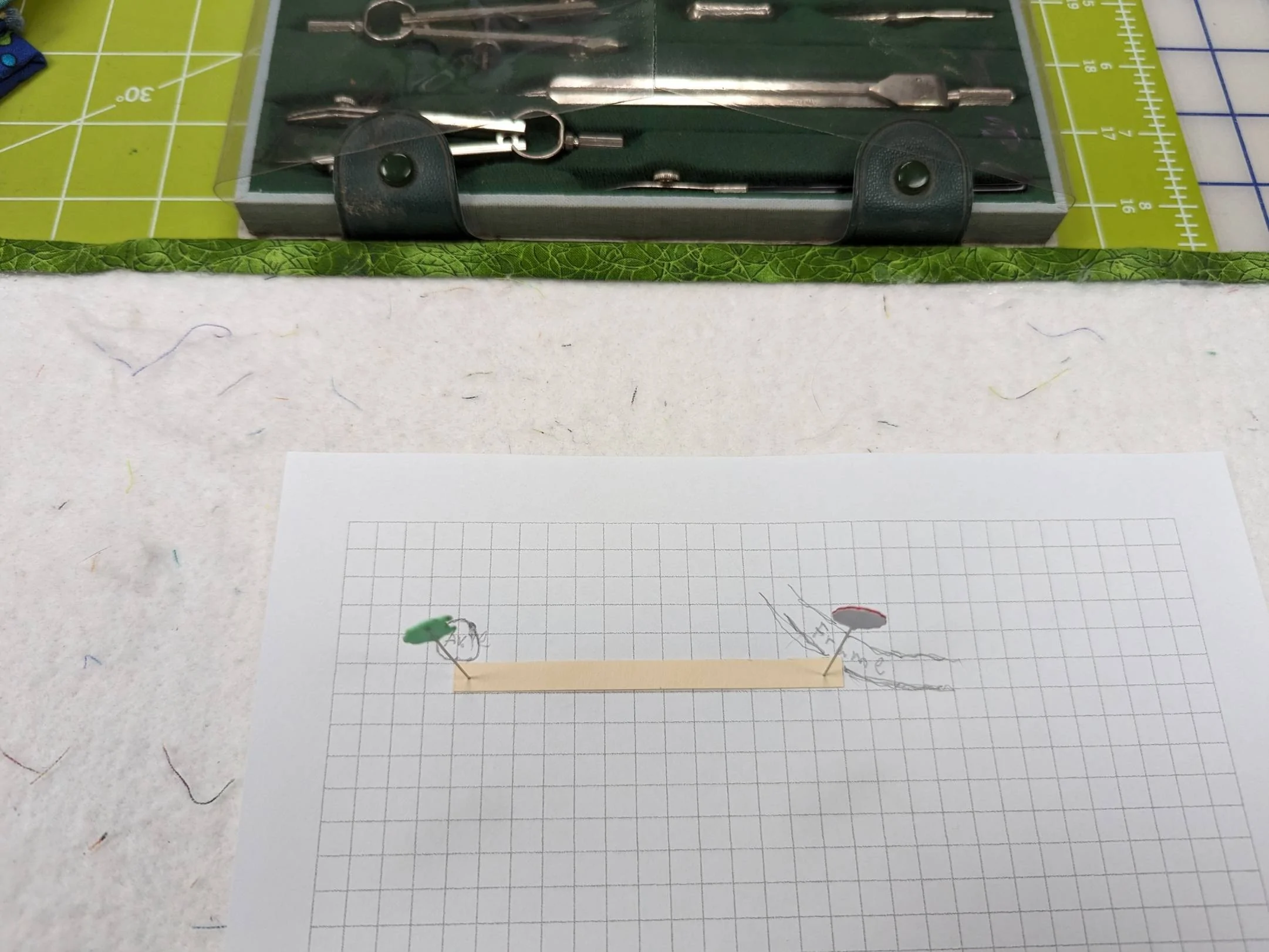
I "borrowed" my wife's quilting prototype board - don't tell her of the pin holes it has in it now.
I dug out some of my old drafting tools to make lines I could not draw out on my best day.
Sorry, today is one of those extreme dizzy migraine days and the tremors are horrible on days like this so lines are terribly squiggly and rough.

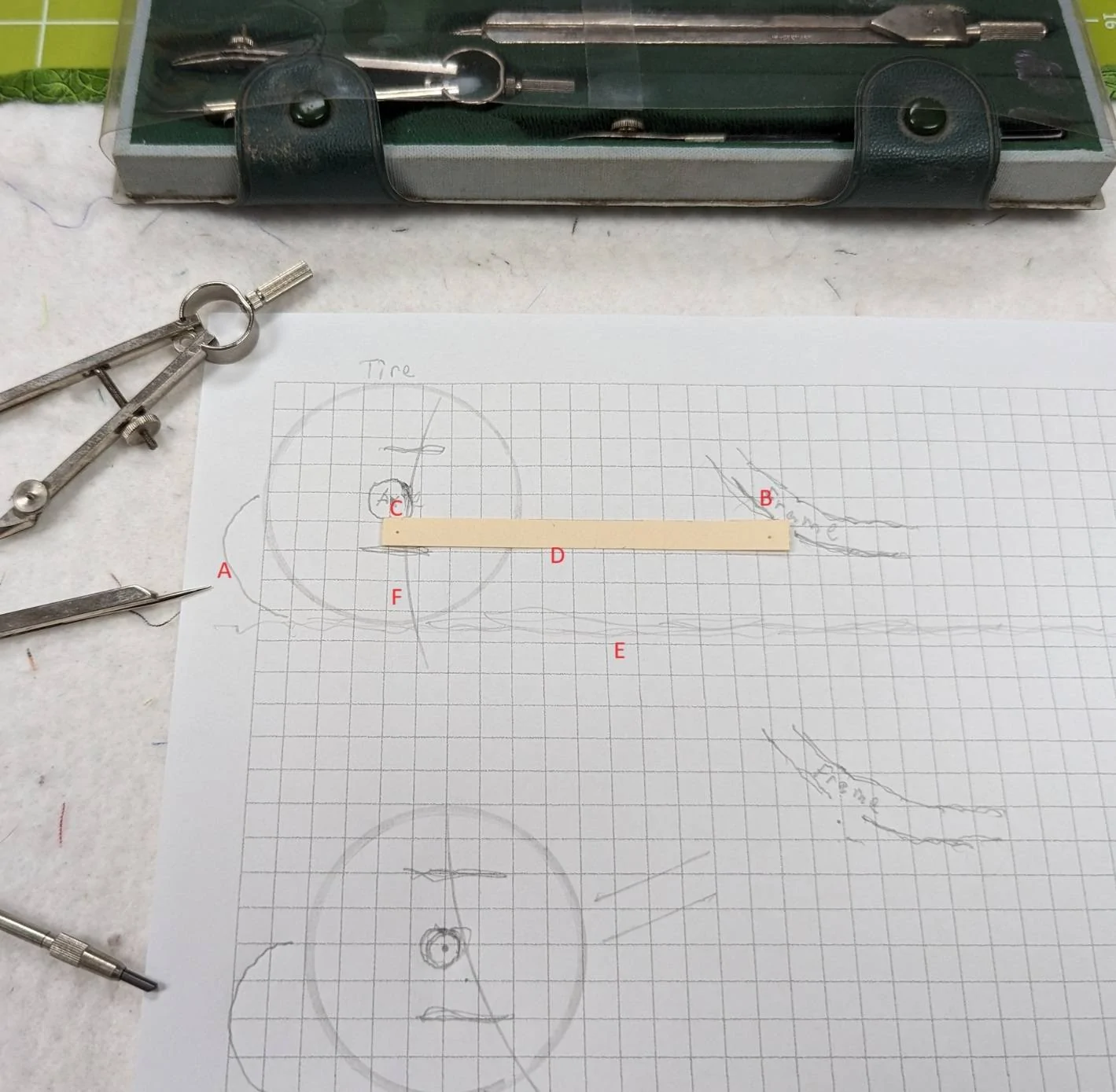
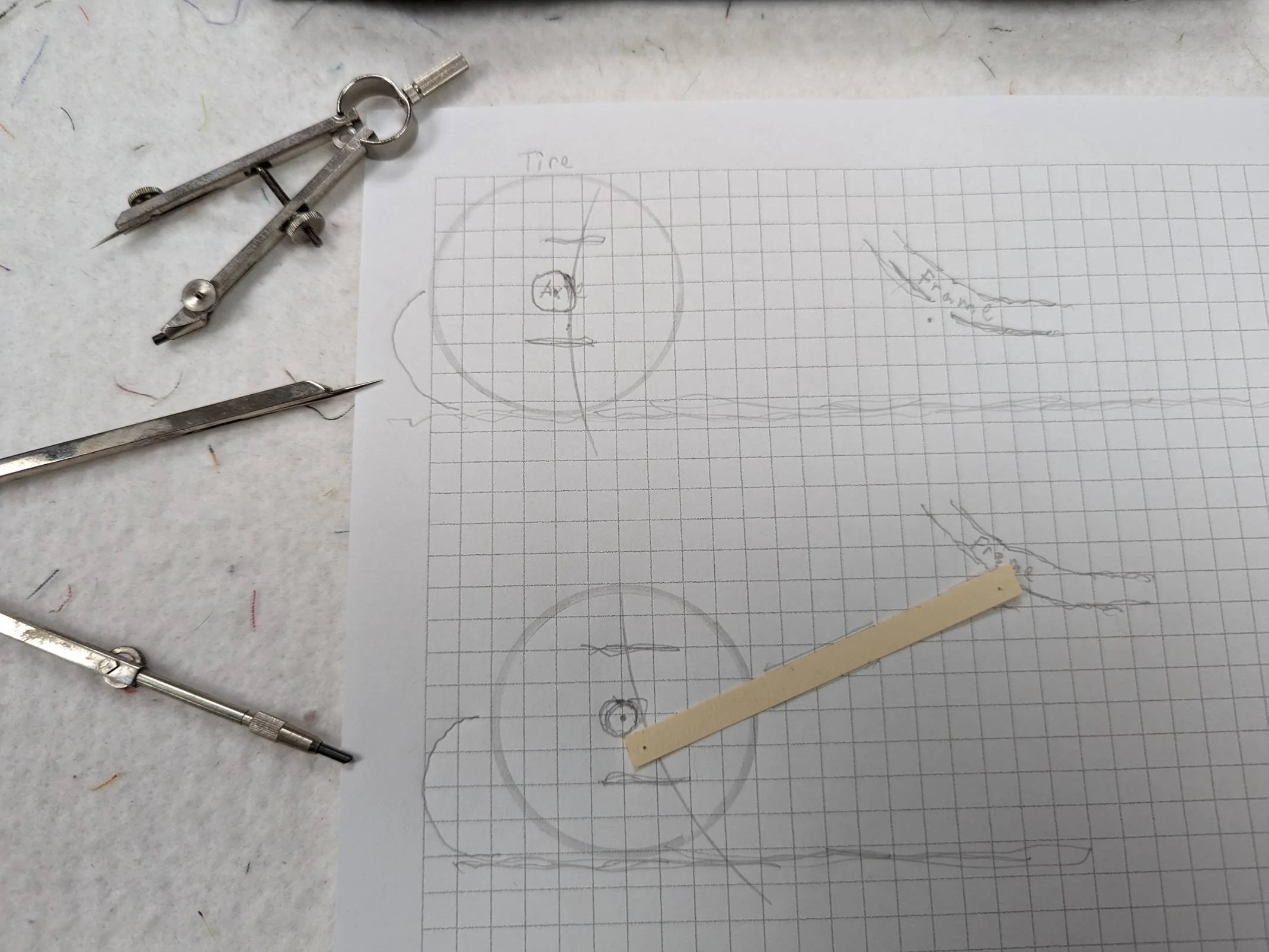
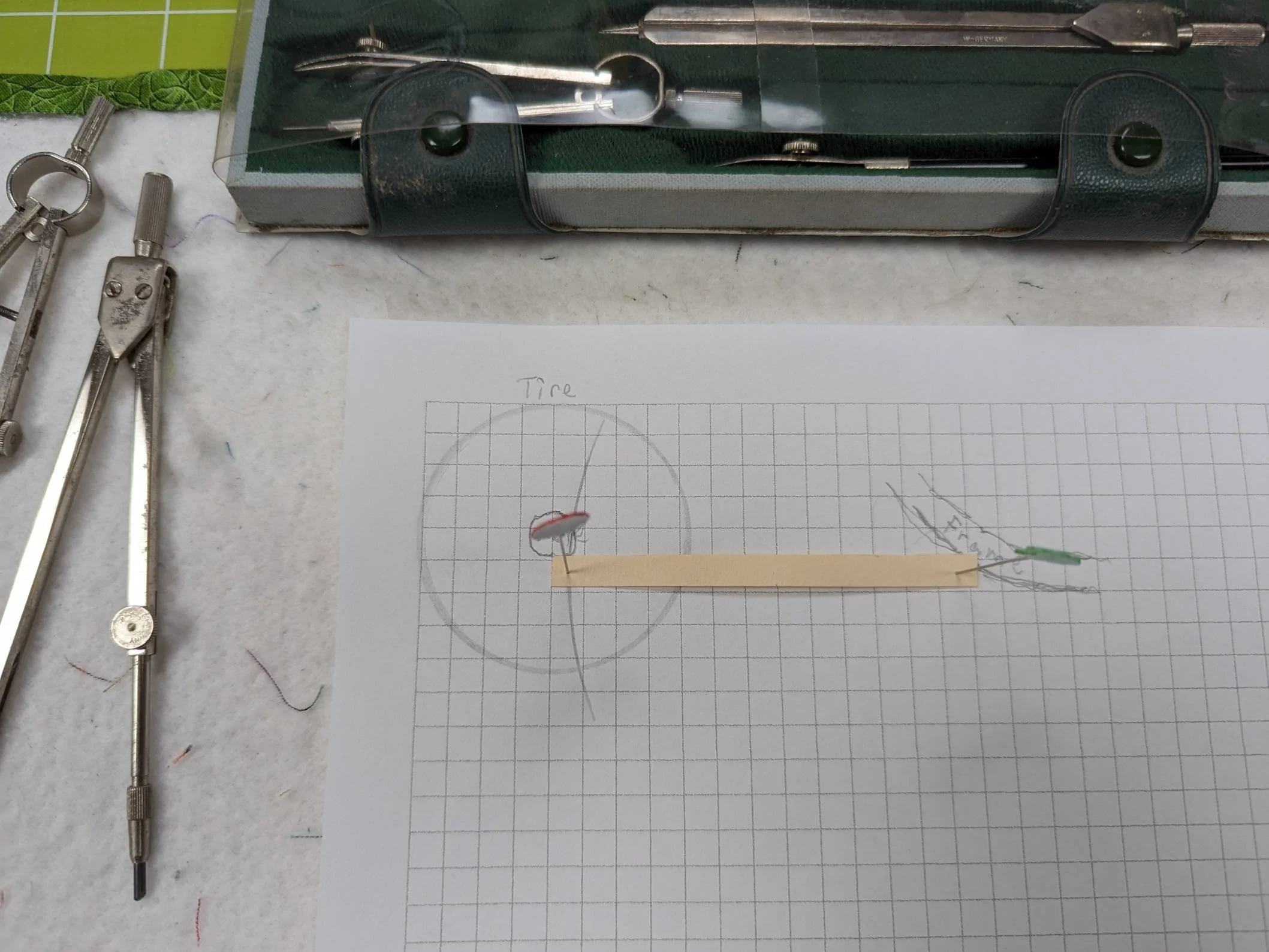
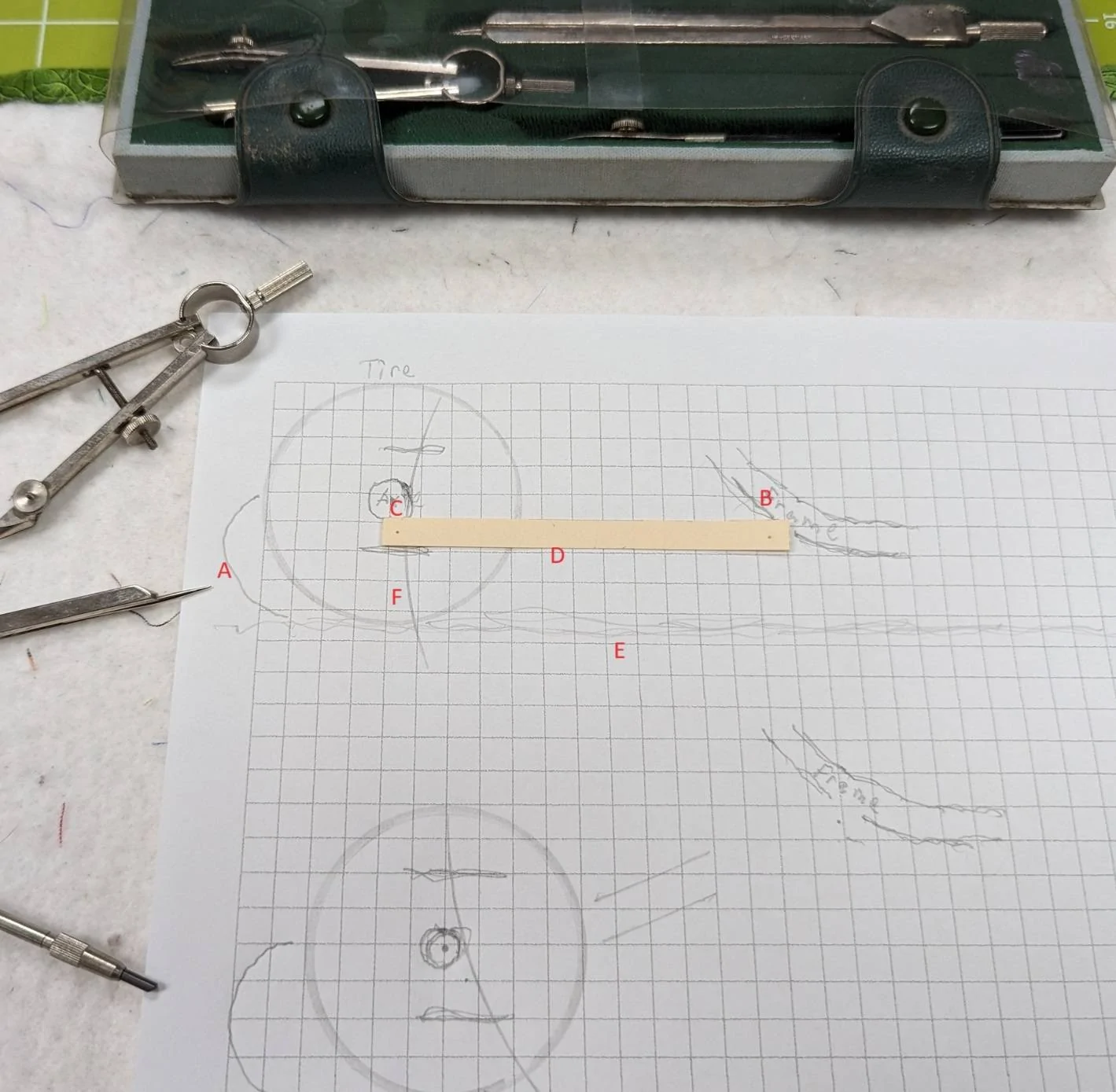
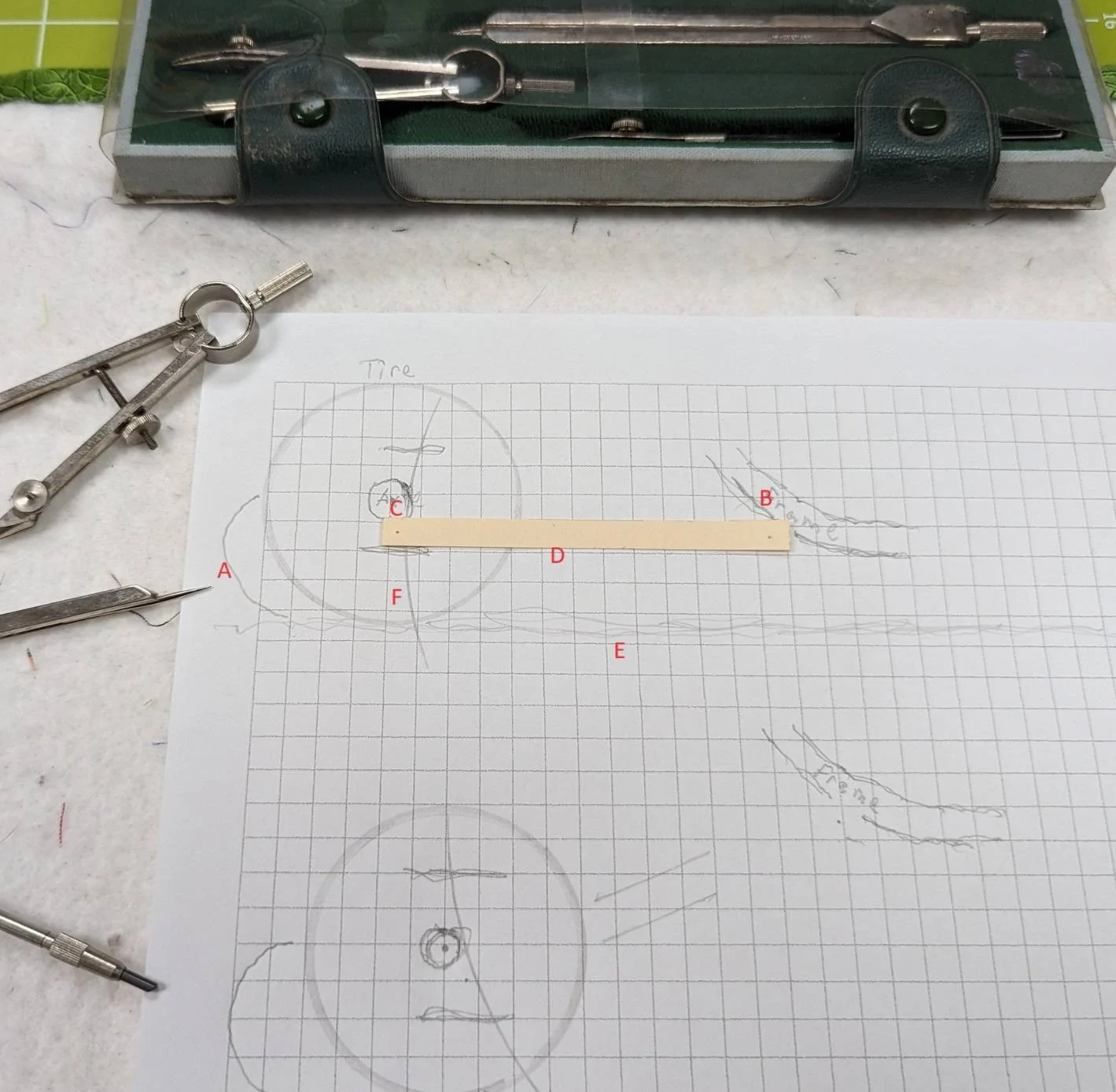
We'll start with my very rough rendition of a "Jeep" showing the lower control arm (D), frame (B), axle (C), tire, ground (E) and finally the arc the axle, and thus tire, swings as it goes up and down over holes and bumps (F)
A is stuff like rocks and bumps in the road, anything that pushes back against the tire rather than simply rolling smoothly under it. So - this can apply on the highway around Indianapolis or some off-roading, lumber trails and so on as well as a decent stretch of road.

As it comes factory - the control arms are parallel to the ground for the most part. (and ideally, parallel to each other - top picture. The snip of file folder is the control arm. The pin holes are where the bolts go through holding it to the frame and axle.

Note as the axle moves up and down (I have drawn short horizontal lines for that up and down movement) how little it swings forward or rearward. It's nearly straight up and down along the line F which is the arc in which the axle would travel, pivoting at the frame mounting point B.

Jeep Gladiator Finally geometry brackets data PXL_20231128_150112316


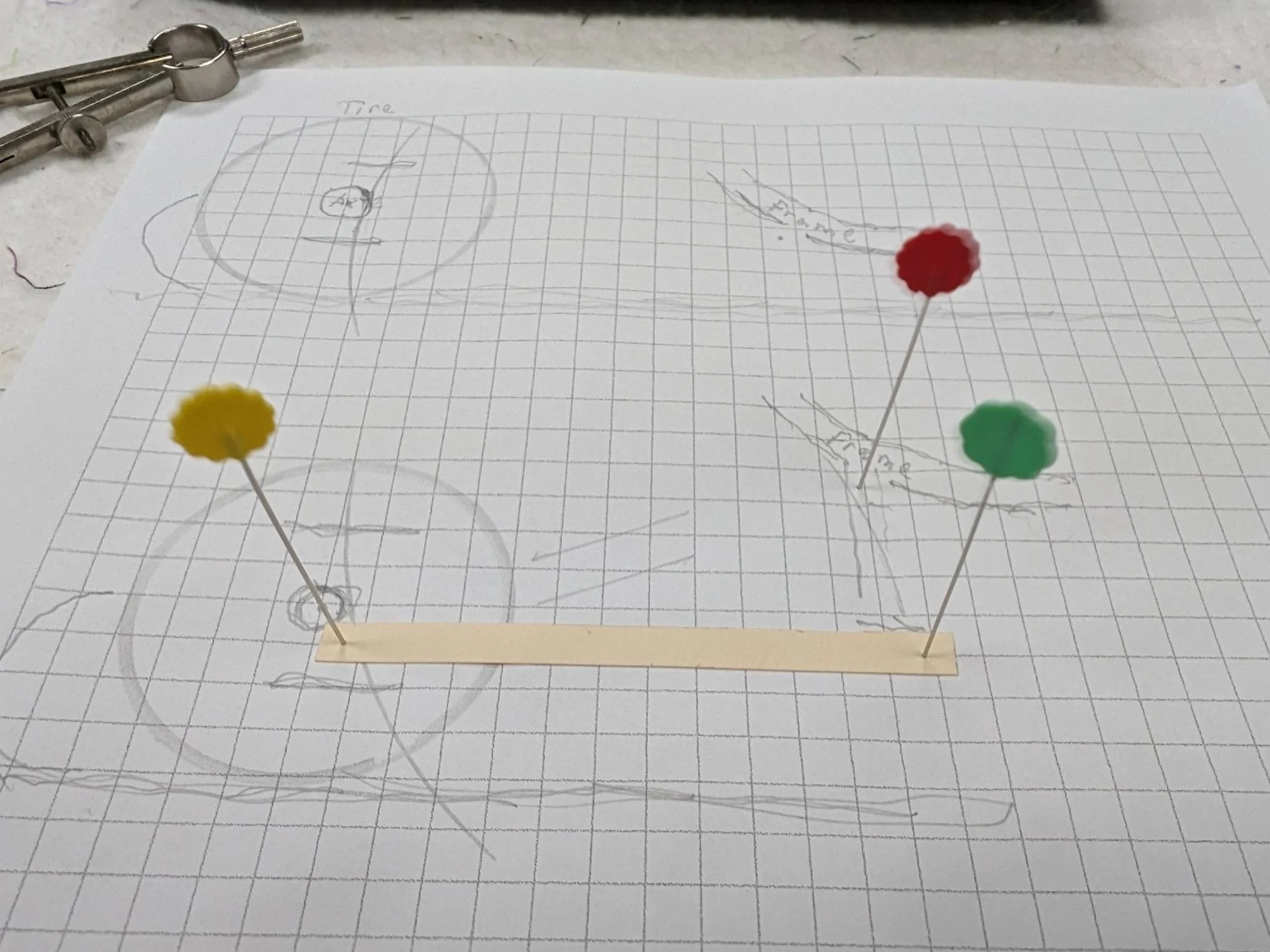
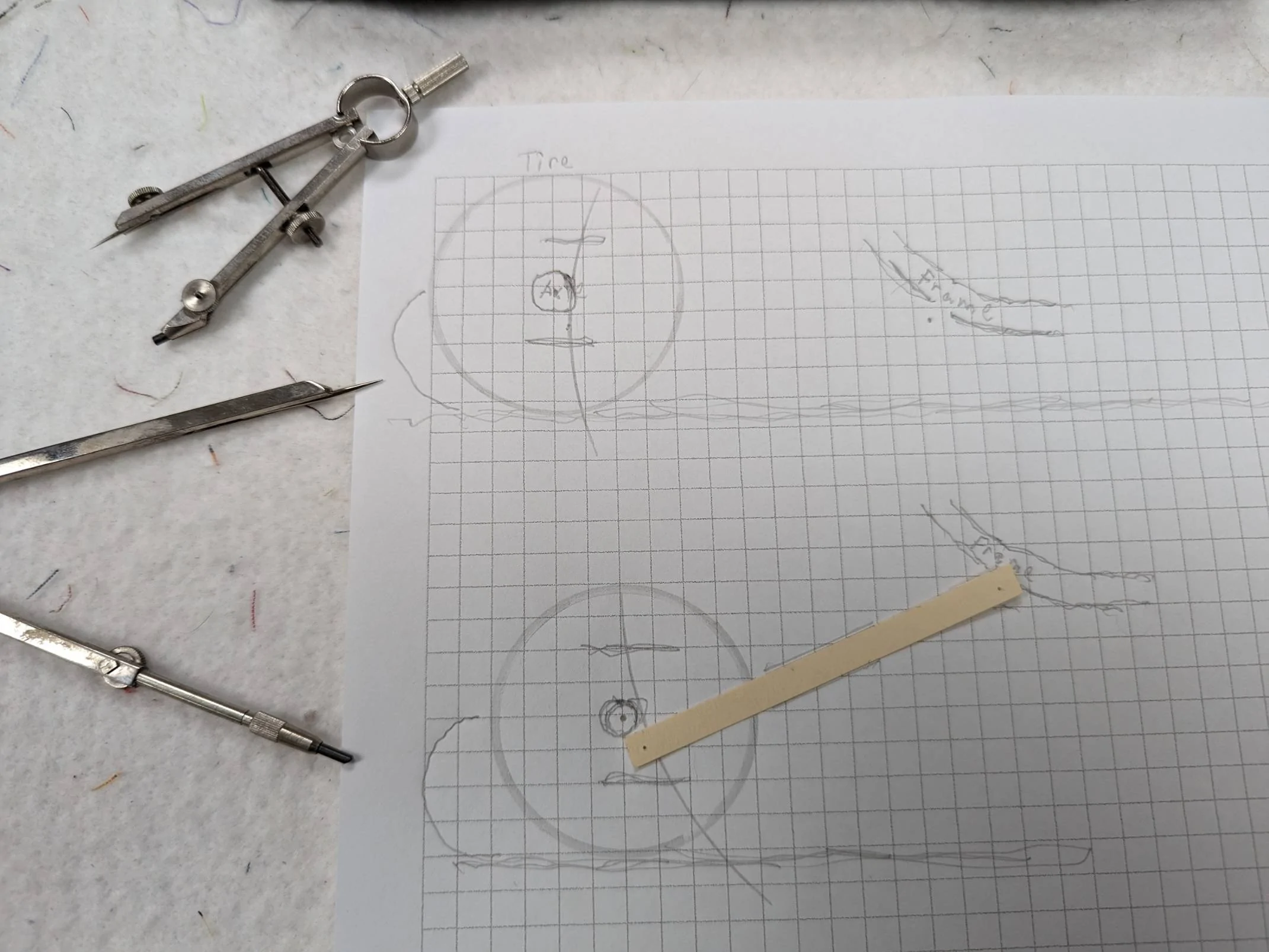
Now add a lift - the axle sits a lot lower below the frame, the swing in the arc of the control arm pulls the bottom of the axle back, removing caster (caster is the tilt forward or backward of the upper ball joint compared to the lower ball joint)


Jeep Gladiator Finally geometry brackets data PXL_20231128_145852552

Jeep Gladiator Finally geometry brackets data PXL_20231128_150102797


Note on the far left I have sort of crescent lines, I marked one as A above for reference.
Compare the top drawing to the bottom.
Forces acting against the tire in the top picture will tend to life the tire and go under - not a lot of force will be transmitted back to the frame as things tend to simply run under.
On the bottom picture, the same things will want to push back against the tire - less able to lift and simply go under it. Force will be transmitted to the frame. A large enough object will want to push the vehicle upward through the angle of the control arm. Harder on things, rougher ride, less controlled, less smooth - on and off the road.
Note the arc the axle swings in now - a lot more rearward and forward movement, less straight up and down as the axle moves up and down over the rough.


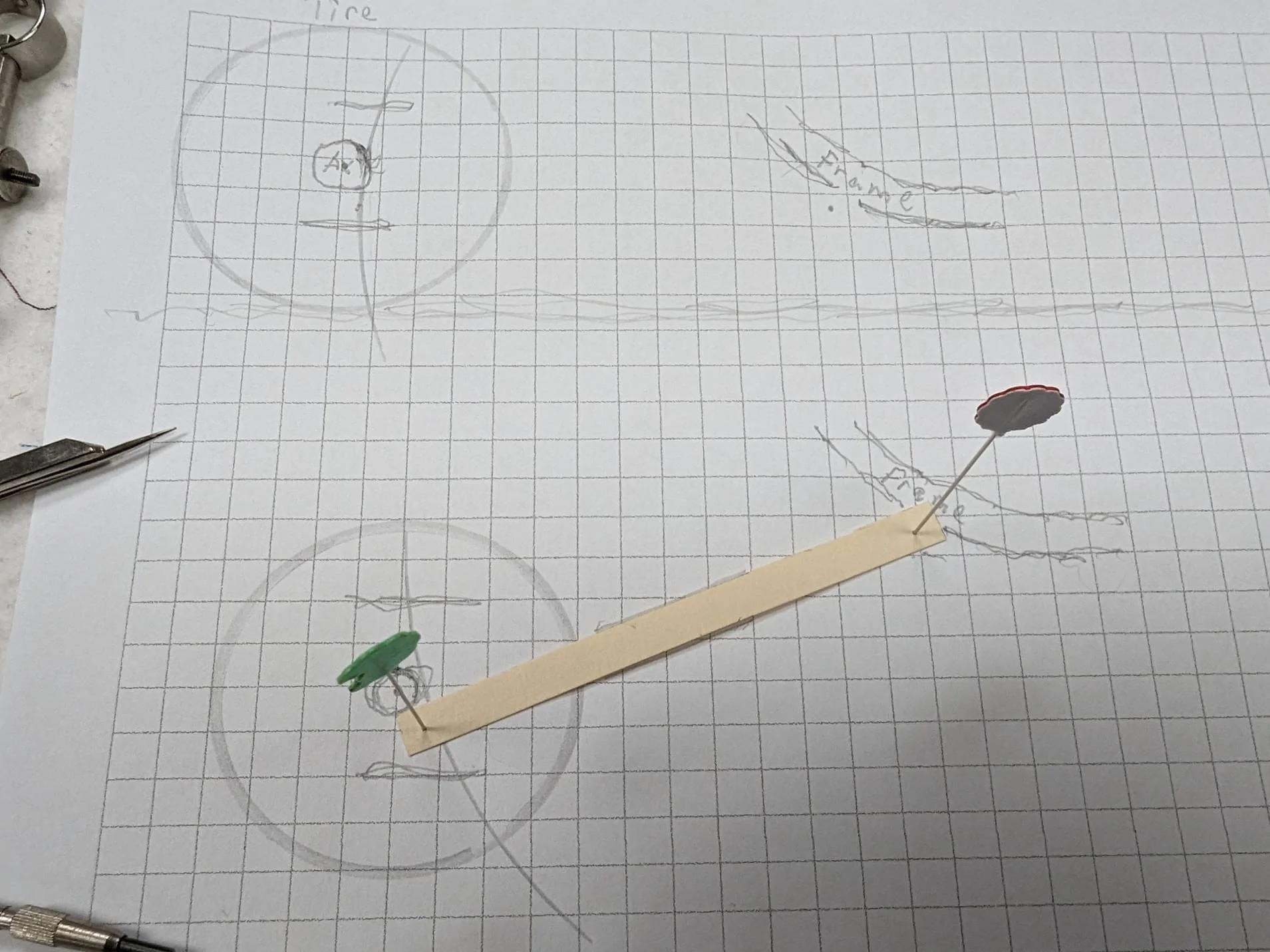
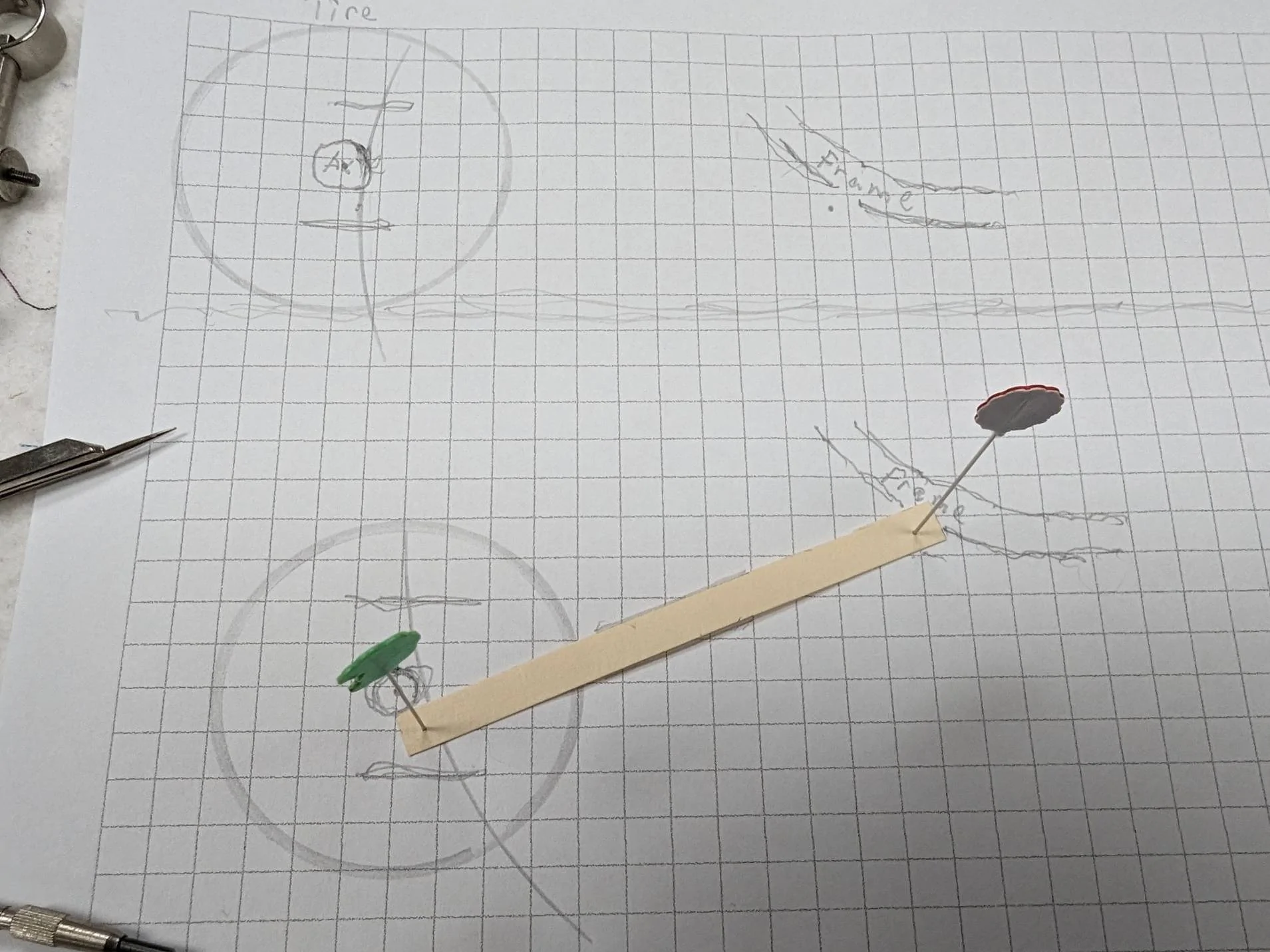
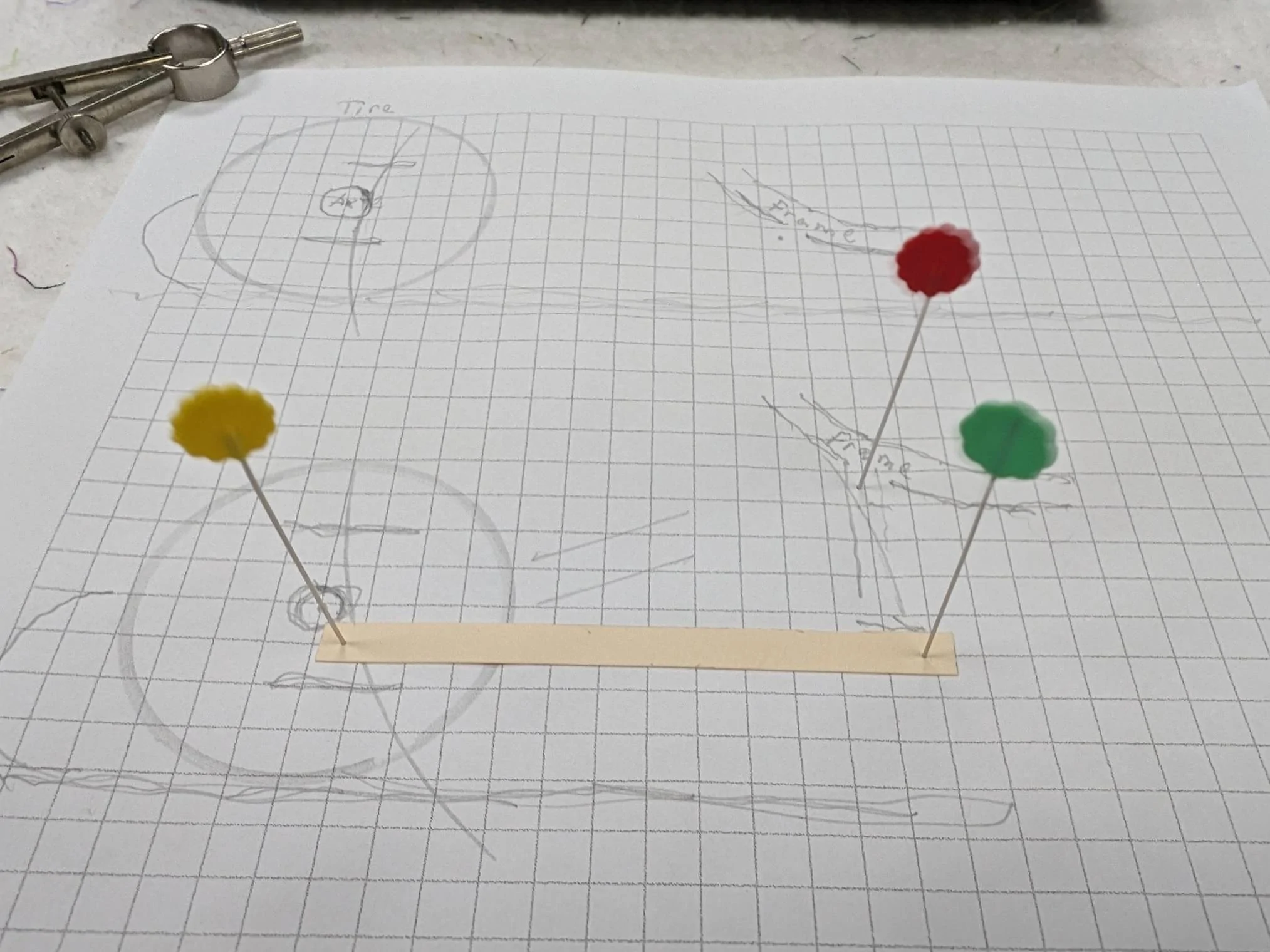
Now add geometry correcting brackets and move the arm more parallel with the ground again, compensating for the lift.
Red pin is the original attachment point to the frame. Note how the arm swings in an arc as you move it downward to attach to the bracket sitting lower - it moves rearward as well. Since the bracket hole is straight down from the frame hole (well, mostly, some vary) this means the control arm is pushed forward, moving the lower part of the axle forward again, putting the caster back in that was lost when the axle went down with the lift.

Now as the axle moves up and down, with the control arm being more level or even with the ground, it won't move forward and backward as much, it will move more straight up and down and obstacles will again tend to want to roll under the tire and not shove up against the frame through an angled control arm.

Jeep Gladiator Finally geometry brackets data PXL_20231128_150902993.LONG_EXPOSURE-01.COVER


So - it's hard to separate what they do totally - correct geometry, put the swing back into the correct part of the arc so there's not so much forward/rearward movement as things move up and down and put caster back because moving the rear end of the lower control arm DOWN forces things forward on the bottom of the axle, twisting the bottom of the axle forward, giving more caster.


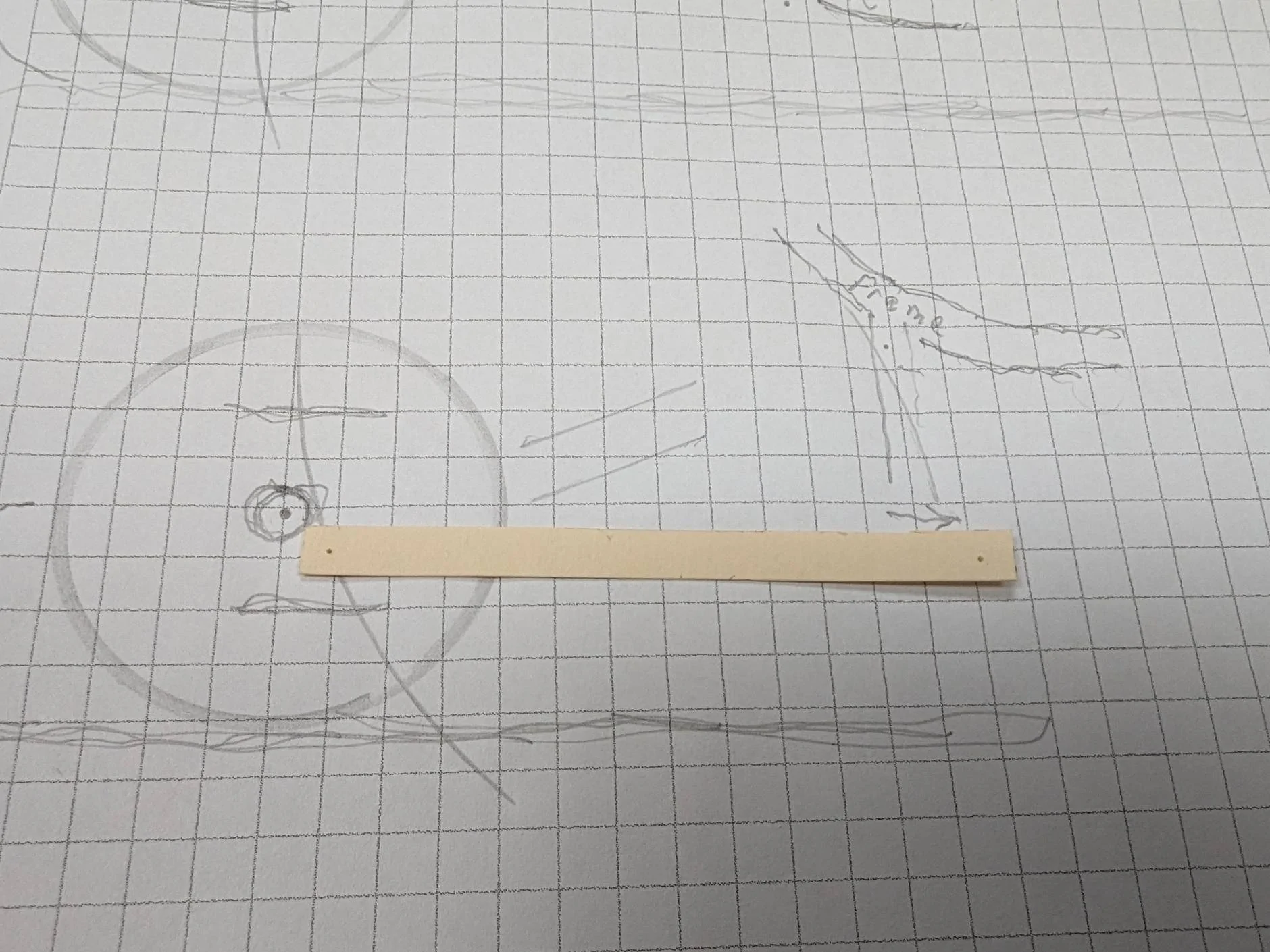
For kicks, my other chicken scratches and photos in case anyone finds them even 0.0005391% helpful...........

Jeep Gladiator Finally geometry brackets data PXL_20231128_150102797


Jeep Gladiator Finally geometry brackets data PXL_20231128_145852552


Jeep Gladiator Finally geometry brackets data PXL_20231128_145021151


Jeep Gladiator Finally geometry brackets data PXL_20231128_145339990


Jeep Gladiator Finally geometry brackets data PXL_20231128_150902993.LONG_EXPOSURE-01.COVER


Jeep Gladiator Finally geometry brackets data PXL_20231128_150720273


Jeep Gladiator Finally geometry brackets data PXL_20231128_150112316


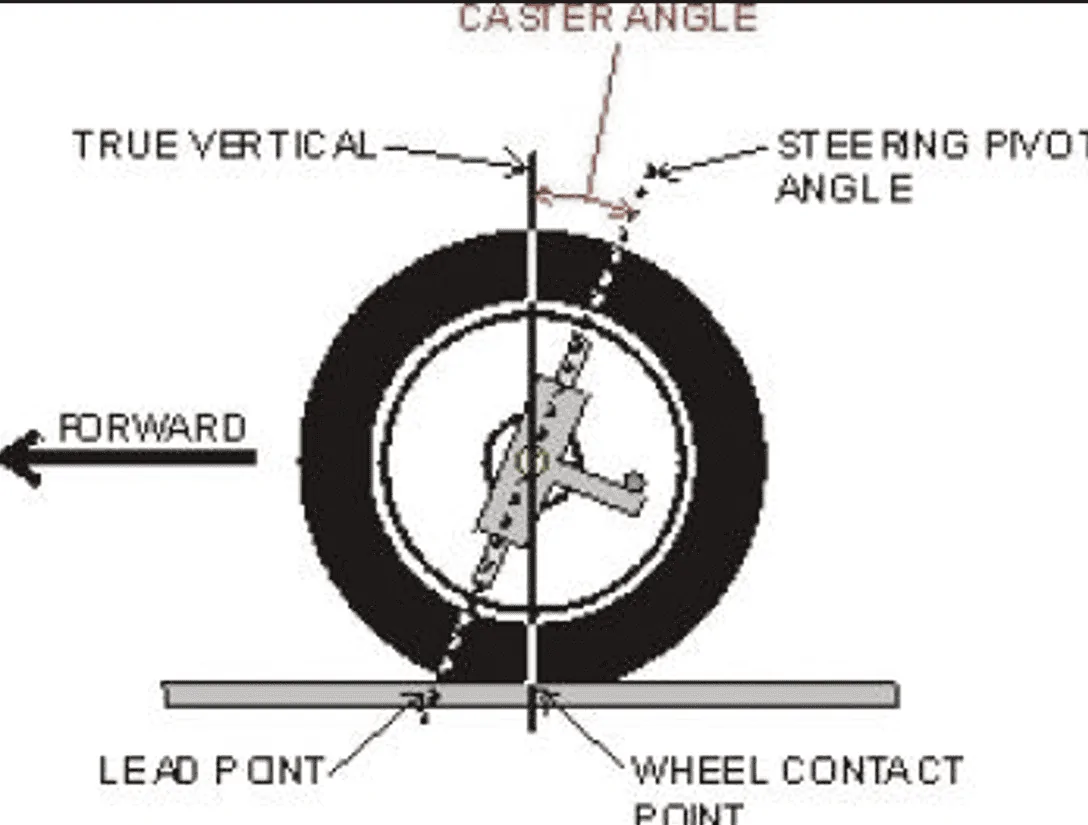
For reference - CASTER -
Because the tire's contact point is trailing the lead point, or the point from which the tire is being moved forward, the tire wants to follow straight. The more caster (TO A POINT) the more the tire wants to follow directly behind the lead point, or the line drawn through the ball joints (or king pins on a large or older truck, etc.)
It gets hairy and complex because other angles and yeah, geometry, interacts with caster, but to the point most of us have or need caster, it means that if forces try to move that tire off of a line directly behind the "lead point", the more it wants to fall back into line like a well disciplined marching band member.

Jeep Gladiator Finally geometry brackets data 1701186539367
 

KevinM60

Well-Known Member
First Name
Kevin
Joined
Jun 7, 2023
Threads
9
Messages
1,079
Reaction score
1,881
Location
Southern Cal
Vehicle(s)
2023 Gladiator Mojave
Occupation
CAD/CAM
Mostly suspension - but can impact steering as well since the brackets do put caster back.
I hope my extremely crude drawings will help those who tend to "get it" with visuals or pictures.
I'm that sort - once I see it, I've got it. For me a picture can be worth a whole book of explanations.
I "borrowed" my wife's quilting prototype board - don't tell her of the pin holes it has in it now.
I dug out some of my old drafting tools to make lines I could not draw out on my best day.
Sorry, today is one of those extreme dizzy migraine days and the tremors are horrible on days like this so lines are terribly squiggly and rough.

We'll start with my very rough rendition of a "Jeep" showing the lower control arm (D), frame (B), axle (C), tire, ground (E) and finally the arc the axle, and thus tire, swings as it goes up and down over holes and bumps (F)
A is stuff like rocks and bumps in the road, anything that pushes back against the tire rather than simply rolling smoothly under it. So - this can apply on the highway around Indianapolis or some off-roading, lumber trails and so on as well as a decent stretch of road.

As it comes factory - the control arms are parallel to the ground for the most part. (and ideally, parallel to each other - top picture. The snip of file folder is the control arm. The pin holes are where the bolts go through holding it to the frame and axle.

Note as the axle moves up and down (I have drawn short horizontal lines for that up and down movement) how little it swings forward or rearward. It's nearly straight up and down along the line F which is the arc in which the axle would travel, pivoting at the frame mounting point B.

PXL_20231128_150112316.jpg


Now add a lift - the axle sits a lot lower below the frame, the swing in the arc of the control arm pulls the bottom of the axle back, removing caster (caster is the tilt forward or backward of the upper ball joint compared to the lower ball joint)


PXL_20231128_145852552.jpg

PXL_20231128_150102797.jpg


Note on the far left I have sort of crescent lines, I marked one as A above for reference.
Compare the top drawing to the bottom.
Forces acting against the tire in the top picture will tend to life the tire and go under - not a lot of force will be transmitted back to the frame as things tend to simply run under.
On the bottom picture, the same things will want to push back against the tire - less able to lift and simply go under it. Force will be transmitted to the frame. A large enough object will want to push the vehicle upward through the angle of the control arm. Harder on things, rougher ride, less controlled, less smooth - on and off the road.
Note the arc the axle swings in now - a lot more rearward and forward movement, less straight up and down as the axle moves up and down over the rough.


Now add geometry correcting brackets and move the arm more parallel with the ground again, compensating for the lift.
Red pin is the original attachment point to the frame. Note how the arm swings in an arc as you move it downward to attach to the bracket sitting lower - it moves rearward as well. Since the bracket hole is straight down from the frame hole (well, mostly, some vary) this means the control arm is pushed forward, moving the lower part of the axle forward again, putting the caster back in that was lost when the axle went down with the lift.

Now as the axle moves up and down, with the control arm being more level or even with the ground, it won't move forward and backward as much, it will move more straight up and down and obstacles will again tend to want to roll under the tire and not shove up against the frame through an angled control arm.

PXL_20231128_150902993.LONG_EXPOSURE-01.COVER.jpg


So - it's hard to separate what they do totally - correct geometry, put the swing back into the correct part of the arc so there's not so much forward/rearward movement as things move up and down and put caster back because moving the rear end of the lower control arm DOWN forces things forward on the bottom of the axle, twisting the bottom of the axle forward, giving more caster.


For kicks, my other chicken scratches and photos in case anyone finds them even 0.0005391% helpful...........

PXL_20231128_150102797.jpg


PXL_20231128_145852552.jpg


PXL_20231128_145021151.jpg


PXL_20231128_145339990.jpg


PXL_20231128_150902993.LONG_EXPOSURE-01.COVER.jpg


PXL_20231128_150720273.jpg


PXL_20231128_150112316.jpg


For reference - CASTER -
Because the tire's contact point is trailing the lead point, or the point from which the tire is being moved forward, the tire wants to follow straight. The more caster (TO A POINT) the more the tire wants to follow directly behind the lead point, or the line drawn through the ball joints (or king pins on a large or older truck, etc.)
It gets hairy and complex because other angles and yeah, geometry, interacts with caster, but to the point most of us have or need caster, it means that if forces try to move that tire off of a line directly behind the "lead point", the more it wants to fall back into line like a well disciplined marching band member.

1701186539367.png
Thanks for taking the time to explain that.
Seeing the attachment point on the CA and how the lift affects it's angle helps a lot.
It looks the me like whatever lift you use, using the same amount of correction would reposition the CA back to the original position but from what I've read from posts here wouldn't be completely necessary because a small difference won't alter the mechanical operation that much. That part of it seems to be relevant to each individual application and the personal opinion of such.
Thanks again.
 

ChrisNLA

Well-Known Member
First Name
Chris
Joined
Jun 7, 2022
Threads
16
Messages
2,017
Reaction score
3,668
Location
Louisiana
Vehicle(s)
2022 JT Sport Max Tow
Build Thread
Link
Mostly suspension - but can impact steering as well since the brackets do put caster back.
I hope my extremely crude drawings will help those who tend to "get it" with visuals or pictures.
I'm that sort - once I see it, I've got it. For me a picture can be worth a whole book of explanations.
I "borrowed" my wife's quilting prototype board - don't tell her of the pin holes it has in it now.
I dug out some of my old drafting tools to make lines I could not draw out on my best day.
Sorry, today is one of those extreme dizzy migraine days and the tremors are horrible on days like this so lines are terribly squiggly and rough.
Gonna need you to take all of that clearly presented, logical, and easy to understand information somewhere else. This ain't the place for it. Them brackets don't do anything, gonna get knocked off the truck on the first rock, and you can't prove otherwise.

(I hope the sarcasm in this post is noticeable)

:LOL:
 

Sponsored

ShadowsPapa

Well-Known Member
First Name
Bill
Joined
Oct 12, 2019
Threads
247
Messages
40,442
Reaction score
53,859
Location
Runnells, Iowa
Vehicle(s)
'25 JTMX, '23 JLU 4xe, '82 SX4, '73 Javelin
Occupation
Retired auto mechanic, frmr gov't ntwrk security admin
Vehicle Showcase
3
Gonna need you to take all of that clearly presented, logical, and easy to understand information somewhere else. This ain't the place for it. Them brackets don't do anything, gonna get knocked off the truck on the first rock, and you can't prove otherwise.

(I hope the sarcasm in this post is noticeable)

:LOL:
I appreciate you providing data to support your conclusions. That is most helpful.
However, was your research submitted for peer review before being published?
 

ChrisNLA

Well-Known Member
First Name
Chris
Joined
Jun 7, 2022
Threads
16
Messages
2,017
Reaction score
3,668
Location
Louisiana
Vehicle(s)
2022 JT Sport Max Tow
Build Thread
Link
I appreciate you providing data to support your conclusions. That is most helpful.
However, was your research submitted for peer review before being published?
In all seriousness - great explanation you have there. The OE's don't put the arms level from the factory for no reason.
 

KevinM60

Well-Known Member
First Name
Kevin
Joined
Jun 7, 2023
Threads
9
Messages
1,079
Reaction score
1,881
Location
Southern Cal
Vehicle(s)
2023 Gladiator Mojave
Occupation
CAD/CAM
Gonna need you to take all of that clearly presented, logical, and easy to understand information somewhere else. This ain't the place for it. Them brackets don't do anything, gonna get knocked off the truck on the first rock, and you can't prove otherwise.

(I hope the sarcasm in this post is noticeable)

:LOL:
Sarcasm noted and greatly appreciated.
??

in seriousness, I’m now plan to take a look at the underside of the suspension to get a better idea of the hardware location so I can use tire placement on obstacles to keep from messing them up on the bigger rocks.
I’ve already done that some but as I learn more my crawling ability increases and I can cross larger obstacles without causing severe damage.
 

ShadowsPapa

Well-Known Member
First Name
Bill
Joined
Oct 12, 2019
Threads
247
Messages
40,442
Reaction score
53,859
Location
Runnells, Iowa
Vehicle(s)
'25 JTMX, '23 JLU 4xe, '82 SX4, '73 Javelin
Occupation
Retired auto mechanic, frmr gov't ntwrk security admin
Vehicle Showcase
3
It looks the me like whatever lift you use, using the same amount of correction would reposition the CA back to the original position but from what I've read from posts here wouldn't be completely necessary because a small difference won't alter the mechanical operation that much. That part of it seems to be relevant to each individual application and the personal opinion of such.
The reduction in caster from the stock number would depend solely on the amount of lift you actually got. When someone says they bought a 2" lift, that's the number on the box. The final amount will vary depending on the JT or JL the lift is put under. It may be 1.5" or may end up 2.5".
Similar for a lift market as a 3.5" lift - you may get more, you may get less.
Caster can be put back with adjustable or even just longer lower control arms to put back the trailer tire effect of caster - but that can't put back other ride or handling characteristics.

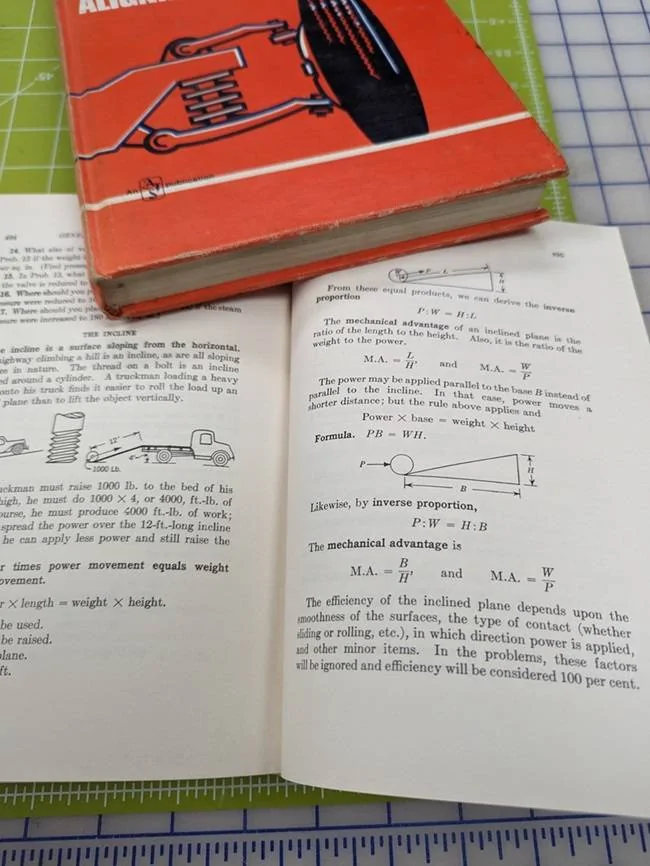
There's a reason that back in the stone age when I grew up, you went through multiple HS classes and then at least a couple of years of college - a full quarter dedicated to nothing but suspension, steering and alignment. roughly 3 months was nothing but this stuff, on top of what was just brushed up against in HS.
And then there's people who have gone through all of that and MORE, just on suspension, handling, steering and so on.

And I don't know a fraction of a fraction of what I wish I knew, so I keep referring back to these.....
Jeep Gladiator Finally geometry brackets data books


Sarcasm noted and greatly appreciated.
??

in seriousness, I’m now plan to take a look at the underside of the suspension to get a better idea of the hardware location so I can use tire placement on obstacles to keep from messing them up on the bigger rocks.
I’ve already done that some but as I learn more my crawling ability increases and I can cross larger obstacles without causing severe damage.
As Red Green might say - if it ain't broke, you're not trying.............
 

chorky

Well-Known Member
First Name
Chad
Joined
Feb 26, 2022
Threads
175
Messages
3,466
Reaction score
3,801
Location
Montana
Website
www.youtube.com
Vehicle(s)
'22JTR, '06 LJ, '06 TJ GE
Build Thread
Link
Occupation
GIS Specialist
Thats an awesome resource. Ha I was about to go dig my books out too.

Another thing to consider if is the amount of additional force placed on the vehicle as a whole, and especially the axle, control arms, and factory brackets when going over obstacles with just longer arms. To steel @ShadowsPapa drawning, referencing the below photo
Jeep Gladiator Finally geometry brackets data IMG_3124


looking at the bottom
drawing of a lift with only arms, consider obstacle A as a large rock or a ledge at MOAB. Now replaying those hundreds of videos from youtube in your brain, recall how much of the skinny pedal people use as the front tire crushes into the obstacle before enough force is applied to rotate said tire lifting the axle and thus vehicle ip and over. We have all seen it.

Skip to 6:37.

Where the front tire is going up and over The ledge. Now reference again the above photo, object A, and the arc pattern in the below sketch of a lift with longer arms only. You should notice that because the arc pattern of the axle and wheel is different due to the control arm lift, before the axle and wheel can go up, it first must go forward a little bit. So due to this, additional force is being placed on all your components as the tire is forced into the obstacle even harder before the suspension can collapse and allow the axle to go over the obstacle.

This whole situation is also, in part, why long arm kits were made for the TJ. To reduce that steep angle and that forward axle arc movement before it collapses upwards to clear obstacles.

So in addition to the arms transmitting force into the frame, this just adds to that effect. And further, this is in part why independent suspensions are smoother and typically more comfortable than solid axle as the arc or travel of a IFS is not perpendicular to an obstacle, but more straight vertical.
Sponsored


Top