Sponsored

Anyone with over 100k miles on their 3.6 yet ?

Geoarch

Well-Known Member
First Name
Steve
Joined
Feb 3, 2022
Threads
26
Messages
1,528
Reaction score
1,431
Location
Albuquerque, NM
Website
swxrflab.net
Vehicle(s)
2024 JTR, Bright White AT; 2022 JTR MT (traded)
Occupation
geoarchaeologist (retired)
Ill never understand the irrational disdain for the auto stop start.
I just push the button when I get in. Having said that, the Aux died on the freeway at 19 months. Replaced both batteries.
Sponsored


Geoarch

Well-Known Member
First Name
Steve
Joined
Feb 3, 2022
Threads
26
Messages
1,528
Reaction score
1,431
Location
Albuquerque, NM
Website
swxrflab.net
Vehicle(s)
2024 JTR, Bright White AT; 2022 JTR MT (traded)
Occupation
geoarchaeologist (retired)
That guy's grumpy sarcasitic Schtick gets a little old after a few videos watching him. Makes me doubt half of what he is saying
I made it about two minutes.
 

Geoarch

Well-Known Member
First Name
Steve
Joined
Feb 3, 2022
Threads
26
Messages
1,528
Reaction score
1,431
Location
Albuquerque, NM
Website
swxrflab.net
Vehicle(s)
2024 JTR, Bright White AT; 2022 JTR MT (traded)
Occupation
geoarchaeologist (retired)
I just use pennzoil platinum 0W-20.
That has worked for me and is certified for use on our engines - for what it's worth.
 

Geoarch

Well-Known Member
First Name
Steve
Joined
Feb 3, 2022
Threads
26
Messages
1,528
Reaction score
1,431
Location
Albuquerque, NM
Website
swxrflab.net
Vehicle(s)
2024 JTR, Bright White AT; 2022 JTR MT (traded)
Occupation
geoarchaeologist (retired)
Cam timing and valve lift do change compression. I've done enough cam swapping.........
LSA , LCA, valve lift, cam timing.

This is from a Honda discussion, actual test numbers>>
cam size AND cam timing will effect cranking compression numbers. Just changing the cam timing can effect the cranking compression numbers by over 20%.

Numbers for thinking
D16 with stock cam at zero, 200 psi across the board
same setup with cam at 2 degress retard, 180 psi
4 degrees retard and I got 160-165 psi cranking compression numbers.


This from Motortrend >>
Advancing or retarding a camshaft's timing from its original "zero" position causes the valve events to happen either earlier or later in the engine's cycle. A camshaft that is advanced four degrees will cause each opening and closing event to occur four degrees of rotation sooner than before. This changes the cylinder's ability to build pressure. On the other hand, if the camshaft timing is retarded, the intake valve will close later (usually sometime during the compression stroke).
It should be no surprise that this drops cranking compression


So, retarding the intake cam timing drops cranking compression, by a fair amount.

I've built enough engines to know what happens if you mess up degreeing the cam, or get the wrong cam for your volumetric calculations.

There's a whole page on turbo mopar talking about it - here's another fellow's test results -

I set the cam timing on the S3 cam to achieve max cranking pressure which was 135psi. It ran good set to that point. Pulled hard to 6800 to 7000rpm. Then I tried advancing beyond that point. That resulted in a serious drop in top end power with a small gain in bottom end torque. I have a fairly loose conveter 3500 to 4000 stall, so extreme bottom end torque is not really noticed.
Then I started retarding it 2 deg at a time all the way to 6 deg retard. Ended up at 4 deg retard. Had 125psi cranking pressure.


He went from 135 down to 125.

On a warm or hot engine, it matters.

I stand by my 50 years engine experience. (and am supported by many dozens saying the same thing)
If you want, I'll go dig out my old college engine building books - one guy who worked with Isky in the 60s talks about the impact of cam timing, making no other changes.

I didn't just walk in off the internet - I've a lifetime of study and experience, and have even made mistakes with cams that raised compression enough to cause me trouble.
Hey, I was sponsored by Crower!
 

Stan H

Well-Known Member
First Name
Stanley
Joined
Oct 26, 2022
Threads
10
Messages
5,516
Reaction score
5,497
Location
WV
Vehicle(s)
Gladiator Rubicon 2021
Occupation
Safety Consultant
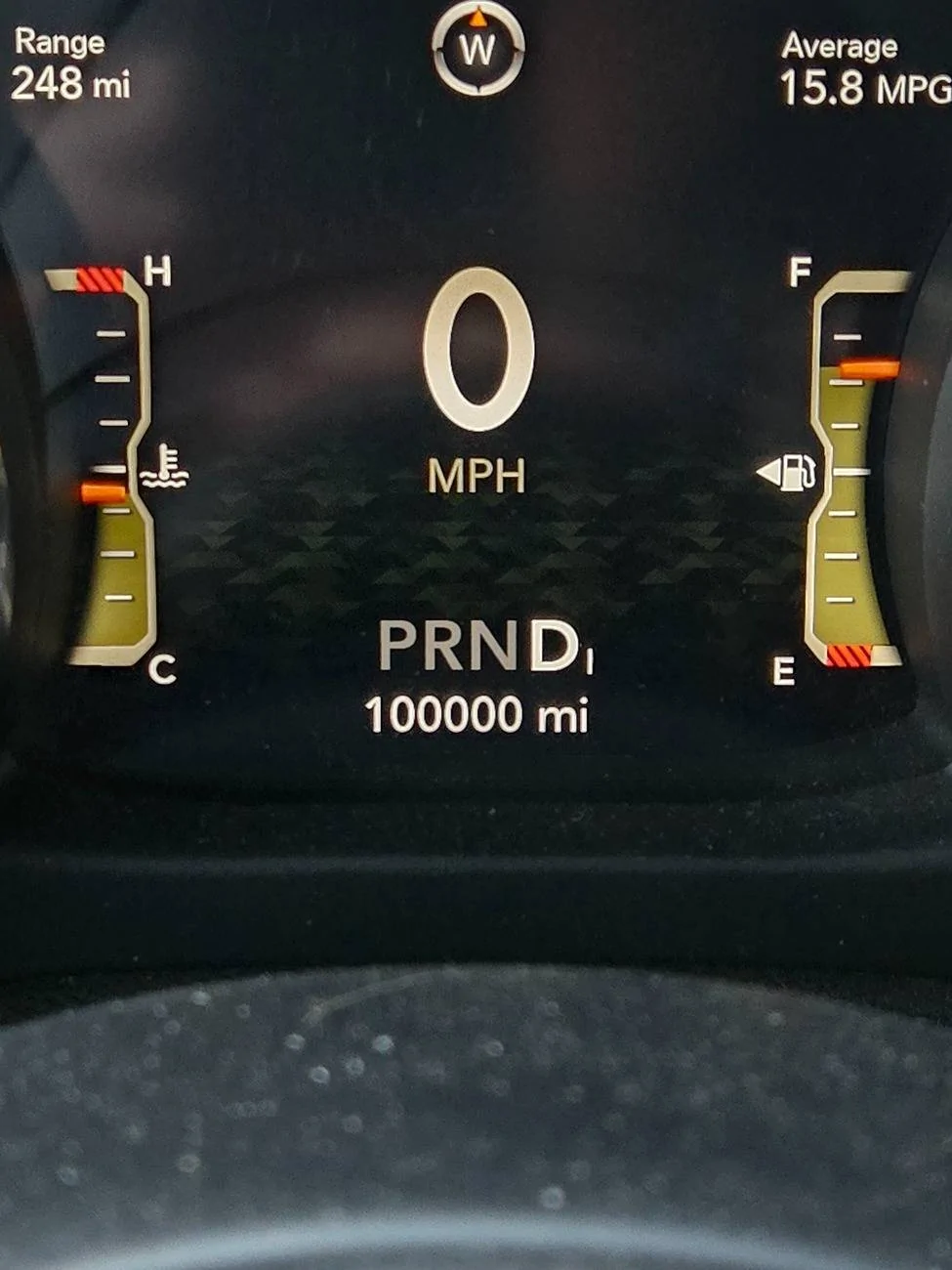
I am curious if anyone has reached over 100k miles yet ? Any issues you had to deal with ?
I know this is a Zombie thread . But... I have 88,800 not a single issue .
 

Sponsored

Stan H

Well-Known Member
First Name
Stanley
Joined
Oct 26, 2022
Threads
10
Messages
5,516
Reaction score
5,497
Location
WV
Vehicle(s)
Gladiator Rubicon 2021
Occupation
Safety Consultant
I now have 112,600 Cam sensor went out replaced in 5 min. And cabin filter , and just general overall preventive maintenance helped me find that both rear brake caliper slide pins were frozen. Had to remove them (absolute beast) then clean the hole and grease and install new pins . Brakes were not functioning as good would have to pump brake and that's what tipped me off.
 

Stan H

Well-Known Member
First Name
Stanley
Joined
Oct 26, 2022
Threads
10
Messages
5,516
Reaction score
5,497
Location
WV
Vehicle(s)
Gladiator Rubicon 2021
Occupation
Safety Consultant
Oh wanted to add why it tipped me off about pumping because in the brakes system the rear brakes are applied first then the front when the peddle is pushed this way the vehicle doesn't go into a nose dive.
 

Jetsnation_7

Well-Known Member
First Name
Kyle
Joined
Nov 9, 2022
Threads
16
Messages
54
Reaction score
17
Location
Mansfield, PA, 16933
Vehicle(s)
Mojave Gladiator 2023 Punk’n
I have ran over 35,000 miles on the gladiators with 3.6L V 6’s and no issues. I think (knock on wood) Jeep has mastered It. It is an extremely smooth engine displacement and the transmission is smooth as butter.
 

DanJT

Well-Known Member
First Name
Dan
Joined
Sep 19, 2024
Threads
34
Messages
713
Reaction score
1,087
Location
Tn
Vehicle(s)
2020 Gladiator Rubicon
Occupation
Retired
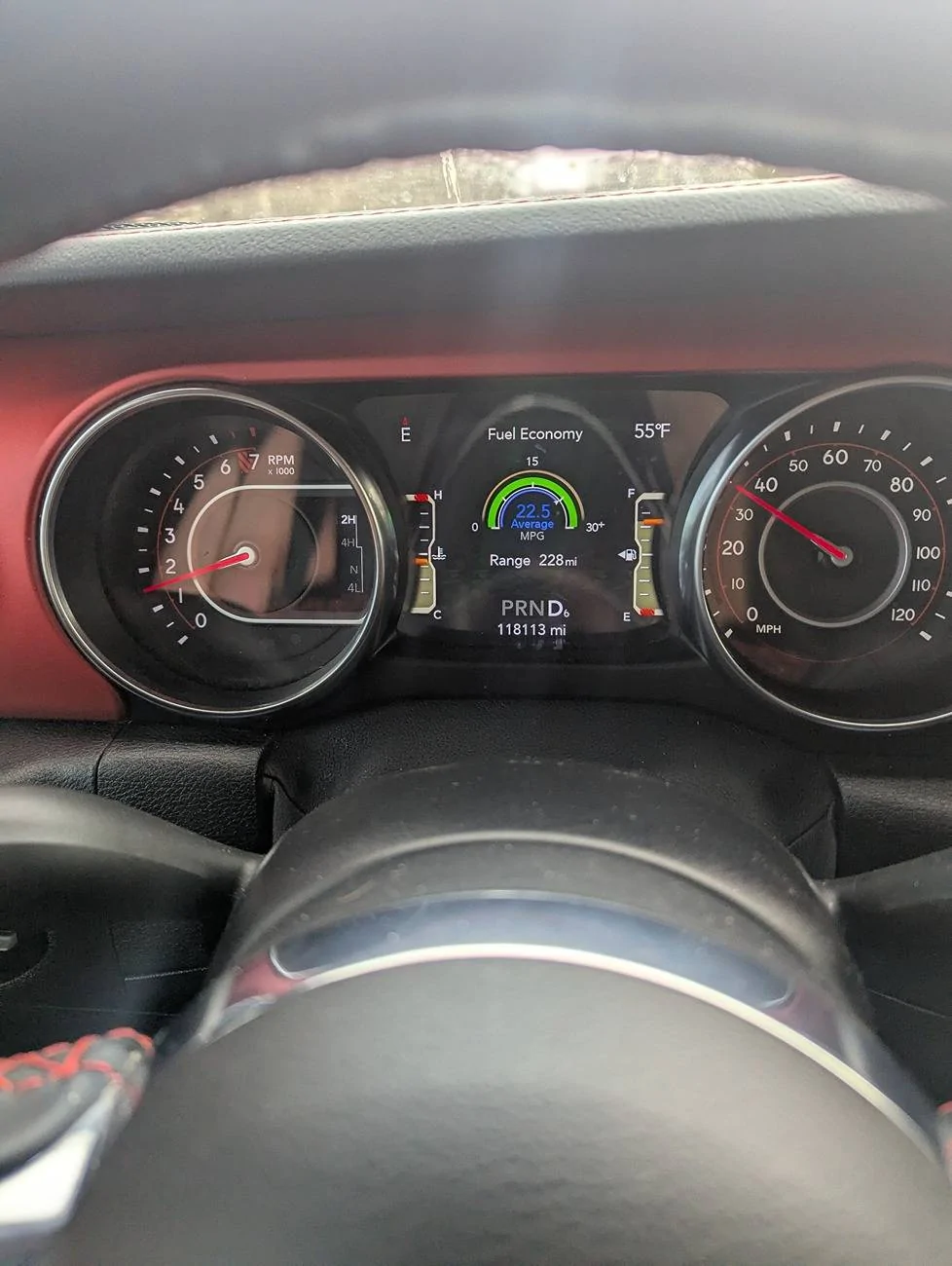
118k and going strong at 22 mpg!
Jeep Gladiator Anyone with over 100k miles on their 3.6 yet ? PXL_20241226_175633480
 
Last edited:

LouisvEarlleJT

Well-Known Member
Joined
Mar 10, 2023
Threads
34
Messages
1,093
Reaction score
1,923
Location
USA
Vehicle(s)
2023 JT Willys Earl
Oh wanted to add why it tipped me off about pumping because in the brakes system the rear brakes are applied first then the front when the peddle is pushed this way the vehicle doesn't go into a nose dive.
Can you provide back-up for that? Sounds like an interesting/unique design and I hadn't read that before.
 

Sponsored

mersinery

Well-Known Member
First Name
J
Joined
Nov 5, 2023
Threads
8
Messages
45
Reaction score
24
Location
MD
Vehicle(s)
2023 Jeep Gladiator Sport S
At 42k miles, November will be 2 years of ownership. At this rate, I'll probably reach 100k at year 4 or just under. 190 mile commute to work due return to office mandate...was thinking of trading it in and getting a high mpg vehicle like a hybrid, but the negative equity will kill me.
 

ShadowsPapa

Well-Known Member
First Name
Bill
Joined
Oct 12, 2019
Threads
247
Messages
40,504
Reaction score
54,031
Location
Runnells, Iowa
Vehicle(s)
'25 JTMX, '23 JLU 4xe, '82 SX4, '73 Javelin
Occupation
Retired auto mechanic, frmr gov't ntwrk security admin
Vehicle Showcase
3
Oh wanted to add why it tipped me off about pumping because in the brakes system the rear brakes are applied first then the front when the peddle is pushed this way the vehicle doesn't go into a nose dive.
That's backwards from braking systems of the past (and doesn't really apply to modern vehicles under typical conditions.
The idea was that since there's so very much weight transfer to the front when braking, and the front brakes to at least 60-70% of all braking work, the REAR brakes are not applied as quickly or as "hard" to prevent rear wheel slide. So there was a proportioning valve which modified rear brake application - on front disk/rear drum cars is where it was usually found, between the half of the master that handled the rear brakes, and the rear brakes. GM often mounted it at the master cylinder, AMC mounted it on the rear frame rail, near the rear axle.
A metering valve was used in some situations.
(there was also a combination valve that had the proportioning valve, metering valve, and pressure differential switch in one unit.

but with ABS - the brakes are applied equally to both axles, neither coming in first.
The "nose dive" is weight transfer and is going to happen regardless, and is generally handled by suspension.
here comes another - BUT in this CASE -
If you hit the brakes HARD, the ABS will sometimes apply the rear a bit before the front, but again, to prevent rear axle slide or lockup. Not to prevent nose-dive. It's to prevent the weight transfer that happens normally.
Normal braking -they are applied equally.
Harsh braking - the rears may come in first.
We have a "it depends" - depends on the braking event - pedal pressure.
 
Last edited:

Stan H

Well-Known Member
First Name
Stanley
Joined
Oct 26, 2022
Threads
10
Messages
5,516
Reaction score
5,497
Location
WV
Vehicle(s)
Gladiator Rubicon 2021
Occupation
Safety Consultant
118k and going strong at 22 mpg!
PXL_20241226_175633480.webp
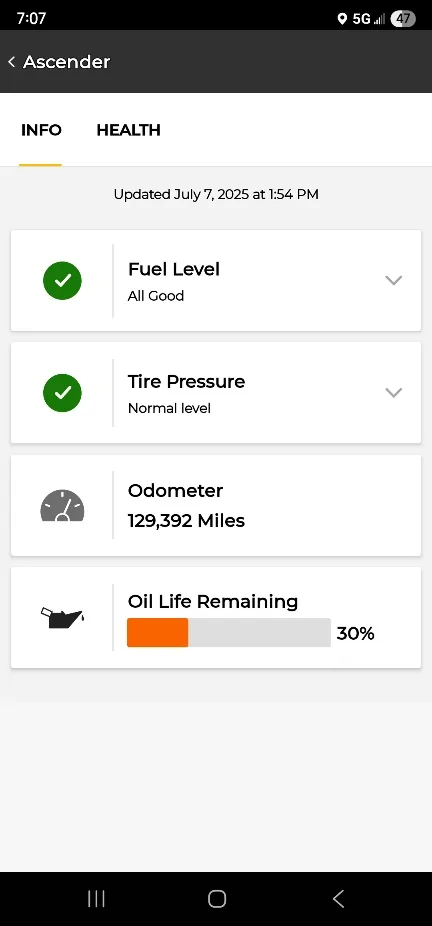
I now have 129,400k it just keeps going and going and going 🤣 edit added my miles..lol now its bonafide 🤣
Jeep Gladiator Anyone with over 100k miles on their 3.6 yet ? Screenshot_20250707_190736_J
 
Last edited:


Top