Cooper_D
Well-Known Member
- First Name
- Duane
- Joined
- Aug 17, 2022
- Threads
- 6
- Messages
- 132
- Reaction score
- 211
- Location
- South West Ohio
- Vehicle(s)
- 2023 Jeep Gladiator Mojave, 2020 Grand Cherokee
- Occupation
- Retired
- Thread starter
- #1
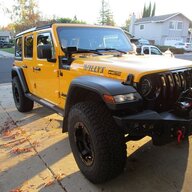
At 43,000 miles the tire noise was so loud that I couldn't hear the wind noise so I decided to go to the dealer to take advantage of the buy 3 get one for a dollar. Plus I had enough points on my Jeep card to pay for one of the tires.
Told the dealer the brand and size of the tire in load range C not E, made appointment and dropped it off.
Picked it up later and it was quiet, but something didn't seem quite right. Come to find out that they put a passenger car tire on instead of a Light Truck tire.
Returned to dealer, they agreed it was the wrong tire, re-ordered correct tires and installed them.
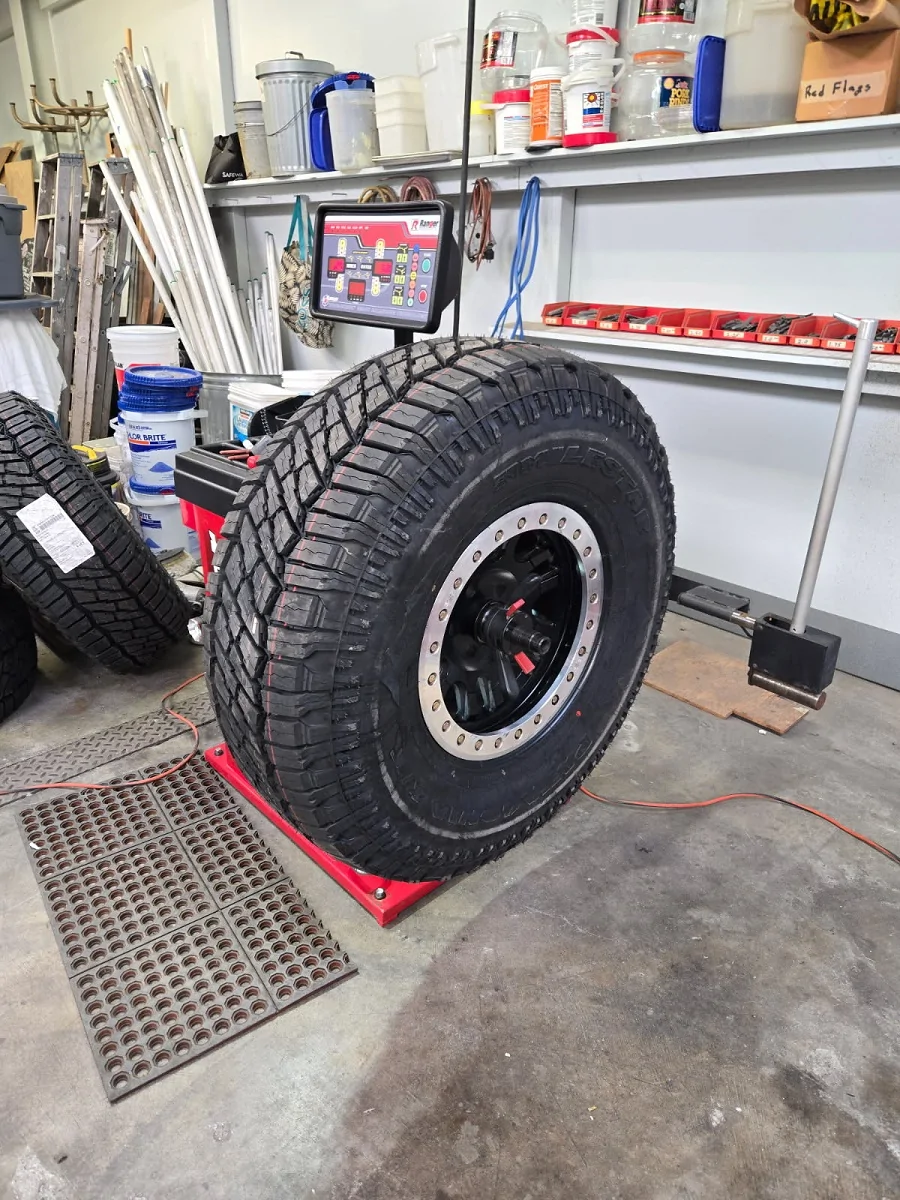
Upon close inspection the tires had a yellow dot and a red dot on them 3 of the 4 had the Red dot next to the valve stem and the 4th tire was no where near the yellow or red dot.
An internet search brought up:
Yellow Dot
Contacted the manufacturer and he said they should be "road forced balanced" which the dealer had done.
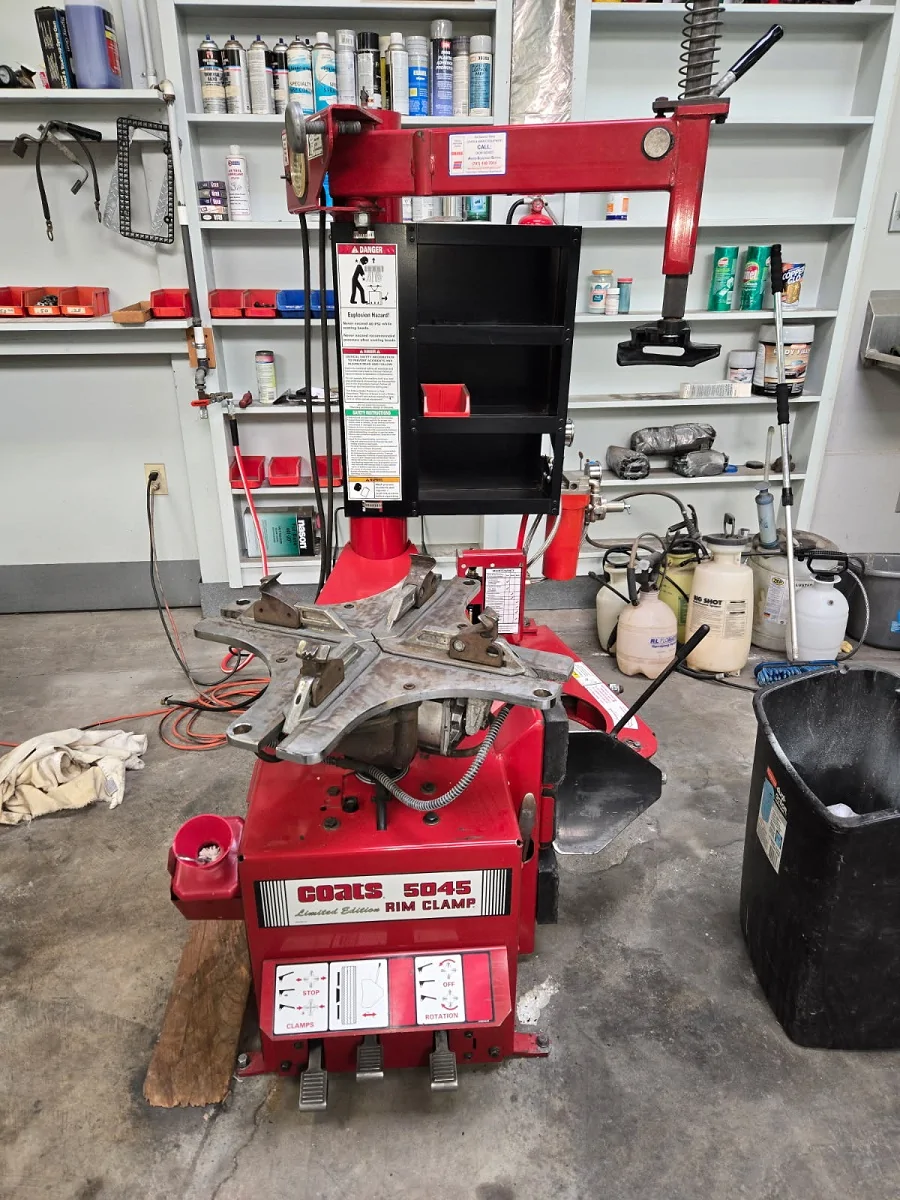
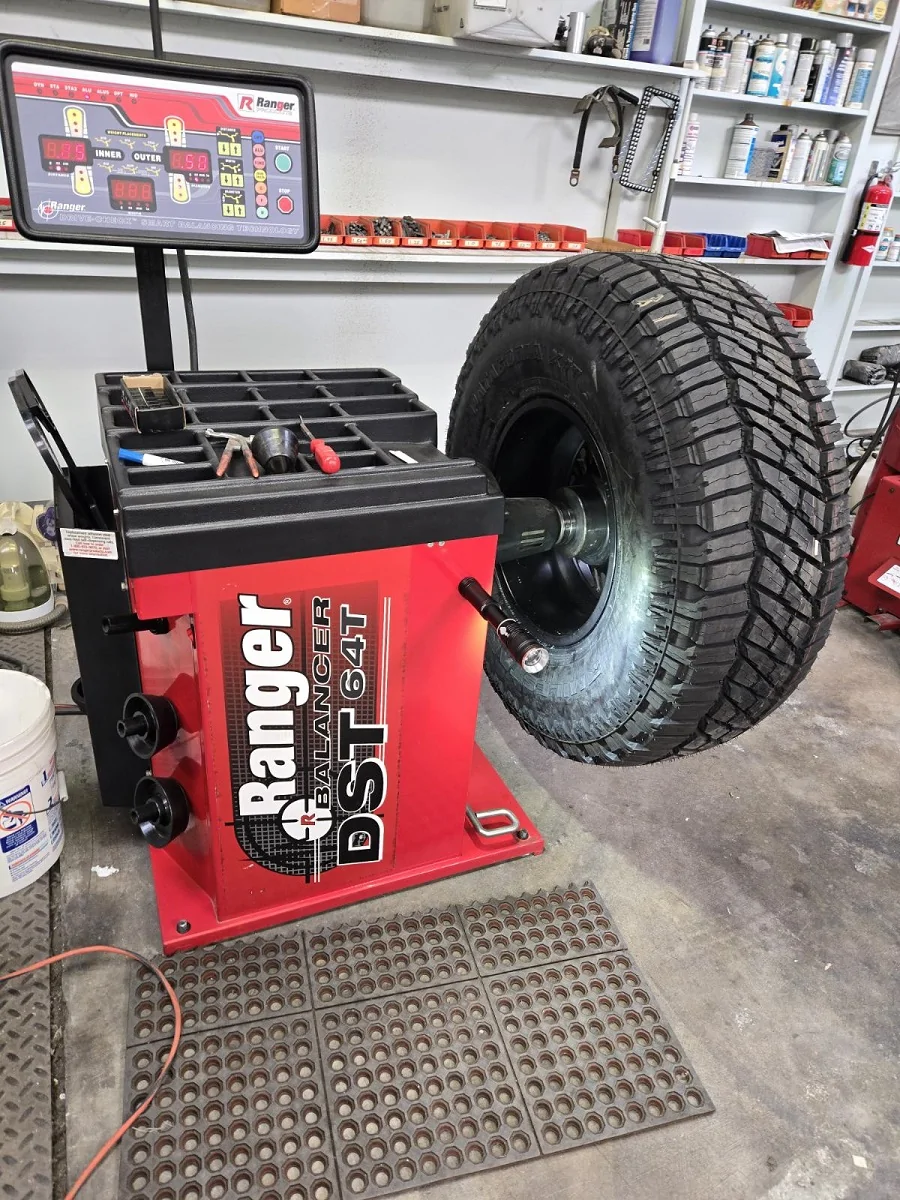
So what is the proper procedure in order to get the best possible balance done?
Should the tire be installed on the wheel using the red/yellow dot and then road force balanced or just throw the tire on and balance from there?
As a kid in the '70s I pumped gas, installed tires and used a bubble balancer to make sure there is no vibration.
I asked one of the tire change dealers his opinion and he said "I will put the red/yellow dot anywhere you want if that will make you happy."
Told the dealer the brand and size of the tire in load range C not E, made appointment and dropped it off.
Picked it up later and it was quiet, but something didn't seem quite right. Come to find out that they put a passenger car tire on instead of a Light Truck tire.
Returned to dealer, they agreed it was the wrong tire, re-ordered correct tires and installed them.
Upon close inspection the tires had a yellow dot and a red dot on them 3 of the 4 had the Red dot next to the valve stem and the 4th tire was no where near the yellow or red dot.
An internet search brought up:
Yellow Dot
- Indicates Lightest Point: The yellow dot marks the lightest part of the tire.
- Alignment: When mounting the tire, the yellow dot should be aligned with the valve stem, which is typically the heaviest point of the wheel. This helps achieve better balance.
- Indicates Highest Point: The red dot marks the highest point of the tire, which is the most imbalanced area.
- Alignment: If a red dot is present, it should be aligned with a corresponding mark on the wheel (if available). If no mark exists, the red dot can be aligned with the valve stem, but this is less ideal than matching it with a wheel mark.
Contacted the manufacturer and he said they should be "road forced balanced" which the dealer had done.
So what is the proper procedure in order to get the best possible balance done?
Should the tire be installed on the wheel using the red/yellow dot and then road force balanced or just throw the tire on and balance from there?
As a kid in the '70s I pumped gas, installed tires and used a bubble balancer to make sure there is no vibration.
I asked one of the tire change dealers his opinion and he said "I will put the red/yellow dot anywhere you want if that will make you happy."
Sponsored