ShadowsPapa
Well-Known Member
- First Name
- Bill
- Joined
- Oct 12, 2019
- Threads
- 247
- Messages
- 40,445
- Reaction score
- 53,879
- Location
- Runnells, Iowa
- Vehicle(s)
- '25 JTMX, '23 JLU 4xe, '82 SX4, '73 Javelin
- Occupation
- Retired auto mechanic, frmr gov't ntwrk security admin
- Vehicle Showcase
- 3
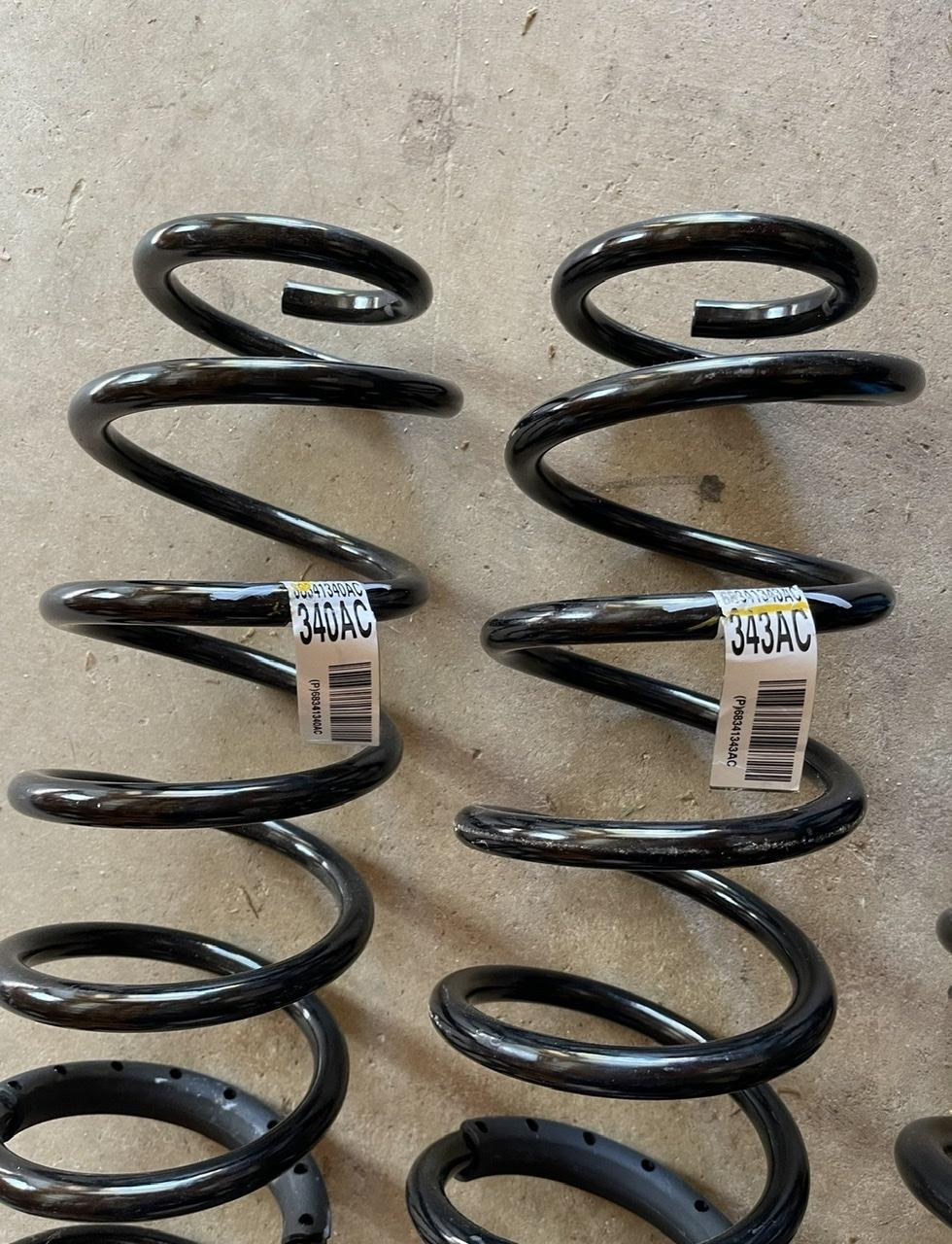
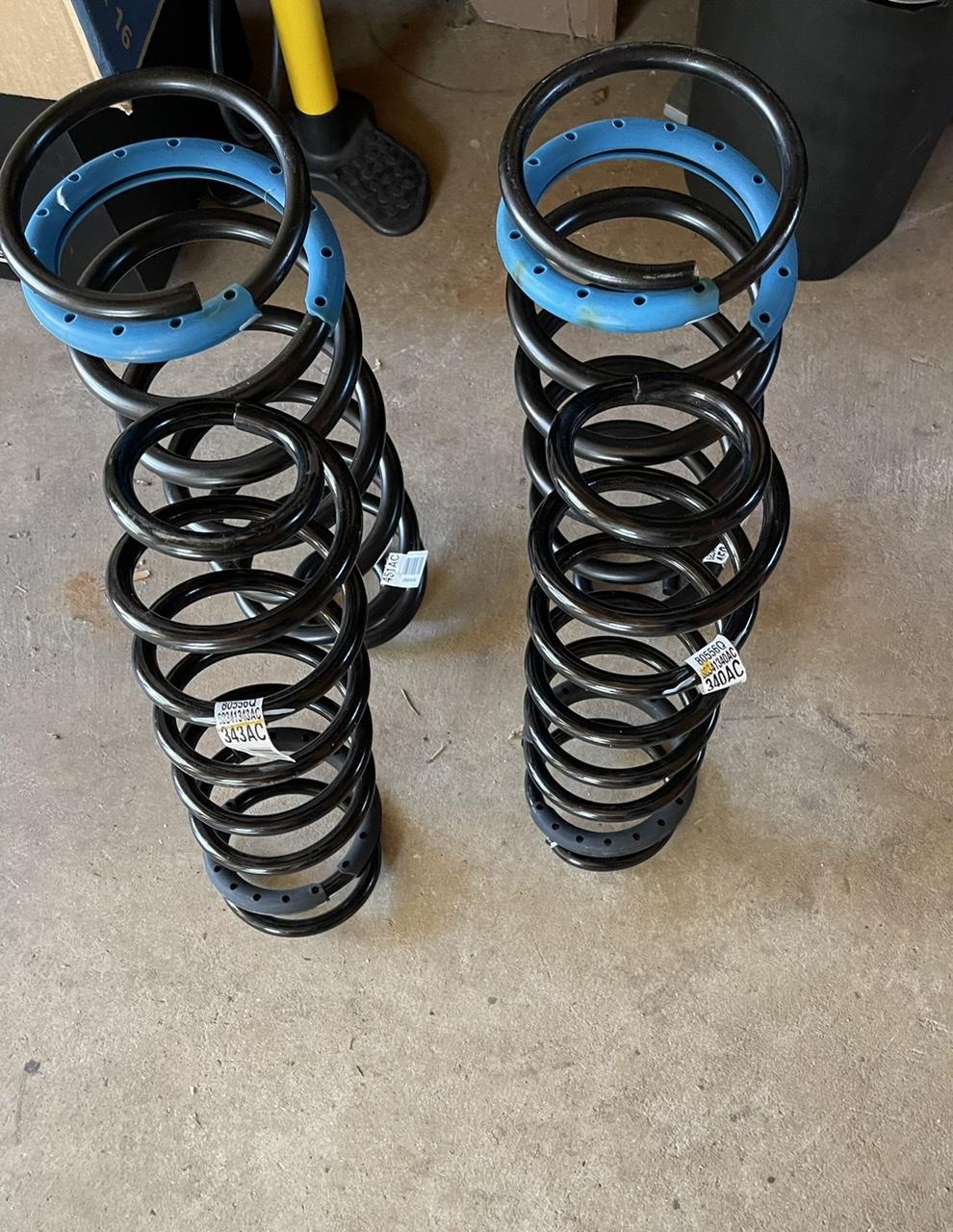
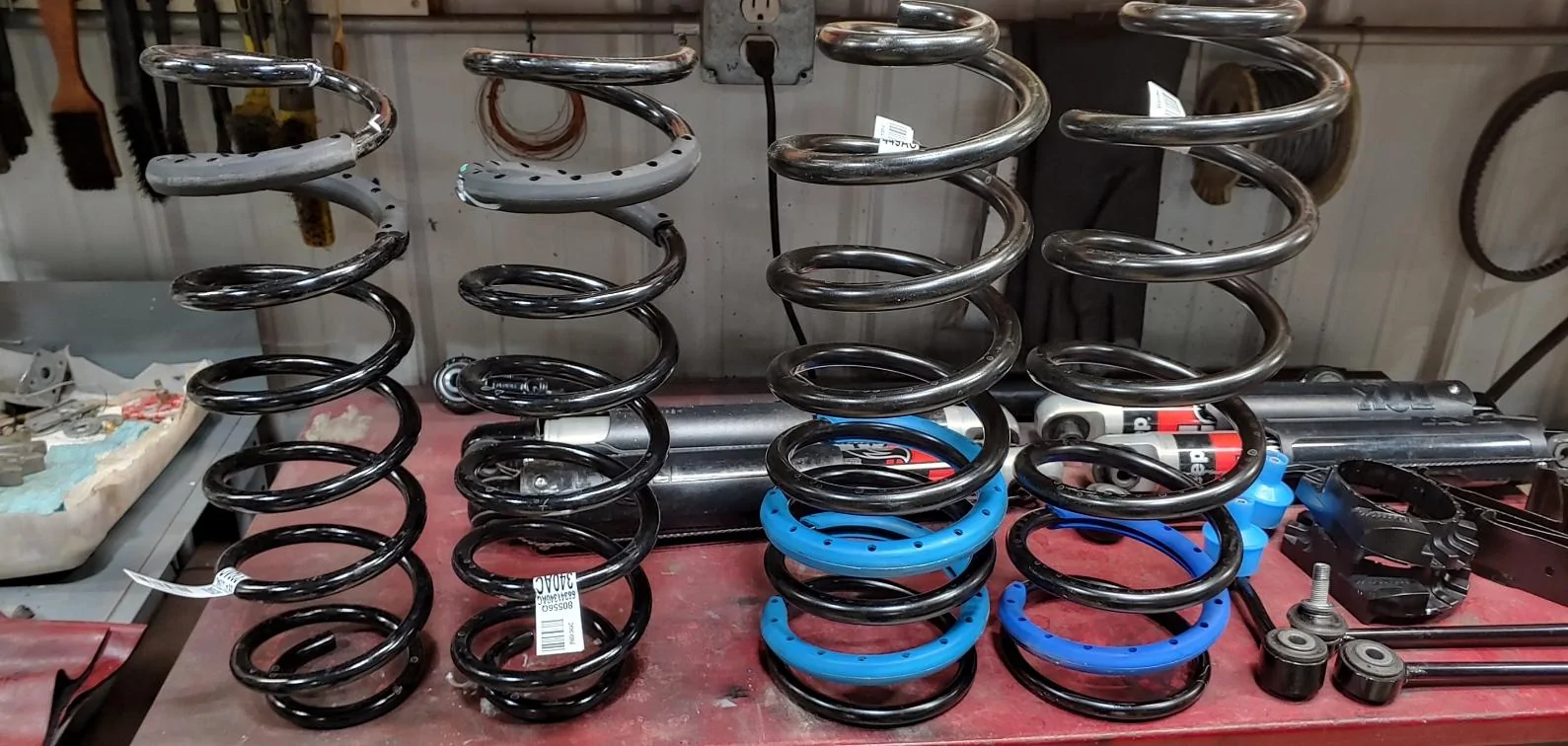
Have you actually compared the springs side to side? I have. PAIR of Rubicon springs - one side has 9 coils and is slightly shorter, the other has 7, spaced differently.Has anyone done a weight test on the springs? Like put it into a rate checker, squished it down 1" and see what the load is between the pairs? Then coilbind the soft section of the spring and then test the progressive rate?
I'm thinking that there are "pairs" of springs with different part numbers, but the same spring rate. Because everything is codified, tracked, numbered, etc. Each part needs it's own identifiable part number.
It would make sense that the Rubicon gets special springs for off-road use. Same with Mojave. Sport/Sport S/Willys get general springs. Max tow gets springs for heavy loads. Overland a spring that focuses on road ride. So those combinations would eventually add up, but it's not like each individual spring has a different rate.
The Quadratec page for JT springs list 26 springs. That's 13 pairs to divvy amongst 10 trims and 2 engine choices over 2 model years.
And my spring part #s aren't even listed yet. 68506362AA (L) & 68506363AA (R).
They have different rates, different numbers of coils, and I bet if I went through the work of pulling them off the high shelf and unpacking/unboxing them again and measuring the wire size, I'd see a difference. Not always, but some.
If they are the same, explain why one truck gets a 339 and a 340 with 340 on the right and another gets a 340 and a 343 with the 340 on the left.
Even 50 years ago they were very different and you had to buy based on the options and the side of the vehicle.
Rubicon springs aren't different for "off-road use". They are different for the height and weight of the vehicle.
Spring Rate refers to the amount of weight it takes to compress a spring a certain distance. The higher the spring rate, the stiffer the spring. ...
Since RATE is the amount of rate it takes to compress a spring a certain distance, then yes, the rates would indeed be different. If one side of the truck is heavier it would get a spring that has a higher rate.
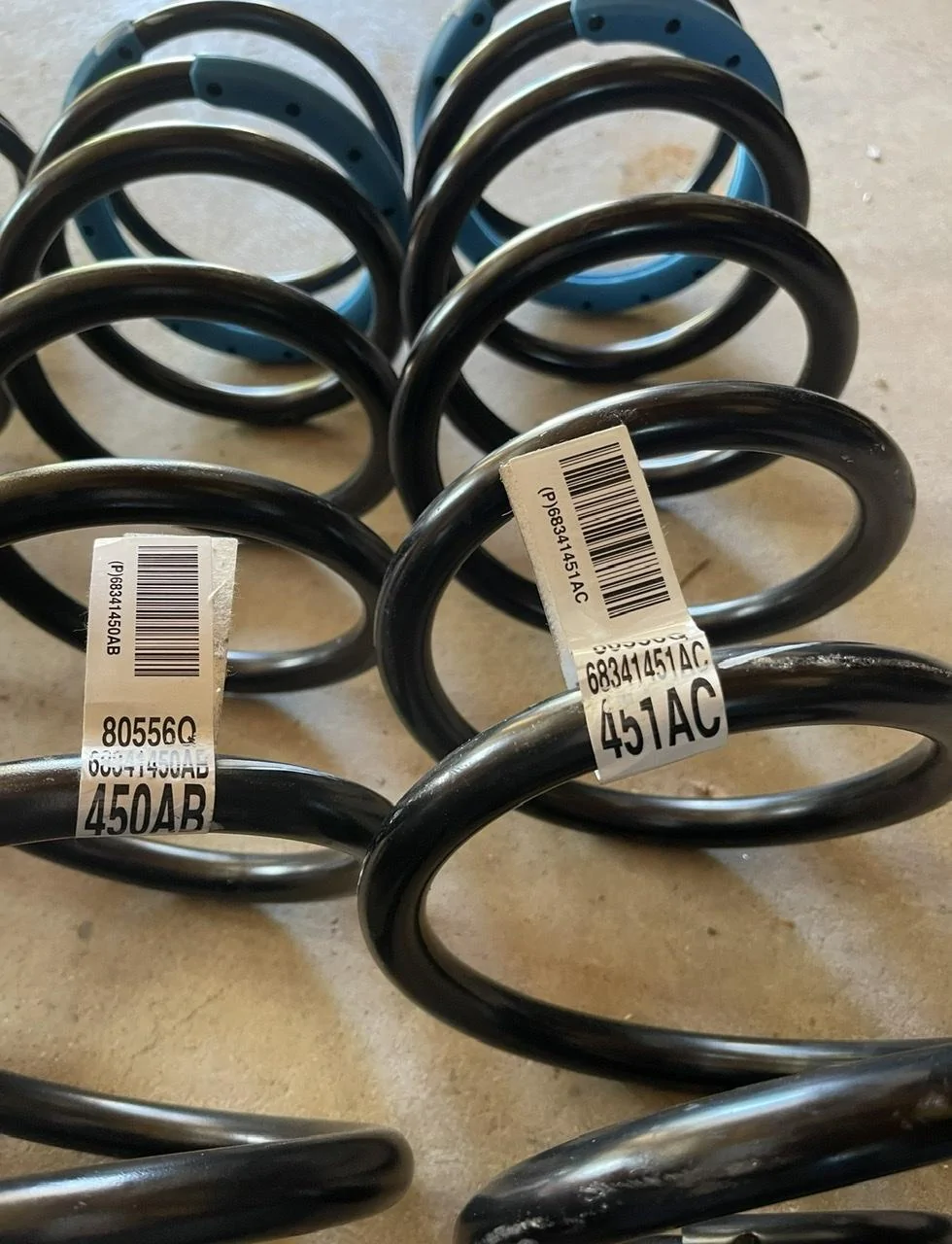
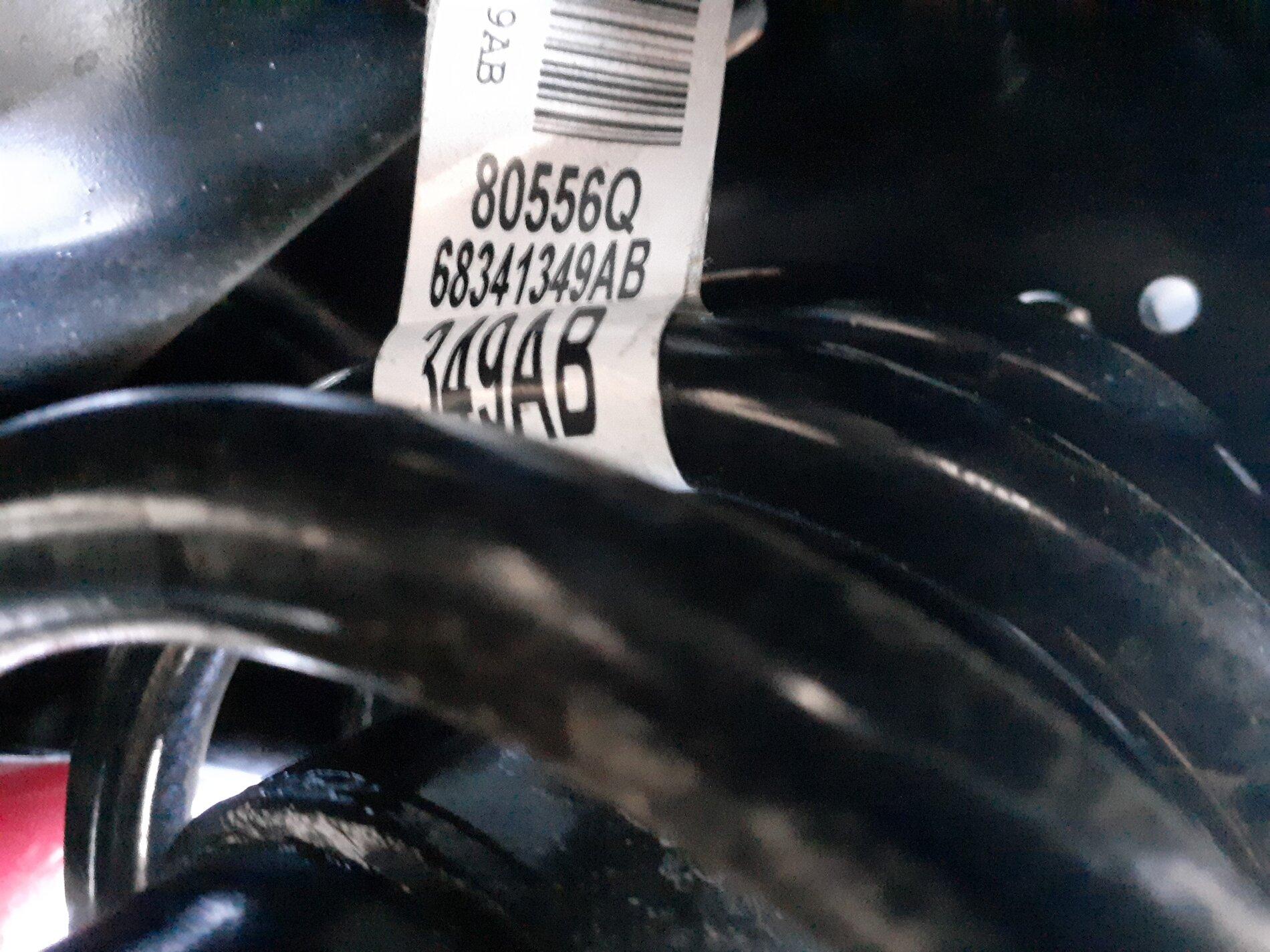
The two rear springs on the right -449 and 450. The 449 has more coils and is shorter, the 450 goes on the right and is a tad taller, fewer coils.
If you lower the amount of coils, you'll increase the spring stiffness which is the spring's rate.
The one on the right has fewer coils, so a higher rate - and goes on the right side of the truck.
They are from the same truck..........
Sponsored