Sponsored

3.0 Derating Problem SOLVED…(maybe)

biodiesel

Well-Known Member
Joined
Dec 8, 2018
Threads
15
Messages
2,276
Reaction score
2,952
Location
New Mexico
Vehicle(s)
2015 Ram 1500 Ecodiesel
IMO thats why I think a better seperate oil cooler would solve our issues.
The Gen 2 EcoDiesel Ram guys have already proven that a designated oil cooler does the trick. There are Ram Gen 2 EcoDiesel guys towing 8,000 lb travel trailers/toy haulers without issue. The Gen 2 EcoDiesel has the same stacked radiator/intercooler design as the Gen 3 EcoDiesel found in the Jeep. Both have cooling issues, but the Jeep is marginally worse with the narrow grille and cramped engine space.
Sponsored


DylanM

Well-Known Member
First Name
Dylan
Joined
Sep 1, 2023
Threads
1
Messages
1,034
Reaction score
2,595
Location
Texas
Vehicle(s)
'21 JTRD
Occupation
USAF Retired
I'll play... Engines do not run on air they run on oxygen, higher ya go less their is and compressor or SC only compresses what is coming in. Result less HP/TQ as elevation goes up.
Oxygen content of air as a percentage doesn't change as you gain elevation when driving. Its total volume per cubic foot does due to decreasing air density, but the portion of the volume that is oxygen doesn't. The turbo compresses the air to the same pressure as at lower elevation, thus the actual volume of oxygen available in the cylinders is the same at altitude as at sea level.
 

biodiesel

Well-Known Member
Joined
Dec 8, 2018
Threads
15
Messages
2,276
Reaction score
2,952
Location
New Mexico
Vehicle(s)
2015 Ram 1500 Ecodiesel
High altitude has a few things going for it. For one, less air means less drag. My best fuel economy, especially towing economy, is at high altitude. Also, less humidity means better cooling. Humidity hinders the radiator's ability to dissipate heat. Naturally aspirated engines don't always benefit from high altitude because they are losing power, but diesels with a turbo can maximize power at high altitude.
 

caryt

Well-Known Member
First Name
Cary
Joined
May 29, 2023
Threads
35
Messages
438
Reaction score
293
Location
Wellington NV
Vehicle(s)
'84 stretched CJ7/LS/tons/40's, 2021 Rubicon JT 39
Occupation
Retired/ Build jeeps
Oxygen content of air as a percentage doesn't change as you gain elevation when driving. Its total volume per cubic foot does due to decreasing air density, but the portion of the volume that is oxygen doesn't. The turbo compresses the air to the same pressure as at lower elevation, thus the actual volume of oxygen available in the cylinders is the same at altitude as at sea level.

yes if the boost pressure is higher ..the turbo spinning higher rpm at elevation than at sealevel you get less HP/TQ. RPM the same sealevel will have more HP/TQ. Then add complexities of temps air drag etc as biodiesel stated.
 

Sweetums

Well-Known Member
Joined
Mar 30, 2023
Threads
28
Messages
2,015
Reaction score
4,334
Location
Utah
Vehicle(s)
'05 LJR, '21 JTDR, '00 VFR800, RSV4, '11 MTS 1200
The wastegate would be managing boost pressure and the turbo speed isn't determined by ambient altitude-density but by exhaust pressure. The turbo is capable of producing way more PSI of boost than the engine is using, that's why the wastegate is venting that pressure. Turbos do a very good job at nearly negating the effects of altitude on engine performance. You need to be getting up into "I need oxygen to function" altitudes for them to start losing effectiveness.

You can check out the performance characteristics of turbo and supercharged aircraft at different altitudes. Even then, the effects of altitude can be managed with clever turbo design, the Spitfire, for example, used a two-stage two-speed supercharger to have optimum performance across a wider range of altitudes. That's not really a problem for us since we are on the ground where the air is thicker (unless we have some members running in the Himalayas I'm not aware of), our altitude changes more slowly, and we aren't trying to defend England from He-111s and Bf-109s.
 

Sponsored

Zachanadandy

Well-Known Member
First Name
Zach
Joined
Oct 17, 2023
Threads
4
Messages
3,000
Reaction score
4,751
Location
Patterson, ca
Vehicle(s)
2023 gladiator Mojave
Occupation
Electrical foreman
The general rule of thumb is 1% power loss for every 1k feet of elevation gain above sea level for forced induction vs 3% for NA engines. Doesn't sound all that big a difference until you talk 10k feet plus. 30% power loss vs 10% is big.
 

biodiesel

Well-Known Member
Joined
Dec 8, 2018
Threads
15
Messages
2,276
Reaction score
2,952
Location
New Mexico
Vehicle(s)
2015 Ram 1500 Ecodiesel
Doesn't sound all that big a difference until you talk 10k feet plus. 30% power loss vs 10% is big.
I have in recent years towed over Wolf Creek Pass at 10,856' feet and the Ike Gauntlet at 11,158' feet, both times with the 2015 Ram EcoDiesel.

Jeep Gladiator 3.0 Derating Problem SOLVED…(maybe) K51kYgy
 

Zachanadandy

Well-Known Member
First Name
Zach
Joined
Oct 17, 2023
Threads
4
Messages
3,000
Reaction score
4,751
Location
Patterson, ca
Vehicle(s)
2023 gladiator Mojave
Occupation
Electrical foreman
I have in recent years towed over Wolf Creek Pass at 10,856' feet and the Ike Gauntlet at 11,158' feet, both times with the 2015 Ram EcoDiesel.

K51kYgy.jpg
Even the 5.7L had enough power left being down 30% to tow the JLUR on a trailer at a combined weight just over 8500lbs up to Silverton to go wheeling no problem. The pentastar on the other hand doesn't have the power to spare that 30% at all.
 

biodiesel

Well-Known Member
Joined
Dec 8, 2018
Threads
15
Messages
2,276
Reaction score
2,952
Location
New Mexico
Vehicle(s)
2015 Ram 1500 Ecodiesel
Even the 5.7L had enough power left being down 30% to tow the JLUR on a trailer at a combined weight just over 8500lbs up to Silverton to go wheeling no problem. The pentastar on the other hand doesn't have the power to spare that 30% at all.
The drive up to Silverton is also very slow, which might make it that much harder for towing with the Pentastar. That engine only makes 260 lb.-ft. of torque at 4,800 RPMs. My 2020 EcoDiesel produces 480 lb.-ft. at 1,600 RPMs. I can make peak torque cruising right along at 25 - 30 mph.
 

Sponsored

Zachanadandy

Well-Known Member
First Name
Zach
Joined
Oct 17, 2023
Threads
4
Messages
3,000
Reaction score
4,751
Location
Patterson, ca
Vehicle(s)
2023 gladiator Mojave
Occupation
Electrical foreman
The drive up to Silverton is also very slow, which might make it that much harder for towing with the Pentastar. That engine only makes 260 lb.-ft. of torque at 4,800 RPMs. My 2020 EcoDiesel produces 480 lb.-ft. at 1,600 RPMs. I can make peak torque cruising right along at 25 - 30 mph.
The pentastar can make peak torque there too... in 1st gear
 

biodiesel

Well-Known Member
Joined
Dec 8, 2018
Threads
15
Messages
2,276
Reaction score
2,952
Location
New Mexico
Vehicle(s)
2015 Ram 1500 Ecodiesel
The pentastar can make peak torque there too... in 1st gear
At least that gets the load moving..... ;)

As long as you aren't doing a lot of towing, the Pentastar isn't a bad engine.

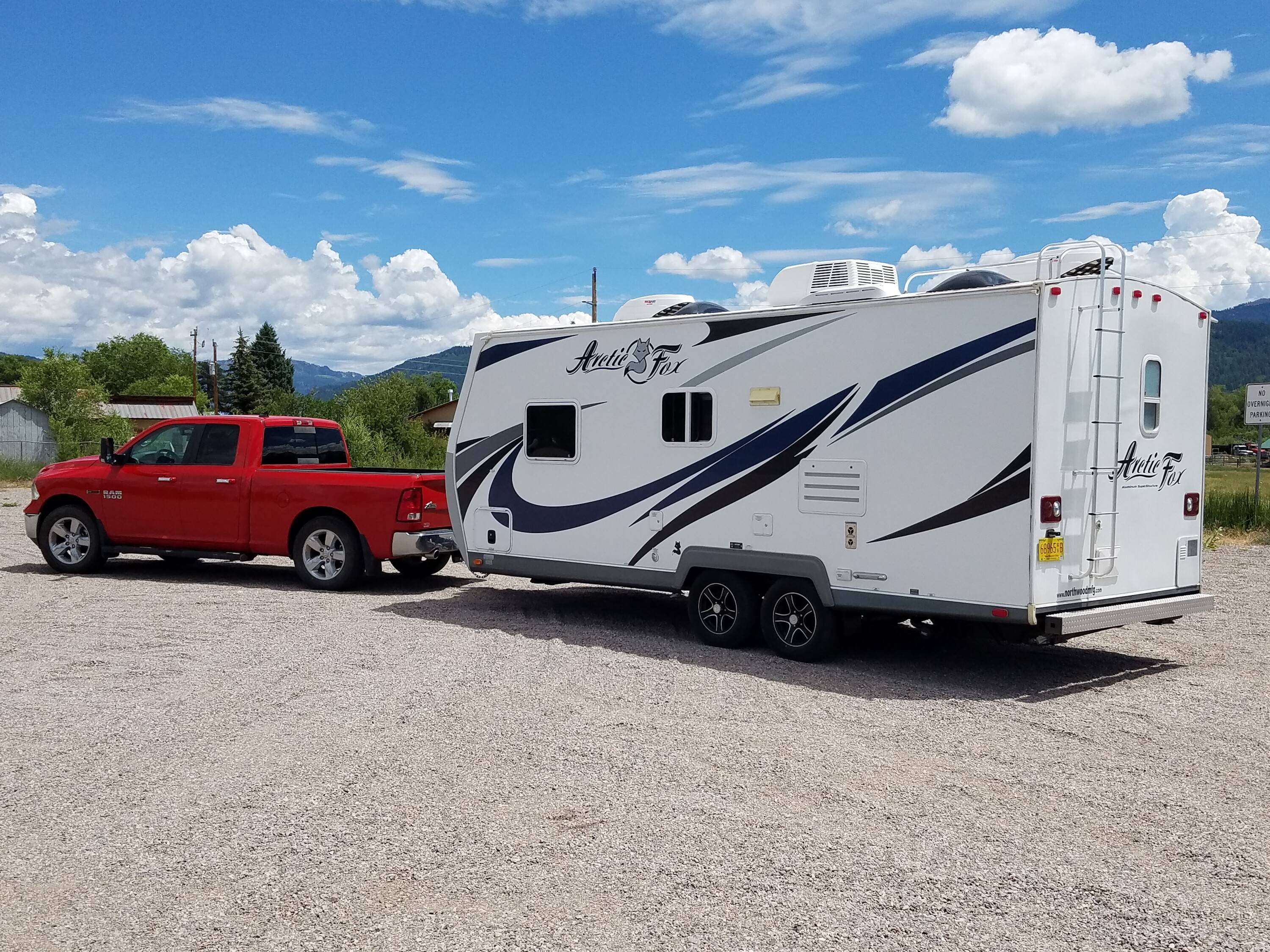
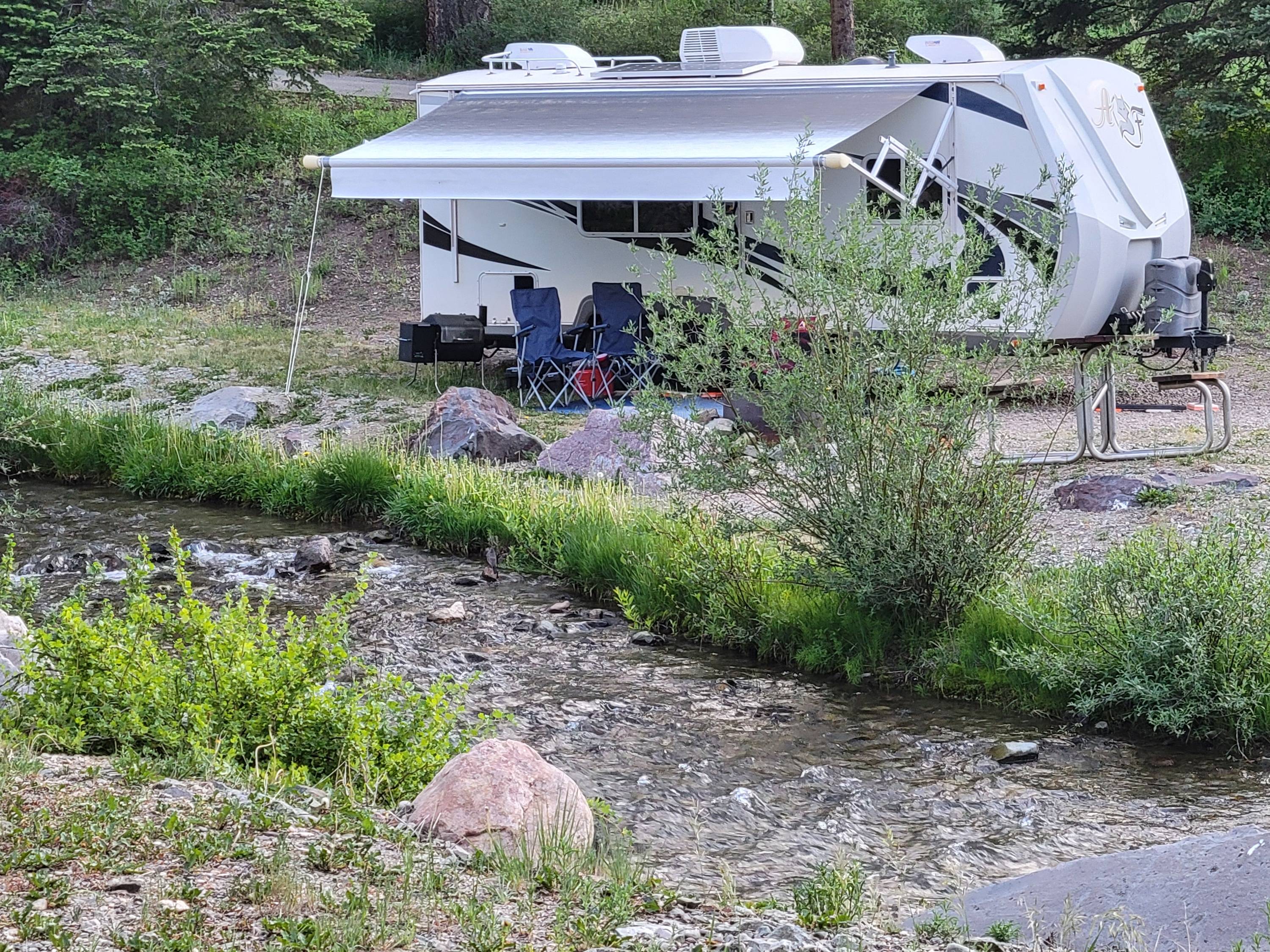
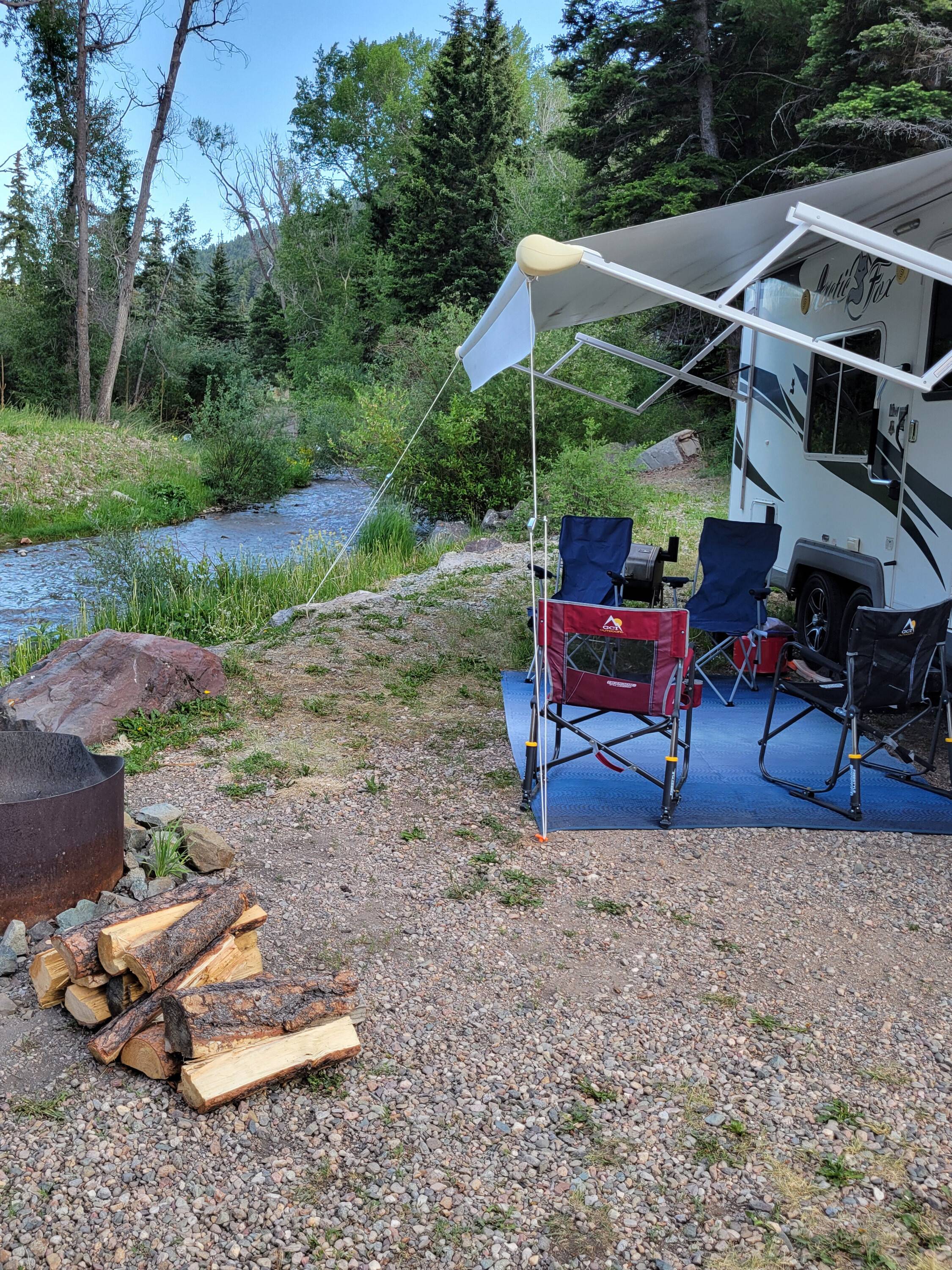
We plan to buy a small camper for the Gladiator, so I'm looking forward to doing some towing with ours. We were in Northern New Mexico a few weeks ago doing a lot of camping. I really wanted to camp at Morphy Lake State Park, but our current travel trailer and tow rig is just too big to fit into those spots. The same issue for a lot of forestry campgrounds and other remote camping. For now, we do what we can with our 23' 10' camper. My goal is to find a secondary trailer that is no longer than 18' feet and under 5,000 lbs. loaded.

Jeep Gladiator 3.0 Derating Problem SOLVED…(maybe) IZpZQhE


Jeep Gladiator 3.0 Derating Problem SOLVED…(maybe) TOxlkqm
 

Zachanadandy

Well-Known Member
First Name
Zach
Joined
Oct 17, 2023
Threads
4
Messages
3,000
Reaction score
4,751
Location
Patterson, ca
Vehicle(s)
2023 gladiator Mojave
Occupation
Electrical foreman
Now we just need to figure out engine mounts for a Rolls Royce Merlin V12...
Just go hellephant swap, mounts already sorted, works with the modem 8 speed trans, and at 1100 hp at sea level and forced induction even if I drive it to the top of mount everest and it's down 25% it will still have 3x the hp of the pentastar at sea level. Probably cheaper in the long run and it fits in the engine bay.
Sponsored


Top