Sponsored

Cheap Gas Kills Your Engine

Maximus Gladius

Well-Known Member
First Name
Kevin
Joined
Jan 30, 2021
Threads
74
Messages
2,901
Reaction score
3,692
Location
Calgary, AB, Canada
Vehicle(s)
2021 JTR, 2023 JTR
Finally a video that explains octane and ethanol in a way that makes sense (to me). They’ve also include an explanation of sulphur in diesel for the diesel owner.
They also discuss…’but my engine is engineered for 87’..
Sponsored

 

XraytecH

Well-Known Member
First Name
Bernie
Joined
Jan 14, 2021
Threads
208
Messages
1,893
Reaction score
2,780
Location
South San Francisco
Vehicle(s)
2021 Jeep Gladiator Sport
Occupation
Xraytech
Vehicle Showcase
1
Finally a video that explains octane and ethanol in a way that makes sense (to me). They’ve also include an explanation of sulphur in diesel for the diesel owner.
They also discuss…’but my engine is engineered for 87’..
Does he mention anything about Flex Fuel?
 
OP
OP
Maximus Gladius

Maximus Gladius

Well-Known Member
First Name
Kevin
Joined
Jan 30, 2021
Threads
74
Messages
2,901
Reaction score
3,692
Location
Calgary, AB, Canada
Vehicle(s)
2021 JTR, 2023 JTR
Does he mention anything about Flex Fuel?
I didn’t hear about that in this video but The Motor oil geek guy covers most things concerning oil, primarily but you’d have to do a search on his channel to see if he covers that item.
 
OP
OP
Maximus Gladius

Maximus Gladius

Well-Known Member
First Name
Kevin
Joined
Jan 30, 2021
Threads
74
Messages
2,901
Reaction score
3,692
Location
Calgary, AB, Canada
Vehicle(s)
2021 JTR, 2023 JTR
With today's gas prices nothing is cheap anymore :(
Up here in Calgary North Pole, (yes it is snowing today), you can spend over $8cad/gallon for premium 91. Can’t imagine putting in Ultra Premium 94 and having to pay that.
 

Sponsored

JmattNYC

Well-Known Member
First Name
Jay
Joined
Jan 28, 2024
Threads
9
Messages
325
Reaction score
416
Location
New York
Vehicle(s)
2021 Gladiator
Up here in Calgary North Pole, (yes it is snowing today), you can spend over $8cad/gallon for premium 91. Can’t imagine putting in Ultra Premium 94 and having to pay that.
Awful wow. I feel like this is part of the plan to push us into buying EV craps and thinking we will be saving $$ but in reality we wil always pay high price for everything. We are money slaves and are Prisoners in this NEW WORLD OR>>>>> SMH
 

Bandit’s Lair

Well-Known Member
First Name
Jason
Joined
Jul 9, 2025
Threads
29
Messages
2,351
Reaction score
3,855
Location
Southern California
Vehicle(s)
2021 Gladiator Sport S
Occupation
Retired
Interesting. I knew some of it but it reaffirms my occasional use of SeaFoam in the fuel tank and using higher octane if I know I’m going on a longer trip. As in 3-4 hours of pure road time so that higher octane has a good amount of time to get in there and “scrub” like it’s supposed to.
 

Dilly’S Willy

Well-Known Member
First Name
D
Joined
Nov 26, 2025
Threads
11
Messages
466
Reaction score
471
Location
Fucking, Austria
Vehicle(s)
21 PBJ Gladiator Willys 6spd, 02 wrx wagon (stroker), 25 ZP 450E
Build Thread
Link
Occupation
Engineer/Business Owner
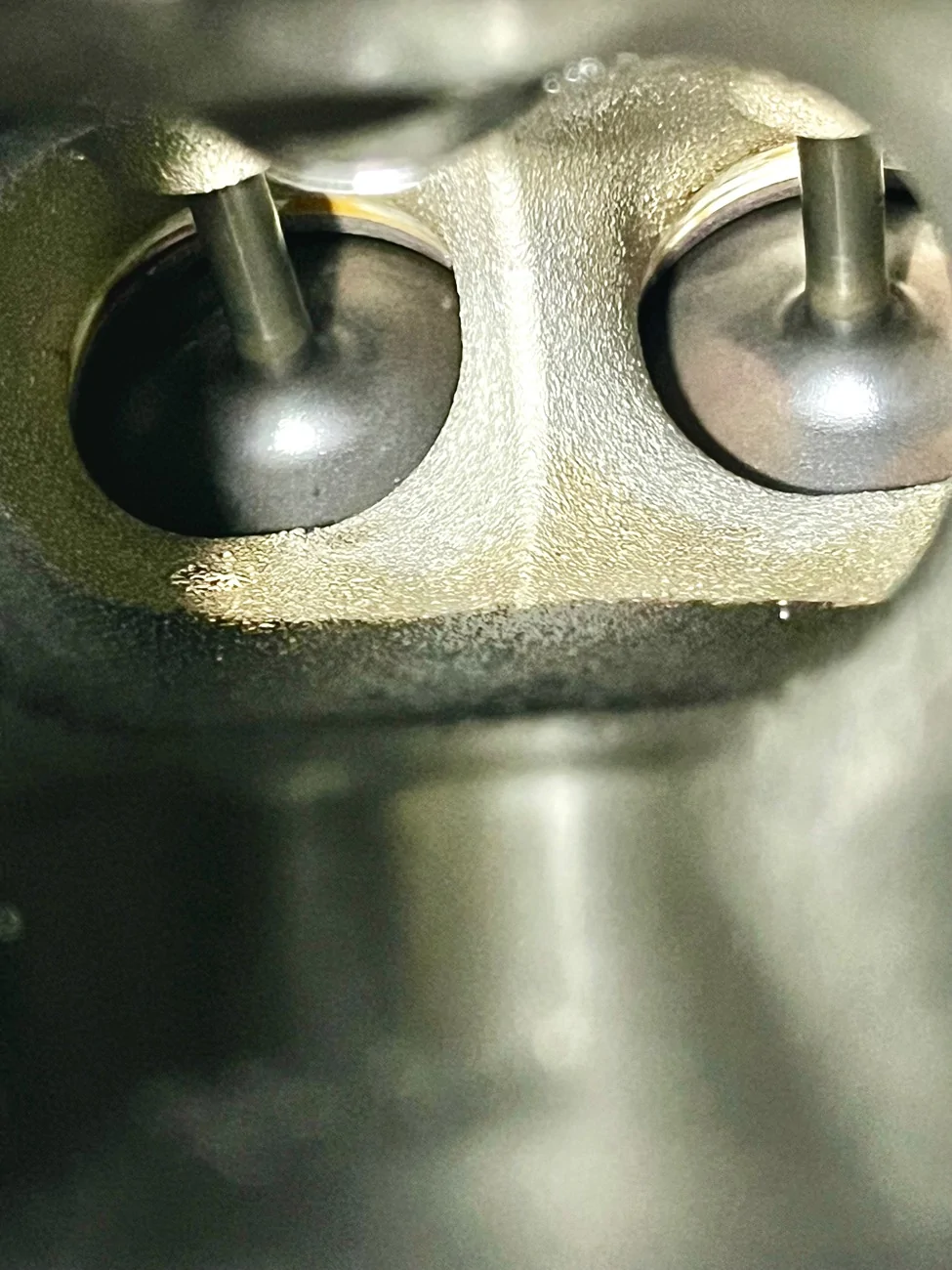
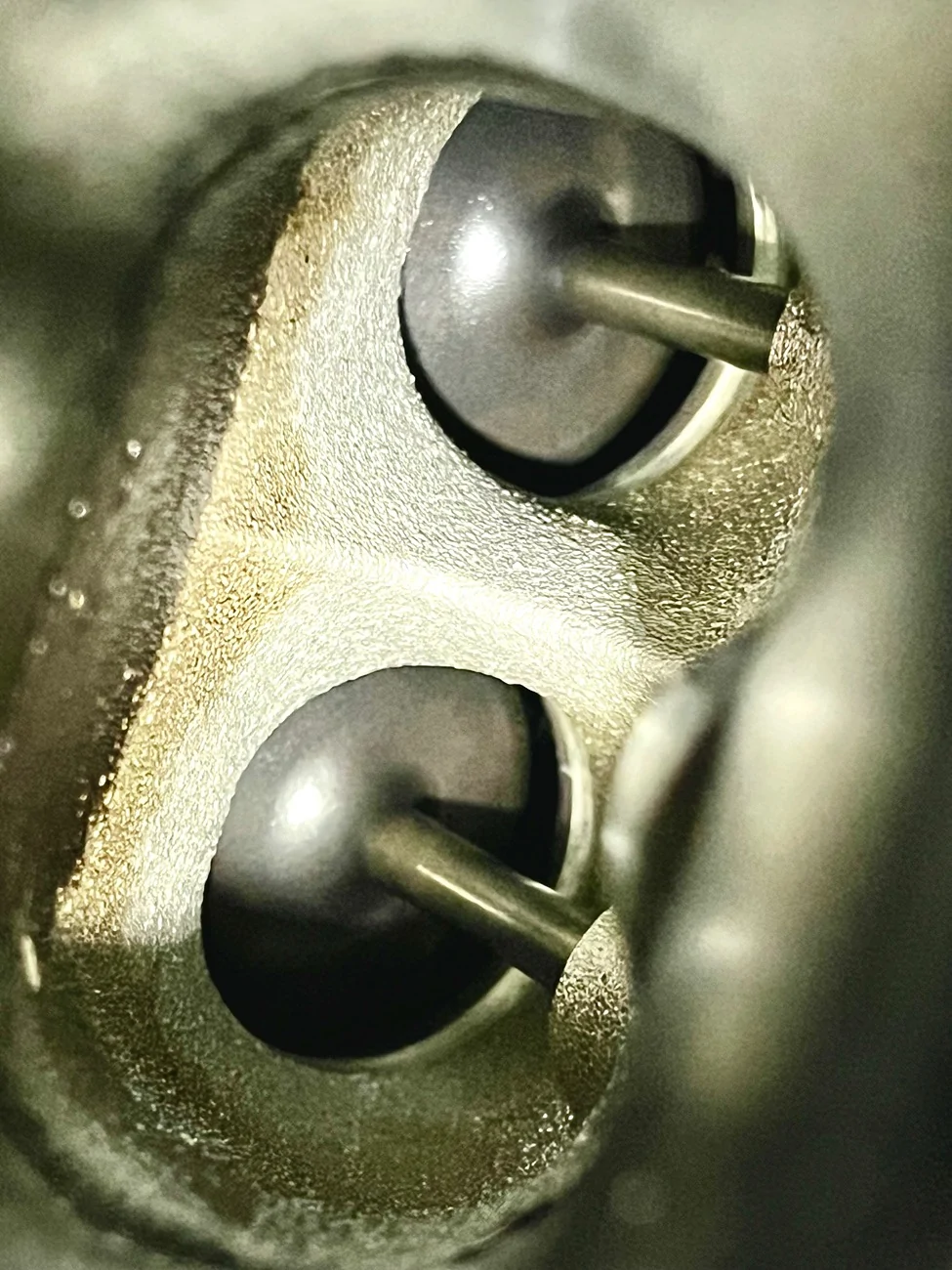
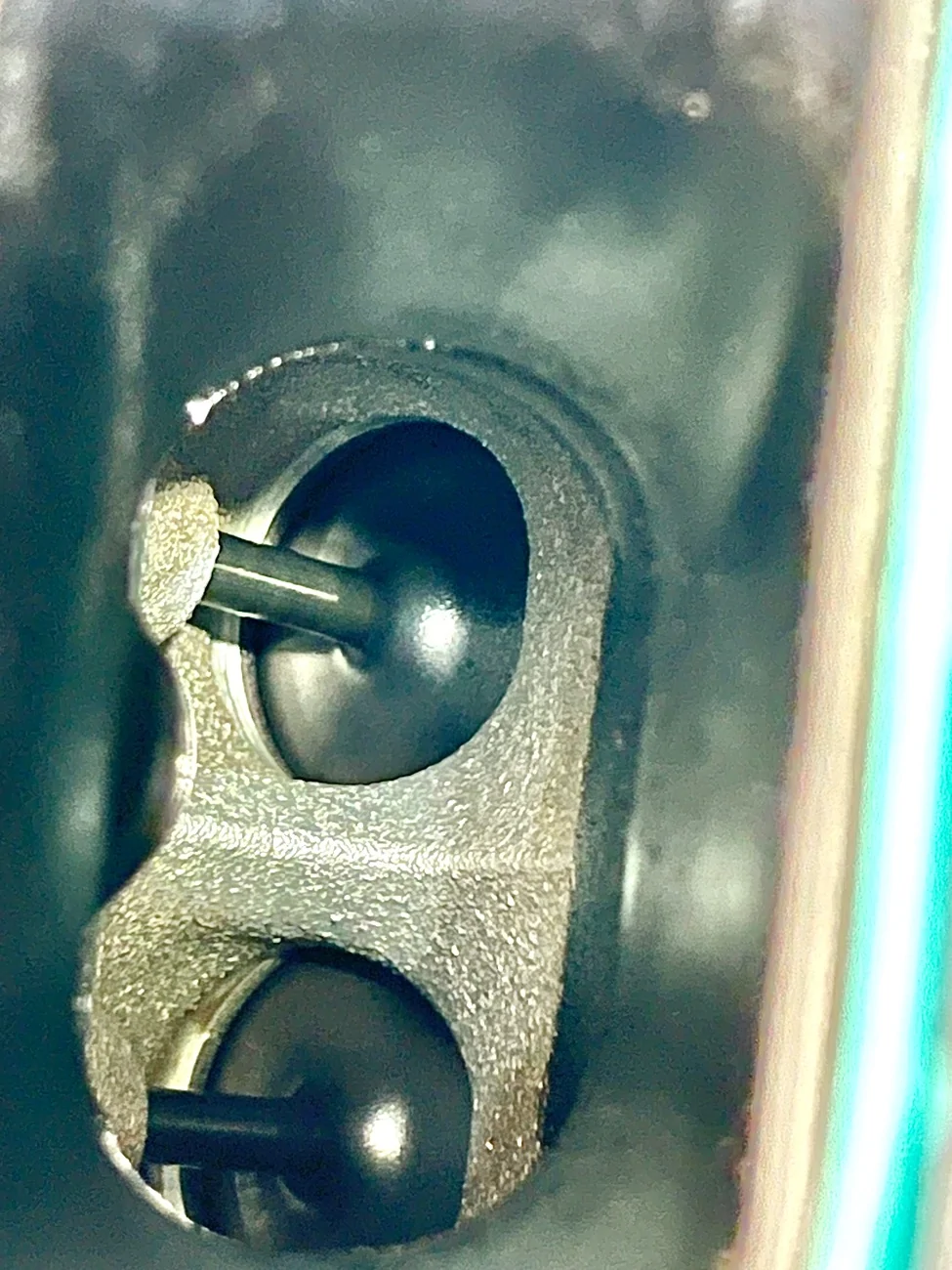
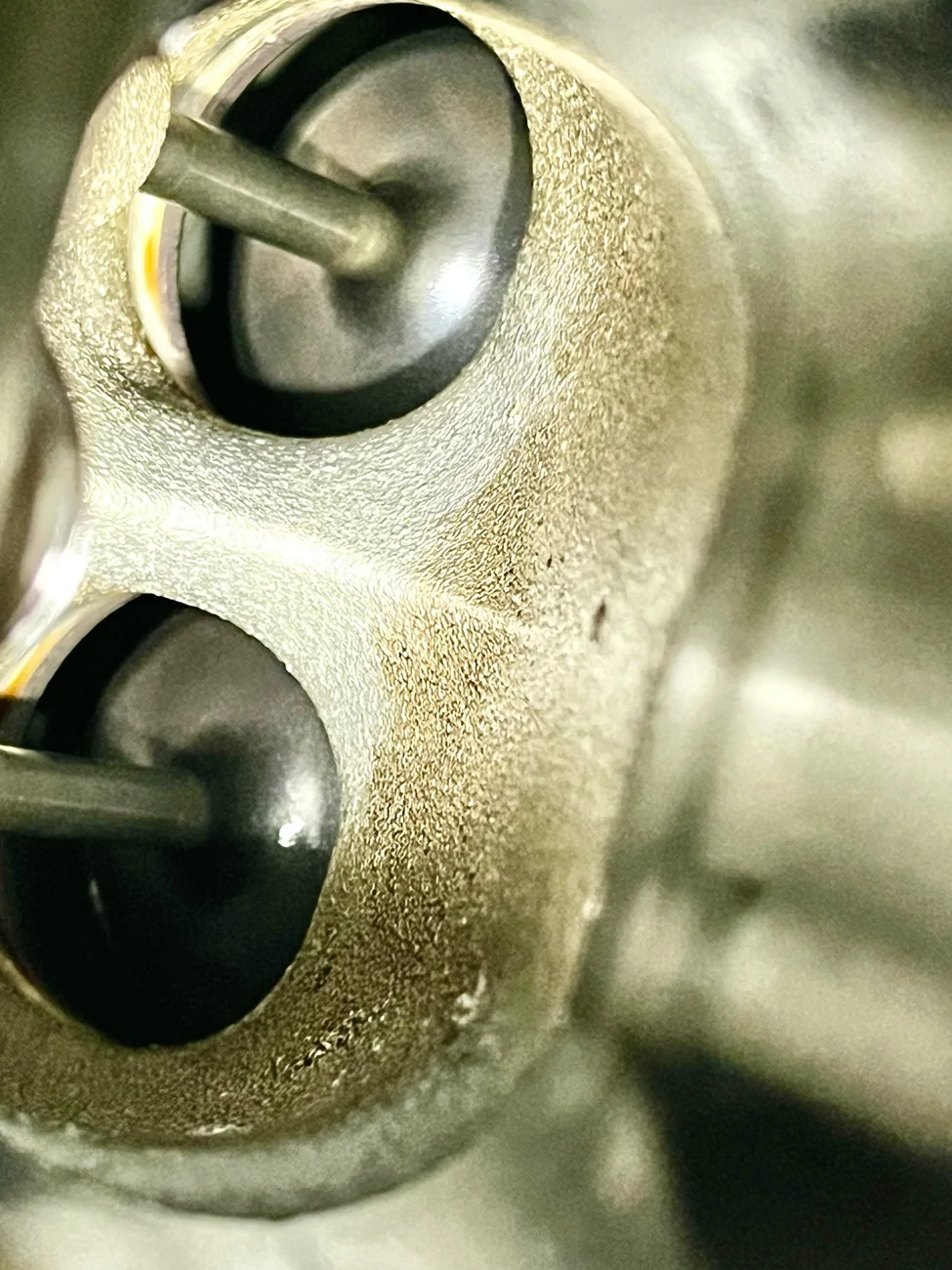
We can take comfort in knowing we have port injection and not direct injection. Here’s what our valves look like for having gas wash over them. I was changing out my spark plugs at 60k kms and took these pics.

IMG_2614.webp
Came here to say this is why direct injection requires MORE maintenance, the ethanol in the fuel doesn't touch the back of the valves allowing more carbon/contamination deposits (EGR, PVC, etc) and REQUIRES 40-60k mile top-end teardowns for "media blasting" of the heads and valves.

This service is NOT covered and is an out-of-pocket expense every 40-60k miles. Or don't do them and watch your valves start to stick, flow worse (worse mpg/power), intermittent CELs, and power delivery issues (not always but can and has been a thing).

DI is simply better for emissions as it CAN allow for more complete combustion in lower rpms (city driving), but actually is worse for top end power which is why performance vehicles use 2 sets of injectors: DI for low rpm/emissions around town, and MPI (Multi-Port) for everything else.
- The BRZ/FRS/GT86 use this design as the engine spins over 8k rpm, and DI just can't effectively do its job with those pulse rates.
 

Sponsored

SaiintNick

Well-Known Member
First Name
Jeff
Joined
Jan 11, 2025
Threads
3
Messages
632
Reaction score
1,211
Location
St George, Utah
Vehicle(s)
2024 Mojave
Occupation
Soccer Coach
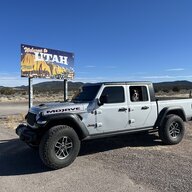
I have always used non ethanol in my Gladiator since I have easy access here in Utah. Not sure if they are actually putting more ethanol in the gas, but I'm glad I have access to non ethanol. Have no idea if it makes any difference or if it's better/worse, but I don't like the ideas of more ethanol.
 

bmpcamry09

Well-Known Member
First Name
Brad
Joined
Feb 28, 2026
Threads
4
Messages
96
Reaction score
143
Location
IL
Vehicle(s)
2025 JLU 3.6
Came here to say this is why direct injection requires MORE maintenance, the ethanol in the fuel doesn't touch the back of the valves allowing more carbon/contamination deposits (EGR, PVC, etc) and REQUIRES 40-60k mile top-end teardowns for "media blasting" of the heads and valves.

This service is NOT covered and is an out-of-pocket expense every 40-60k miles. Or don't do them and watch your valves start to stick, flow worse (worse mpg/power), intermittent CELs, and power delivery issues (not always but can and has been a thing).

DI is simply better for emissions as it CAN allow for more complete combustion in lower rpms (city driving), but actually is worse for top end power which is why performance vehicles use 2 sets of injectors: DI for low rpm/emissions around town, and MPI (Multi-Port) for everything else.
- The BRZ/FRS/GT86 use this design as the engine spins over 8k rpm, and DI just can't effectively do its job with those pulse rates.
DI/PI split is the way to go and would be the best setup for every manufacturer out there in my opinion, most of the Ecoboost models I work on are DI/PI split, and with a healthy low pressure side and a couple tuning tweaks, those fuel systems can sustain 500 plus HP.

The PUG 3.6 could EASILY be rated 310 HP/280 TQ if they integrated DI into the mix while keeping PI supplemental, while probably kicking MPG ratings up a smidge at the same time. The evaporative effect that the fine mist from the DI side produces allows for cranking up spark timing quite a bit and better temperature and knock management. I don't think Stellantis has any plans for that unfortunately.
 

Flyin6

Well-Known Member
First Name
Don
Joined
Jan 2, 2023
Threads
18
Messages
1,320
Reaction score
1,790
Location
Kintuckee
Vehicle(s)
22AEV JT370, 24 Ram 3500, 22 Caddy XT6
Build Thread
Link
Occupation
Aviator, rotary and fixed wing, Writer
That video was truly excellent, although a bit too technical for us non-engineers.
I would describe myself as a junior enthusiast with respect to lubricants and fuel chemistry. There is just so much hype and BS out there because at the end of the day, companies want to sell their product.
From my racing days, I knew from experience the benefit of high-octane fuels. Speaking for a friend, while flight training in the piston airplanes, he would grab a couple of 5-gal cans of 100 Octane aviation fuel for his various performance vehicles. That's a story in of itself, but after I, err, he figured it out, racing nights were always good.
As a result of those early years, I mostly use premium in my Gladiator. The only time I use lower-octane gas is when I travel westward, where it is not easy to find higher-octane gas. In Wyoming, Montana, Colorado, and parts of Utah, premium was something like 90 octane!
Anyway, along the way, I have disassembled dozens of engines. I observed that lower-RPM engines, such as a typical Chevy small-block in a Grand Paw pickup, often had clogged intake valves. Conversely, the BOSS 302 (Yep, I owned a real one!) or the Z-28 owner enjoyed relatively clean valves, at least the ones that he did not drop onto a piston at 8700 RPM.
Getting back to the Pentastar. When I would get stuck with not finding premium, and maybe it is psychological, but regular octane fuel did not run as well.
The Top-Tier fuel is a real thing. Having read a study showcasing Costco fuels, the evidence speaks for itself. In my Gladiator, there has almost always been Costco 93. Looking at the cost delta between regular and premium, a tank of the good stuff is, what, $15-$20 more?? That's not enough to give two craps about.
My new 6.4 Hemi will, by necessity, live on a strict diet of the good stuff, nuff said
My tow vehicle is a low RPM Cummins-powered beast. Stock it has/had 1075 ft/lbs torque (And it isn't stock!). I used to add a quart of automatic transmission fluid to every fill-up, but am now experimenting with some additives. After viewing the clip, I think I am going to scrutinize those a bit more closely.
 

ItsmeMrWright

Well-Known Member
First Name
Steven
Joined
Apr 17, 2025
Threads
9
Messages
80
Reaction score
68
Location
So Cal
Vehicle(s)
2025 Jeep Gladiator Nighthawk
Occupation
Electrical Estimator
Finally a video that explains octane and ethanol in a way that makes sense (to me). They’ve also include an explanation of sulphur in diesel for the diesel owner.
They also discuss…’but my engine is engineered for 87’..
That was quite informative. I have a perpetual email thread going with some folks who are chemical engineers who recently discussed engine fuels. They concurred that the bigger brands like Shell and Mobil are worth the extra money due to their superior formulations to guard against engine deposits and wear. Very analogous to engine oils, you do get what you pay for. I'm paying $6.19 for 87 octane at 7/11 in SoCal. I only drive 4k miles a year. So I am making the switch next fill up.
 

Flyin6

Well-Known Member
First Name
Don
Joined
Jan 2, 2023
Threads
18
Messages
1,320
Reaction score
1,790
Location
Kintuckee
Vehicle(s)
22AEV JT370, 24 Ram 3500, 22 Caddy XT6
Build Thread
Link
Occupation
Aviator, rotary and fixed wing, Writer
That was quite informative. I have a perpetual email thread going with some folks who are chemical engineers who recently discussed engine fuels. They concurred that the bigger brands like Shell and Mobil are worth the extra money due to their superior formulations to guard against engine deposits and wear. Very analogous to engine oils, you do get what you pay for. I'm paying $6.19 for 87 octane at 7/11 in SoCal. I only drive 4k miles a year. So I am making the switch next fill up.
Wow, $6.19/gal for regular?
That's more than $2 a gallon, more than in northern Kentucky. Why the huge difference, Taxes??
Sponsored


Top