
MPMB
Well-Known Member
Wow. Talk about cherry picking and putting words into people's mouths. <facepalm>
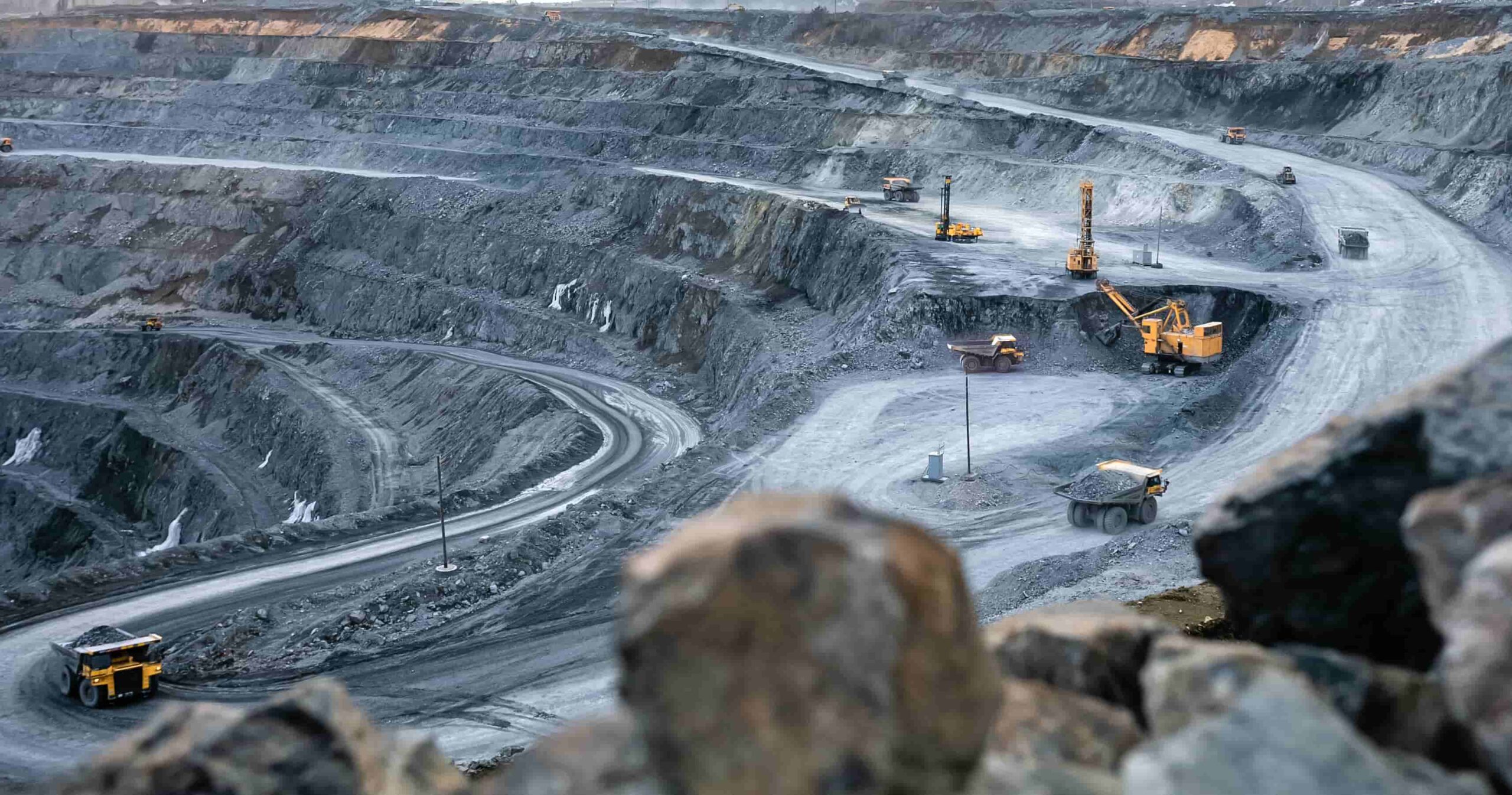
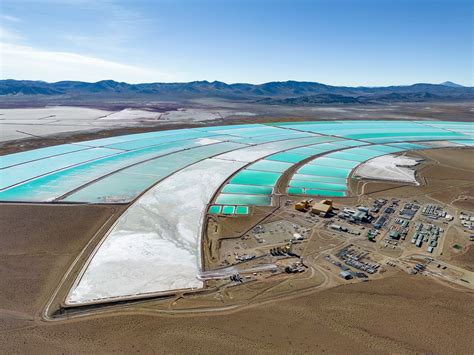
Lithium mines:


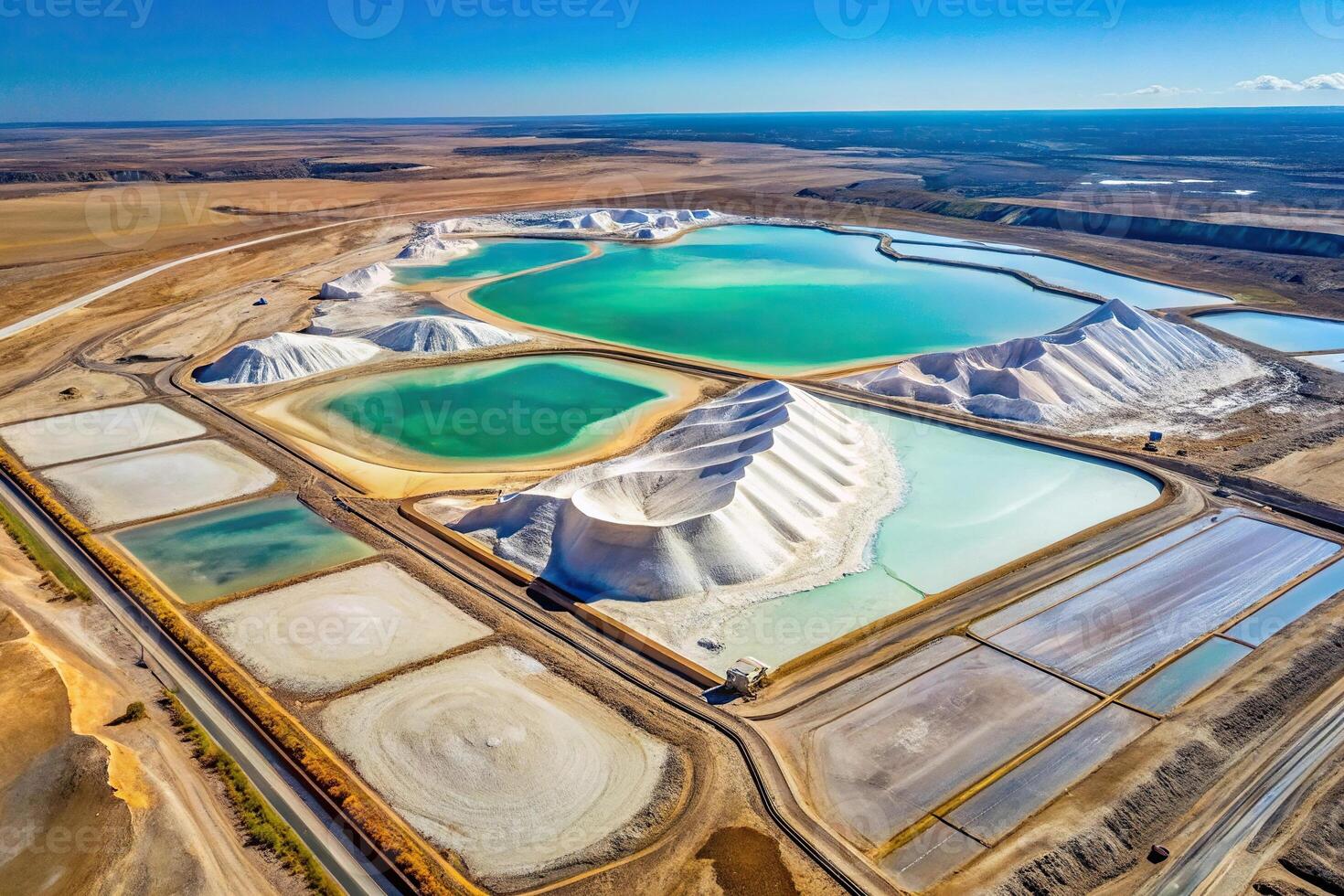
Petroleum mining:


Lithium mining became a bad thing because of China, which is mostly a red herring. Australia actually produces most of the lithium. But overall, the physical act of lithium mining is much more invasive and worse than petroleum extraction. Sure, you can argue refineries, etc., and all that BS, but lithium needs to be "refined" as well. You don't just pull it from the ground and stick it in a battery.
Both impact the environment in a number of different ways. One is not more inherently worse than the other, nor is one dramatically more dangerous to the environment, although I tend to believe lithium extraction is worse right now because it's "new," versus the 100+ years of oil extraction the world has been doing. I think there's a greater chance of lithium and other metals contaminating water supplies compared to petroleum extraction.
Moving to EVs:
I don't think anyone's saying they're worse than a gas vehicle. I actually think most here wouldn't mind using an EV if it made sense for them. I think someone just wants to play victim and be insecure.
An EV would totally work for me to commute. But I don't commute. I WFH. The wife and I drive a significant distance (more than 5mi) maybe 3x a week.
When I discuss range, I'm very specific about my range usage. Our vacations are destination vacations. We don't drive 45min to a campsite and spend a week there. Our shortest drive used to be 8 hours to our favorite places. Often 12-16 hours, depending on the season. Now we're about 6 hours from Jackson.
Shortest distance to Jackson, WY is ~310mi, so many EVs would make it. However, there are limited charging options at Gros Ventre campground and Jenny Lake campground (none). And that's if we want to pay ~$65/night for a dirt pad (I can't remember what the rates are, but I know they've gone up over the past 5 years. It wasn't too long ago it was $39/night) or choose a dispersed site for free - where it's usually quieter.
And only I'm not going to spend a day or two of my vacation wandering around town while my EV charges at the local Whole Foods.
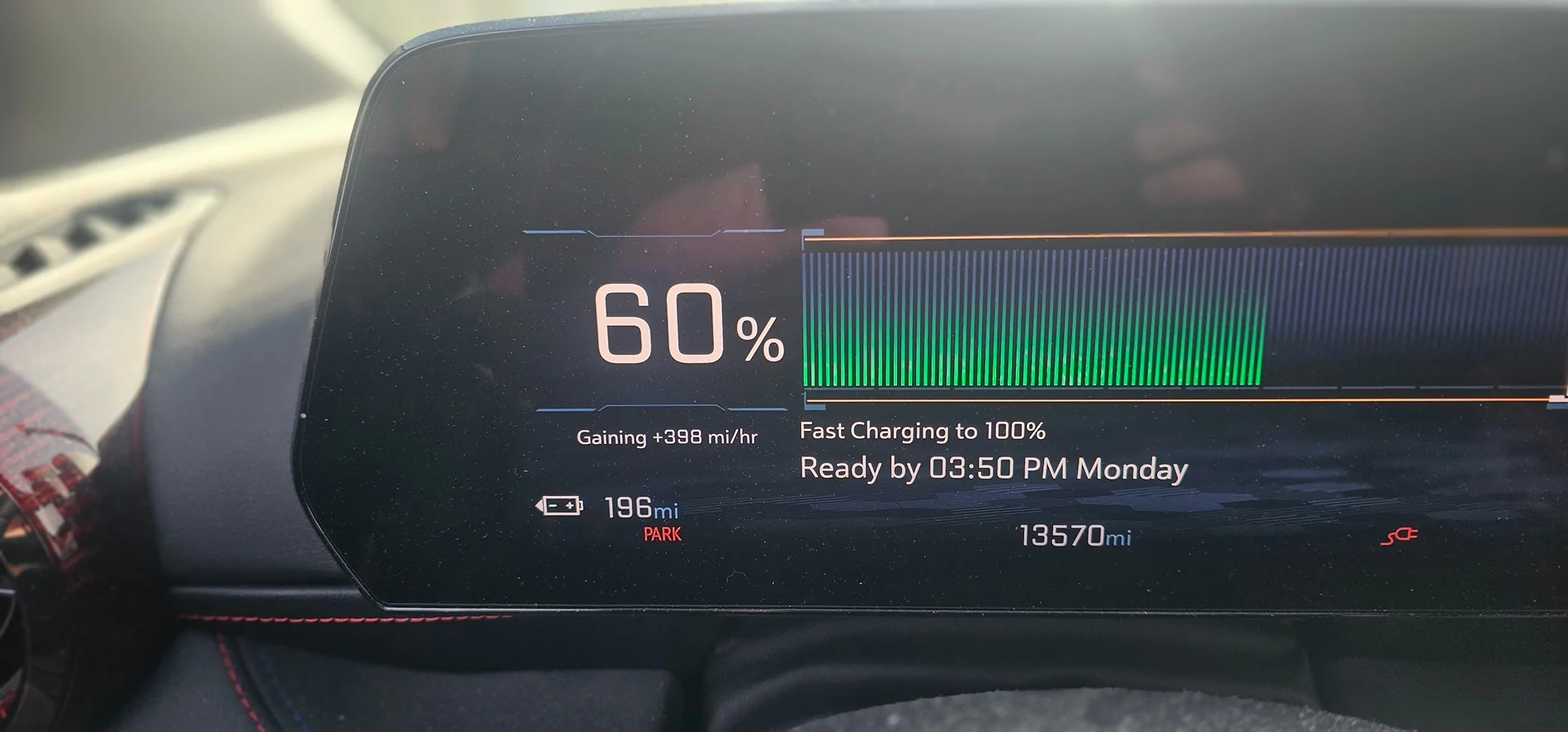
I can't get to Yellowstone in under 8 hours in an EV. I can't get to Glacier NP in under 12 hours in an EV. Anywhere I go I'll have to stop for an extended period of time to charge the EV. Even using a fast charger, I'm still looking at 20-30min of wait time. And at an average rate of $.346/kWh, that could be an additional $17-20 to charge. Way to really sell me on the "it's basically free to charge" argument.
Until EVs can charge nearly as fast as it takes to fill up a gas vehicle, EVs are off the table for me. Or I get a substantial raise where I can have an extra car payment and not care about it.
Now, if "we" were actually really serious about moving to EV, 80-90% of the EVs produced would be priced at an MSRP of $25,999 or lower and still look like the ones they produce now. Manufacturers need to own the power distribution side to get money on the long run.
Amount of Homes Ready for Solar:
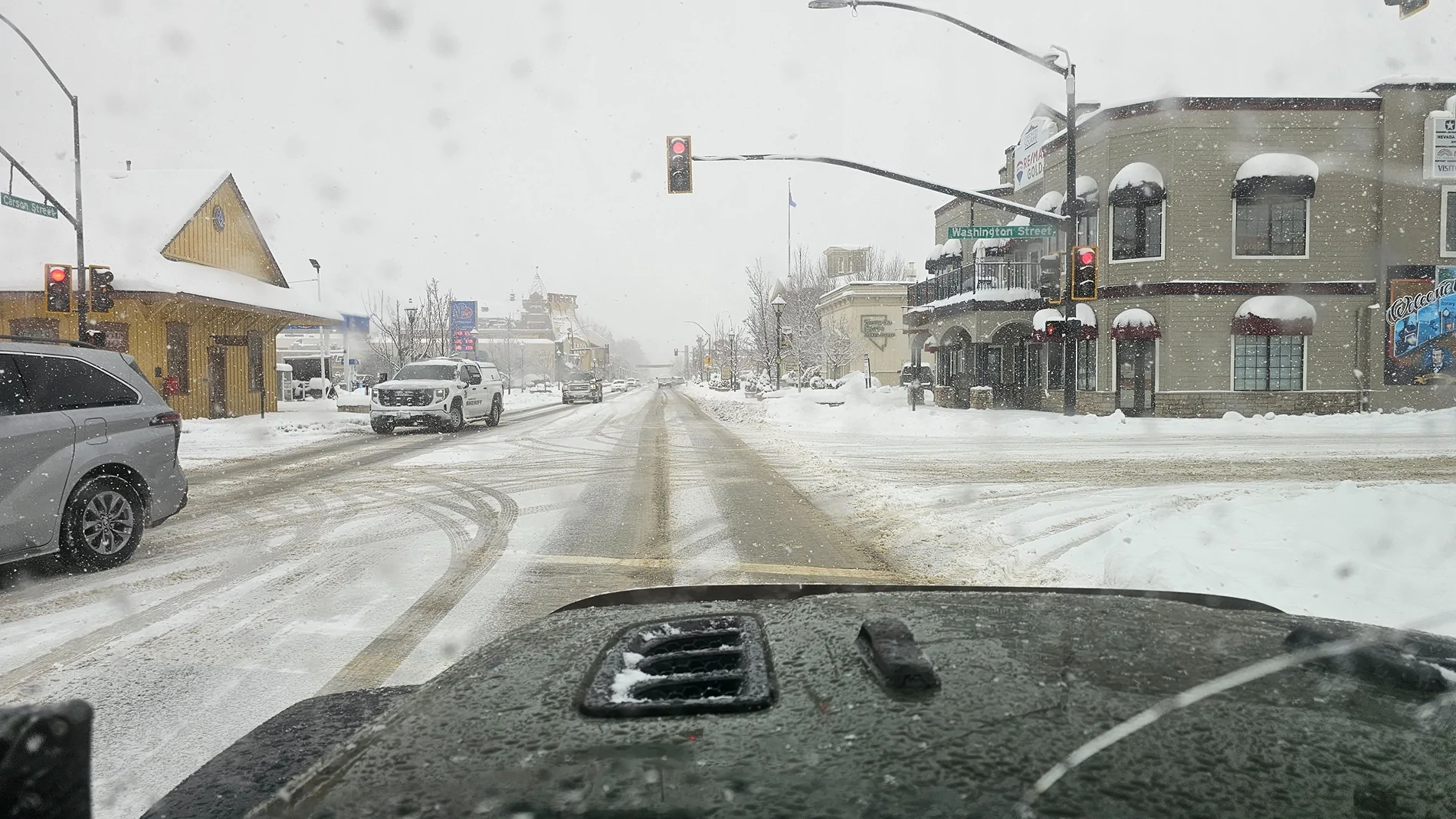
I used to live in WA. Solar power is pretty much pointless unless you live on the eastern part of the state or you have a ton of money to buy a huge system. Not enough sun. I did a few calculators to see if it was worth installing a solar power system.
Based on my roof size, house orientation, and location, I would be lucky if my break-even point would be 20 years. The most optimistic timeline put it at 17 years. The others were 21-22 years. And that wasn't including a battery system to run my house for 3 days if we lost grid power for any amount of time.
A big part of the equation is my climate - A/C isn't a huge demand here - and electricity costs - hydroelectric has provided super cheap power for years. The most my power bill ever was in WA was just over $120. In December, when we left our C9 Christmas lights on - all day, all night. Electric furnace, gas water heater (I didn't build the house).
I'm not absolutely positive, but I think everyone who lives north of the 45th parallel has significantly limited winter daylight hours.
Seattle gets 8hrs 25min of daylight on Dec. 21. From Sept 25 to Mar 17, Seattle gets less than 12hrs of daylight. Where I am now, I get an extra hour of daylight on Dec 21 - 9hrs 15min.
San Diego gets 10 hours of daylight on the shortest day of the year.
The only people who are really ready for solar (on a massive scale) - without extraneous panels - are those in the sunbelt region. It's a hit-or-miss for middle America, and the northern states... good luck on making it cost-effective and attractive.
Overall Cost
That's really the issue, isn't it? EVs initial purchase prices is more expensive on average, are they not? And with the amount of electrical systems and software, if something goes wrong, the average car buyer can't fix it (can the average car buyer fix gas vehicles now? Debatable.). It will be more expensive to fix, since it has to go to a dealership or EV tech.
And batteries degrade over time. They cycle out. Eventually they should come down in price - or at least stay the same while everything else goes up (yay inflation! <rolleyes>). What's the price for a new battery? $10,000, $15,000, $20,000? While it may be 10 years or 20 before a new battery is needed, someone is going to need one. A replacement ICE for most vehicles don't approach that cost.
A lot of people don't consider TCO, they just look at the price chunks. Down payment. Monthly payments. Set of tires. Engine replacement. Work not covered by warranty.
They don't consider oil changes, fuel costs, maintenance costs, etc. Why? Probably because in 4-5 years, they're trading their not-maintained vehicle in on the new hotness.
Lithium mines:
Petroleum mining:
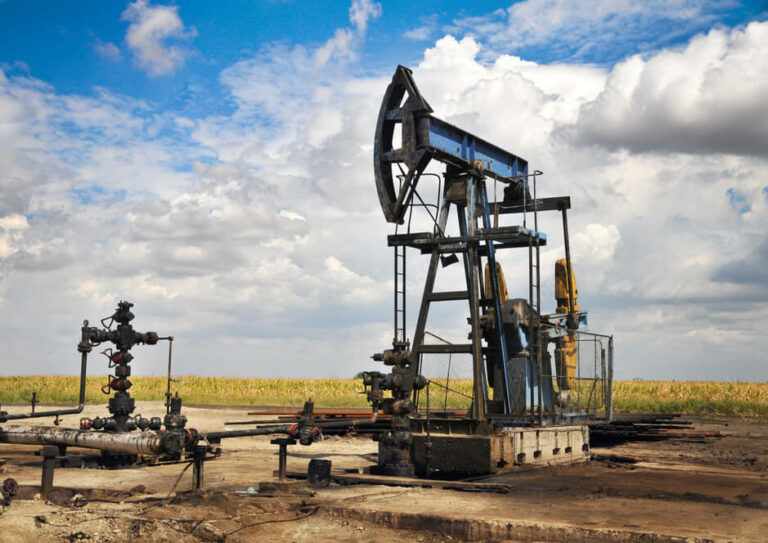
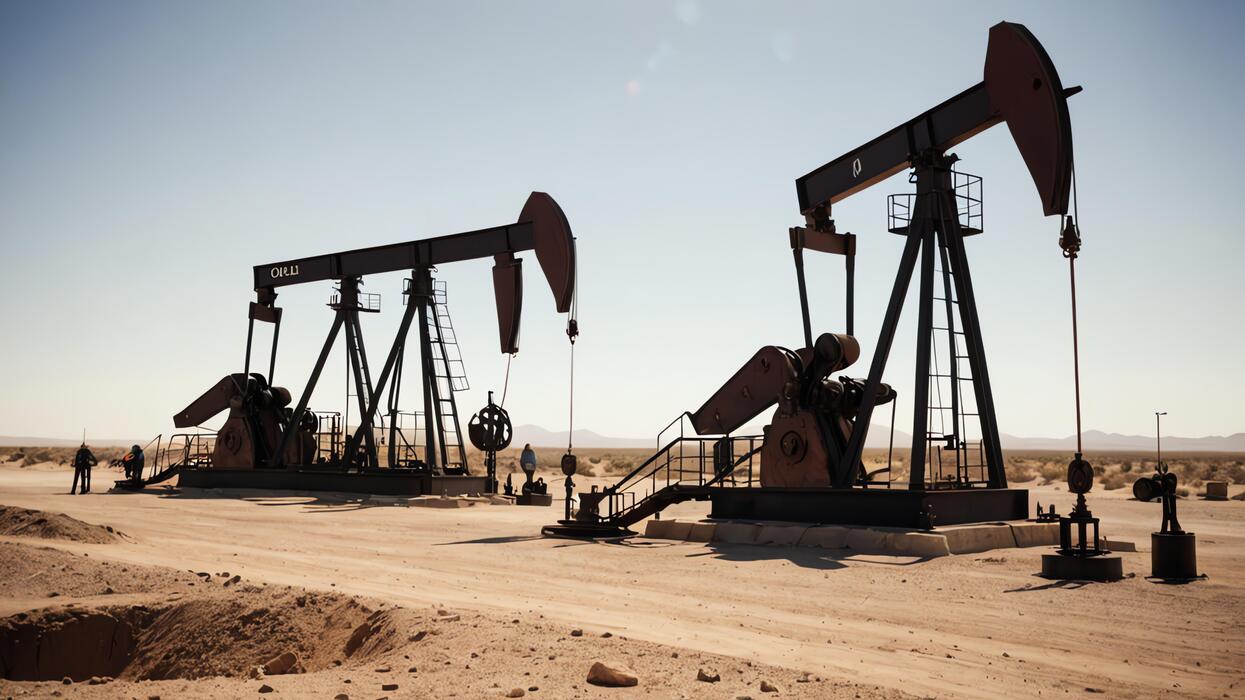
Lithium mining became a bad thing because of China, which is mostly a red herring. Australia actually produces most of the lithium. But overall, the physical act of lithium mining is much more invasive and worse than petroleum extraction. Sure, you can argue refineries, etc., and all that BS, but lithium needs to be "refined" as well. You don't just pull it from the ground and stick it in a battery.
Both impact the environment in a number of different ways. One is not more inherently worse than the other, nor is one dramatically more dangerous to the environment, although I tend to believe lithium extraction is worse right now because it's "new," versus the 100+ years of oil extraction the world has been doing. I think there's a greater chance of lithium and other metals contaminating water supplies compared to petroleum extraction.
Moving to EVs:
I don't think anyone's saying they're worse than a gas vehicle. I actually think most here wouldn't mind using an EV if it made sense for them. I think someone just wants to play victim and be insecure.
An EV would totally work for me to commute. But I don't commute. I WFH. The wife and I drive a significant distance (more than 5mi) maybe 3x a week.
When I discuss range, I'm very specific about my range usage. Our vacations are destination vacations. We don't drive 45min to a campsite and spend a week there. Our shortest drive used to be 8 hours to our favorite places. Often 12-16 hours, depending on the season. Now we're about 6 hours from Jackson.
Shortest distance to Jackson, WY is ~310mi, so many EVs would make it. However, there are limited charging options at Gros Ventre campground and Jenny Lake campground (none). And that's if we want to pay ~$65/night for a dirt pad (I can't remember what the rates are, but I know they've gone up over the past 5 years. It wasn't too long ago it was $39/night) or choose a dispersed site for free - where it's usually quieter.
And only I'm not going to spend a day or two of my vacation wandering around town while my EV charges at the local Whole Foods.
I can't get to Yellowstone in under 8 hours in an EV. I can't get to Glacier NP in under 12 hours in an EV. Anywhere I go I'll have to stop for an extended period of time to charge the EV. Even using a fast charger, I'm still looking at 20-30min of wait time. And at an average rate of $.346/kWh, that could be an additional $17-20 to charge. Way to really sell me on the "it's basically free to charge" argument.
Until EVs can charge nearly as fast as it takes to fill up a gas vehicle, EVs are off the table for me. Or I get a substantial raise where I can have an extra car payment and not care about it.
Now, if "we" were actually really serious about moving to EV, 80-90% of the EVs produced would be priced at an MSRP of $25,999 or lower and still look like the ones they produce now. Manufacturers need to own the power distribution side to get money on the long run.
Amount of Homes Ready for Solar:
I used to live in WA. Solar power is pretty much pointless unless you live on the eastern part of the state or you have a ton of money to buy a huge system. Not enough sun. I did a few calculators to see if it was worth installing a solar power system.
Based on my roof size, house orientation, and location, I would be lucky if my break-even point would be 20 years. The most optimistic timeline put it at 17 years. The others were 21-22 years. And that wasn't including a battery system to run my house for 3 days if we lost grid power for any amount of time.
A big part of the equation is my climate - A/C isn't a huge demand here - and electricity costs - hydroelectric has provided super cheap power for years. The most my power bill ever was in WA was just over $120. In December, when we left our C9 Christmas lights on - all day, all night. Electric furnace, gas water heater (I didn't build the house).
I'm not absolutely positive, but I think everyone who lives north of the 45th parallel has significantly limited winter daylight hours.
Seattle gets 8hrs 25min of daylight on Dec. 21. From Sept 25 to Mar 17, Seattle gets less than 12hrs of daylight. Where I am now, I get an extra hour of daylight on Dec 21 - 9hrs 15min.
San Diego gets 10 hours of daylight on the shortest day of the year.
The only people who are really ready for solar (on a massive scale) - without extraneous panels - are those in the sunbelt region. It's a hit-or-miss for middle America, and the northern states... good luck on making it cost-effective and attractive.
Overall Cost
That's really the issue, isn't it? EVs initial purchase prices is more expensive on average, are they not? And with the amount of electrical systems and software, if something goes wrong, the average car buyer can't fix it (can the average car buyer fix gas vehicles now? Debatable.). It will be more expensive to fix, since it has to go to a dealership or EV tech.
And batteries degrade over time. They cycle out. Eventually they should come down in price - or at least stay the same while everything else goes up (yay inflation! <rolleyes>). What's the price for a new battery? $10,000, $15,000, $20,000? While it may be 10 years or 20 before a new battery is needed, someone is going to need one. A replacement ICE for most vehicles don't approach that cost.
A lot of people don't consider TCO, they just look at the price chunks. Down payment. Monthly payments. Set of tires. Engine replacement. Work not covered by warranty.
They don't consider oil changes, fuel costs, maintenance costs, etc. Why? Probably because in 4-5 years, they're trading their not-maintained vehicle in on the new hotness.
Sponsored