Sponsored

SOLVED: Broke my Gladiator by drilling into wires

Andy29847

Well-Known Member
First Name
Andy
Joined
Oct 25, 2020
Threads
14
Messages
554
Reaction score
934
Location
South Carolina
Vehicle(s)
2020 Wrangler Rubicon, 2020 Gladiator Rubicon
Occupation
Retired
Thanks for all the great feedback. Tomorrow, my plan is to test all the fuses since I haven't done that yet. I'm also especially interested in what @Jimmy07 was just saying about fuse F33 and the driver assist module. I won't have as much time to work on the Jeep tomorrow as I did today, but I'm motivated to make time to get this working asap.

I have some bad news about the replacement wiring harness I ordered from BAM wholesale. They said the part isn't being released by Mopar yet, as they are only using it for production. On the other hand, my friend in Riverton did very clean solder splices and the wires tested good. So hopefully I don't really need a replacement harness anymore.
Say again you current symptoms.


Here is the fuse layout:

https://fuse-box.info/jeep/jeep-gladiator-2020-fuses/amp
Sponsored

 

Jimmy07

Well-Known Member
First Name
Jimmy
Joined
Sep 6, 2020
Threads
3
Messages
242
Reaction score
236
Location
Illinois
Vehicle(s)
2017 Ram 2500 2019 Jeep Cherokee
Thanks for all the great feedback. Tomorrow, my plan is to test all the fuses since I haven't done that yet. I'm also especially interested in what @Jimmy07 was just saying about fuse F33 and the driver assist module. I won't have as much time to work on the Jeep tomorrow as I did today, but I'm motivated to make time to get this working asap.

I have some bad news about the replacement wiring harness I ordered from BAM wholesale. They said the part isn't being released by Mopar yet, as they are only using it for production. On the other hand, my friend in Riverton did very clean solder splices and the wires tested good. So hopefully I don't really need a replacement harness anymore.
Just double checked some schematics, and I’m pretty sure I found your issue. When you check fuses, go straight for F89 (10 amp micro). That is the fuse for the red/blue wire you went through, and powers both the steering column control module and overhead console.
 

MrZappo

Well-Known Member
First Name
Tom
Joined
Aug 9, 2020
Threads
13
Messages
780
Reaction score
1,872
Location
Granger, Indiana
Vehicle(s)
Gladiator Mojave
Occupation
Computer Consultant
Yeah, if you use premium quality connectors, of the right size and install them perfectly with the proper tools.

This is not the typical way it goes down.

Average consumer buys cheap brand connector of the wrong size from home depot and installs them incorrectly with the cheapest crimp tool available or better yet doesn't want to buy the crimp tool and smashes it with long nose pliers.

Now, with the typical soldering skills that I see these days you may be right. Cheap connectors installed poorly may actually be better than a bad soldering job.

But let's be honest here. This is a jeep. It aint a race car so either method will serve you well if done correctly.
 

StingGrayJT24

Well-Known Member
First Name
KH
Joined
Dec 5, 2020
Threads
0
Messages
174
Reaction score
260
Location
PNW
Vehicle(s)
2020 Sting Gray Rubicon Gladiator
Thanks for all the great feedback. Tomorrow, my plan is to test all the fuses since I haven't done that yet. I'm also especially interested in what @Jimmy07 was just saying about fuse F33 and the driver assist module. I won't have as much time to work on the Jeep tomorrow as I did today, but I'm motivated to make time to get this working asap.

I have some bad news about the replacement wiring harness I ordered from BAM wholesale. They said the part isn't being released by Mopar yet, as they are only using it for production. On the other hand, my friend in Riverton did very clean solder splices and the wires tested good. So hopefully I don't really need a replacement harness anymore.
Stay positive. I think you’re on the right track. I was telling my wife about this thread and she said, sounds like your luck - he’ll get it figured out. Happy New Years! Keep us posted.
 

Andy29847

Well-Known Member
First Name
Andy
Joined
Oct 25, 2020
Threads
14
Messages
554
Reaction score
934
Location
South Carolina
Vehicle(s)
2020 Wrangler Rubicon, 2020 Gladiator Rubicon
Occupation
Retired
Yeah, if you use premium quality connectors, of the right size and install them perfectly with the proper tools.

This is not the typical way it goes down.

Average consumer buys cheap brand connector of the wrong size from home depot and installs them incorrectly with the cheapest crimp tool available or better yet doesn't want to buy the crimp tool and smashes it with long nose pliers.

Now, with the typical soldering skills that I see these days you may be right. Cheap connectors installed poorly may actually be better than a bad soldering job.

But let's be honest here. This is a jeep. It aint a race car so either method will serve you well if done correctly.

I agree with you. Anything done poorly is poorly done. In the case of solder vs crimp, I think the joints are similar. The effects of the heat and flux on the wire and the insulation outside the joint are the primary concern. Putting wires together is not the rocket science that you could be led to believe by reading this thread. The OPs first splice with the red connectors was good, After that, it was all fluff.

I applaud the OP for trying to do the work. I applaud everyone else for trying to be helpful. That is all I am trying to do, be helpful.
 

Sponsored

ShadowsPapa

Well-Known Member
First Name
Bill
Joined
Oct 12, 2019
Threads
247
Messages
40,445
Reaction score
53,872
Location
Runnells, Iowa
Vehicle(s)
'25 JTMX, '23 JLU 4xe, '82 SX4, '73 Javelin
Occupation
Retired auto mechanic, frmr gov't ntwrk security admin
Vehicle Showcase
3
You said you never heard of crimped being better than soldered. Now you have. Congrats on your advanced age and accomplishments.

https://lateral-g.net/crimping-soldering-whats-best-wiring-connection/
The problem is that most people do not have the CORRECT connectors or tools.
And the crimped connections done by most people here (*NOT ALL) would allow corrosion, oxidation and eventual failure. Most folks here can't do a proper sealed crimp. You have to consider the audience here. It takes an investment in correct tools and parts to do a crimp correctly. Going to NAPA and buying bubble packs and using a $30 tool ain't gonna cut it.
I have also built wiring harnesses and done restorations for over 40 years - never had a failure. But then I also properly seal and deal with soldered joints.
Did you know that the original harness connections for some automotive parts were SOLDERED? (and never failed that I've ever seen)
The crimp connections shown in pictures here related to his issue are NOT the sort of crimps that correctly SEAL the connection. They are basic DIY joints.
I'd dismiss the first link completely - the second is closer because Painless is using high-end tools. But the ones shown in the pic in the second aren't even the best.
The original automotive crimps are literally sealed by the crimp and take years to ever be compromised.
Since only a tiny handful of people here can do it right - I still recommend a good solder joint sealed with sealing heat shrink (it seals as you shrink it, not like the cheaper stuff)
 
Last edited:

ShadowsPapa

Well-Known Member
First Name
Bill
Joined
Oct 12, 2019
Threads
247
Messages
40,445
Reaction score
53,872
Location
Runnells, Iowa
Vehicle(s)
'25 JTMX, '23 JLU 4xe, '82 SX4, '73 Javelin
Occupation
Retired auto mechanic, frmr gov't ntwrk security admin
Vehicle Showcase
3
Putting wires together is not the rocket science that you could be led to believe by reading this thread. The OPs first splice with the red connectors was good, After that, it was all fluff.
Good? No way. Not for the bus. I'd never accept that in my vehicle, Jeep or otherwise. Those where cheap crimps and the twists were gone.
No offense intended to the OP, but if I had run across that in my shop, I'd fire that person.

And a good soldered joint is indeed an art. You should see some of the soldered joints I've run across - and had to fix. I've had parts sent to me where someone else did the "Restoration" and wires - soldered wires - pulled apart or broke.
Twists are also in network wires for a reason - there's a spec for the number of twists per foot.
 

Andy29847

Well-Known Member
First Name
Andy
Joined
Oct 25, 2020
Threads
14
Messages
554
Reaction score
934
Location
South Carolina
Vehicle(s)
2020 Wrangler Rubicon, 2020 Gladiator Rubicon
Occupation
Retired
The problem is that most people do not have the CORRECT connectors or tools.
And the crimped connections most people here (*NOT ALL) would allow corrosion, oxidation and eventual failure. Most folks here can't do a proper sealed crimp. You have to consider the audience here. It takes an investment in correct tools and parts to do a crimp correctly. Going to NAPA and buying bubble packs and using a $30 tool ain't gonna cut it.
I have also built wiring harnesses and done restorations for over 40 years - never had a failure. But then I also properly seal and deal with soldered joints.
Did you know that the original harness connections for some automotive parts were SOLDERED? (and never failed that I've ever seen)
The crimp connections shown in pictures here related to his issue are NOT the sort of crimps that correctly SEAL the connection. They are basic DIY joints.
I'd dismiss the first link completely - the second is closer because Painless is using high-end tools. But the ones shown in the pic in the second aren't even the best.
The original automotive crimps are literally sealed by the crimp and take years to ever be compromised.
Since only a tiny handful of people here can do it right - I still recommend a good solder joint sealed with sealing heat shrink (it seals as you shrink it, not like the cheaper stuff)

In your next post you said making a good solder joint is an art. I agree with this. You still need a good mechanical connection (twist or square knot), clean wire, the right kind of solder, the right size of solder iron with the right tip on it, good quality heat shrink, a tool to make the heat shrink do it's magic, room to work, and some experience. Crimp joints are not that complicated. A good crimp joint does result in the part of the wire under the crimp being cold welded. This is the seal you speak of. This is especially important in high load connections like batteries (BTW, good battery cables are crimped). There is no seal outside the joint. That's where the heat shrink comes in. IMHO, low load connections do not require the same care. Cheap connectors and a $10 crimp tool is fine for 16 gauge automotive wire. Can Bus wire has 1 twist per inch. Losing some of the twist in a run is common (lots of connections). Can bus voltage is ~ 5v. My career was in the telephone business, primarily in data transmission for the last 20 years. My hobbies have been RC airplanes, Motorcycles, and now Jeeps.

We can jabber on all night. The fact is the OP didn't fix his problem with crimp connections or with solder connections. Something else is wrong.
 

Factoid

Well-Known Member
First Name
Mark
Joined
Dec 2, 2019
Threads
23
Messages
958
Reaction score
1,827
Location
San Antonio, TX/Mahopac, NY
Vehicle(s)
2020 Gladiator 2019 Porsche Cayenne 1964 Corvette
Occupation
Performance Coach
frankly, it is easier to make a good crimp than a good solder joint. Somewhere between a cold solder joint where the solder is basically dripped on and a fragile joint where if some solder is good then more is better causing the solder to wick up the wire often melting the insulation making the joint brittle is a good joint. In both cases, heat shrink is your friend as it not only insulates but reinforces the joint. In a solder joint, you want the wire to melt the solder, not the iron without applying too much or allowing wicking. In a crimp, you want a tight crimp that is not so tight it cuts wire strands or so loose that the wire pulls out.

On a Navy ship, solder is king and it must survive not only mechanical stress, but potential corrosive salt spray. There is a milstd for soldered joints and crimping is rarely allowed. Since my Navy days which ended in 1986, I have been the go to wiring guy for several car clubs and have installed some degree of wiring in hundreds of cars from a full harness replacement to custom wiring to simple sound system or a/c wiring. I only use crimp and heat shrink, but that is a personal preference. Either can outlast the owner if done correctly.

OP, I hope the fuse fixes this, but either way, please replace the wiring harness. Regardless of how great the repair job on the oem harness, it should be considered a temporary fix. Best of luck!
 

Sponsored

Andy29847

Well-Known Member
First Name
Andy
Joined
Oct 25, 2020
Threads
14
Messages
554
Reaction score
934
Location
South Carolina
Vehicle(s)
2020 Wrangler Rubicon, 2020 Gladiator Rubicon
Occupation
Retired
On a Navy ship, solder is king and it must survive not only mechanical stress, but potential corrosive salt spray. There is a milstd for soldered joints and crimping is rarely allowed.
The Navy likes solder. The Air force like crimps. I'm not surprised they are dirrerent. :)

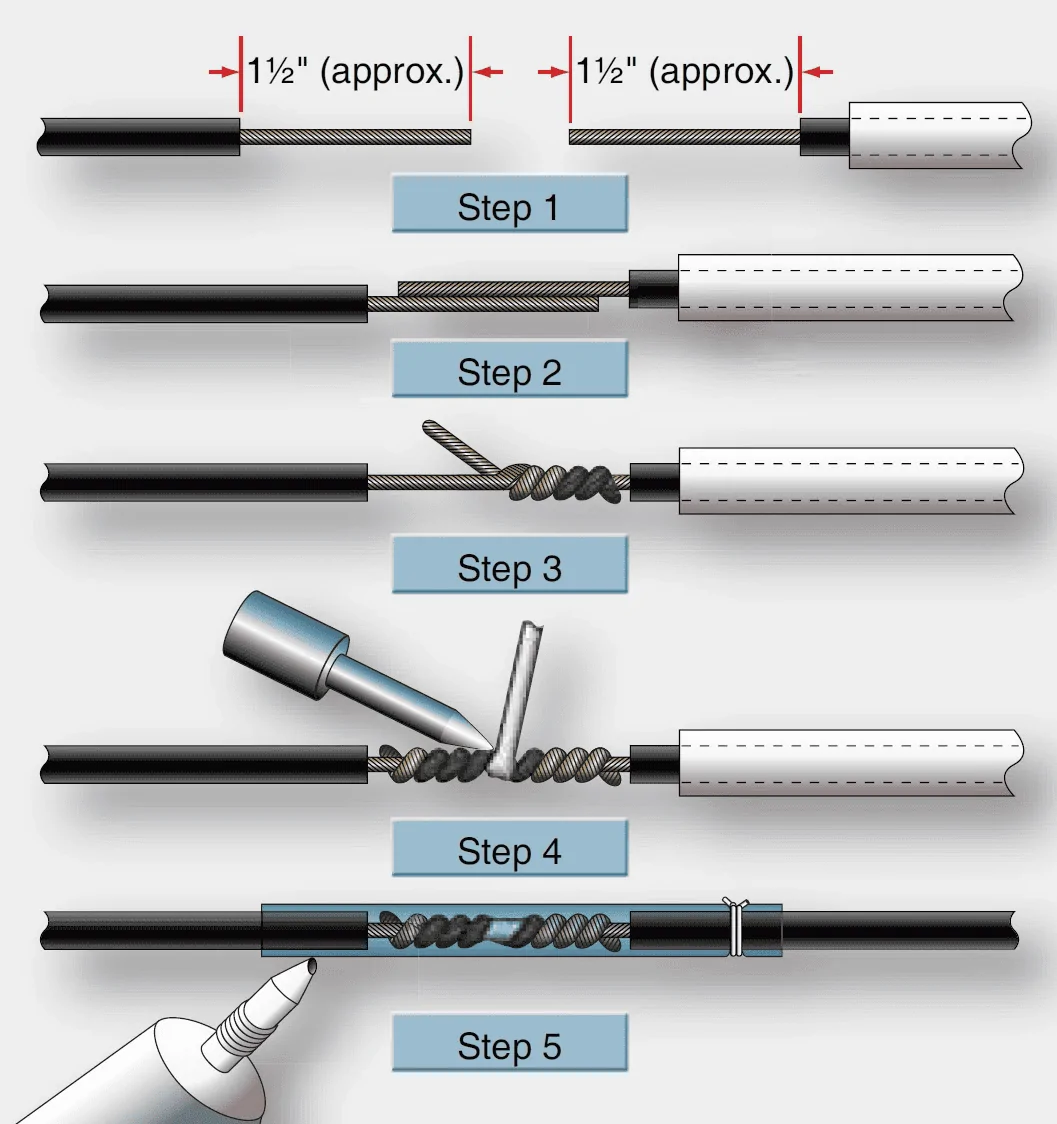
Here's how (aircraft specs). I've never seen a solder joint like this. Everybody seems to think the more solder, the better.

Jeep Gladiator SOLVED: Broke my Gladiator by drilling into wires 1609515093958


And if you are really OCD:
AC 21-99 Aircraft Wiring and Bonding (aircraftspruce.com)

Happy New year to all!
 

WK2JT

Well-Known Member
First Name
Darren
Joined
Mar 11, 2020
Threads
18
Messages
806
Reaction score
832
Location
Highlands Ranch, CO
Vehicle(s)
JTC
Vehicle Showcase
1
Thanks for all the great feedback. Tomorrow, my plan is to test all the fuses since I haven't done that yet. I'm also especially interested in what @Jimmy07 was just saying about fuse F33 and the driver assist module. I won't have as much time to work on the Jeep tomorrow as I did today, but I'm motivated to make time to get this working asap.

I have some bad news about the replacement wiring harness I ordered from BAM wholesale. They said the part isn't being released by Mopar yet, as they are only using it for production. On the other hand, my friend in Riverton did very clean solder splices and the wires tested good. So hopefully I don't really need a replacement harness anymore.
Salvage yard for the harness? Not sure, it could be a wild goose chase.
 
OP
OP
jeephambikepcpets
First Name
Roger
Joined
Dec 25, 2020
Threads
1
Messages
15
Reaction score
78
Location
Spanish Fork, Utah
Vehicle(s)
2021 Jeep Gladiator Sport
Occupation
System Administrator
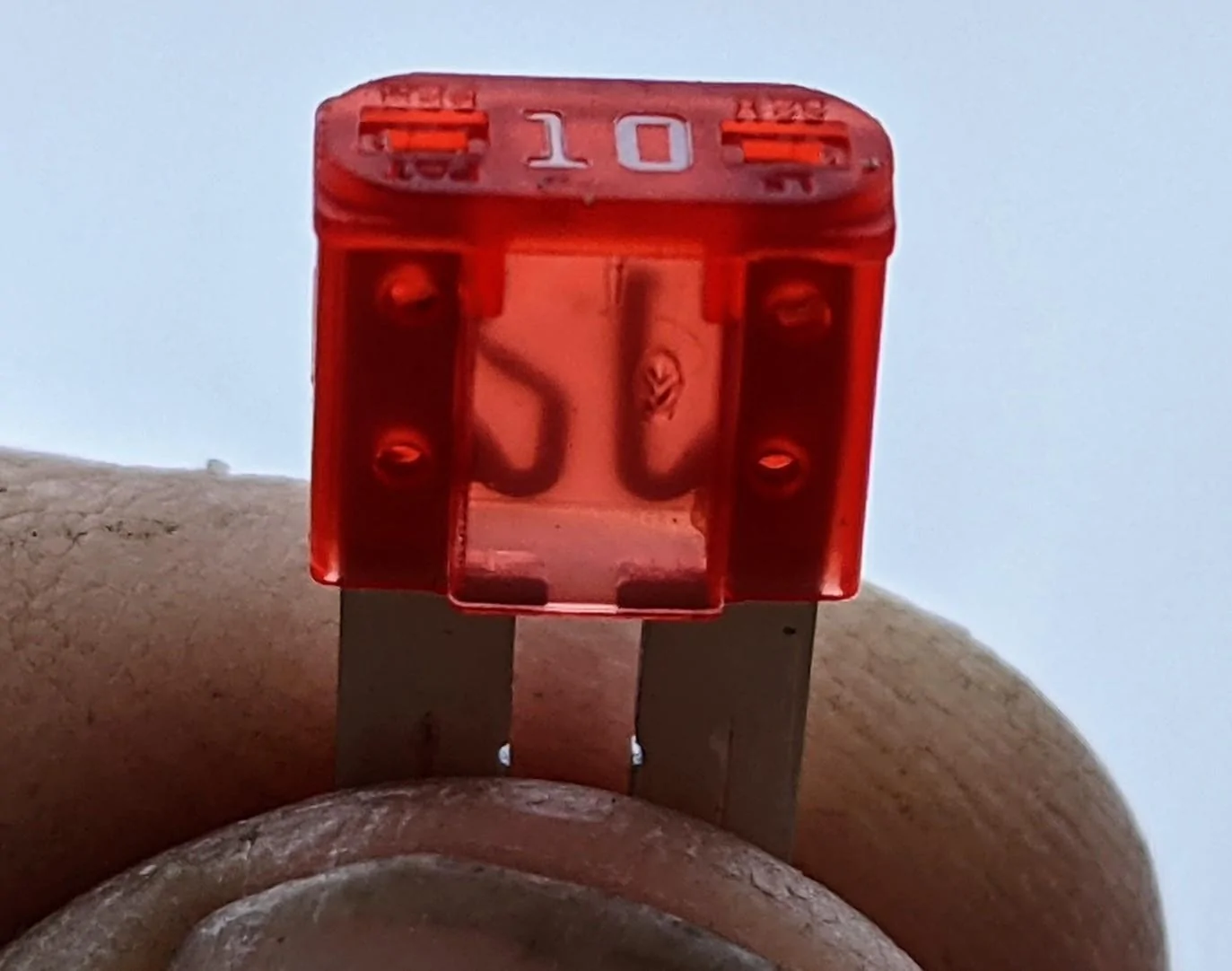
Just double checked some schematics, and I’m pretty sure I found your issue. When you check fuses, go straight for F89 (10 amp micro). That is the fuse for the red/blue wire you went through, and powers both the steering column control module and overhead console.
You fixed it! The windshield wiper stopped as soon as I replaced the fuse. All the steering wheel controls function now. The only remaining problem is the dash saying to service traction control. I'll see if I can clear that code and if it stays away.

Jeep Gladiator SOLVED: Broke my Gladiator by drilling into wires PXL_20210101_155331378
 

ShadowsPapa

Well-Known Member
First Name
Bill
Joined
Oct 12, 2019
Threads
247
Messages
40,445
Reaction score
53,872
Location
Runnells, Iowa
Vehicle(s)
'25 JTMX, '23 JLU 4xe, '82 SX4, '73 Javelin
Occupation
Retired auto mechanic, frmr gov't ntwrk security admin
Vehicle Showcase
3
Bottom line, you can justify either type till the cows come home. Either can fail, either can be done poorly.
People often forget the major reason automotive joints are crimped (and special tools and connectors were devised to make this easier and faster)
Logistics. Imagine soldering hundreds of connections, now even more, in an automotive harness. They must be done quickly, minimal effort, and last for as long as needed (warranty or expected life of vehicle) Solder joints? LOL - if for no other reason at all - SPEED. Why were torx and pozi-driv fasteners invented? Automotive assembly, plain and simple. Automation.
Printed circuit boards are soldered by running them through solder, not by human hands (unless you consider the turbo-compressor controllers built where I used to work - those were pretty much all custom made in-house)

I have 3 large tubs of automotive harnesses and another of pigtails and more and can show a lot of failures around crimps because of the copper work-hardening and breaking at the terminal. But if those had a sleeve or heat shrink, that would not have happened.
I can show examples of solder joints used in automotive by the millions (used by Dodge, Chrysler, Plymouth, AMC, Jeep, Studebaker and more - millions of them, no failures)
So frankly you can justify either and prove that either or both work just fine IF done correctly.
Crimp, if not sleeved or some sort of stress relief used, the wires will fail next to the crimp.
Similar for solder - but for automotive it's far more time consuming. However, is saves space - imagine the wiring in my SX4 connecting dozens of wires from the PCM and PDC had I used crimp connections instead of solder. Same for when I replaced the fuse panel and merged two harnesses at the same time. Solder joints - saved space and now pass as a factory look with no bulk, and are tightly sealed.
But imagine making some of the harnesses used in Jeeps by using solder, what a disaster and the TIME........

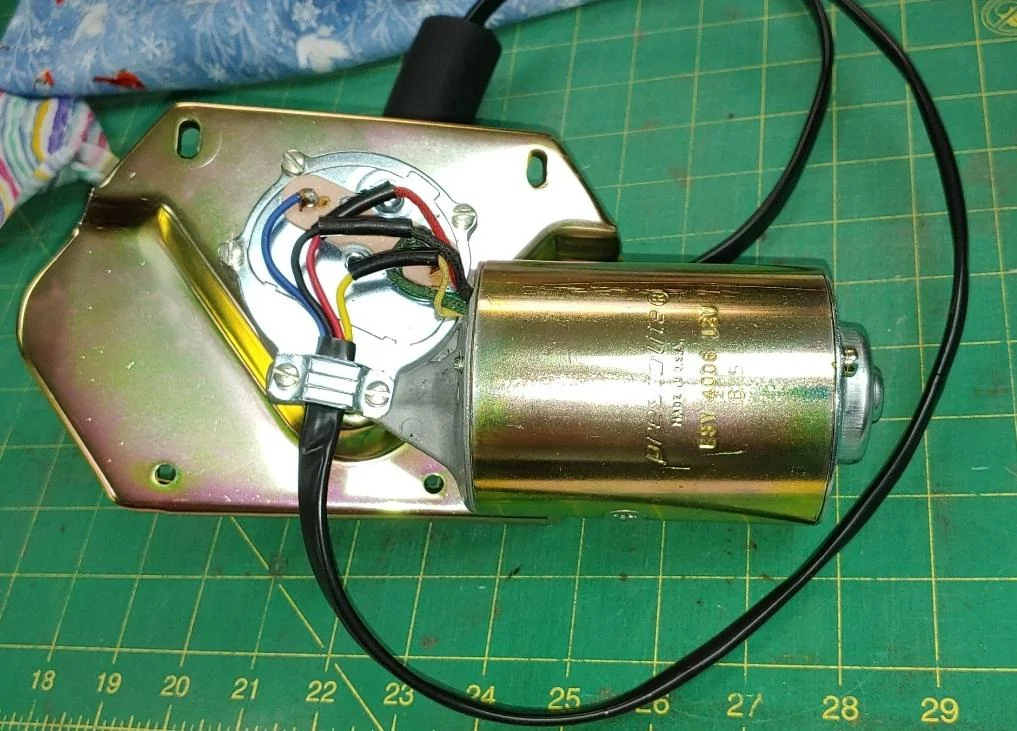
Solder joints - millions of these motors were produced by Prestolite for various cars and trucks over 3 decades. No failures. But the sleeve spreads stresses out over some distance.
And I put them back together the same way - >

Jeep Gladiator SOLVED: Broke my Gladiator by drilling into wires 20200515_103853_HDR


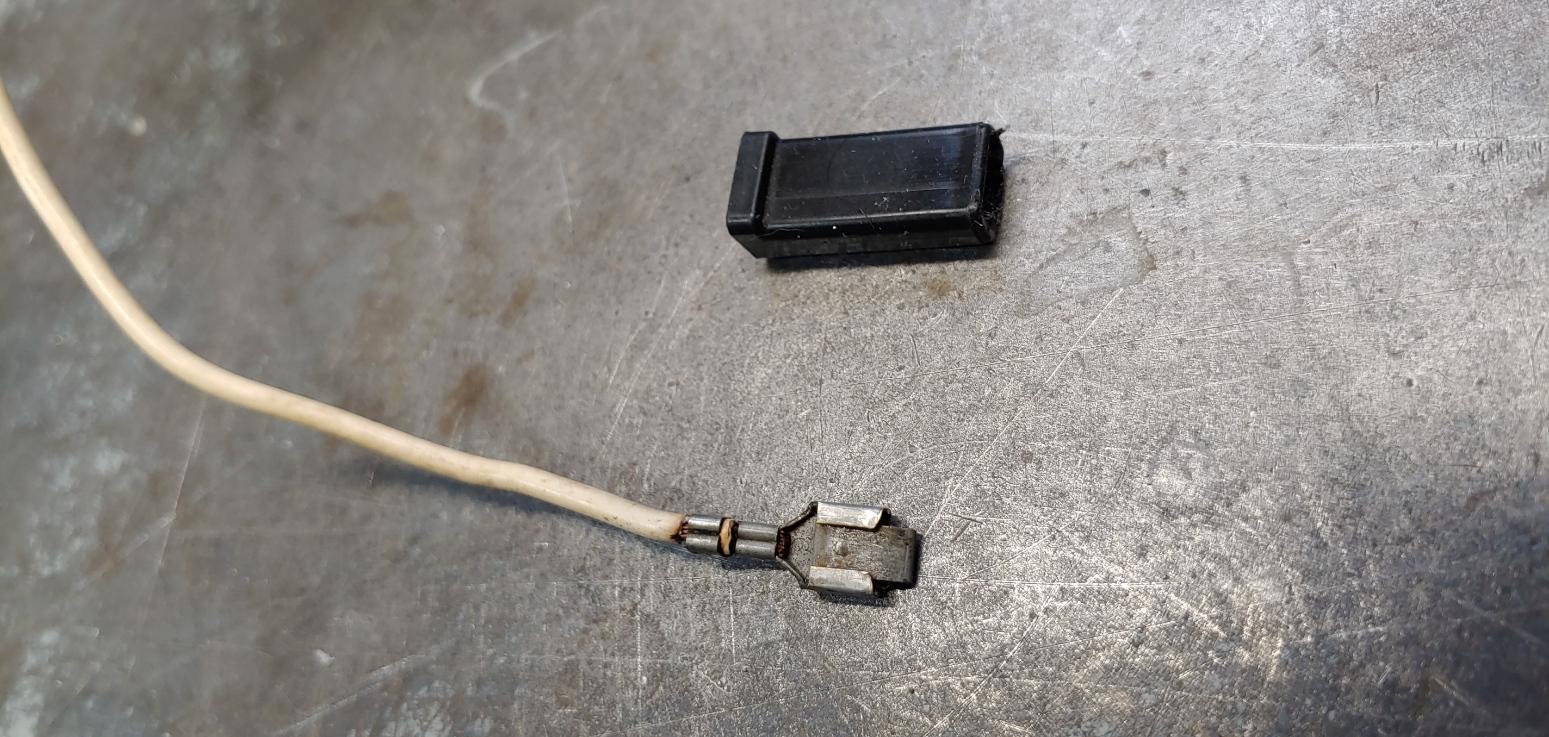
Below - crimp is good 40 years later but the wire failed upstream due to flexing and stress. Copper strands are broken. A sleeve or these days, heat shrink, could have prevented this, so if using crimp, I recommend some form of stress relief. I have dozens of examples of this. The crimp joint is great! No voltage drop, but the wire still broke - so try to mitigate that if crimping.
This is an example of a good sealed crimp.

Jeep Gladiator SOLVED: Broke my Gladiator by drilling into wires 20201228_152454


Whichever method you use - do it right and it may outlast YOU.
For solder joints, I use a Western Union joint where possible and I have 4 soldering "irons" and 2 soldering guns so can choose the one best fitted for the job at hand. (Western Union wire joints were taught in the electronics classes I took and were also used at CCC for certain joints)
I don't have the best crimp tools, most of what I have date back to my telephone and networking days with Principal Financial Group - my team took over the corporate phone systems from AT&T back in the 90s. I still have the tools used back then, including tools used for making network cables of various types but they are of little good for automotive.
 

Jaxmax

Well-Known Member
First Name
Jack
Joined
Jun 28, 2020
Threads
54
Messages
2,857
Reaction score
4,637
Location
Bally, Pa.
Vehicle(s)
Jeeps....... 2021 Mojave , 2019 Wrangler
Occupation
Electrical Manager
You fixed it! Jimmy was a huge help, way to go JImmy! Your close now, you got this we all figured you would, Happy New Year!
Well finish the project you started now CAREFULLY I'm sure......Jack
Sponsored


Top