Sponsored

Pcv valve

MOJAVEC22

Well-Known Member
First Name
Miguel
Joined
Oct 9, 2021
Threads
2
Messages
164
Reaction score
145
Location
Las Vegas
Vehicle(s)
2020 Gladiator Mojave 1991 Toyota Hilux
Occupation
Electrician
Would we need 2 catch cans ? I saw oil enter from the hose right after my air filter. The hose that plugs into the back of the drivers side valve cover. On the mishimoto install video, they are catching the oil from the hose that plugs in hear the throttle body.
Sponsored

 

ShadowsPapa

Well-Known Member
First Name
Bill
Joined
Oct 12, 2019
Threads
247
Messages
40,442
Reaction score
53,857
Location
Runnells, Iowa
Vehicle(s)
'25 JTMX, '23 JLU 4xe, '82 SX4, '73 Javelin
Occupation
Retired auto mechanic, frmr gov't ntwrk security admin
Vehicle Showcase
3
Would we need 2 catch cans ? I saw oil enter from the hose right after my air filter. The hose that plugs into the back of the drivers side valve cover. On the mishimoto install video, they are catching the oil from the hose that plugs in hear the throttle body.
There's an in and an out for a catch can. They take the air coming out of the engine through the PCV, further filter out oil, and then the air continues into the intake near the throttle body.
Just one if you actually need one at all. There's only one PCV system, and the catch can goes between PCV and intake.
 

MOJAVEC22

Well-Known Member
First Name
Miguel
Joined
Oct 9, 2021
Threads
2
Messages
164
Reaction score
145
Location
Las Vegas
Vehicle(s)
2020 Gladiator Mojave 1991 Toyota Hilux
Occupation
Electrician
There's an in and an out for a catch can. They take the air coming out of the engine through the PCV, further filter out oil, and then the air continues into the intake near the throttle body.
Just one if you actually need one at all. There's only one PCV system, and the catch can goes between PCV and intake.
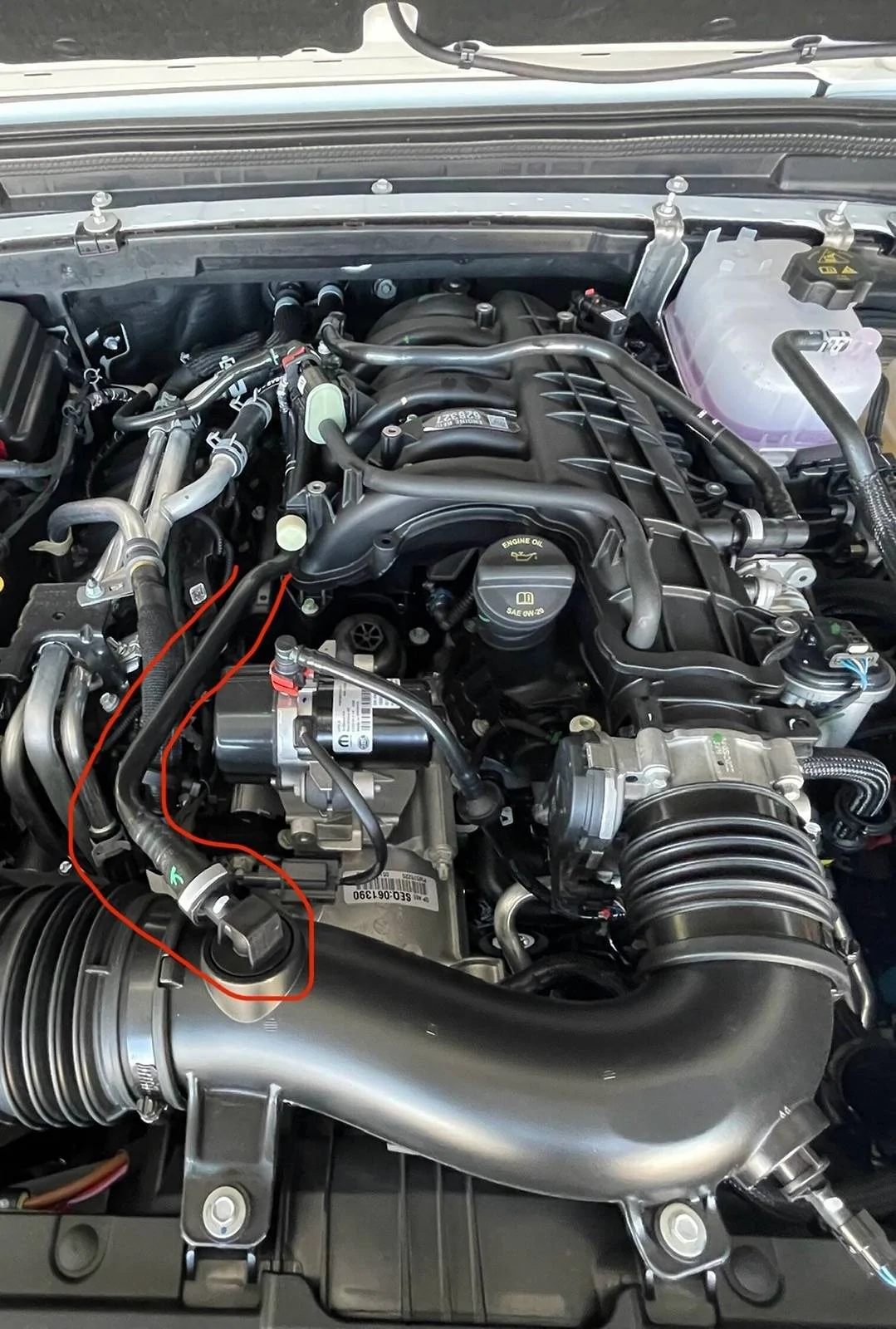
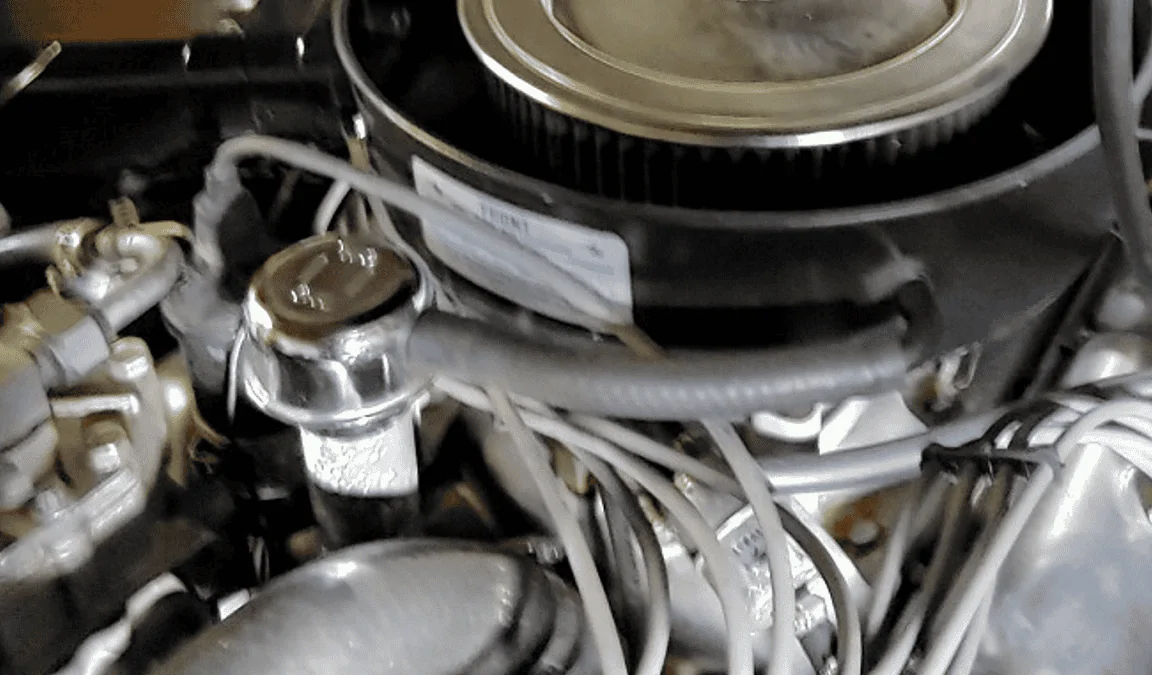
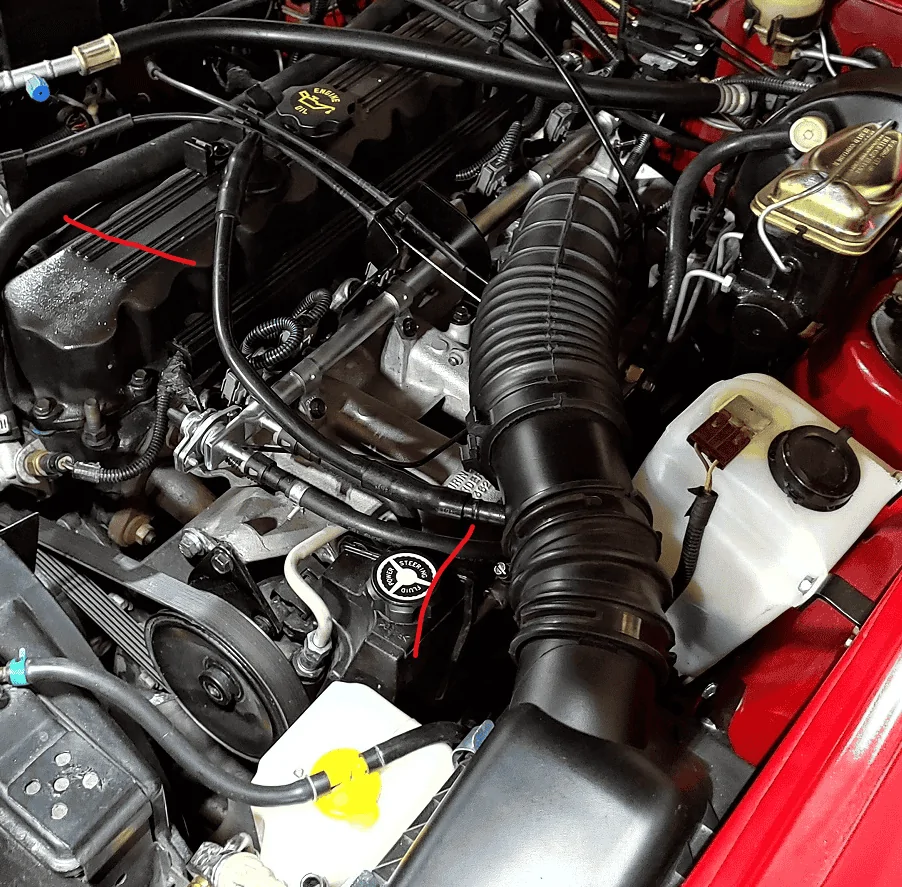
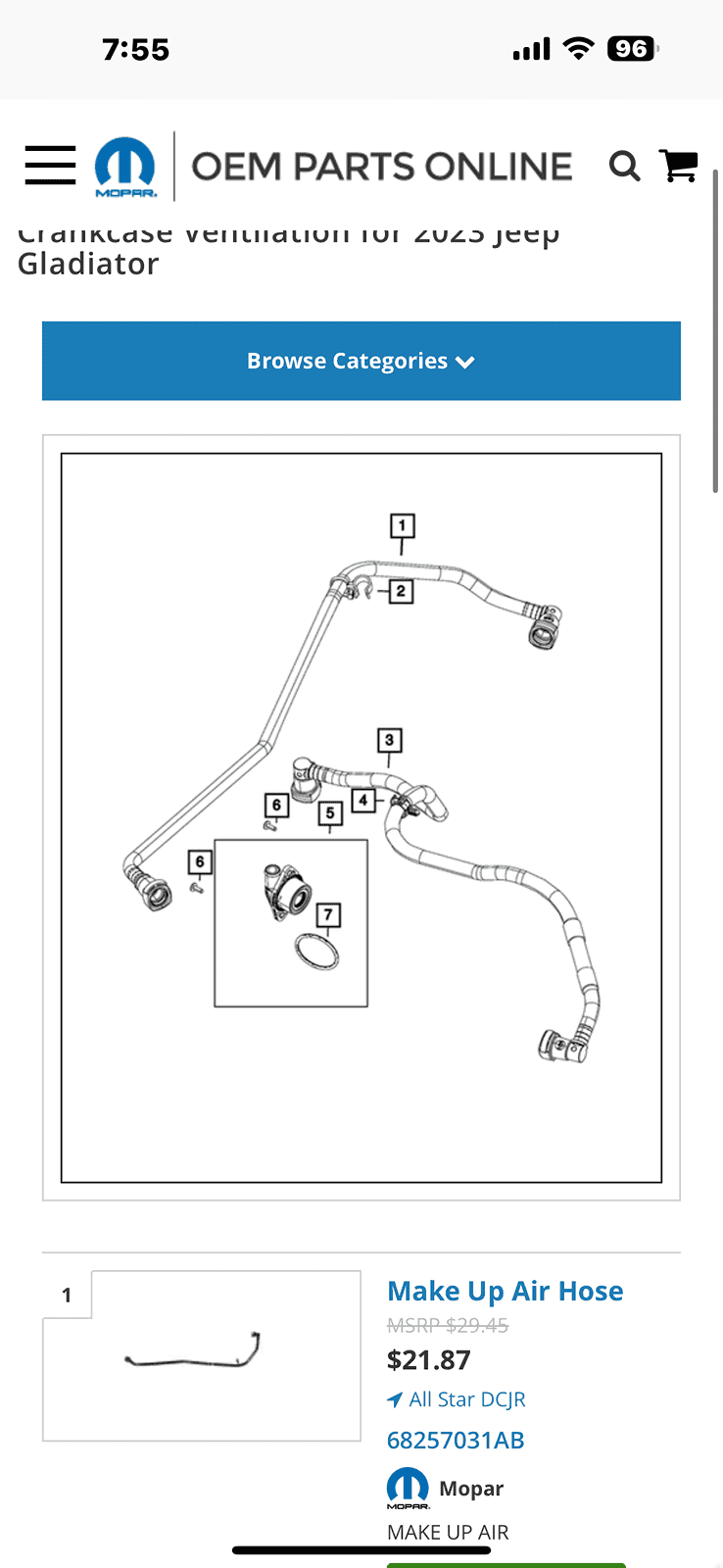
After some further research, the hose im talking about is actually the “Make Up Air Hose.” There is oil coming into my intake tube from this hose, it connects at the back of driver side valve cover, and connects just after the air filter on the intake tube.

Jeep Gladiator Pcv valve IMG_3844


Jeep Gladiator Pcv valve IMG_3845
 

hjdca

Well-Known Member
Joined
Oct 27, 2019
Threads
9
Messages
1,733
Reaction score
2,494
Location
Southern California Mountains
Vehicle(s)
Jeep Gladiator Rubicon manual Sting Gray
Build Thread
Link
I was running the Corsa catch can and that thing was sucking a ton of oil (yes, it was installed properly).

I want to go with the Mishimoto like I have on my JLUR. If I order I will have to modify the bracket as my ARB breather is where Mishimoto wants me to install the catch can
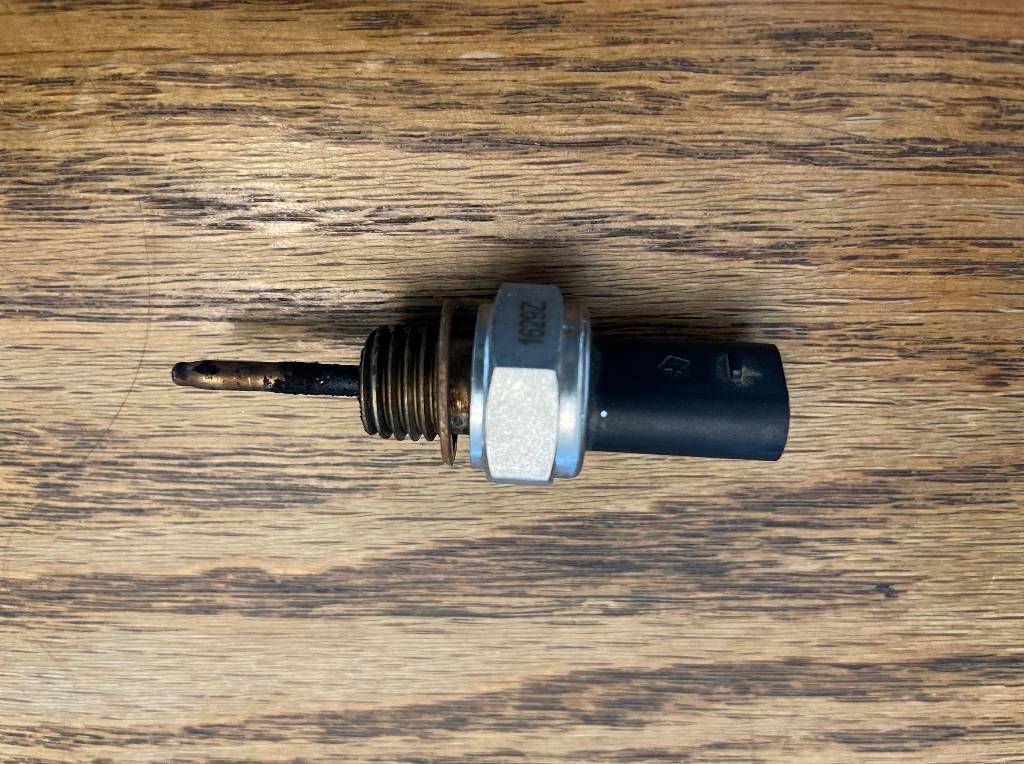
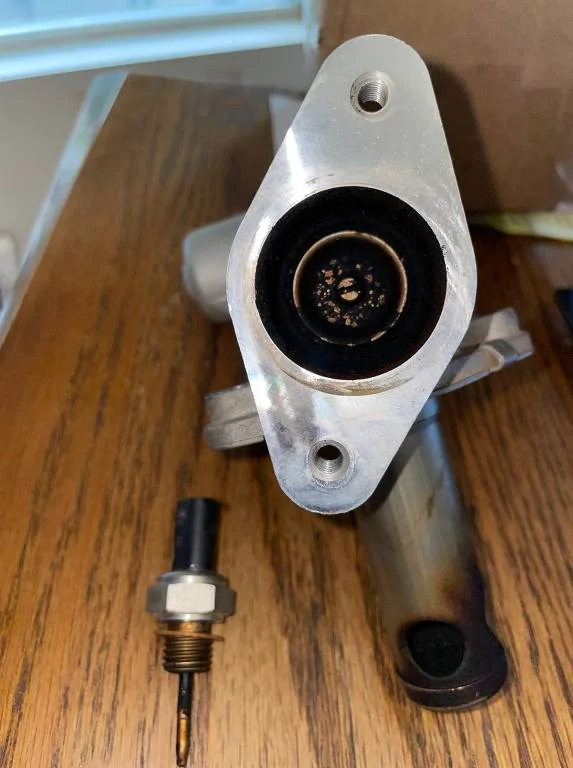
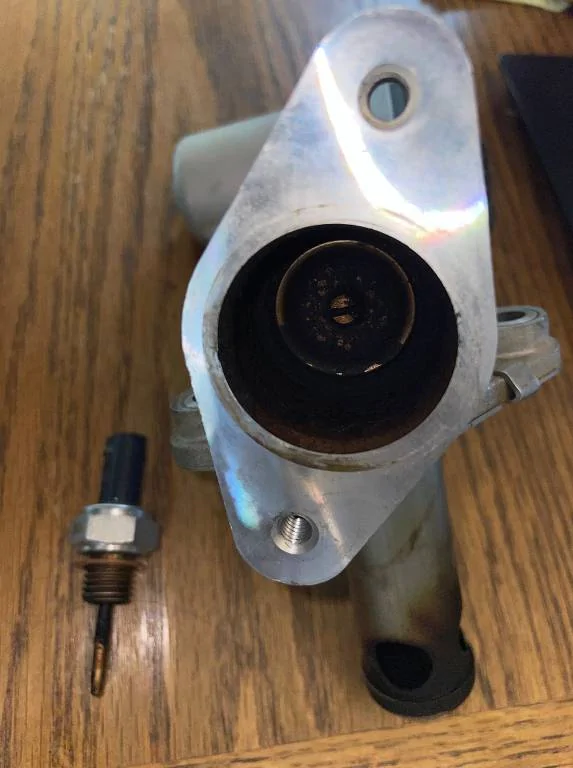
I have 67K miles on my manual tranny JTR. I had some issues with an on and off check engine light - EGR error, Diagnostic trouble code (DTC) P0401 stands for “Exhaust Gas Recirculation (EGR) Flow Insufficient Detected. I would run some injection system cleaner, reset the code, and it would come back a month or two later. I have always run Chevron 87 octane gas religiously, but, this is California and the summer gas is terrible for all OEMs... I decided to change my EGR valve and Sensor. The EGR valve had some carbon, but, not that much, but, the sensor had more than I anticipated. I believe the sensor was causing the issue. See pics below.

I found oil in my PCV hose, so, I decide to add a Mishimoto catch can and I just installed it. Great kit, easy to install. It seems very well made and has a brass filter in it, but, I think crank case pressure will go up... Note: with the sale price, I believe the Mishimoto quality is worth the money....

My question is - After installing a catch can, have you seen any oil leaks - ie. coming from any increase in crank case pressure ? ie. valve cover leaks (sensor and gasket), rear main leaks, etc... I am a little worried about additional crank case pressure that the Mishimoto catch can may add, and I may develop some oil leaks...

Note: I did some "tissue paper end piece tests" and I see at 1500 rpm, the dip stick hole has a very slight vacuum, the drain hose for the Mishimoto catch can has much more vacuum, and the big oil fill hole for the motor has oscillating air - end of tissue is going up and down very slightly, ie. vacuum and pressure. I believe that is normal at 1500 rpm cold... Any comments ?

Jeep Gladiator Pcv valve L7rjYZ


Jeep Gladiator Pcv valve Qch9UR


Jeep Gladiator Pcv valve HDWfqG
 
Last edited:

PuddleJumper

Well-Known Member
First Name
Cortlund
Joined
Jan 17, 2024
Threads
68
Messages
2,540
Reaction score
3,373
Location
Alexandria, Virginia
Vehicle(s)
23' JTM, 22' JTR, 22' F56S,
Build Thread
Link
Occupation
STACK Infrastructure Critical Operations Technician
Vehicle Showcase
1
There's an in and an out for a catch can. They take the air coming out of the engine through the PCV, further filter out oil, and then the air continues into the intake near the throttle body.
Just one if you actually need one at all. There's only one PCV system, and the catch can goes between PCV and intake.
sorry, i've trying to follow all your response to this thread. So if i'm understanding correctly. If i change my oil often (i do it every 4k), constantly get the truck fully hot and under load with lots of high rpms on daily basis, and have no blow by. odds are I don't need anything other than the PVC system my truck came with?
 

Sponsored

ShadowsPapa

Well-Known Member
First Name
Bill
Joined
Oct 12, 2019
Threads
247
Messages
40,442
Reaction score
53,857
Location
Runnells, Iowa
Vehicle(s)
'25 JTMX, '23 JLU 4xe, '82 SX4, '73 Javelin
Occupation
Retired auto mechanic, frmr gov't ntwrk security admin
Vehicle Showcase
3
I found oil in my PCV hose, so, I decide to add a Mishimoto catch can and I just installed it. Great kit, easy to install. It seems very well made and has a brass filter in it, but, I think crank case pressure will go up... Note: with the sale price, I believe it is worth the money....

My question is - After installing a catch can, have you seen any oil leaks - ie. coming from any increase in crank case pressure ? ie. valve cover leaks (sensor and gasket), rear main leaks, etc... I am a little worried about additional crank case pressure that the Mishimoto catch can may add, and I may develop some oil leaks...
A quality catch can with large enough lines and connectors should not restrict the PCV system to the point of restriction/lowering vacuum in the crankcase/increasing crankcase pressure. if it does, it's counter-productive.

After some further research, the hose im talking about is actually the “Make Up Air Hose.” There is oil coming into my intake tube from this hose, it connects at the back of driver side valve cover, and connects just after the air filter on the intake tube.
You have a problem - the air flow should always be AWAY from that intake area, toward the valve cover area. As the PCV pulls air out of the crankcase to create a mild vacuum and prevent pressure, there has to be air going into the crankcase.
Any oil going to the intake in that makeup hose system means there's pressure, backflow, the PCV system isn't working as designed or intended.

One thing I'd try is putting a vacuum gauge on the oil filler tube and as that return or makeup hose is plugged by a thumb, the vacuum should increase. There's likely a spec on this since it's part of the emissions systems these days. Even in the past, I could find specs for such a thing.
That makeup line should never have air flowing back toward the filter and intake.

Here's an example of a makeup system and hose of the past - any oil showing up here meant excessive blowby or a defective PCV valve.

Jeep Gladiator Pcv valve 1713889031719-06


And for a 4.0 - same thing - oil in this line means trouble -

Jeep Gladiator Pcv valve 1713889126863-88


Same concept regardless of engine - PCV pulls air out of crankcase to remove and burn "fumes" from the crankcase, ventilate it, and keep low pressure or a vacuum. There must be a way to let CLEAN air back in, thus, the line from the intake after the air filter.
 

willys 41

Well-Known Member
First Name
Larry Olund
Joined
Oct 12, 2022
Threads
1
Messages
439
Reaction score
436
Location
Pleasanton Ca.
Vehicle(s)
2020 Jeep Willys
Occupation
Machinist / Auto Technician
sorry, i've trying to follow all your response to this thread. So if i'm understanding correctly. If i change my oil often (i do it every 4k), constantly get the truck fully hot and under load with lots of high rpms on daily basis, and have no blow by. odds are I don't need anything other than the PVC system my truck came with?
Your PCV system in a smog device and directs any blow by and gasses that are normal in your crank case to the intake to be burned instead of allowing then to enter the atmosphere.
This is a good thing for the atmosphere but can contaminate you intake and combustion chamber.
A catch can is simply a filter that separate the dirty oil from the air entering you intake stream keeping your engine cleaner and improving the octane levels.
 

ShadowsPapa

Well-Known Member
First Name
Bill
Joined
Oct 12, 2019
Threads
247
Messages
40,442
Reaction score
53,857
Location
Runnells, Iowa
Vehicle(s)
'25 JTMX, '23 JLU 4xe, '82 SX4, '73 Javelin
Occupation
Retired auto mechanic, frmr gov't ntwrk security admin
Vehicle Showcase
3
Your PCV system in a smog device and directs any blow by and gasses that are normal in your crank case to the intake to be burned instead of allowing then to enter the atmosphere.
This is a good thing for the atmosphere but can contaminate you intake and combustion chamber.
A catch can is simply a filter that separate the dirty oil from the air entering you intake stream keeping your engine cleaner and improving the octane levels.
Yeah, it helps with emissions, and CA mandated the end of the "draft tube" and move to PCV in the early 60s (and by about 63 or 64 it was standard) but it was also for keeping a vacuum in the crankcase.
Drag racers often run vacuum pumps for the crankcase when the get rid of the stock type PCV system - to maintain a low pressure in the crankcase. The increased difference in pressure between the top of the rings and bottom ring surface helps seal the cylinders.

I don't understand the idea that a catch can is messing with emissions because the goal is to clean things up, and it doesn't make the PCV non-functional or allow fumes into the atmosphere in any way. I've seen it mentioned, but IMO, I'd like to see any entity prove the catch can is interfering with emissions in any way. In some cases of extreme use, it may clean things up.
 

MOJAVEC22

Well-Known Member
First Name
Miguel
Joined
Oct 9, 2021
Threads
2
Messages
164
Reaction score
145
Location
Las Vegas
Vehicle(s)
2020 Gladiator Mojave 1991 Toyota Hilux
Occupation
Electrician
A quality catch can with large enough lines and connectors should not restrict the PCV system to the point of restriction/lowering vacuum in the crankcase/increasing crankcase pressure. if it does, it's counter-productive.


You have a problem - the air flow should always be AWAY from that intake area, toward the valve cover area. As the PCV pulls air out of the crankcase to create a mild vacuum and prevent pressure, there has to be air going into the crankcase.
Any oil going to the intake in that makeup hose system means there's pressure, backflow, the PCV system isn't working as designed or intended.

One thing I'd try is putting a vacuum gauge on the oil filler tube and as that return or makeup hose is plugged by a thumb, the vacuum should increase. There's likely a spec on this since it's part of the emissions systems these days. Even in the past, I could find specs for such a thing.
That makeup line should never have air flowing back toward the filter and intake.

Here's an example of a makeup system and hose of the past - any oil showing up here meant excessive blowby or a defective PCV valve.

1713889031719-06.png


And for a 4.0 - same thing - oil in this line means trouble -

1713889126863-88.png


Same concept regardless of engine - PCV pulls air out of crankcase to remove and burn "fumes" from the crankcase, ventilate it, and keep low pressure or a vacuum. There must be a way to let CLEAN air back in, thus, the line from the intake after the air filter.
Ok thanks for that info. Makes sense. I’ll have to figure out how I can read the vacuum. I have a vacuum brake bleeder kit, maybe I can use that. Oil filler tube like the main cap where the oil goes in?
 

ShadowsPapa

Well-Known Member
First Name
Bill
Joined
Oct 12, 2019
Threads
247
Messages
40,442
Reaction score
53,857
Location
Runnells, Iowa
Vehicle(s)
'25 JTMX, '23 JLU 4xe, '82 SX4, '73 Javelin
Occupation
Retired auto mechanic, frmr gov't ntwrk security admin
Vehicle Showcase
3
Ok thanks for that info. Makes sense. I’ll have to figure out how I can read the vacuum. I have a vacuum brake bleeder kit, maybe I can use that. Oil filler tube like the main cap where the oil goes in?
That's what I used to do - use that filler tube.
 

Sponsored

willys 41

Well-Known Member
First Name
Larry Olund
Joined
Oct 12, 2022
Threads
1
Messages
439
Reaction score
436
Location
Pleasanton Ca.
Vehicle(s)
2020 Jeep Willys
Occupation
Machinist / Auto Technician
Yeah, it helps with emissions, and CA mandated the end of the "draft tube" and move to PCV in the early 60s (and by about 63 or 64 it was standard) but it was also for keeping a vacuum in the crankcase.
Drag racers often run vacuum pumps for the crankcase when the get rid of the stock type PCV system - to maintain a low pressure in the crankcase. The increased difference in pressure between the top of the rings and bottom ring surface helps seal the cylinders.

I don't understand the idea that a catch can is messing with emissions because the goal is to clean things up, and it doesn't make the PCV non-functional or allow fumes into the atmosphere in any way. I've seen it mentioned, but IMO, I'd like to see any entity prove the catch can is interfering with emissions in any way. In some cases of extreme use, it may clean things up.
I am not saying a catch can lowers emission put it may a little.
What it does do is clean the PCV air going to the intake.
 

starrskream

Well-Known Member
First Name
E
Joined
Oct 2, 2023
Threads
84
Messages
669
Reaction score
830
Location
New york
Vehicle(s)
2023 Rubicon
Build Thread
Link
Occupation
Manager
I would just use a quality/brand injector cleaner, perhaps even Seafoam.

The intake valves on these don't gather carbon like direct injection engines do.
Not that it can't happen, but......it's not like the problem of the direct injected engines like the 2.0 and others.
I have a brand new engine, always looking for ways to make it last longer, before i have issues. I have, in the past used Lucas fuel additives every other two tanks. Typically seafoam treatments every 30k. Would you recommend a fuel additive like Lucas like i have been doing to help keep things cleaner? ounce of prevention vs a pound of cure idea here.

beyond that, do you think a catch can is worth the hassle(emptying it every now and then)?

I do drive alot where i dont hit 45mph + though when i do hit the interstate, i never miss an opportunity to "blow out the carbon" lol.
 

ShadowsPapa

Well-Known Member
First Name
Bill
Joined
Oct 12, 2019
Threads
247
Messages
40,442
Reaction score
53,857
Location
Runnells, Iowa
Vehicle(s)
'25 JTMX, '23 JLU 4xe, '82 SX4, '73 Javelin
Occupation
Retired auto mechanic, frmr gov't ntwrk security admin
Vehicle Showcase
3
I am not saying a catch can lowers emission put it may a little.
What it does do is clean the PCV air going to the intake.
You didn't, but others out there have said as much.
I know exactly what it does or doesn't do.

It's similar to the cyclone dust removers sitting next to my blast cabinets.
 

ShadowsPapa

Well-Known Member
First Name
Bill
Joined
Oct 12, 2019
Threads
247
Messages
40,442
Reaction score
53,857
Location
Runnells, Iowa
Vehicle(s)
'25 JTMX, '23 JLU 4xe, '82 SX4, '73 Javelin
Occupation
Retired auto mechanic, frmr gov't ntwrk security admin
Vehicle Showcase
3
I have a brand new engine, always looking for ways to make it last longer, before i have issues. I have, in the past used Lucas fuel additives every other two tanks. Typically seafoam treatments every 30k. Would you recommend a fuel additive like Lucas like i have been doing to help keep things cleaner? ounce of prevention vs a pound of cure idea here.

beyond that, do you think a catch can is worth the hassle(emptying it every now and then)?

I do drive alot where i dont hit 45mph + though when i do hit the interstate, i never miss an opportunity to "blow out the carbon" lol.
There's over 10 million Pentastar engines out there without a catch can doing just fine.
I have no current plans for one.
I routinely hit high RPM around here just to get around, it's not a matter of blowing the cobs out. I was running 3600 RPM for over a mile keeping up 71 mph up the grade between Pleasant Hill and Altoona against a headwind.
All of the miles on that oil and it's not noticeably down on the stick. That means it's not "sucking oil out of the crankcase" (been out of it for getting the oil changed - told once again today to continue light duty, no lifting over 10 pounds for yet another 3 to 4 weeks because of the nature of the incisions and trouble they had)

I'm strongly considering one on my 73's 360, though, the dual quad intake design and so on I don't know I have much choice on it.


Top