
Hoss63
Well-Known Member
Yeah, you'd better use that trailer to carry a spare engine.

She's gonna blow, cap'n!

Sponsored

Yeah, you'd better use that trailer to carry a spare engine.
She's gonna blow, cap'n!


I'll assume you would check the undamaged lobes, and/or the undamaged portions of the damaged lobes, since the hardness of a cam often doesn't go very deep......... thus, once they start, they go fast.Very interesting thread and great to read the comments of all the long time techs. One thing I didn't see in reading was any mention of anyone doing hardness tests on failed cams. I have access to a calibrated Rockwell tester at work if anyone wants to send me a spent cam I'll post the Rc numbers here.
That makes since because the cam itself as a whole cant be too hard or it would snap under extreme loadI'll assume you would check the undamaged lobes, and/or the undamaged portions of the damaged lobes, since the hardness of a cam often doesn't go very deep......... thus, once they start, they go fast.

For general OEM cams, they are just going to be surface hardened. That will be pretty hard, potentially 60+R/c. Internally they will still be "soft" at 25-30R/c. Of course when done wrong, surface hardening can lead to the surface flaking away under load...That makes since because the cam itself as a whole cant be too hard or it would snap under extreme load
Yes I am sure they flex to a minute degree , and flaking yes I have seen thst during knife making during repeated heat treatments.For general OEM cams, they are just going to be surface hardened. That will be pretty hard, potentially 60+R/c. Internally they will still be "soft" at 25-30R/c. Of course when done wrong, surface hardening can lead to the surface flaking away under load...
I've seen racing cams that used cryo.For instance modern knife steel uses heat and cryogenic treatments to increase metal density and hardness without delamination or flaking.
They should be cause all their problem would disappearI've seen racing cams that used cryo.
Some OEM do nitriding to increase the surface hardness even further.
Depending on the steel, with tempering you can still be REALLY hard and not brittle. I doubt Jeep is using anything exotic though.

Yes, this is exactly why I asked- what's going to be tested, where..............For general OEM cams, they are just going to be surface hardened. That will be pretty hard, potentially 60+R/c. Internally they will still be "soft" at 25-30R/c. ................................
Nailed it there.I've seen racing cams that used cryo.
Some OEM do nitriding to increase the surface hardness even further.
Depending on the steel, with tempering you can still be REALLY hard and not brittle. I doubt Jeep is using anything exotic though.
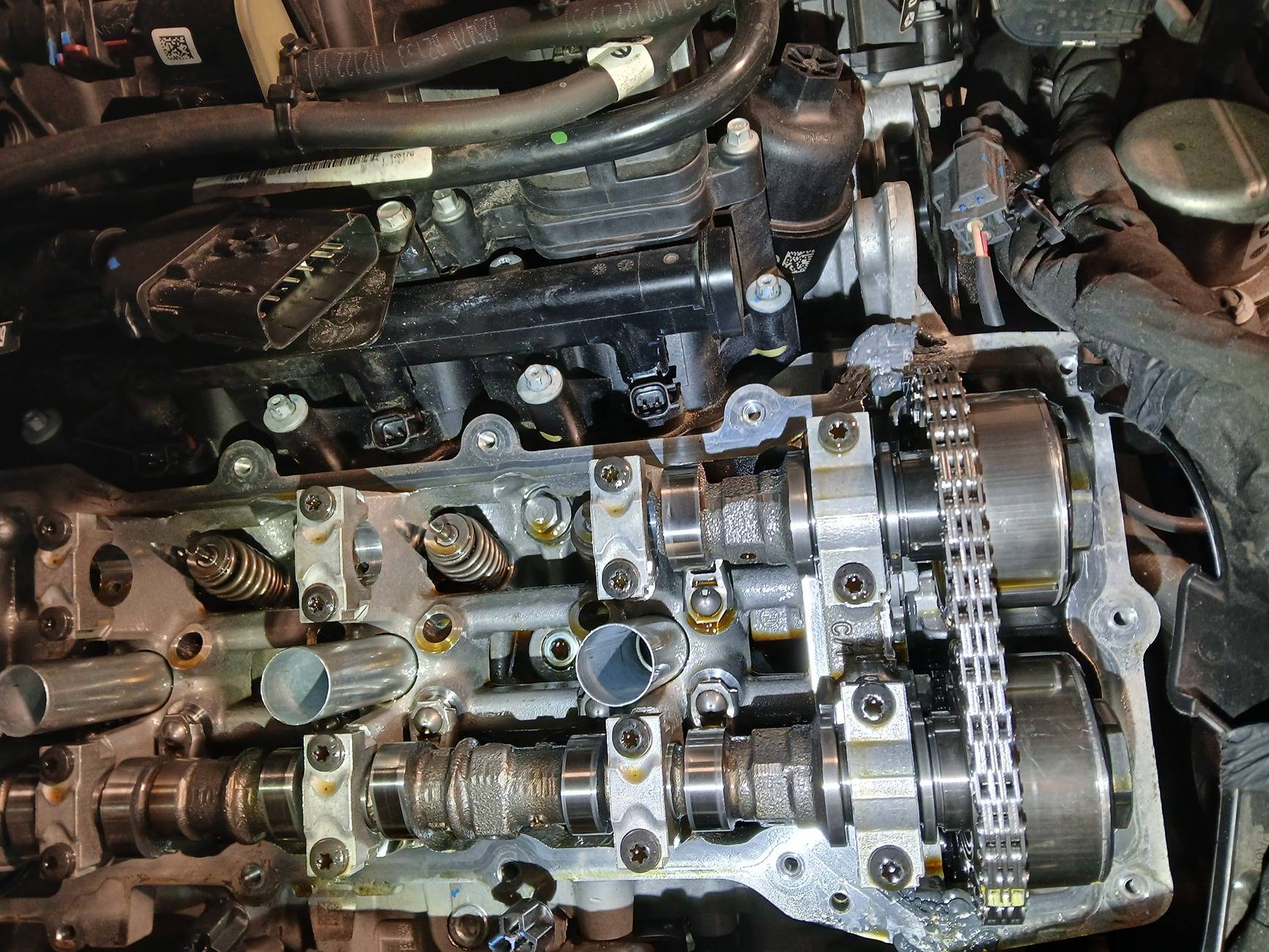
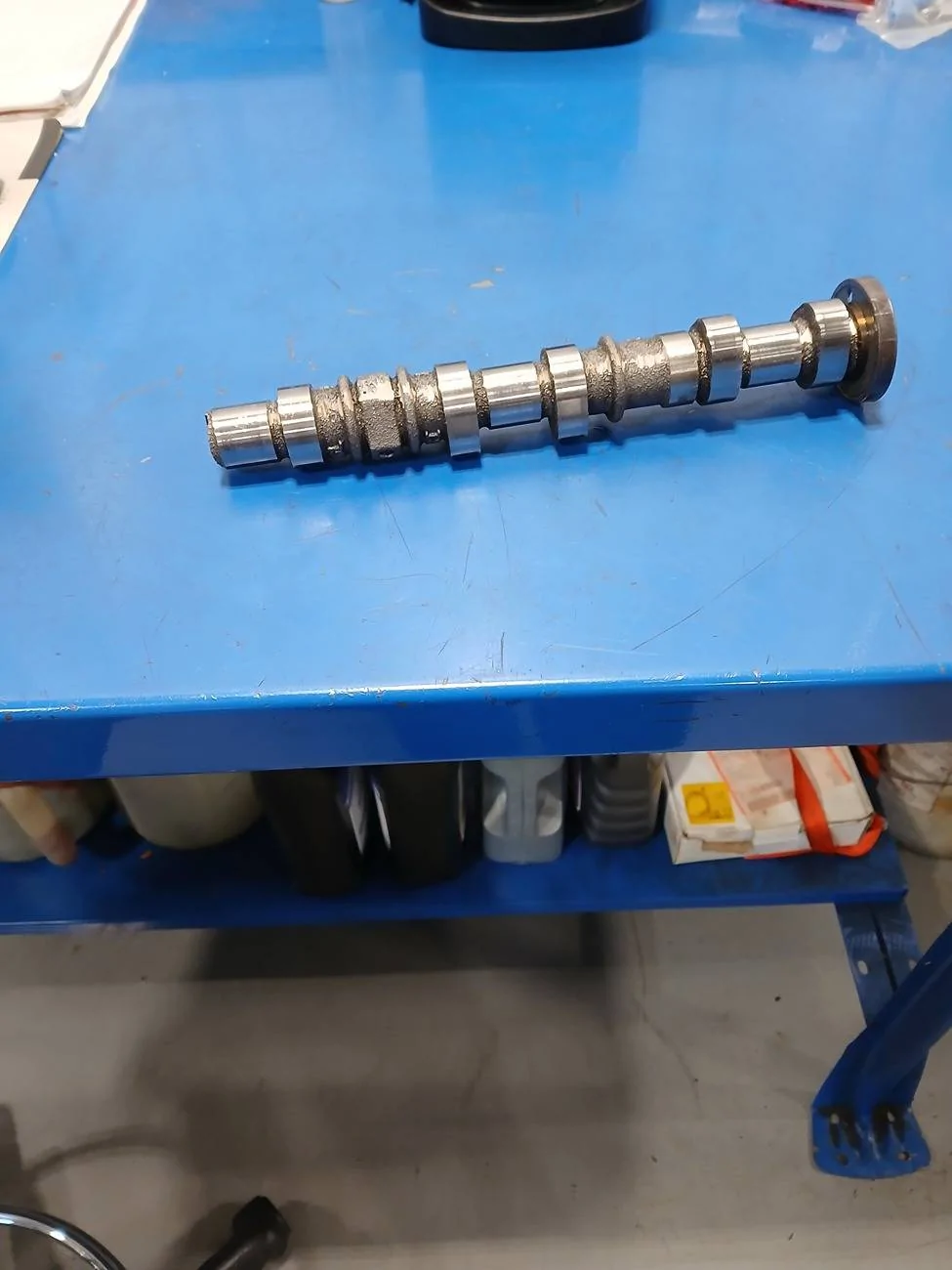
Holy Crapola , I would never have ever imagined that one would snap Intake cam from a Classic Pentastar in a Jeep Grand Cherokee. I have long considered inconsistent quality control to be a factor in the rare 3.6 Pentastar failures, both the Classic Pentastar and the PUG.
 they dont accelerate that fast
Crankshafts snap due to twisting under load, acceleration forces and such, cams have impact loads on them.Holy Crapola , I would never have ever imagined that one would snap


