Sponsored

I'm getting old.

smlobx

Well-Known Member
First Name
Eddie
Joined
Jun 28, 2018
Threads
86
Messages
2,644
Reaction score
4,503
Location
Mid Atlantic
Vehicle(s)
JTR, F-350 diesel, Porsche Spyder, Model Y
Occupation
Semi retired consultant
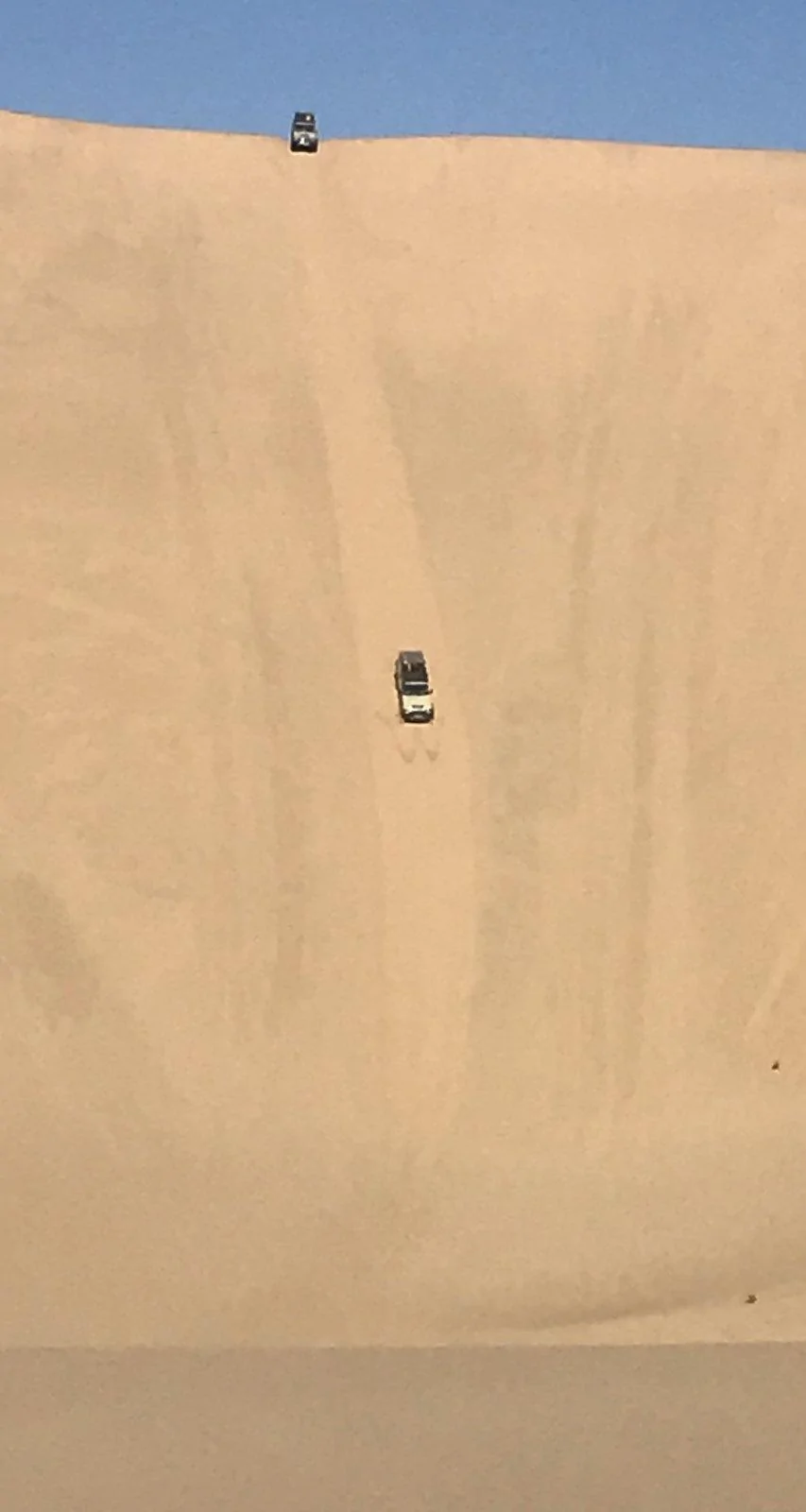
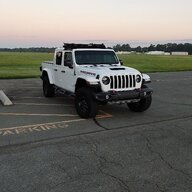
Did somebody say dunes?

Jeep Gladiator I'm getting old. 71883B69-B244-4DEE-8730-9C00BC322BBC
Sponsored


ACAD_Cowboy

Well-Known Member
First Name
Francis
Joined
May 1, 2019
Threads
22
Messages
1,414
Reaction score
1,960
Location
NY
Vehicle(s)
15 jkur
You sir can take your Namib and enjoy it.
 

SleepyJeep

Well-Known Member
Joined
Apr 3, 2019
Threads
53
Messages
814
Reaction score
795
Location
OH
Vehicle(s)
Mini Cooper S, Firecracker Red Gladiator LE
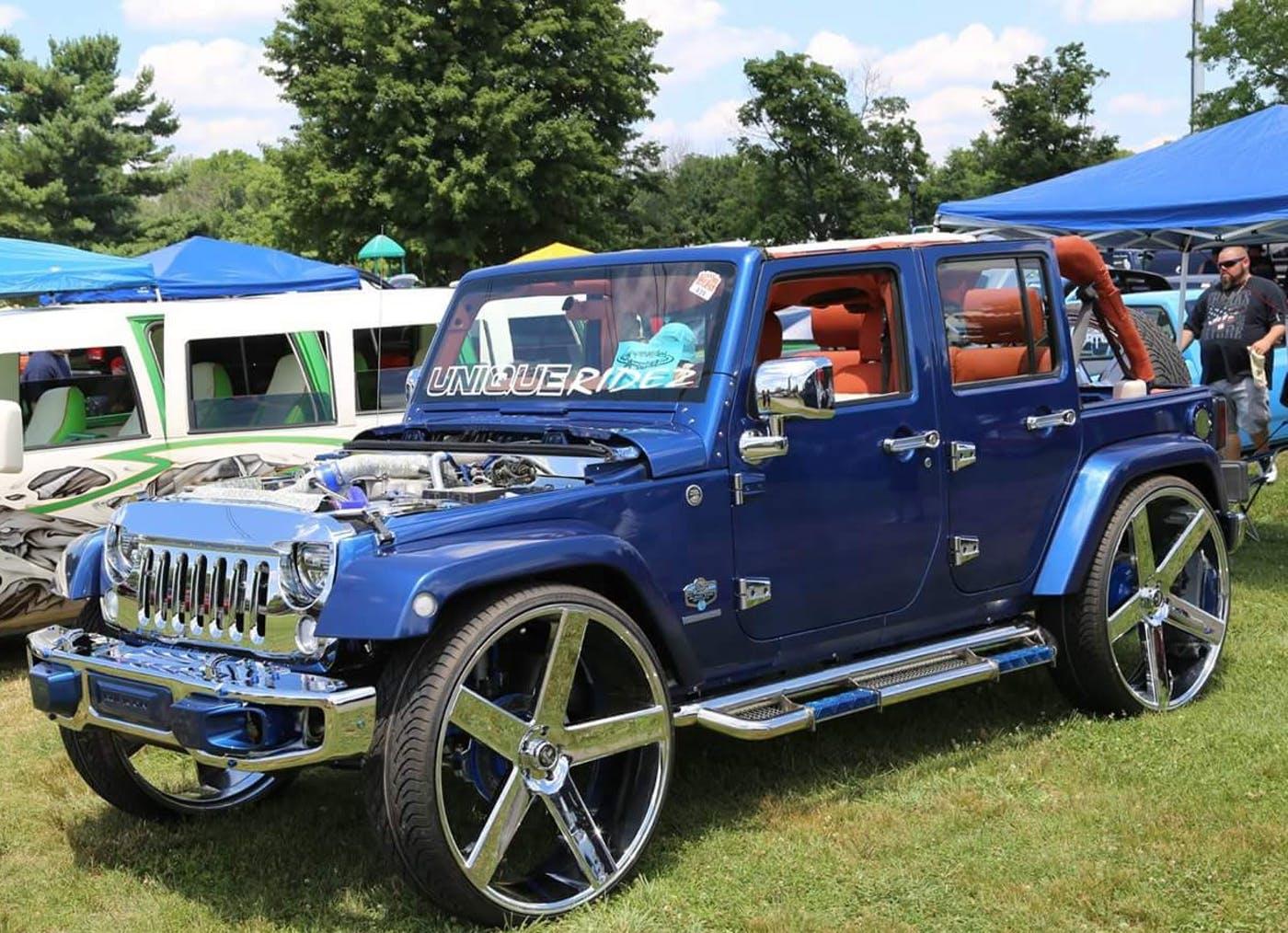
Give me some 15x10 D Windows and 37's. Takes me back to the early 2000's NEUROC competitions. Those were the days...
Holy Crap man!! You own 23 Jeeps??!! :surprised: There has to be a great story behind it, pray tell.
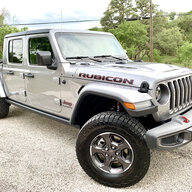

 

Ole Cowboy

Well-Known Member
First Name
Don
Joined
May 10, 2019
Threads
15
Messages
491
Reaction score
715
Location
Florida
Vehicle(s)
20 F 450, 17 JK Rubicon RECON, 21 Glady
Occupation
ReTired
So in keeping with the rules of protocol, I do whole heartedly concede that this bit from Boeing is a bit specific to their chose tire and their methods are tuned to their work however the methodology is sound as a tool for tire selection.

Were you armed with corner scales on a built rig you could Devine the patch size for nearly any psi down to ambient air pressure.

To me the real takeaway from it is the realization that the size of the tire carcass doesn’t drive but is driven by patch as a function of inflation pressure and that ground contact pressure == inflation pressure.

In my typical trails I have glacial moraine and screw mixed with loamy soil that may or may not be mud. Rock features tend to be large and relatively smooth. Inflation pressures for my stock MT with a reasonable amount of gear and people (and food because what better to do watching other people than eat a sandwich or two?)
Is around 12-15psi which results in a compliant sidewall that’s not too sloppy and a compliant tread face that can still hog down. The fee OTR portions are fuuuun as it rises like a caddy from the 70’s, just smooving.

When out in deep snow I will on occasion drop to 20-25psi, closer to 20 if the plow is on to soak up ice clots stuck to the road. Again you gain some flotation but don’t lose your dive and dig.

Sand driving is very limited for me, when last on the outer banks I think I went right to 20 and left it alone as we were drive right after the tide went out. My state will hang you, shoot you, crucify you then take you down to draw and quarter you then burn the whole mess should you even steer a wheel towards the dunes on the little beach you can ride, god help you if you go near beach nests. As such dry dune driving isn’t something I’ve gotten in to.

For the record I’ve never lost a bead and never lost forward momentum due to lack of tractive effort. I have been unable to climb up the scree gravel filled muddy creek with the 60* incline, made it about 2 lengths up until it bent left and just could t make it happen. Front was just kissing and the back was just digging deeper and deeper.
You bring up a lot of points that must be considered: Street, highway, mud, snow, rain, rocks, Moab Rocks which is a whole nother ballgame, shale that slices tires, sand from compact to soft. Then, of course, lateral loading. If you don't the psi right you get optimal performance.

Let's talk X Y: X being the size of the contact patch and Y being the PSI and I am NOT talking air pressure, but Pounds per Square inch as in the load from the weight. The BIGGER the contact patch the LESS distributed weight you have across the CP and conversely the smaller the CP the more weight per sq in. Too big of a CP and you end up with 'floater' for tires, which is may NOT be all bad if you do a lot of mud and swampland.

US Army M1A2 Tank tips the scales at 69.5 Tons, but has a ground pressure of only 15.4 pounds per square in, which allows that 70 tons to traverse almost any terrain and not sink down to its belly.

The goal then is to find where the X Y cross based upon the terrain you are traveling in and your key is the air pressure you run which determines the size of the CP.

TIP: For you extreme or hope to be extreme off-road folks, get access to some patch scales and weigh your rig and if you are a rock hound then what you want to do is to get the weight of your rig +/- 25 lbs on each corner. Do that and you will get some incredible stability and some L/R leaning angles that will ensure NO ONE will ride with you at all...
 

ACAD_Cowboy

Well-Known Member
First Name
Francis
Joined
May 1, 2019
Threads
22
Messages
1,414
Reaction score
1,960
Location
NY
Vehicle(s)
15 jkur
Jeep Gladiator I'm getting old. ?temp_hash=d0ff5e46a9419314bcc9da82000ed8d6


Ground pressure and contact area! An Abrams can haul ass where I can’t even walk because it has half or less of my ground pressure because of a HUGE contact area.

Big’ol super swampers work the same way, like an agricultural flotation tire, by maximizing the contact patch and gaining traction from big gnarly lugs, look at a Michelin XM47, the crown king of off road tires for soft conditions. But you have down sides, while the big lugs act as paddles you also have very small contact area for on road driving. Combined with stiff sidewalks and it makes for a scary looking curve when you plot lateral loading against adhesion to the surface, there will come a very sharp and sudden vertical line which is you bum rushing the other lane if not the guide rail. Combined with the known behavior of solid axles over irregular surfaces (death wobble) and you can be skittering about.

As noted the Boeing data is not designed for our tires, aircraft generally have ballon tires that are not driven however it gives us a frame work for constructing our thinking. Conceptually the short axis cannot exceed the rim bead width because the ox bow of the side wall would pull the bead away. Likewise the king axis can’t exceed the length of a chord line drawn through the tangent point of the rim parallel to the ground as the OD can’t change but the effective radius can. Effective radius is the distance from center line of hub to ground and changes with inflation and load. This also means you can use this to your advantage as phantom gearing.

Jeep Gladiator I'm getting old. CFF54EA5-2F4D-4896-8E34-83220E986283
 
Last edited:

Sponsored

Capt.Grumps1075

Well-Known Member
First Name
Stephen
Joined
Oct 15, 2020
Threads
6
Messages
104
Reaction score
100
Location
Lufkin
Vehicle(s)
2020 Gladiator sport s
Occupation
Towboat Captain
On a jeep yes smaller wheel bigger tire. Depending on the vehicle other than jeeps 20/ 22s can make it look sharp, if they are the right wheel. But tn beauty is in the eye of the beholder lol
 

DirtySaylor

Well-Known Member
Joined
May 24, 2020
Threads
24
Messages
179
Reaction score
134
Location
Tampa FL
Vehicle(s)
2020 Jeep Gladiator Overland
It's funny that years ago, I thought 20s looked silly on anything. Over the years, more and more factory trucks and SUVs came with them as standard equipment.

Fast forward to now and I think most trucks look ok with them due to proportions. I wouldn't have less or more than a 20 on any of my SRT Jeeps or trackhawk. When it comes to offroad Jeeps, more tire, less wheel is still the way to go. 17s max for me.
Yep. The bigger rims/tires look great on the JT. Anything smaller looks like a skinny guy in a tank top trying to look buff
 

Hurley82

Well-Known Member
Joined
Nov 29, 2018
Threads
6
Messages
176
Reaction score
277
Location
Colorado
Vehicle(s)
Gladiator Rubicon , BMW F800GS
Seems like this has less to do with age and more to do with purpose. Off-road more tire less rim. But look at the new Audi RS6 wagon, the thing looks mean as hell.
 

Bbannongmu

Well-Known Member
First Name
JTR.Spartacus
Joined
Jan 18, 2020
Threads
34
Messages
2,146
Reaction score
2,531
Location
Earth
Website
m.facebook.com
Vehicle(s)
2020 Jeep Gladiator Rubicon
Build Thread
Link
Occupation
Certified Emergency Manager
Vehicle Showcase
1
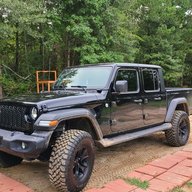
Curved brim and smaller rim preference here. Old too ! OlllllllO.

Jeep Gladiator I'm getting old. 31677F70-8373-420D-8976-D0BCCECCBD69
 

LANGeek

Well-Known Member
Joined
Sep 24, 2019
Threads
14
Messages
124
Reaction score
185
Location
MD
Vehicle(s)
2020 Jeep Galdiator Rubicon
Me too!! 17 maybe 18 with lots of rubber wrapped arounded 'em.
 

Sponsored

EXTORTION

Well-Known Member
First Name
Carl
Joined
Sep 11, 2020
Threads
15
Messages
86
Reaction score
49
Location
St Charles MO
Vehicle(s)
2020 Jeep Gladiator Overland
Occupation
Retired Law Enforcement
I'm old too I guess. I prefer the 17-18 inch wheels with more rubber on the tires, especially if off roading.
 

livewire_3020

Well-Known Member
First Name
Terry
Joined
Aug 14, 2020
Threads
6
Messages
73
Reaction score
43
Location
Lancaster, Ohio
Vehicle(s)
2020 Jeep Gladiator Sport
Occupation
Maintenance Technician
Vehicle Showcase
1
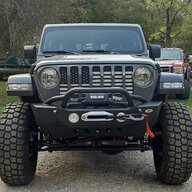
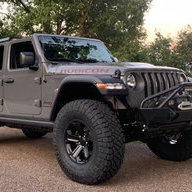
i agree, i went with 37s on 17s. love the look of the big sidewalls
 

Lynn_F

Well-Known Member
First Name
Lynn
Joined
Aug 2, 2019
Threads
19
Messages
604
Reaction score
1,085
Location
Fannett, Tx
Vehicle(s)
2020 Gladiator Sport S
Vehicle Showcase
2
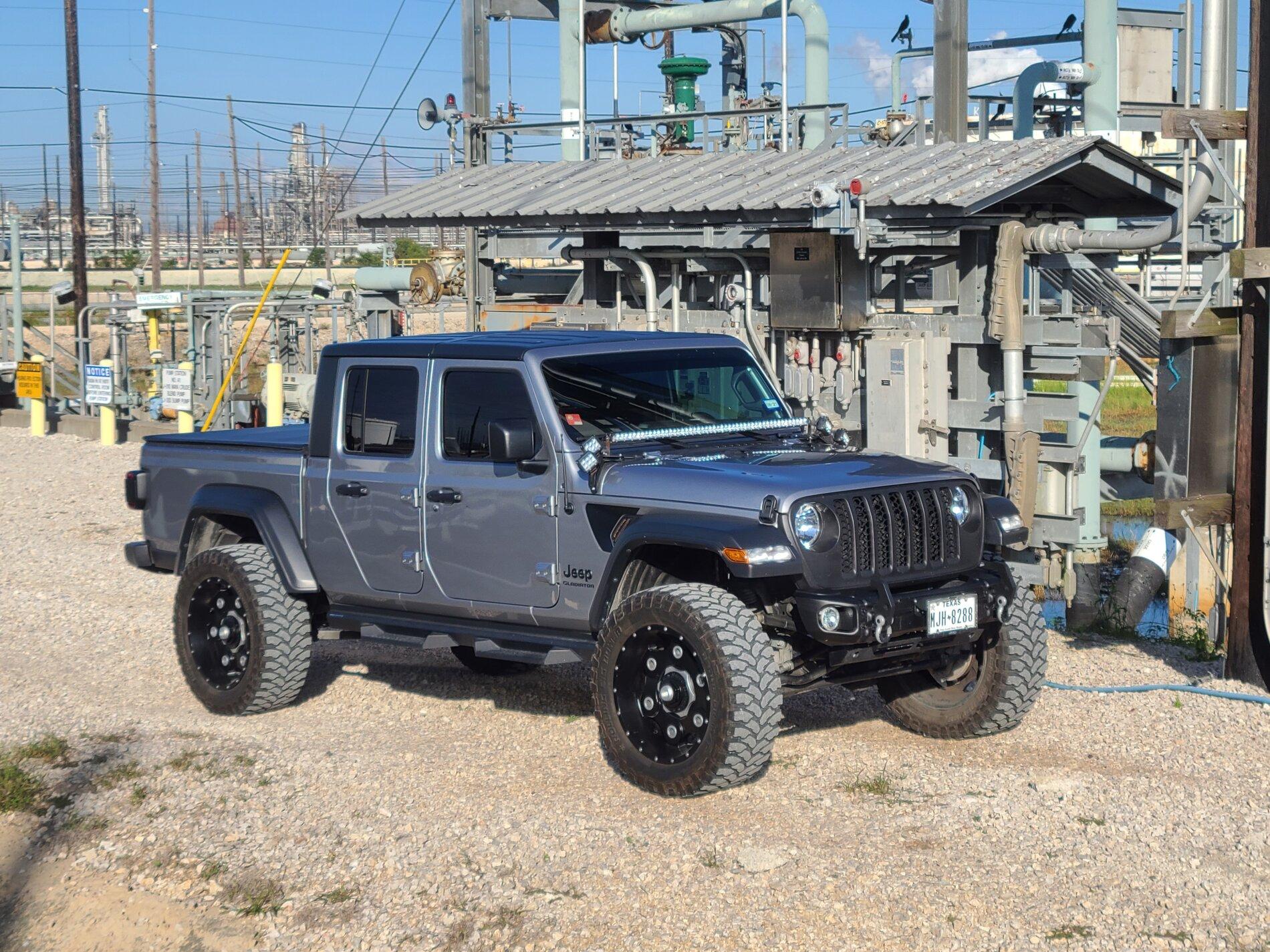
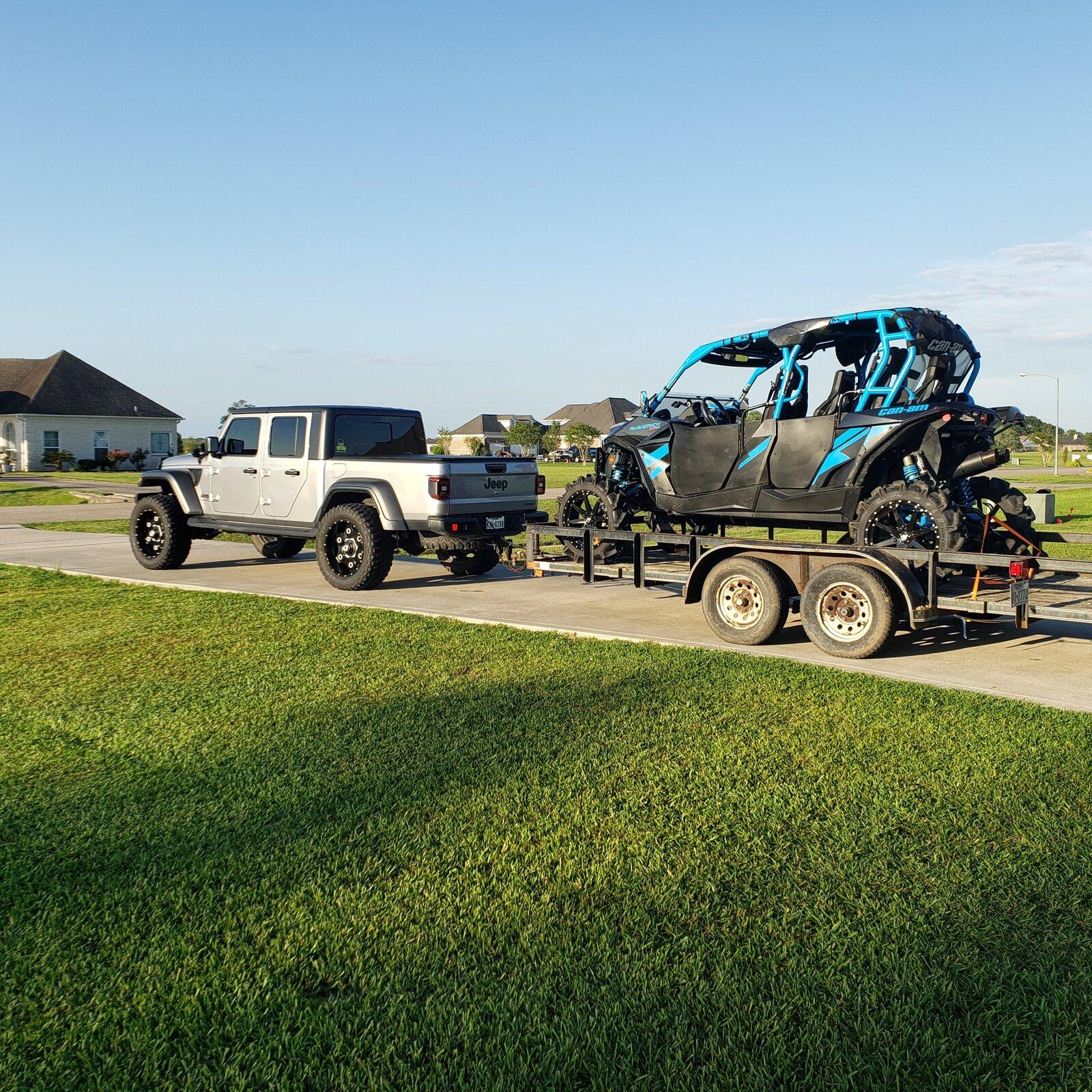
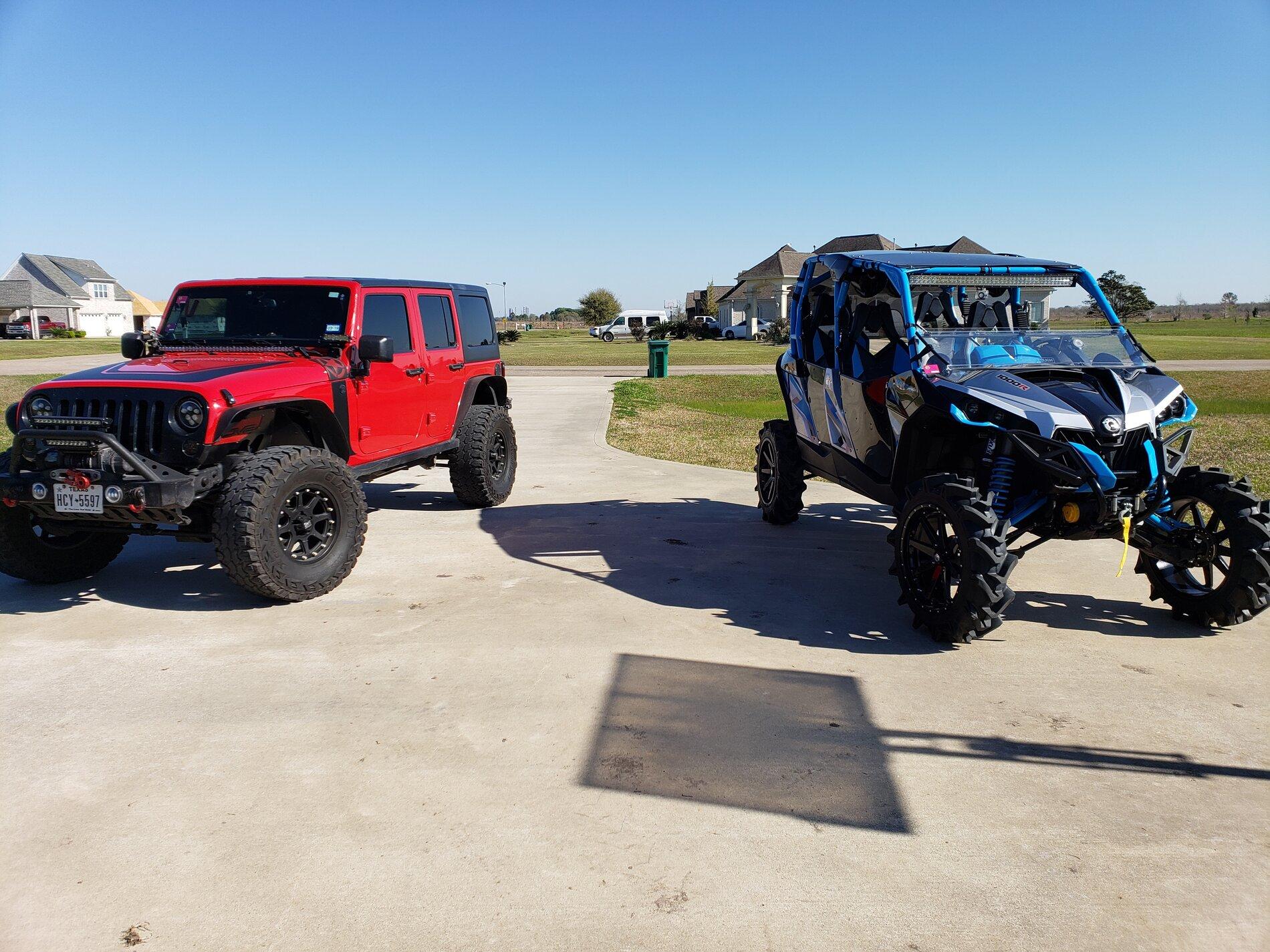
22" w/ 37's. This thing will never see a rock trail. I had 17" w/ 37's on my wrangler but this is a truck that I use for mostly truck things. To each their own. Same type of setup on my SxS 20" w/ 33's - it only sees mud and light trails.

Jeep Gladiator I'm getting old. 20201112_083134


Jeep Gladiator I'm getting old. 20200604_190940


Jeep Gladiator I'm getting old. 20190321_101533
Sponsored


Top