
Wolf Island Diver
Well-Known Member
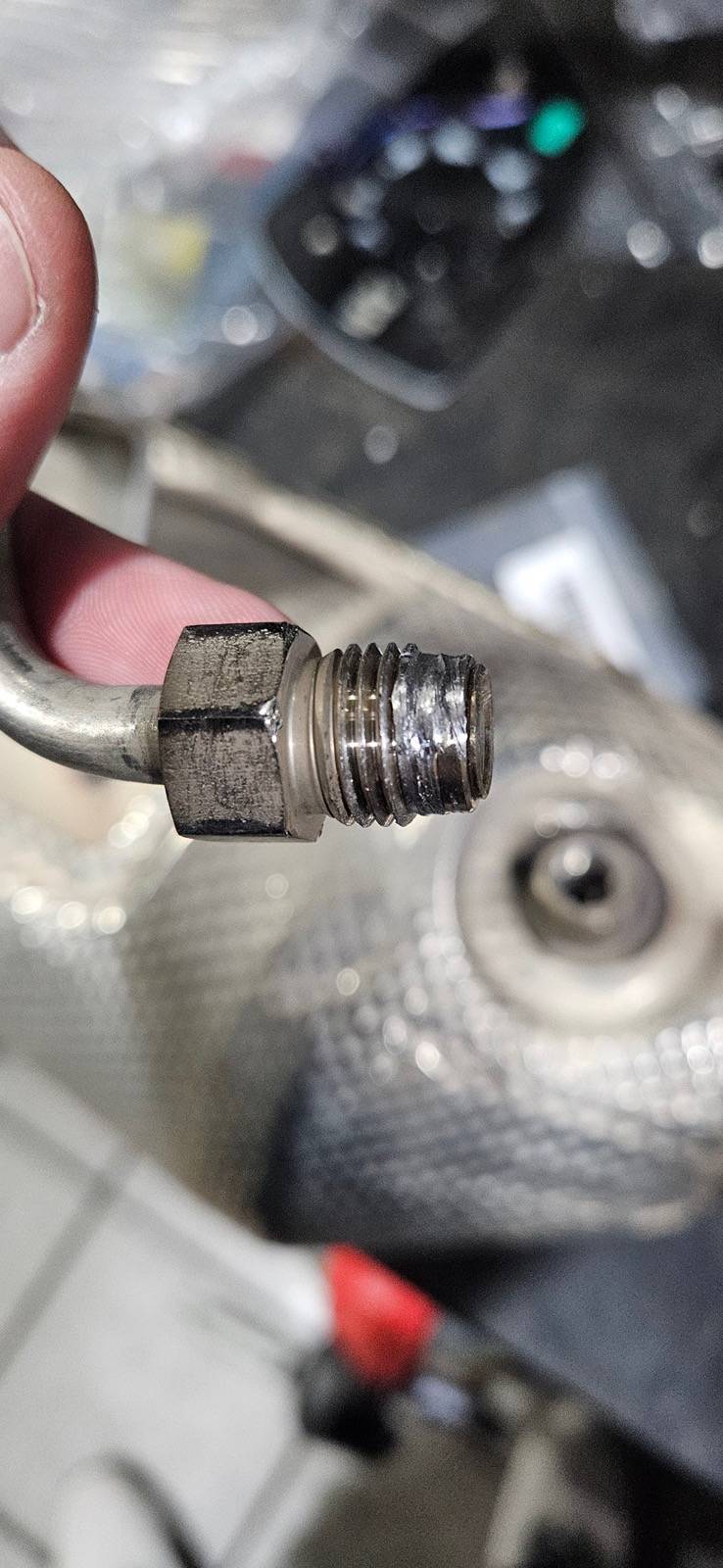
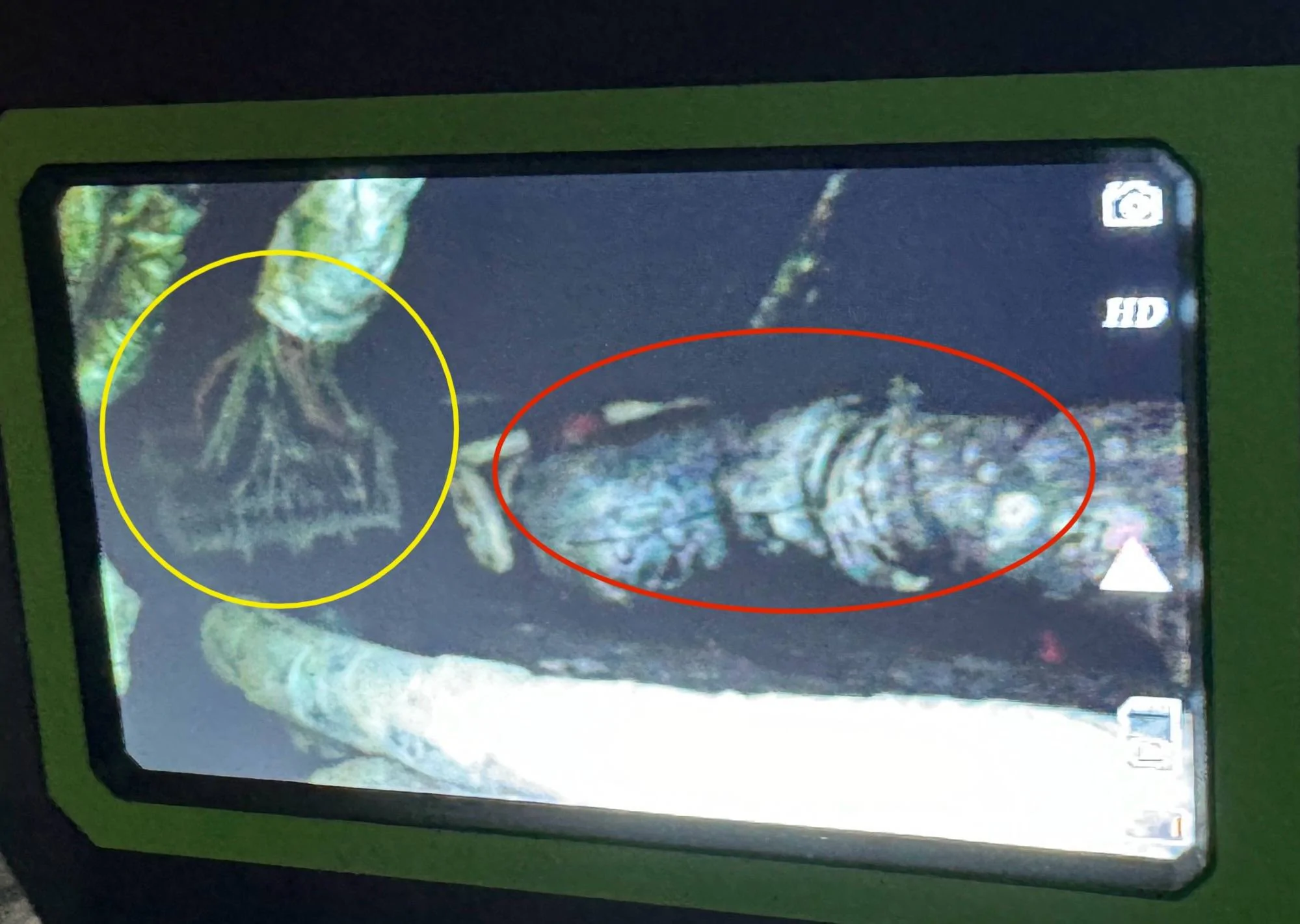
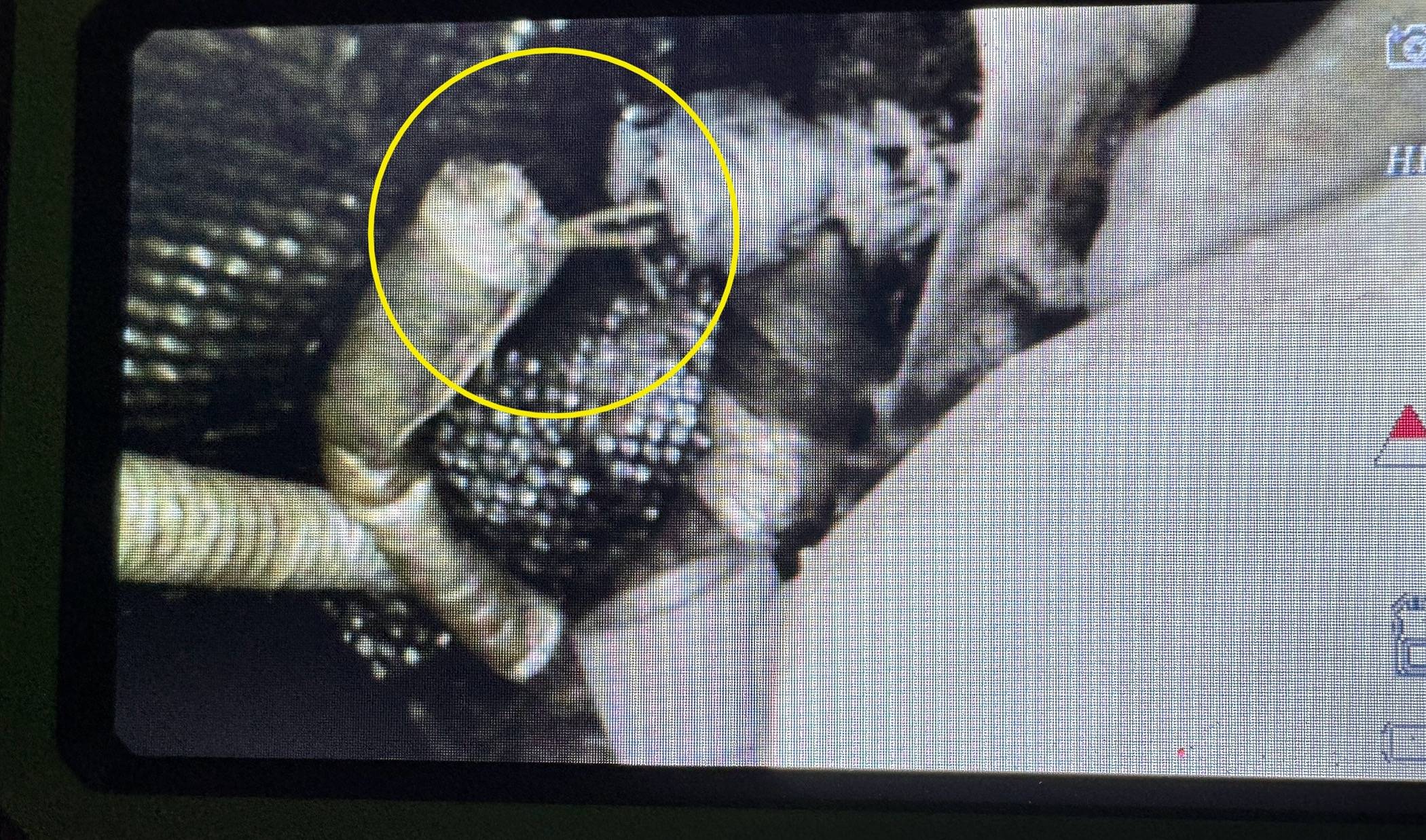
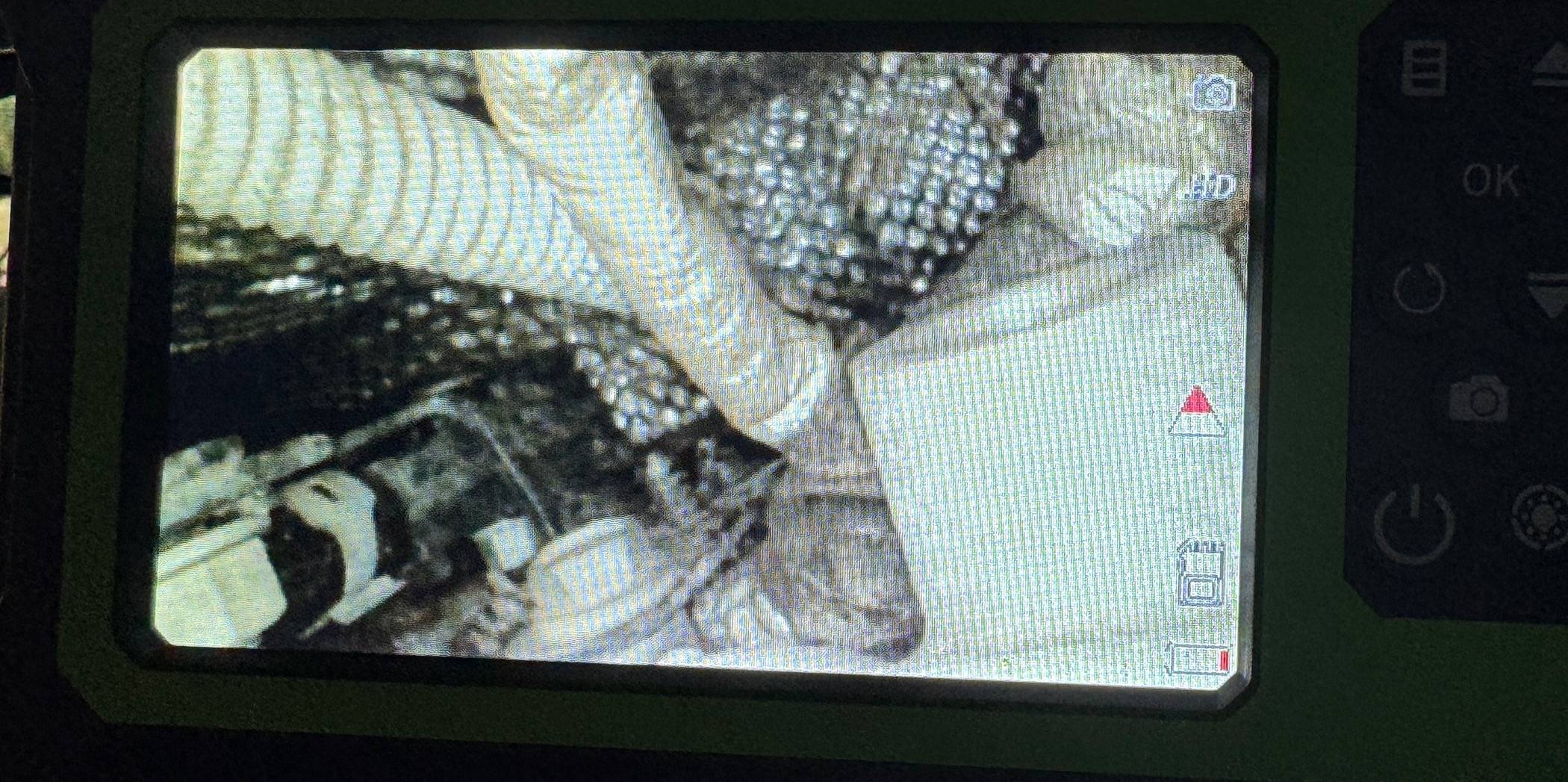
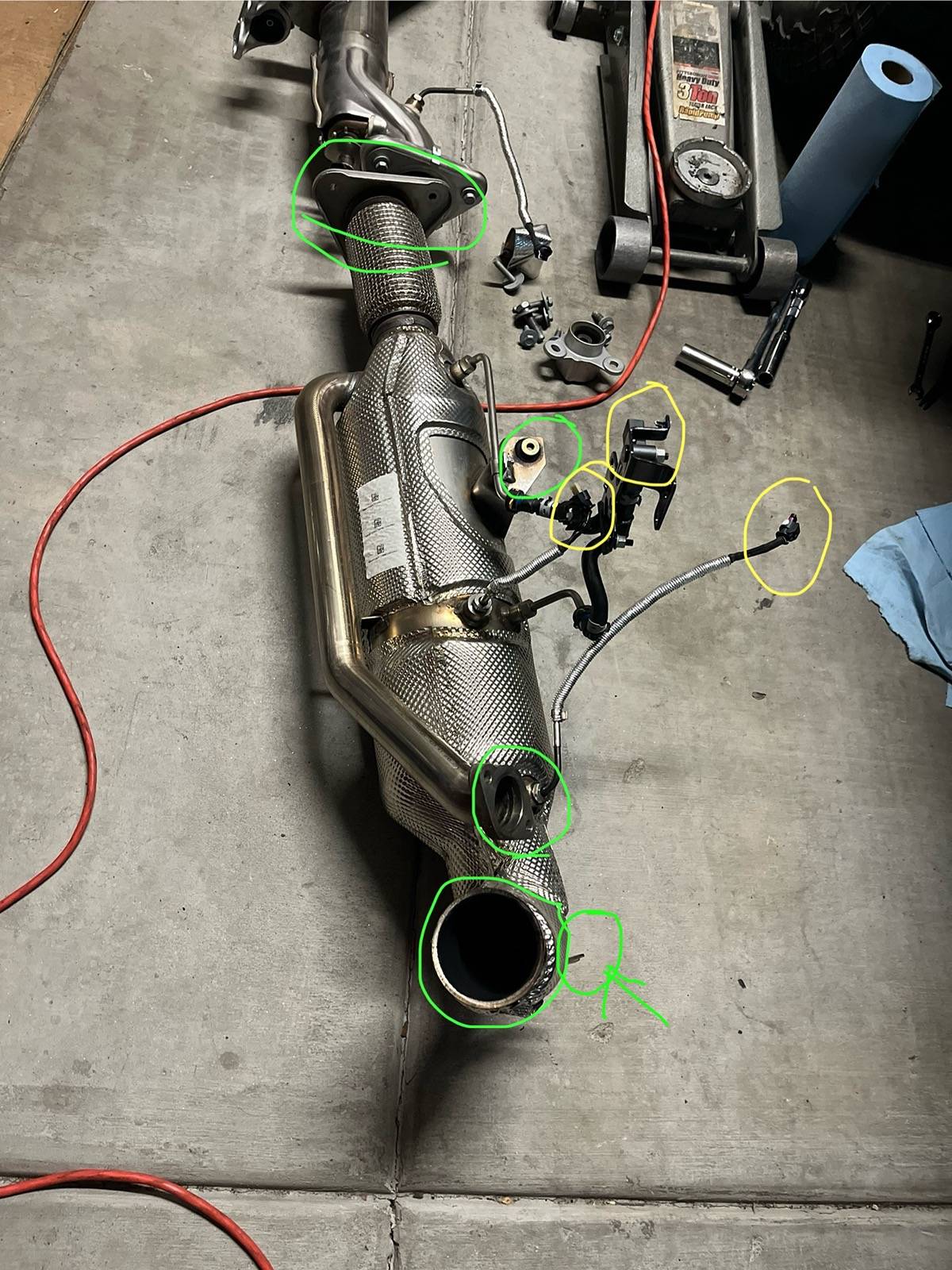
I’m going to check mine this weekend. My impression of the packaging of this engine working on it is that it’s pretty terrible. A lot of things are running all over, are poorly secured, poorly insulated and poorly routed. GM has had similar, but worse problems with the Colorado diesel with heat and vibration screwing up components of the peripheral systems.
Folks might be surprised how similar this kind of problem is to a nuclear submarine in more ways than one. Engineers and designers work within a product model and they route their systems where they see that there’s space. To a designer, it’s just geometry. They hold deconfliction meetings. The engineers are supposed to take into account heat, expansion, contact, exposure to the elements, ease of access for repairs, etc., based on their training, but they fail at this frequently. I don’t know if this is partially an engineering school problem, green labor problem, or lack of common sense, but I know from the defense industry that there’s constant downward pressure on cost and schedule. The incentives are all aligned to approve designs and move it through to production. The private sector is far worse for this because they don’t get to work under cost-plus contracts. There’s far greater risk to profit. In defense shipbuilding, a lot of these design flaws get fixed on the waterfront. I’ve seen a lot of stuff be kludged into working or require formal “redesign” in production or just frequently left not fully working. “It will get fixed during availability” is a common refrain. You’d be surprised how much stuff is solved with tape and RTV on a submarine outside of the propulsion and subsafe systems. The automotive equivalent is letting dealerships, in other words, the customers discover all the problems that schedule wouldn’t permit during preproduction.
I doubt that assembly line workers in Toledo have quite the same power to reengineer the products as they move down the assembly line as shipbuilders or building trades people. So this leaves dealership techs and dealerships submitting reports that result in an investigation at Jeep. But my impression from personal experience but also having family in the auto business is that in the last couple of years dealership techs are far less empowered to do real troubleshooting. There’s real pressure to not do anything without the manufacturers approval. This coupled with green labor and frankly a major generational shift in the underlying technical ability of the people working as auto mechanics, has created a perfect storm. It’s going to get worse.
As a technically knowledgeable customer or just someone that can do 5 minutes of research on the internet, you have to walk this fine line of leading them in the right direction without hurting anyone’s feelings or being labeled a difficult customer. It’s frustrating knowing the problem and having to pull the dealership to catch up. But again, all the incentive are aligned in another way. They throw parts at problems, even though it often wastes money, because it’s the official, approved path that gets the reimbursement. The techs don’t feel empowered and many of them lack the ability to go off reservation and do real troubleshooting. They go by their service portal like STAR.
The one good thing about this particular problem is that it’s an electrical problem with a mechanical root cause. It’s not a computer issue as so many have been. The ECU issues leave everyone at the mercy of the manufacturers software team which is the worst possible situation. That’s the one thing that scares me, they I’ll encounter some issue, that I can’t fix without a ECU fix that doesn’t yet exist.
Folks might be surprised how similar this kind of problem is to a nuclear submarine in more ways than one. Engineers and designers work within a product model and they route their systems where they see that there’s space. To a designer, it’s just geometry. They hold deconfliction meetings. The engineers are supposed to take into account heat, expansion, contact, exposure to the elements, ease of access for repairs, etc., based on their training, but they fail at this frequently. I don’t know if this is partially an engineering school problem, green labor problem, or lack of common sense, but I know from the defense industry that there’s constant downward pressure on cost and schedule. The incentives are all aligned to approve designs and move it through to production. The private sector is far worse for this because they don’t get to work under cost-plus contracts. There’s far greater risk to profit. In defense shipbuilding, a lot of these design flaws get fixed on the waterfront. I’ve seen a lot of stuff be kludged into working or require formal “redesign” in production or just frequently left not fully working. “It will get fixed during availability” is a common refrain. You’d be surprised how much stuff is solved with tape and RTV on a submarine outside of the propulsion and subsafe systems. The automotive equivalent is letting dealerships, in other words, the customers discover all the problems that schedule wouldn’t permit during preproduction.
I doubt that assembly line workers in Toledo have quite the same power to reengineer the products as they move down the assembly line as shipbuilders or building trades people. So this leaves dealership techs and dealerships submitting reports that result in an investigation at Jeep. But my impression from personal experience but also having family in the auto business is that in the last couple of years dealership techs are far less empowered to do real troubleshooting. There’s real pressure to not do anything without the manufacturers approval. This coupled with green labor and frankly a major generational shift in the underlying technical ability of the people working as auto mechanics, has created a perfect storm. It’s going to get worse.
As a technically knowledgeable customer or just someone that can do 5 minutes of research on the internet, you have to walk this fine line of leading them in the right direction without hurting anyone’s feelings or being labeled a difficult customer. It’s frustrating knowing the problem and having to pull the dealership to catch up. But again, all the incentive are aligned in another way. They throw parts at problems, even though it often wastes money, because it’s the official, approved path that gets the reimbursement. The techs don’t feel empowered and many of them lack the ability to go off reservation and do real troubleshooting. They go by their service portal like STAR.
The one good thing about this particular problem is that it’s an electrical problem with a mechanical root cause. It’s not a computer issue as so many have been. The ECU issues leave everyone at the mercy of the manufacturers software team which is the worst possible situation. That’s the one thing that scares me, they I’ll encounter some issue, that I can’t fix without a ECU fix that doesn’t yet exist.
Sponsored