Lunentucker
Well-Known Member
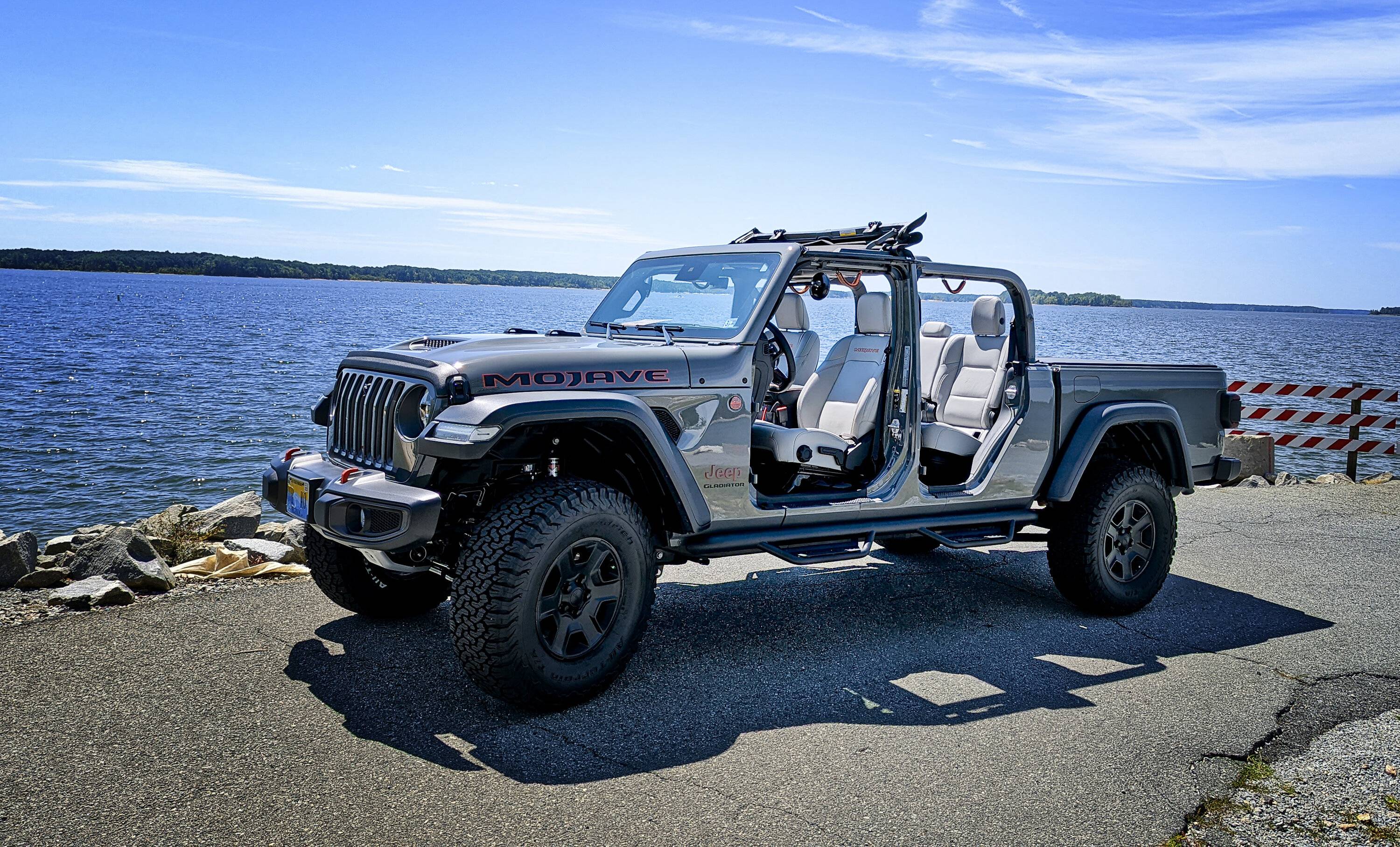
The gray (almost white) leather is perfection

Sponsored


Thats where ACC really shines. Long one lane roads where you can't pass but you're stuck behind people varying their speeds. Much more comfortable to just set the ACC and relax a bitI love my leather seats vs cloth. I think the cloth might last longer overall but leather is nice and easy to clean as others have said.
Adaptive cruise is awesome as well. I drive a stretch that people constantly vary speed even thought the single lane is straight and rural. Think of Adaptive as an answer to those in front of you that can't use cruise control. You also can use regular cruise too but Adaptive let's you relax.
The most impressive feature to me is the keyless entry. Touch the door handle with keyfob in pocket and every door unlocks. Most seamless, keyless entry I've used.

Exactly!Thats where ACC really shines. Long one lane roads where you can't pass but you're stuck behind people varying their speeds. Much more comfortable to just set the ACC and relax a bit
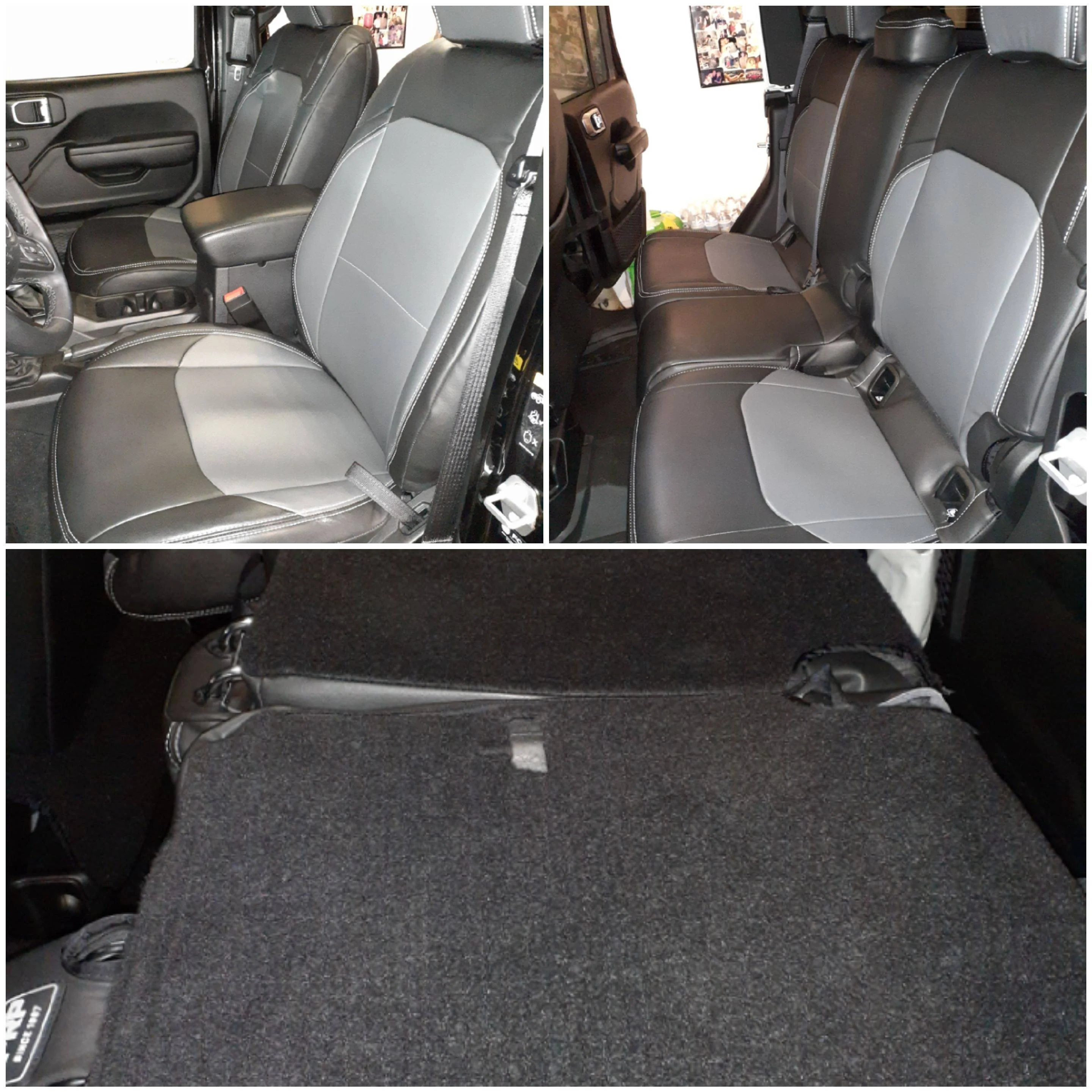
Why dont you use it in those cases? I actually think it works better for high wind/crosswind and mountains as it just keeps me following traffic and not worrying what the car Infront of me is doing in response to the wind/mountains (with in reason of course).Leather for the win, easy to clean w/out leaving a bunch of dust baked in.
Now for the ACC, well, it depends.
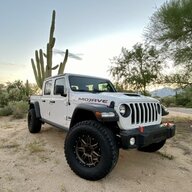
tire size/weight -> I would NOT get it on something with high rolling resistance or wind drag; so no for Mojave, Rubi, and lifted. Stock Sahara, overland, HA builds on flatlands is nice.
terrain/high-winds/high-speed -> I would call it “iffy” in the rolling hills of Missouri, best used around 60mph or under; not good on interstates trying to roll at 75mph or in side-winds and head-winds.
going around the slow poke -> now this is different for each manufacturer. In my Avalon the ACC would smoothly accelerate back up to cruising speed. In the Jeep it’s more of a hard-core, downshift 3 gears, high RPM event.
I love having heated and cooled seats. There are many times I use heat on the way to work and cool on the way home. I’m in Michigan, our weather is ideal for it. Not much UV and seems to be colder more than warm.It's too hot and too cold where I am for leather. I'm also fairly high up, so the UV beats the hell out of it if you don't have tint and a shield for the windscreen. With cloth I don't need heated or cooled seats, and they don't burn the crap out of the back of my thighs when I first sit down in the summer.
I’m sure that it works, I just don’t like cruise control when it makes the RPMs go over 3,500. Regardless of miles, I figure that an engine has only so many revolutions in it before it dies, so I tend to try to keep the rpms for highway between 1800 and 2200. If I’m pulling a hill, and cruise control bumps up the rpm’s more than I like, I usually take a manual override and let the speedos drop by 5 or 10, and let the motor chill out; then I’ll put the cruise back on when I can.Why dont you use it in those cases? I actually think it works better for high wind/crosswind and mountains as it just keeps me following traffic and not worrying what the car Infront of me is doing in response to the wind/mountains (with in reason of course).
It also works fine on large tires and lifts, I'm on 39s and a Clayton 2.5 lift, it still keeps speed and the sensor is smart enough to hit the brakes harder to achieve the deceleration it wants.
Makes sense, I don't really subscribe to that school of thought when it comes to engines. I'm more of an Italian tune-up kind of guy, so occasional wot and varying rpms in my mind keeps it lubed and moving and in the right temperature ranges.I’m sure that it works, I just don’t like cruise control when it makes the RPMs go over 3,500. Regardless of miles, I figure that an engine has only so many revolutions in it before it dies, so I tend to try to keep the rpms for highway between 1800 and 2200. If I’m pulling a hill, and cruise control bumps up the rpm’s more than I like, I usually take a manual override and let the speedos drop by 5 or 10, and let the motor chill out; then I’ll put the cruise back on when I can.
because of my approach/style, I tend to intervene on my Mojave a lot, and rarely on my wife’s HA.
I’m usually trying to reduce the things that will shorten the lifespan of my vehicles more than I like; those enemies being things like friction, heat, UV, salt, pressure. I’ll have some fun on the trails, but I’m not going to gun it for on-ramps.
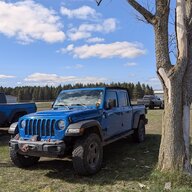
Isn't it bad to lug the engine? I think these gas engines like RPM.If I’m pulling a hill, and cruise control bumps up the rpm’s more than I like, I usually take a manual override and let the speedos drop by 5 or 10, and let the motor chill out; then I’ll put the cruise back on when I can.
For me, I might manual override to drop the rpm’s from say 4500+ down to 2500 to 3k; I would agree that you wouldn’t generally want to be pulling a hill on an interstate in MOKA below 2k. We all think of hills where we live, and we all live in different areas. If you’re climbing the mountains near Pigeon Forge in Tennessee ( or Pikes Peak in Colorado) I can see the rpm’s hanging in that 3300 range because the grade is steeper. I might have a different opinion if I actually trailered anything worth while.Isn't it bad to lug the engine? I think these gas engines like RPM.
If the engine wants to downshift, let it.For me, I might manual override to drop the rpm’s from say 4500+ down to 2500 to 3k; I would agree that you wouldn’t generally want to be pulling a hill on an interstate in MOKA below 2k. We all think of hills where we live, and we all live in different areas. If you’re climbing the mountains near Pigeon Forge in Tennessee ( or Pikes Peak in Colorado) I can see the rpm’s hanging in that 3300 range because the grade is steeper. I might have a different opinion if I actually trailered anything worth while.
I always thought that you would get the most life out of your engine, right at the base of the power band, at the point of inflection; so I mostly try to keep my engine there, or a little above ( using engine breaking for descending is a tad different ).
for what it’s worth, I would happily defer to someone that’s an engine expert on these newer engines with fuel injection and slightly higher compression. my knowledge is based on what I learned from growing up in a mechanic house. I work on my own vehicles unless the cost of tools, labor, or expertise is beyond what I can handle ( less than a handful of times over the last 20+ years )
by all means, you do you, I’m not trying to persuade anyone on this topic. I’m happy to learn from anyone that can provide mitigating detail.
https://www.jeepgladiatorforum.com/forum/threads/what-rpm-do-you-like-on-the-freeway.39543/For me, I might manual override to drop the rpm’s from say 4500+ down to 2500 to 3k; I would agree that you wouldn’t generally want to be pulling a hill on an interstate in MOKA below 2k. We all think of hills where we live, and we all live in different areas. If you’re climbing the mountains near Pigeon Forge in Tennessee ( or Pikes Peak in Colorado) I can see the rpm’s hanging in that 3300 range because the grade is steeper. I might have a different opinion if I actually trailered anything worth while.
I always thought that you would get the most life out of your engine, right at the base of the power band, at the point of inflection; so I mostly try to keep my engine there, or a little above ( using engine breaking for descending is a tad different ).
for what it’s worth, I would happily defer to someone that’s an engine expert on these newer engines with fuel injection and slightly higher compression. my knowledge is based on what I learned from growing up in a mechanic house. I work on my own vehicles unless the cost of tools, labor, or expertise is beyond what I can handle ( less than a handful of times over the last 20+ years )
by all means, you do you, I’m not trying to persuade anyone on this topic. I’m happy to learn from anyone that can provide mitigating detail.


