Sponsored

Diesel cooling options and ideas

tjZ06

Active Member
First Name
TJ
Joined
Jul 7, 2021
Threads
1
Messages
30
Reaction score
48
Location
Palo Alto, CA
Vehicle(s)
'03 JGC Overland 4.7 HO, '18 JGC Trackhawk 6.2 SC
Occupation
Tech
Are you talking about it leaking cause of the frame having some flex,interesting thanks for the info cause I do intend to actually wheel my new ecodiesel once I receive it in like 2 months but yeah :D
Read my reply to him. That's why radiators already aren't hard-mounted, and the factory radiator is plastic and aluminum. A higher quality, thicker-gauge all-aluminum aftermarket radiator isn't going to be more leak-prone due to flexing, it will be less leak-prone...

-TJ
Sponsored


ShadowsPapa

Well-Known Member
First Name
Bill
Joined
Oct 12, 2019
Threads
247
Messages
40,440
Reaction score
53,853
Location
Runnells, Iowa
Vehicle(s)
'25 JTMX, '23 JLU 4xe, '82 SX4, '73 Javelin
Occupation
Retired auto mechanic, frmr gov't ntwrk security admin
Vehicle Showcase
3
no one mentioned a lower temp thermostat. banks offers one.
Thermostats set MIMIMUM operating temperature and have nothing at all to do with maximum.
That's a fact.
The only time a thermostat is involved in overheating is if it won't open.
Otherwise, snake oil....... it has no impact.
 

ShadowsPapa

Well-Known Member
First Name
Bill
Joined
Oct 12, 2019
Threads
247
Messages
40,440
Reaction score
53,853
Location
Runnells, Iowa
Vehicle(s)
'25 JTMX, '23 JLU 4xe, '82 SX4, '73 Javelin
Occupation
Retired auto mechanic, frmr gov't ntwrk security admin
Vehicle Showcase
3
you are basically cooling sooner in the temp range, which would give the radiator a head start at shedding heat before you start to build it. Low temp thermostats aren't anything new and have been used for years. It's a cheap and easy mod to try verse some of the stuff talked about here..... horns being the cause for overheating....:facepalm:
Old wive's tale. Trust me, I've worked on overheating cars for decades. There's no such thing as a head start. Sooner? Totally wrong. The fact the thermostat isn't fully open for while when warming up counters your point.
There's no heat to shed.
No wonder people get so confused.
 

Sniper

Well-Known Member
First Name
Ben
Joined
Jun 14, 2020
Threads
9
Messages
45
Reaction score
50
Location
Midwest
Vehicle(s)
Subaru, Ecodiesel Gladiator Rubicon JT370 AEV pkg.
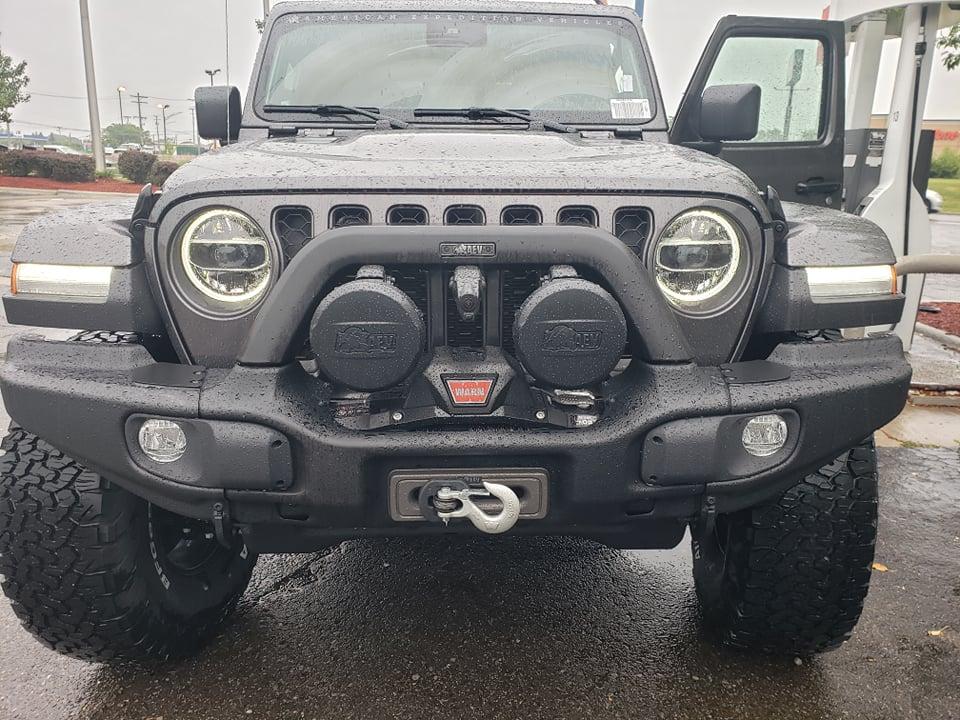
I have not had over heating problems yet in my 2021 Eco Diesel Rubicon Gladiator with my new serial number 1 bumper (has low profile winch inside bumper and fog lights under radiator bottom of bumper) but I have not towed yet. Back in the mid to late 80's I designed a radiator for a national forklift company to stop their forklifts from over heating at paper mills. I opened up the air flow in the fins to not clog as easy with paper hence lowered the velocity and increased the volume at the paper plants but because I lost heat transfer I then added heat transfer in the driving direction by adding cores to make the radiator thicker (deeper), in another words if it was a 3 inch core I made it a 5 inch core in the driving direction to increase the heat transfer.

For instance here is a place that makes custom radiators:
https://detroitradiatorcorp.com/drc/page/manufacturing_capabilities

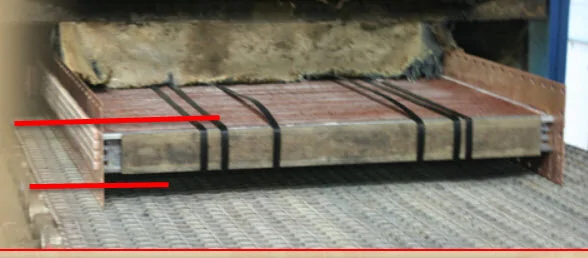
Have the core made thicker (deeper)

Jeep Gladiator Diesel cooling options and ideas deeper 2021-07-10_0-46-23


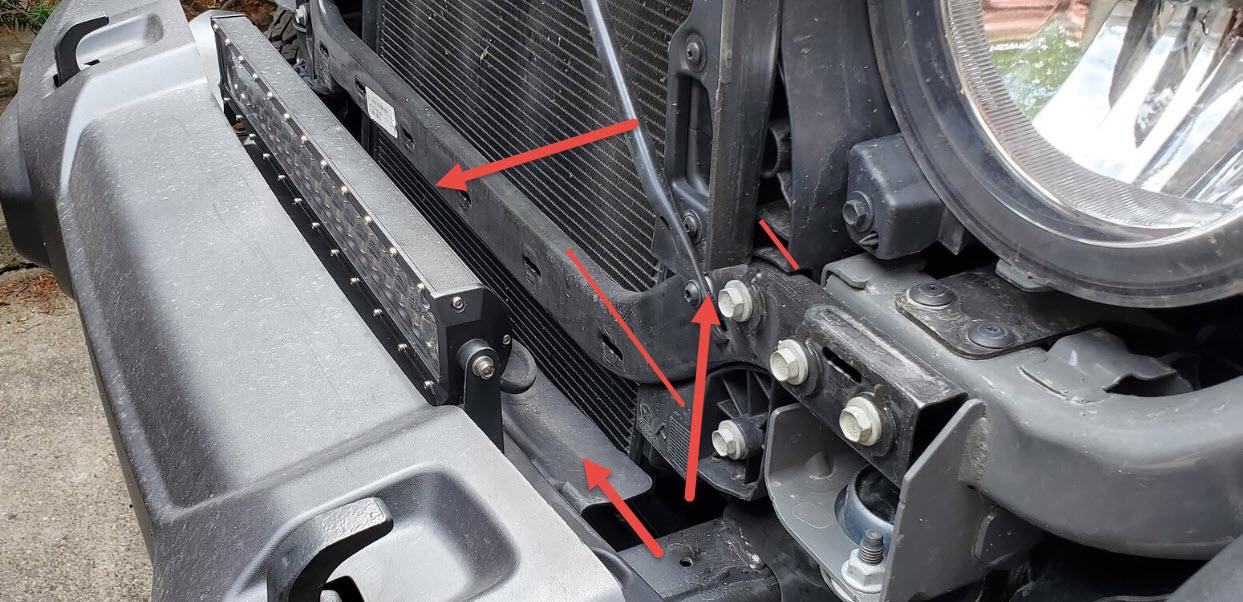
This is the OP's Bumper who started this thread: There is room to fit the thicker core in the driving direction , the front bracket will need to be moved out and that flap cut but there is lots of space like this:
Jeep Gladiator Diesel cooling options and ideas deeper two 2021-07-10_0-48-24


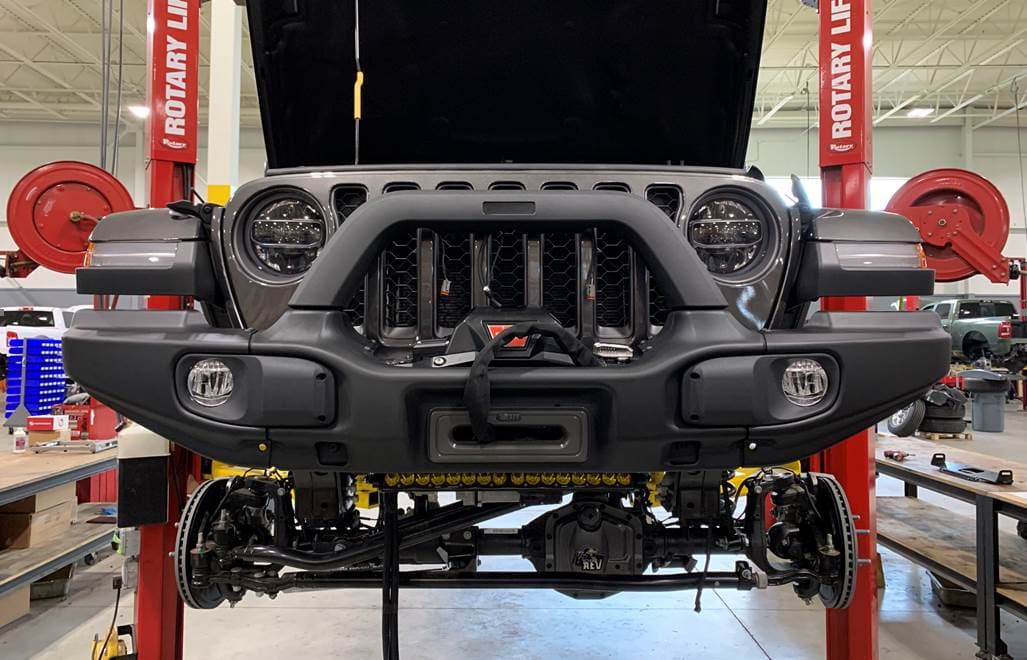
Here is my serial number 1 new bumper after installation, I have the winch buried inside it and the ends come off if I want it to be a stubby. (This bumper has low profile winch inside bumper and fog lights under radiator bottom of bumper). Notice below at bottom picture when lights added it interferes with air flow. I'm thinking of designing a ram tube for air flow behind the lights to reduce the pressure drop.

Jeep Gladiator Diesel cooling options and ideas build 201476290_4304886856230221_3256099913582460276_n


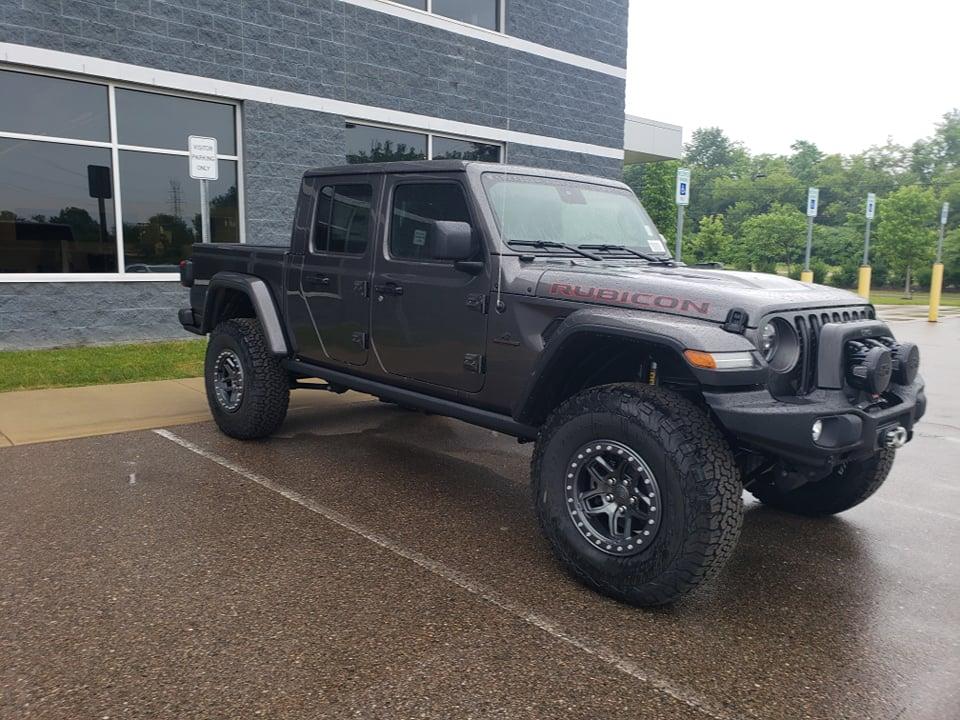
I'm now concerned about my off road lights restricting air flow. Notice the lights restrict air flow; I'm thinking of designing a ram tube for air flow behind the lights to reduce the pressure drop. My manometer will measure if it's (lights) restricting air flow for air to water heat transfer, see picture below.?

Jeep Gladiator Diesel cooling options and ideas glad pic in front of AEV 205516862_1484672865213982_394635747709688818_n


I need to reduce the pressure drop behind the lights, I'm going to take a manometer and measure the pressure drop behind the lights to assess if I have a high delta P. If the drop is high then I will design a ram to eliminate the pressure drop or move the lights.

Jeep Gladiator Diesel cooling options and ideas pic glad front 203971843_601921474119217_7443265500736642247_n


✌
 
Last edited:

redrider

Well-Known Member
First Name
Joe
Joined
Apr 29, 2019
Threads
5
Messages
596
Reaction score
891
Location
Columbia
Vehicle(s)
1 truck 5 motorcycles
A lot of LEO's pop the hood when idling for extended periods. Does it help? Lately, the temp gauge comes up to halfway at the drive through, waiting for the supposedly quick stop at the grocery store etc. It will come down a bit if idling in P or N as the higher idle speed circulates faster. Not much but noticeable. So, do you need a higher flow water pump and more air flow? Open the side vents and find or design a vented hood similar to the Rubi one but with operational louvers that divert water away AND allow air to escape. A while back some one posted a photo of an aftermarket extraction hood. Vents on the side with air coming in at the back and channeled to the airbox. Looked nice and well made, plastic though.
 

Sponsored

Jaxmax

Well-Known Member
First Name
Jack
Joined
Jun 28, 2020
Threads
54
Messages
2,856
Reaction score
4,637
Location
Bally, Pa.
Vehicle(s)
Jeeps....... 2021 Mojave , 2019 Wrangler
Occupation
Electrical Manager
The horns annoy me on my Mojave, all Gladiators had special grill slots on grill to allow more airflow, then they mount horns flat blocking the radiator a little bit! One other area to look at is you really only have five full slots the outside two are blocked or have air box intake, moving horns that way, or even installing a air vent with back draft flap would perhaps get more air into engine bay. I think the easiest quickest and best option would be opening a Rubicons hood vent to allow heat to leave engine bay, people think the hood scoops are functional on the Rubicon, but the holes you see are to direct water to under hood to drian out, there are options out there for grills.I agree with your idea about getting air to bottom of radiator or raising radiator a bit.
Still if Jeep was struggling to help cooling on the diesel, why not put a vented Rubicon hood on it for small change really?.....Jack
 

CaptNkllm

Well-Known Member
Joined
Nov 11, 2020
Threads
6
Messages
168
Reaction score
118
Location
Downtown
Vehicle(s)
2021 Gladiator
Don’t tow with my gladiator but I do tow it behind my diesel motorhome..

came through brianhead headed to duck creek.. very steep switch back and tight turns. Coach weighs in at about 32k with gladly behind it.. never ran hot or over heated .. I kept the motor in the upper rpm’s and down shifted.. sometimes only going 25 mph but she stayed at 200.. maybe some of you guys just need to down shift and not keep your foot in it. Once you find the happy spot .. keep it.
But if you are saying you are still having an issue. Like the op I’d start by reomiving the grill and hood to start. Maybe change the front skid to a customer scoop dam of sorts.
Towing is not just get in and floor it.. there is a fine line from rpm’s to heat displacement
 

ShadowsPapa

Well-Known Member
First Name
Bill
Joined
Oct 12, 2019
Threads
247
Messages
40,440
Reaction score
53,853
Location
Runnells, Iowa
Vehicle(s)
'25 JTMX, '23 JLU 4xe, '82 SX4, '73 Javelin
Occupation
Retired auto mechanic, frmr gov't ntwrk security admin
Vehicle Showcase
3
The horns annoy me on my Mojave, all Gladiators had special grill slots on grill to allow more airflow, then they mount horns flat blocking the radiator a little bit! One other area to look at is you really only have five full slots the outside two are blocked or have air box intake, moving horns that way, or even installing a air vent with back draft flap would perhaps get more air into engine bay. I think the easiest quickest and best option would be opening a Rubicons hood vent to allow heat to leave engine bay, people think the hood scoops are functional on the Rubicon, but the holes you see are to direct water to under hood to drian out, there are options out there for grills.I agree with your idea about getting air to bottom of radiator or raising radiator a bit.
Still if Jeep was struggling to help cooling on the diesel, why not put a vented Rubicon hood on it for small change really?.....Jack
Those horns aren't blocking anything. The air up there is under pressure and will make it past those horns.
Speaking of theory and science - if the air right ahead of the radiator is under any pressure at all - then it expands going through the radiator, it would remove MORE heat as air expanding or under decreasing pressure actually removes more heat as it expands than air that is simply flowing. Think carburetor icing at 38 degrees. Think canned air as you blow off your keyboard and the can gets icy cold.
If anything causes air to be under higher pressure ahead of the radiator, then it is allowed to expand again going through, it actually aids heat removal.

The horns are nothing in the grand scheme of things - removing or moving them won't do anything to help but if it makes people FEEL GOOD, move 'em. A lot of times that's all it takes, someone to believe or feel better about it.

If it mattered, ya think Jeep wouldn't have put them somewhere else? Really? With all the scrambling they did for heat removal?
 

Odubi

Well-Known Member
First Name
Shane
Joined
Sep 5, 2020
Threads
26
Messages
73
Reaction score
76
Location
Alberta Canada
Vehicle(s)
2021 Gladiator Rubicon Diesel
Occupation
Regional Service Manager
If mounted properly the radiator shouldn't be flexed when the frame (or unibody like my WJ) flexes, at least to a reasonable extent. Pretty much EVERY radiator is aluminum now days anyway, I don't see many brass radiators anymore. ;) The stock radiator is aluminum, it just has plastic end tanks and like all AL/plastic radiators they're most likely to leak where the plastic end tanks are bonded to the AL core.


-TJ
Nearly every review on
Read my reply to him. That's why radiators already aren't hard-mounted, and the factory radiator is plastic and aluminum. A higher quality, thicker-gauge all-aluminum aftermarket radiator isn't going to be more leak-prone due to flexing, it will be less leak-prone...

-TJ
There are a staggering amount of reviews of Mishimoto and flexilite aluminum radiators leaking after a year that would beg to differ. The bonus is both companies have lifetime warranties and will replace no questions asked but you have to replace once a year. I’m not trying to prove you wrong just my observations. Another bonus are the reviews, they work and do keep things considerably cooler.
 

Sponsored

redrider

Well-Known Member
First Name
Joe
Joined
Apr 29, 2019
Threads
5
Messages
596
Reaction score
891
Location
Columbia
Vehicle(s)
1 truck 5 motorcycles
The horns annoy me on my Mojave, all Gladiators had special grill slots on grill to allow more airflow, then they mount horns flat blocking the radiator a little bit! One other area to look at is you really only have five full slots the outside two are blocked or have air box intake, moving horns that way, or even installing a air vent with back draft flap would perhaps get more air into engine bay. I think the easiest quickest and best option would be opening a Rubicons hood vent to allow heat to leave engine bay, people think the hood scoops are functional on the Rubicon, but the holes you see are to direct water to under hood to drian out, there are options out there for grills.I agree with your idea about getting air to bottom of radiator or raising radiator a bit.
Still if Jeep was struggling to help cooling on the diesel, why not put a vented Rubicon hood on it for small change really?.....Jack
Because the vents are factory cosmetic add ons with little to do with air flow unless you mod them, just like the side vents.
 

Terminus33

Well-Known Member
First Name
Ernie
Joined
Jul 3, 2020
Threads
6
Messages
363
Reaction score
662
Location
Ocala FL
Vehicle(s)
2020 Gladiator 2019 Cherokee
Occupation
Pool Tech
I look forward to the results of your testing. Sadly, I doubt that you will come up with anything better than what the Jeep Engineers have already done.
I think most people here would defiantly be able to come up with something better than the Jeep engineers because those engineers are bound to keep the Jeep image and shape, including the 7 slot grill and general shape of the hood. People looking for maximum cooling gains can throw that constraint out the window.

Some thoughts. The solution is some combination of:

1) install a larger radiator made out of a more conductive material (aluminum). Here is one option.
https://www.extremeterrain.com/cold-case-jeep-wrangler-aluminum-performance-radiator-moj996.html

2) Get more air to the radiator - like the op said, remove obstructions like horns and grill trim. Though I don't think this is really going to help much. Aircraft use much larger radiator or fins than the actual opening will cover. Think of the area between the grill and the radiator as a high pressure plenum. But it can't hurt.

3) Add additional radiators. How much space is there between the grill and the current radiator? Is there room for another radiator in front of the original? Additional cooling area will help, even if it reduces the efficiency of the current radiator. Essentially make an extra thick radiator by putting another one in front of the OEM radiator.

4) Add an oil cooler - (not in front of the radiator) - any heat you can remove from the oil means the less heat the oil will shed into the coolant.

Other ideas, but less practical.

5) help the engine make less heat. This really means make it so the engine doesn't need to make as much power.
a - Take off those 37s when you are towing and put on some normal 255/75 - 17 street tires. Look at aerodynamics.
b - Move the load as close to the Jeep as is possible without creating too much tongue weight.
c - put a tonneau cover on the jeep to reduce drag. If you don't have one, leave the tailgate down. That helps a lot.
d - Do you really need that 150# front bumper with the 100# winch attached to it? ;-)

6) build a pressure plenum between the grill and radiator. That way the air can't go around the radiator but must go through it. We used to do that on race cars and bikes to help with cooling.

7) work to maximize air extraction from the engine bay - flow through the radiator is a function of the pressure differential between the front of the radiator and the rear. If you open up vents and build a plenum you will maximize pressure at the front.

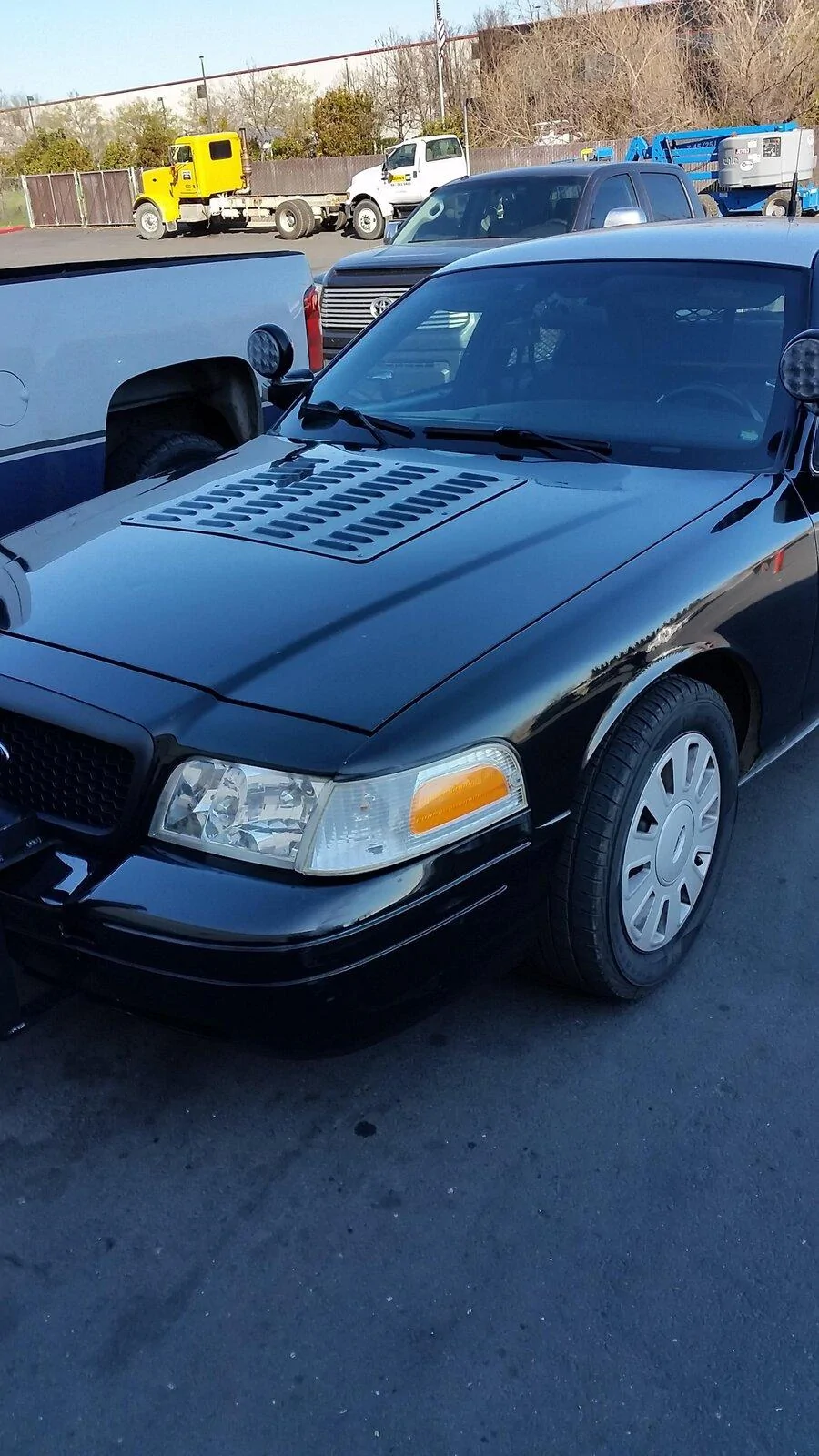
Now you need to think about evacuating the air from the rear of the engine compartment behind the radiator. I don't know, it may be well vented as is. But I think someone mentioned making the fender vents functional. One other option is an extractor vent at the back end of the hood. Like the old hot rods had.

Louvers like this will reduce the pressure under the hood. Though I think a couple of large ones at the rear of the hood will look better on a jeep.
Everything you mentions seems like a step in the right direction except your number 5 section C. It been independently tested and also the Mythbusters did their own way of explaining it that the default truck bed is best for airflow as a turbulent pocket of flowing air is a better buffer of airflow over the back of the truck than a horizontal solid plane.

Post with included video
 

staying_tuned

Well-Known Member
First Name
Mike
Joined
Jan 11, 2021
Threads
54
Messages
777
Reaction score
1,215
Location
Kentucky
Vehicle(s)
Previous: TJx2, JKx1, JKUx1
Build Thread
Link
Occupation
Software Architect
PTP makes quality lava rock based turbo blankets. Had great results running their blankets on hopped up cars over the years and I know they make OEM full frame blankets for those that opt for wheel/bearing upgrades. The are so effective that you can walk up and touch a blanketed unit after pulls. Although I’ve heard that they work so well they can lead to cooked oil of not idled before shutoff, I’ve never actually seen the blanket being the cause. It’s almost always degraded (or low) oil. Yeah, I’ll likely reach out and see if they have a match for the Gen 3 unit.

Anyone know if the Gen 3 starts as a Honeywell M1S45?
 

tjZ06

Active Member
First Name
TJ
Joined
Jul 7, 2021
Threads
1
Messages
30
Reaction score
48
Location
Palo Alto, CA
Vehicle(s)
'03 JGC Overland 4.7 HO, '18 JGC Trackhawk 6.2 SC
Occupation
Tech
Some thoughts. The solution is some combination of:

1) install a larger radiator made out of a more conductive material (aluminum). Here is one option.
https://www.extremeterrain.com/cold-case-jeep-wrangler-aluminum-performance-radiator-moj996.html

2) Get more air to the radiator - like the op said, remove obstructions like horns and grill trim. Though I don't think this is really going to help much. Aircraft use much larger radiator or fins than the actual opening will cover. Think of the area between the grill and the radiator as a high pressure plenum. But it can't hurt.

3) Add additional radiators. How much space is there between the grill and the current radiator? Is there room for another radiator in front of the original? Additional cooling area will help, even if it reduces the efficiency of the current radiator. Essentially make an extra thick radiator by putting another one in front of the OEM radiator.

4) Add an oil cooler - (not in front of the radiator) - any heat you can remove from the oil means the less heat the oil will shed into the coolant.

Other ideas, but less practical.

5) help the engine make less heat. This really means make it so the engine doesn't need to make as much power.
a - Take off those 37s when you are towing and put on some normal 255/75 - 17 street tires. Look at aerodynamics.
b - Move the load as close to the Jeep as is possible without creating too much tongue weight.
c - put a tonneau cover on the jeep to reduce drag. If you don't have one, leave the tailgate down. That helps a lot.
d - Do you really need that 150# front bumper with the 100# winch attached to it? ;-)

6) build a pressure plenum between the grill and radiator. That way the air can't go around the radiator but must go through it. We used to do that on race cars and bikes to help with cooling.

7) work to maximize air extraction from the engine bay - flow through the radiator is a function of the pressure differential between the front of the radiator and the rear. If you open up vents and build a plenum you will maximize pressure at the front.

Now you need to think about evacuating the air from the rear of the engine compartment behind the radiator. I don't know, it may be well vented as is. But I think someone mentioned making the fender vents functional. One other option is an extractor vent at the back end of the hood. Like the old hot rods had.

Louvers like this will reduce the pressure under the hood. Though I think a couple of large ones at the rear of the hood will look better on a jeep.


1625882261780.webp
Some great thoughts and input. My thoughts:
  1. Totally agree, a more efficient design with more capacity can only help
  2. Again, agree. More airflow is only going to help, if managed properly
  3. From what I've seen on buddies' JTs, no room for an additional radiator
  4. Agree here, ESPECIALLY on a turbo diesel. The Turbo imparts a lot of heat into the oil, as does a HPOP but I can't recall if the EcoDiesel has a high-side to the oil system
  5. This is where we begin to differ on our thoughts. Now, I'm not saying you're wrong at all, in fact you're precisely right that reducing load any way possible will reduce engine temps. However, ditching 37"s, as well as a winch/winch bumper defeats the purpose of a Gladiator, at least for me (and I fully acknowledge "to each their own" and what make sense for me, might not for others). If I'm not going to have a lift, big tires and take advantage of the Gladiator's truly unique feature in the mid-size truck platform, solid axles, then why get a Gladi? I could get a mid-level trim RAM 1500 with the EcoDiesel cheaper than a Gladiator and it would be what you're describing (smaller, highway oriented tires, no big bumpers/winch etc.) and from what the forums say it won't have the heat issues the Gladiator does (because of the giant grill, radiator and engine bay). The whole point of a diesel Gladiator (to me) is being able to tow my off-road trailer into places a RAM 1500 might not even make it, then disconnect and run some even harder trails. If I just wanted something to tow on pavement or groomed fire-roads honestly I'd just use my 2500 Duramax truck (and, I do in fact use it in those cases). However, I want something with more off-road capability than your average IFS 1500 pickup that can also tow my off-road trailer
  6. It sounds like we have similar backgrounds. I used to race, and again you're absolutely right on here. The best-case would be a plenum that collects the air through the grill (and perhaps from under it a bit too) and forces it all through the cooling-stack, then a plenum behind the fan(s) that directs the air up and out of the hood like *most* race cars have. I just don't see anybody putting that kind of time/energy/fab work into a Gladiator... but maybe I'm wrong?
  7. Yup. Ideally we want ventilation at the FRONT of the hood (which is almost never where people put add-on vents) where there is a natural low-pressure zone which would pull air up and OUT from behind the radiator/fans
Anyway, great post and if you try any of this stuff, I'd love to see it. I'm battling the same thing on my WJ (though I've only ever seen 230 ECT) which is what had me looking at diesel Gladiators... but now I'm not so sure I want to trade one vehicle that struggles to stay cool pulling my trailer for another that struggles even worse, lol.


Nearly every review on

There are a staggering amount of reviews of Mishimoto and flexilite aluminum radiators leaking after a year that would beg to differ. The bonus is both companies have lifetime warranties and will replace no questions asked but you have to replace once a year. I’m not trying to prove you wrong just my observations. Another bonus are the reviews, they work and do keep things considerably cooler.
And there are staggering numbers of leaking stock radiators. Have you EVER seen/heard of a factory radiator with AL core and plastic end tanks that doesn't leak at the plastic/AL seem eventually?

My point was, your radiator itself shouldn't have any "give" in it, nor should it need to. The mounting solution should isolate it from minor chassis flex (and vibrations). I wouldn't shy away from an aftermarket all-AL radiator because it's more rigid than the factory AL/plastic setup. You're not gong to find a forgiving brass radiator in anything for many, many decades now.

-TJ
 

ShadowsPapa

Well-Known Member
First Name
Bill
Joined
Oct 12, 2019
Threads
247
Messages
40,440
Reaction score
53,853
Location
Runnells, Iowa
Vehicle(s)
'25 JTMX, '23 JLU 4xe, '82 SX4, '73 Javelin
Occupation
Retired auto mechanic, frmr gov't ntwrk security admin
Vehicle Showcase
3
You're not gong to find a forgiving brass radiator in anything for many, many decades now.
Two reasons you do not want brass radiators:
Brass work-hardens from vibrations, etc. The more vibration, the more "Brittle" it gets.
Brass is also way down the chart in conducting heat away from the source.
Big difference.

Thermal Conductivity [BTU/(hr·ft⋅°F)]
Copper 223
Aluminum 118
Brass 64
Sponsored


Top