Stan H
Well-Known Member
100%Interesting. So they really did take the cheap way out. Of course they did.
Sponsored

100%Interesting. So they really did take the cheap way out. Of course they did.
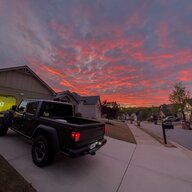

Is not using start stop really that big of difference? I know in theory it is, but shortly after buying my JT I installed the eliminator and never use the SS. Almost every time I drive mine I have about a 1,100 climb to get home. Something else to take into consideration as far as the winter driving is that colder air is denser and does have an impact. I have some experience racing planes and just 10 degrees makes a very noticeable difference in speed, the colder air the slower and being the brick that the JT is I suspect that may have a bigger impact than winter fuel blends.
100% ... truth.Start-stop will really only make a difference with city driving where its a lot of longer period stop and go, and even then results will vary each tank. It wont really do anything if you drive mostly highway. Even vehicles that have an eco mode, it really only works in city driving.
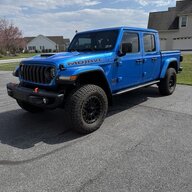
Is it even worth it?? I mean…sure…city driving… how much MPG and $ are you actually saving? Versus… the amount of wear/tear and replacement costs will bite you in the ass later on?Start-stop will really only make a difference with city driving where its a lot of longer period stop and go, and even then results will vary each tank. It wont really do anything if you drive mostly highway. Even vehicles that have an eco mode, it really only works in city driving.
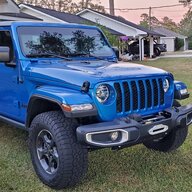
I don't use mine either, but I'm cheap and I've been pressing the button for three years.Is it even worth it?? I mean…sure…city driving… how much MPG and $ are you actually saving? Versus… the amount of wear/tear and replacement costs will bite you in the ass later on?
Meh….I don’t use mine. Love the Tazer for that purpose.


This!! I worry about the longevity of the starter and ignition systems using that system. Be just my luck I’d start using it and the starter craps out at the busiest intersection in town and I’m stuck in the middle lane with my thumb up my…….. nose.Is it even worth it?? I mean…sure…city driving… how much MPG and $ are you actually saving? Versus… the amount of wear/tear and replacement costs will bite you in the ass later on?
Meh….I don’t use mine. Love the Tazer for that purpose.
Yeah but I feel better not being stuck behind someone lol don't care if we reach the same destination at the same time, I don't want anyone in front of me. ESPECIALLY if they suck an maintaining speed.100% ... truth.
It's like passing someone on a 20 miles highway trip getting off the exit stopping at a light and the guy you passed pulling in behind you. It accomplishing very little

These systems have been around for over a decade with hardly any issues. The only high-profile issue has been with Honda (of all MFGs, the irony). The systems are engineered for the stress.This!! I worry about the longevity of the starter and ignition systems using that system. Be just my luck I’d start using it and the starter craps out at the busiest intersection in town and I’m stuck in the middle lane with my thumb up my…….. nose.
Yeah I think theres a lot of trim level conflicts when it comes to MPG claims on this site. A Sport with cheap, light 31" all seasons is going to get better than a rubicon with heavy 33 all terrains, but I think a lot of folks don't take that into consideration, at least not at first.I came from a 2014 Wrangler Sahara that was getting me 18-20 MPG and my 2024 Rubicon JT is also getting me 13-15 (consistently 15 now that I replaced the mud tires). The people you see getting high mileage must be driving a lot of long flat highways with few stops. I notice if I watch my active MPGs I can cruise at 25-30 MPG at 45-60 MPH on flat roads. But I drive a lot of stops and hills and my active MPG is tanked in those situations.
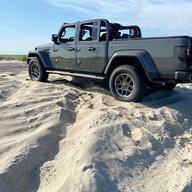
You’d think so, but I saw zero difference. OEM 32.2” all seasons to 33.7” E load A/Ts. Granted they are lighter than some C load. Maybe the 4.10s make a difference over 3.73s. I can’t comment there.Yeah I think theres a lot of trim level conflicts when it comes to MPG claims on this site. A Sport with cheap, light 31" all seasons is going to get better than a rubicon with heavy 33 all terrains, but I think a lot of folks don't take that into consideration, at least not at first.
I thought so too, until I learned using Cruise Control gained 2mpg avg EVERYWHERE. I know it seems silly, unless I'm going up a serious hill with turns that require speed changes, it really does make a difference. Wen't from 14-15mpg (winter blend) back up to 16-17+ mpg avg. That's with 49lbs C-load MTs and a manual transmission.I came from a 2014 Wrangler Sahara that was getting me 18-20 MPG and my 2024 Rubicon JT is also getting me 13-15 (consistently 15 now that I replaced the mud tires). The people you see getting high mileage must be driving a lot of long flat highways with few stops. I notice if I watch my active MPGs I can cruise at 25-30 MPG at 45-60 MPH on flat roads. But I drive a lot of stops and hills and my active MPG is tanked in those situations.
It's not about stress testing, it's about the added charging/load cycles on the batteries and starter that people don't like. Batteries and starters have a rated lifespan, for batteries it's around 250-500 cycles more for lead-acid. For starters it's usually the contactors that fail, or a winding in the motor from the shock through the shaft at an angle overtime. Using those components more often WILL lead to an earlier failure, how much earlier isn't a guarantee. But it does improve chances you'll spend money fixing it when they fail sooner, and in theory that means more potential profit for manufacturers.These systems have been around for over a decade with hardly any issues. The only high-profile issue has been with Honda (of all MFGs, the irony). The systems are engineered for the stress.


